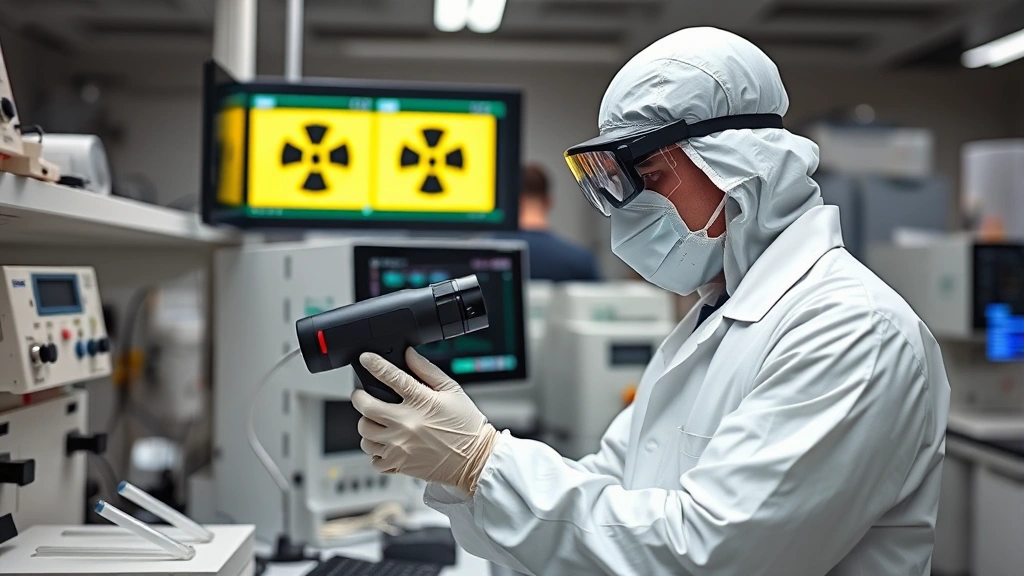
How to Choose Detectors: Expert Advice for Radiation Detection Companies
Selecting the right radiation detection equipment is one of the most critical decisions a radiation detection company can make. Whether you’re operating in nuclear facilities, healthcare institutions, environmental monitoring, or security applications, the quality and accuracy of your detectors directly impact operational safety, regulatory compliance, and your organization’s reputation. This comprehensive guide provides expert insights into evaluating, comparing, and ultimately choosing the most suitable detectors for your specific business needs.
The detector selection process extends far beyond simply purchasing equipment. It involves understanding your operational requirements, evaluating technological capabilities, assessing vendor reliability, and ensuring long-term cost-effectiveness. Companies that invest time in this decision-making process typically experience better outcomes, reduced downtime, and stronger regulatory standing. We’ll walk you through each critical factor that should influence your choice.
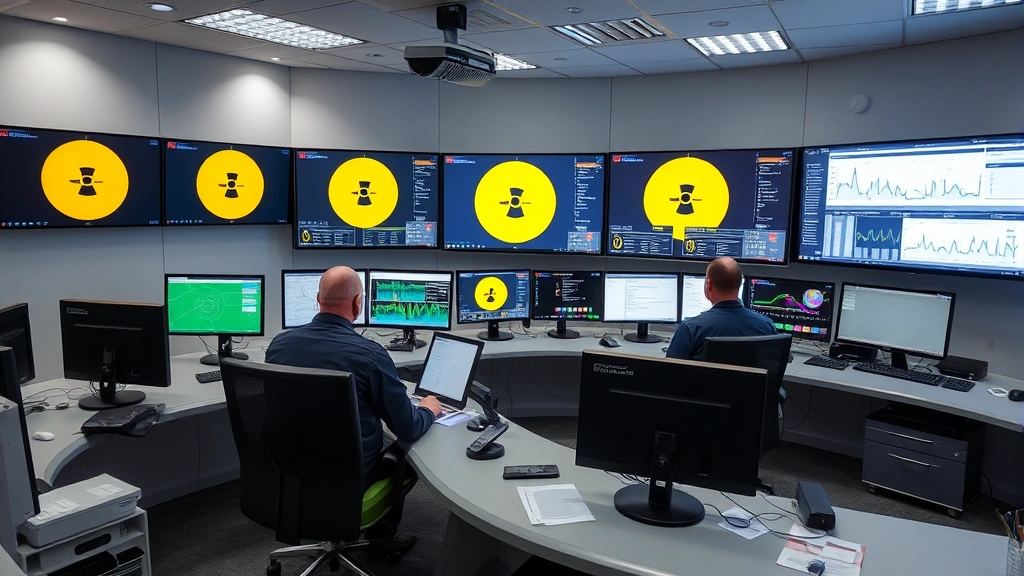
Understanding Detector Types and Technologies
The radiation detection landscape encompasses several distinct technologies, each with unique advantages and limitations. Scintillation detectors use luminescent crystals that emit light when struck by radiation, offering excellent sensitivity and fast response times. These remain popular in research and medical applications due to their reliability and established performance metrics. Semiconductor detectors provide superior energy resolution and are increasingly favored in spectroscopy and precision measurement applications where detailed radiation characterization is essential.
Gas-filled detectors, including Geiger-Mueller tubes and proportional counters, represent another fundamental category. They excel in portable survey instruments and offer cost-effective solutions for general radiation monitoring. Solid-state detectors have revolutionized personal dosimetry and environmental monitoring, providing digital readouts and data logging capabilities that traditional film badges cannot match. Understanding the fundamental differences between these technologies is your first step toward making an informed decision.
When evaluating California radiation detection companies or regional suppliers, verify that they stock multiple detector types rather than promoting a single technology as universally superior. This indicates vendor maturity and understanding that different applications require different solutions.
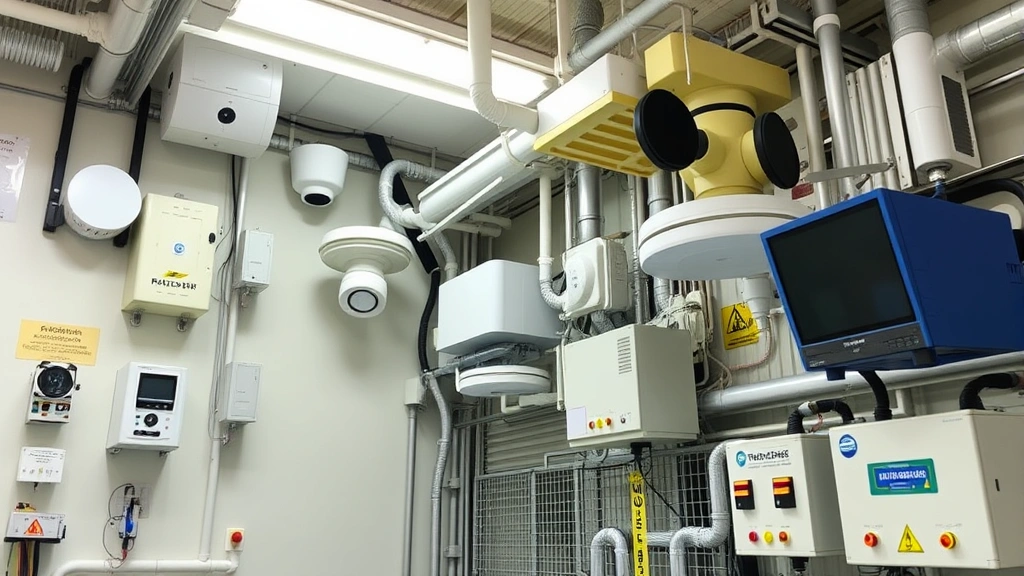
Assessing Your Operational Requirements
Before comparing specific detector models, clearly define what you’re actually trying to accomplish. Are you monitoring environmental contamination, protecting personnel in nuclear facilities, conducting research, or implementing security screening? Each application demands different detector characteristics. Environmental monitoring might prioritize sensitivity and long-term stability, while security applications may emphasize rapid detection and false-alarm minimization.
Consider your facility’s radiation environment. Background radiation levels, expected isotopes, energy ranges, and detection frequency all influence which detector performs optimally. A facility handling primarily gamma-emitting isotopes has different needs than one working with mixed alpha-beta-gamma sources. Document your expected radiation types, typical energy ranges, and anticipated detection rates.
Facility size and deployment strategy matter significantly. Are you installing fixed monitoring stations, deploying portable units across multiple locations, or implementing wearable personal dosimeters? Your answer determines whether you need ruggedized portable detectors, networked stationary systems, or integrated personal protection equipment. Companies managing commercial property management responsibilities alongside radiation safety require different solutions than specialized nuclear laboratories.
Operational tempo and detection frequency requirements shape detector selection as well. High-throughput security screening demands fast response times and high count rates, while research applications might prioritize energy resolution over speed. Define your acceptable detection latency and maximum count rate requirements before evaluating specific models.
Evaluating Detector Specifications and Performance
Once you understand your requirements, systematically compare detector specifications against your operational needs. Sensitivity—the detector’s ability to register radiation events—varies dramatically between models. Measured in counts per minute per unit radiation exposure, sensitivity determines whether your detector can reliably identify the radiation levels you expect to encounter. Higher sensitivity enables detection of lower radiation levels but may increase false-alarm rates in noisy environments.
Energy resolution represents the detector’s ability to distinguish between different radiation energies. Measured in percentage at specific energy levels (typically 662 keV for cobalt-57), better energy resolution enables isotope identification and source characterization. Scintillation detectors typically offer 5-10% energy resolution, while semiconductor detectors may achieve 0.5-2%, and gas detectors typically range from 15-25%. Your application determines how critical this specification becomes.
Response time and dead time are equally important. Dead time—the period during which a detector cannot register new events after detecting one—limits maximum count rates. For high-activity sources or security screening applications, low dead time is essential. Response time affects your ability to detect transient radiation events. Evaluate these specifications against your expected operational conditions, not theoretical maximums.
Environmental operating ranges deserve careful attention. Temperature stability, humidity tolerance, vibration resistance, and electromagnetic interference immunity all impact real-world performance. Laboratory-grade detectors might perform excellently on benches but fail in industrial environments. Conversely, ruggedized detectors designed for field use may sacrifice sensitivity compared to laboratory instruments.
Vendor Selection and Support Considerations
The detector manufacturer and supplier you choose becomes a long-term partner. Evaluate vendor stability, technical support quality, spare parts availability, and upgrade pathways. Established manufacturers with decades of operational history provide greater assurance of continued support, calibration services, and component availability. Smaller specialized vendors may offer innovative solutions but carry higher risks regarding long-term viability.
Technical support quality directly impacts your operational efficiency. Can the vendor provide rapid troubleshooting assistance? Do they maintain repair facilities or require sending units to distant service centers? What are their typical turnaround times for calibration and maintenance? Some radiation detection companies offer on-site support for enterprise customers, while others provide only remote assistance. Your operational criticality determines which support model suits your needs.
When researching potential vendors, examine their credentials and industry standing. Certifications from relevant bodies, accreditation with standards organizations, and membership in professional associations indicate commitment to quality and best practices. Request references from similar organizations and speak directly with existing customers about their experiences. Delaware company registration checks and similar business verification resources help confirm vendor legitimacy and stability.
Evaluate the vendor’s calibration and certification capabilities. Detectors require periodic recalibration to maintain accuracy and regulatory compliance. Verify that your potential vendor maintains certified calibration facilities or has established relationships with recognized calibration laboratories. Understanding calibration costs and frequencies before purchasing prevents unexpected expenses.
Cost Analysis and Budget Planning
Detector costs span a tremendous range depending on technology, sophistication, and intended application. Basic portable survey meters might cost several hundred dollars, while advanced spectroscopic systems exceed fifty thousand dollars. Establish a realistic budget that accounts not only for initial equipment purchase but also ongoing operational expenses.
Calculate your total cost of ownership across the detector’s expected lifespan, typically 5-10 years. Include initial purchase price, installation and setup costs, calibration and maintenance expenses, replacement parts and consumables, staff training, and eventual decommissioning. Some detectors require expensive replacement components or frequent calibration, while others operate economically for years with minimal maintenance. A seemingly expensive detector might prove more cost-effective than a cheaper alternative requiring constant servicing.
Consider volume discounts and package deals when procuring multiple units. Many vendors offer significant reductions for large orders, integrated system packages, or long-term service contracts. Negotiate maintenance agreements that lock in service costs and prioritize your organization for rapid support. These arrangements often prove more economical than pay-per-incident repair models.
Factor in training and qualification costs. Staff must understand proper detector operation, maintenance, and safety protocols. Budget for initial training programs and ongoing competency verification. Some vendors include training as part of system purchase, while others charge separately. Quality training reduces operational errors and extends equipment lifespan.
Regulatory Compliance and Certification
Radiation detection equipment must meet numerous regulatory requirements depending on your industry and jurisdiction. Nuclear facilities operate under strict NRC regulations, healthcare institutions follow state and federal medical device standards, and security applications must comply with TSA and DHS specifications. Verify that any detector you consider meets applicable regulatory requirements before making purchasing decisions.
International standards such as IEC 60846 (scintillation detectors), IEC 60839 (security systems), and ISO 8769 (environmental monitoring) establish performance benchmarks and testing protocols. Equipment meeting these standards provides assurance of quality and interoperability. Request certification documentation from vendors and verify that certifications remain current.
Some applications require detector qualification through specific testing protocols. Medical imaging facilities may need detectors meeting FDA specifications, while nuclear power plants require equipment certified through vendor-specific qualification programs. Research your specific regulatory environment and confirm detector suitability before purchase. Business management systems can help track compliance documentation and certification expiration dates across your detector fleet.
Documentation and traceability requirements vary by application. Some organizations must maintain detailed records of each detector’s serial number, calibration history, and operational parameters. Ensure your selected detector provides adequate documentation and that your vendor supports required record-keeping practices.
Implementation and Integration Strategy
Successful detector deployment extends beyond equipment selection to encompassing comprehensive implementation planning. Evaluate how new detectors integrate with existing monitoring systems, data management infrastructure, and operational workflows. Legacy systems may require interface adapters or software modifications to communicate with modern detectors. Assess integration complexity and associated costs before finalizing purchasing decisions.
Network connectivity and data management capabilities increasingly influence detector selection. Modern detectors offer wireless connectivity, cloud-based data logging, and real-time alert capabilities. These features enhance operational visibility and enable remote monitoring but introduce cybersecurity considerations and network infrastructure requirements. Evaluate whether your organization has the IT infrastructure and cybersecurity protocols to safely deploy connected detection systems.
Implementation timeline matters significantly. Some detectors require extensive installation, calibration, and verification before operational deployment. Build realistic timelines that account for equipment delivery, site preparation, installation, staff training, and regulatory inspections. Rushing implementation increases risks of errors and operational problems. Work with your vendor to develop detailed implementation plans with clear milestones and success criteria.
Staff training and change management deserve substantial attention. Introducing new detection equipment affects operational procedures, reporting processes, and safety protocols. Develop comprehensive training programs that cover not only equipment operation but also integration with existing workflows. Identify and address staff concerns proactively, emphasizing how new detectors enhance safety and operational efficiency. Professional networking and industry groups provide valuable forums for learning from peers who’ve recently implemented similar systems.
Post-implementation verification ensures detectors perform as specified in your operational environment. Establish baseline performance metrics, conduct regular quality assurance testing, and document results. This verification process confirms that detectors meet your requirements and identifies any performance issues requiring vendor attention.
FAQ
What’s the most important factor when choosing a radiation detector?
Application requirements should drive detector selection above all other factors. A detector perfectly suited for one application may perform inadequately in another. Clearly define what you’re detecting, where, and why before comparing specific models. This ensures you evaluate detectors against relevant criteria rather than pursuing technically impressive specifications that don’t match your actual needs.
How often do radiation detectors require calibration?
Calibration frequency depends on detector type, usage intensity, and regulatory requirements. Many facilities calibrate annually, while high-use security screening systems may require semi-annual calibration. Some detectors drift more rapidly than others. Establish calibration schedules based on manufacturer recommendations and regulatory requirements, then adjust based on actual performance data from your facility.
Can I mix different detector types in my facility?
Yes, many facilities successfully operate mixed detector populations where different instruments serve different purposes. Portable survey meters might use one technology while fixed monitoring stations use another. However, ensure that your data management and reporting systems can integrate information from different detector types and that staff receive training on operating multiple instruments.
What’s the relationship between detector cost and performance?
Higher cost generally correlates with improved performance specifications, but the relationship isn’t linear. Expensive laboratory-grade detectors may offer unnecessary sophistication for straightforward applications. Conversely, cheap detectors might require constant recalibration, creating hidden costs. Evaluate cost-effectiveness based on total cost of ownership across the detector’s expected lifespan rather than purchase price alone.
How do I verify a detector meets regulatory requirements?
Request comprehensive certification documentation from vendors, including standards compliance certificates, test reports, and regulatory approvals. Verify that certifications remain current and apply to your specific regulatory jurisdiction. For critical applications, consider independent third-party testing or consultation with regulatory experts to confirm suitability.
What should I do if my current detectors become obsolete?
Plan detector replacement before obsolescence occurs. Establish replacement schedules aligned with manufacturer support timelines and technological advancement. When selecting new detectors, consider whether they’ll integrate with existing infrastructure or require system upgrades. Budget ongoing replacement costs as part of your operational expenses rather than treating replacement as emergency spending.