Craft Beer Trends: Railtown Brewing Company Insights and Market Leadership
The craft beer industry has experienced remarkable transformation over the past two decades, evolving from a niche market into a significant force reshaping how consumers approach beverage selection and brand loyalty. Railtown Brewing Company stands at the forefront of this revolution, demonstrating how strategic innovation, quality-first principles, and authentic brand storytelling create sustainable competitive advantages in an increasingly crowded marketplace. Understanding the dynamics that drive success in craft brewing provides valuable lessons for entrepreneurs and business leaders across industries.
As consumer preferences shift toward authenticity, local sourcing, and experiential consumption, breweries like Railtown have capitalized on emerging opportunities by combining traditional brewing techniques with modern business practices. The company’s approach to product development, community engagement, and market positioning offers a compelling case study in how specialized producers can build thriving enterprises while maintaining core values and quality standards. This exploration of craft beer trends examines the strategic factors contributing to Railtown Brewing’s prominence and the broader industry dynamics shaping the future of craft beverage production.
The Evolution of Craft Beer Market Dynamics
The craft beer sector has fundamentally transformed consumer behavior and industry competition since the 1980s. What began as a countercultural movement against mass-produced, homogenized beverages has evolved into a multi-billion-dollar industry commanding approximately 23% of the total U.S. beer market by volume and significantly higher margins by value. This shift reflects deeper changes in consumer preferences toward quality, authenticity, and local economic support.
According to the Brewers Association, the craft beer industry supports over 400,000 jobs across production, distribution, hospitality, and related sectors. This economic impact extends far beyond breweries themselves, influencing restaurant concepts, retail strategies, tourism development, and agricultural supply chains. The industry’s growth demonstrates how specialized producers can capture market share from established corporations by focusing on quality differentiation and authentic brand positioning.
Current market trends indicate several crucial developments shaping craft beer’s trajectory. Consolidation among larger craft breweries has accelerated, with some previously independent operations seeking acquisition by major beverage corporations. Simultaneously, hyper-local micro-breweries and taproom-focused operations have proliferated, creating a bifurcated market where scale and ultra-specialization both succeed. Flavor innovation continues driving experimentation with ingredients ranging from exotic hops to adjuncts like coffee, fruit, and spices.
The demographic expansion of craft beer consumption deserves particular attention. While historically dominated by male consumers aged 25-45, craft beer now attracts diverse audiences including women (representing over 30% of craft beer drinkers), younger consumers seeking premium experiences, and older demographics exploring new tastes. This broadening consumer base has prompted breweries to reconsider product portfolios, marketing approaches, and hospitality experiences to appeal across generational and gender lines.
Railtown Brewing Company’s Market Position
Railtown Brewing Company has established itself as a significant player in the craft beer landscape through consistent execution of core business principles and strategic market positioning. The company’s success reflects understanding that sustainable growth requires balancing expansion ambitions with quality maintenance and community authenticity. Rather than pursuing aggressive national distribution that might compromise brand integrity, Railtown has cultivated a strong regional presence with deep customer loyalty.
The company’s website URL and company information reveal a business structured around transparency and direct consumer engagement. This approach aligns with broader craft beer industry trends emphasizing manufacturer-consumer relationships over anonymous mass-market distribution. By maintaining accessible information about brewing processes, ingredient sourcing, and company values, Railtown builds trust essential for premium product positioning.
Railtown’s product lineup demonstrates strategic portfolio management. The company maintains core flagship beers providing consistent revenue while rotating limited-edition and seasonal offerings that generate excitement and encourage repeat visits. This approach balances operational efficiency with innovation, allowing the brewery to maintain production consistency for core products while experimenting with new flavor profiles and brewing techniques. The strategy mirrors approaches used by successful beverage companies across categories, where core products subsidize innovation investments.
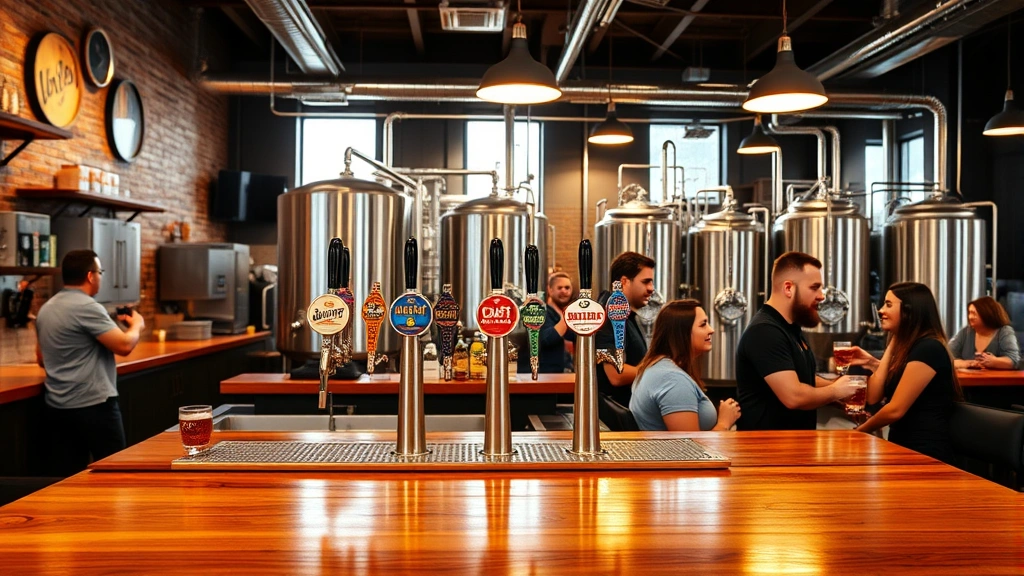
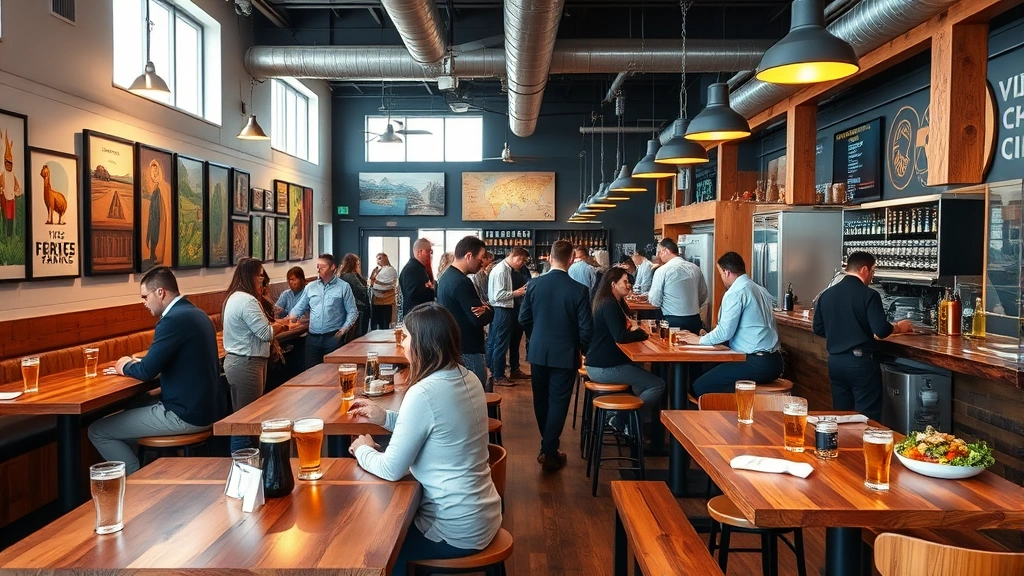
The brewery’s taproom and hospitality operations represent increasingly important revenue streams for craft producers. Beyond direct beer sales, taprooms generate revenue through food service, merchandise, event hosting, and experiential offerings. Railtown has invested in creating welcoming spaces that encourage extended visits and community gathering, recognizing that the craft beer experience encompasses far more than the beverage itself. This hospitality focus creates emotional connections driving brand loyalty and word-of-mouth marketing.
Competitive positioning within the regional market reflects Railtown’s understanding of differentiation principles. Rather than competing directly with macro breweries on price or distribution breadth, the company emphasizes quality, local heritage, and community connection. This positioning allows premium pricing while building defensible market advantages based on brand identity rather than cost leadership—a strategy consistent with competitive strategy principles outlined by Harvard Business Review.
” alt=”Craft brewery interior with fermentation tanks and wooden bar seating, warm lighting emphasizing quality equipment and inviting atmosphere”>
Innovation and Product Development Strategies
Successful craft breweries balance tradition with experimentation, and Railtown exemplifies this equilibrium through thoughtful product development processes. The company invests in research and development while respecting brewing heritage and established customer preferences. This approach requires sophisticated understanding of when to innovate and when to maintain consistency—a challenge relevant across industries where brand heritage and modernization create inherent tensions.
Railtown’s innovation pipeline includes several strategic categories. Seasonal releases align with consumer preferences and agricultural availability, creating natural rhythms for new product introduction. Limited-edition collaborations with other breweries, local businesses, and culinary partners generate excitement while expanding brand reach into adjacent communities and consumer segments. Experimental batches tested in the taproom provide low-risk opportunities to evaluate new concepts before broader production commitments.
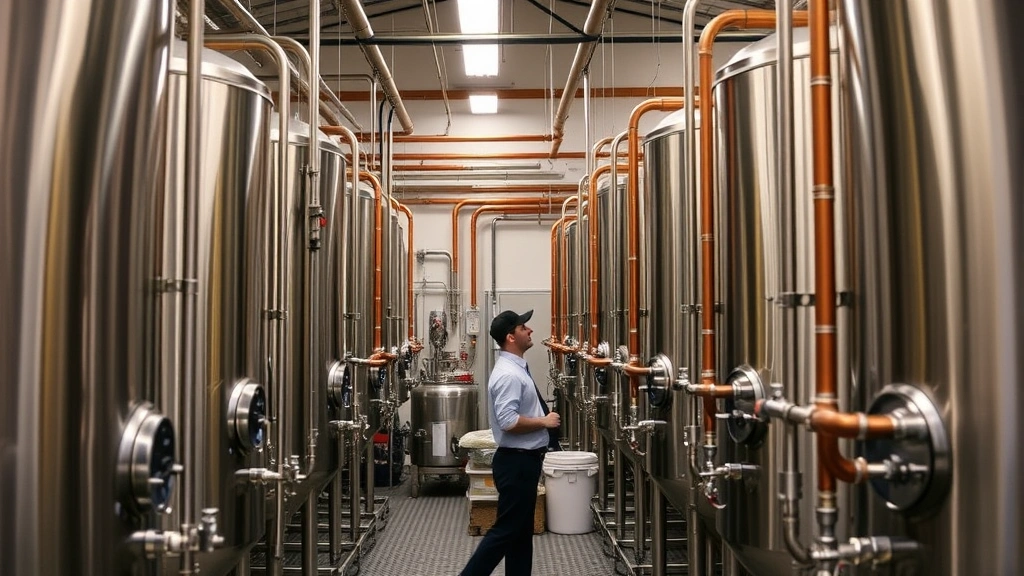
The brewing process itself represents a continuous innovation frontier. Railtown invests in equipment upgrades, yeast strain development, and fermentation technique refinement to enhance quality and consistency. These technical improvements rarely receive consumer recognition, yet they fundamentally determine product quality and operational efficiency. The company’s commitment to continuous improvement reflects principles essential for sustainable competitive advantage—investing in capabilities that competitors cannot easily replicate.
Ingredient sourcing strategy demonstrates how craft breweries can differentiate through supply chain decisions. Railtown prioritizes relationships with local hop farmers, grain suppliers, and specialty ingredient providers. These partnerships support regional agriculture while ensuring ingredient quality and consistency. The ability to tell stories about ingredient origins and farmer relationships provides marketing value while creating authentic differentiation impossible for mass producers to replicate at scale.
Consumer feedback integration drives product refinement and development prioritization. Railtown systematically gathers customer input through taproom interactions, social media engagement, and periodic surveys. This direct feedback loop enables rapid iteration and ensures new products address actual consumer desires rather than internal assumptions. The practice exemplifies how business communication tools enhancing workplace collaboration extend beyond internal operations to encompass customer relationship management and market intelligence gathering.
Community Engagement and Brand Building
Craft breweries succeed or fail based substantially on community integration and brand authenticity. Railtown has invested significantly in becoming a genuine community institution rather than merely a commercial operation located within a geographic area. This commitment manifests through event hosting, local sponsorships, charitable partnerships, and transparent communication about company values and decision-making.
The brewery’s event strategy creates recurring reasons for customer visits while building community identity. Seasonal festivals, live music performances, food truck partnerships, and collaborative events with local businesses create experiential value extending beyond the beverage product. These events generate revenue through increased consumption while strengthening emotional connections between consumers and the brand. The approach recognizes that successful businesses increasingly compete on experience and community value rather than product attributes alone.
Railtown’s approach to employee engagement extends community-building principles internally. The company recognizes that authentic brand representation requires employees who genuinely embody company values and feel invested in organizational success. By fostering positive workplace culture, providing competitive compensation, and offering advancement opportunities, Railtown attracts talent capable of delivering exceptional customer experiences. This internal focus on culture translates directly to external brand perception and customer loyalty.
Charitable involvement and corporate social responsibility initiatives align Railtown’s business success with community benefit. The company supports local nonprofits, sponsors community events, and participates in industry initiatives addressing sustainability and social equity challenges. These commitments generate positive brand associations while addressing genuine social needs. For consumers increasingly motivated by values-alignment with brands they support, Railtown’s authentic commitment to community welfare differentiates it from purely commercial competitors.
The storytelling dimension of community engagement deserves emphasis. Railtown effectively communicates its heritage, values, and community commitments through multiple channels including taproom design, website content, social media narratives, and direct employee interactions. These stories create emotional resonance that transcends functional product benefits, building brand loyalty based on shared identity and values rather than mere consumption habits. The storytelling approach reflects principles applicable across industries where authentic narrative drives premium positioning and customer loyalty.
Sustainability and Operational Excellence
Craft breweries consume substantial resources including water, energy, and raw materials, making sustainability increasingly central to industry viability and consumer expectations. Railtown has implemented comprehensive sustainability initiatives addressing production efficiency, waste reduction, and environmental stewardship. These efforts reflect both ethical commitment and business pragmatism—sustainability improvements often reduce operational costs while enhancing brand reputation.
Water management represents a critical sustainability focus for breweries. Railtown has invested in water recycling systems, wastewater treatment infrastructure, and conservation technologies that reduce consumption and environmental impact. These investments require significant capital expenditure yet provide long-term operational savings and risk mitigation. The brewery’s transparency about water usage and conservation efforts appeals to environmentally conscious consumers while demonstrating operational maturity.
Energy efficiency improvements encompass heating, cooling, and production processes. Railtown has upgraded to efficient equipment, optimized fermentation processes to reduce energy requirements, and invested in renewable energy sources where feasible. These technical improvements compound over time, creating significant operational savings that strengthen financial performance. The investments also reduce the brewery’s carbon footprint, aligning with consumer preferences and regulatory trends toward sustainability.
Waste reduction and byproduct utilization demonstrate how craft breweries can operate more sustainably while creating economic value. Spent grain from the brewing process finds use as animal feed and agricultural amendments, creating revenue streams while diverting waste from landfills. Packaging innovations toward recyclable and compostable materials reduce environmental impact while appealing to sustainability-focused consumers. These operational decisions reflect principles of circular economy thinking increasingly important across industries.
Railtown’s commitment to sustainability extends to supply chain partnerships. The company prioritizes suppliers sharing environmental values and meeting sustainability standards. This approach builds resilience by diversifying supply sources and supporting agricultural practices that maintain long-term resource availability. The strategy recognizes that sustainable business success requires ensuring supply chain sustainability—a principle with applications far beyond brewing.
Digital Marketing and Consumer Connection
Modern craft breweries must excel at digital marketing and social media engagement to reach consumers and build communities. Railtown leverages digital channels strategically to amplify brand message, engage with customers, and drive traffic to physical locations. The company’s digital approach integrates social media content, email marketing, website optimization, and influencer partnerships into cohesive strategy.
Social media presence allows Railtown to share behind-the-scenes content, celebrate new releases, and engage directly with customers in ways large corporations cannot replicate authentically. User-generated content from customers visiting the taproom extends reach and provides social proof of brand authenticity. The company encourages sharing through branded hashtags, contests, and community celebrations that make customers feel like brand ambassadors rather than mere consumers.
Website optimization ensures Railtown maintains strong digital presence for consumers seeking company information, product details, and purchasing options. The site functions as digital storefront, brand ambassador, and customer service hub simultaneously. By maintaining comprehensive website URL company information and clear navigation, the brewery demonstrates professionalism and accessibility that builds consumer confidence. Effective website strategy supports both direct sales and foot traffic to physical locations.
Email marketing enables Railtown to maintain ongoing relationships with customers between taproom visits. Regular updates about new releases, events, and promotions keep the brand top-of-mind while providing genuine value through exclusive offers and early access to limited products. The permission-based approach respects customer preferences while building engaged audience segments more valuable than broad mass-market reach.
Search engine optimization for craft beer-related keywords ensures Railtown appears prominently when potential customers search for brewery options. By partnering with best SEO companies for small business, the brewery ensures digital visibility that drives qualified traffic and establishes authority within the craft beer category. SEO success requires ongoing content creation, technical optimization, and link building—investments that compound over time as domain authority increases.
Influencer partnerships and media relations extend Railtown’s reach beyond direct audience. Craft beer journalists, food bloggers, and lifestyle influencers provide third-party validation and expanded audience access. These partnerships work most effectively when based on authentic relationships rather than transactional arrangements—influencers should genuinely enjoy Railtown’s products and align with company values.
Future Outlook and Industry Trends
The craft beer industry faces both significant opportunities and challenges as it matures. Understanding future trends enables breweries like Railtown to anticipate market shifts and position for sustained success. Several macro trends deserve particular attention for implications to industry participants and broader business observers.
Premiumization continues as craft beer consumers increasingly trade up to higher-price-point products with distinctive positioning. This trend benefits breweries emphasizing quality, limited production, and brand heritage—advantages Railtown has cultivated strategically. As price-sensitive consumers shift to lower-cost options and premium consumers seek ever-more-distinctive products, the middle market compresses. Railtown’s positioning in the premium segment positions it favorably for this market evolution.
Wellness trends influence beverage consumption across categories. Lower-alcohol options, non-alcoholic craft beverages, and functional ingredients addressing health concerns represent growing segments. Railtown’s willingness to experiment with product categories beyond traditional beer demonstrates flexibility to address evolving consumer preferences. Breweries that dismiss wellness trends as temporary fads risk losing relevance as consumer priorities shift.
Direct-to-consumer sales and e-commerce capabilities increasingly matter as distribution regulations evolve. Railtown’s investment in digital channels and website infrastructure positions the company to capitalize on expanding direct shipping opportunities and online sales. As consumers increasingly expect convenient purchasing options, breweries must balance taproom experiences with digital accessibility.
Consolidation pressures will likely intensify as larger breweries acquire successful craft producers and investment capital pursues returns. Railtown’s independence and strong community roots represent competitive advantages in this environment. Consumers increasingly distinguish between authentic independent breweries and corporate-owned operations bearing craft brewery names. This authenticity premium may prove increasingly valuable as market consolidation accelerates.
Workforce challenges including labor costs, skill requirements, and generational preferences will shape industry dynamics. Railtown’s commitment to positive workplace culture and employee development positions the company to attract and retain talent in competitive labor markets. As operational complexity increases and quality demands rise, breweries employing skilled, motivated teams will outperform competitors struggling with turnover and capability gaps.
Regulatory developments addressing alcohol content, labeling requirements, marketing restrictions, and business structure may create both challenges and opportunities. Railtown’s transparent approach to compliance and active industry participation position the company to navigate regulatory changes effectively. Breweries that anticipate regulatory trends and build compliant operations proactively gain advantages over competitors forced into reactive adaptation.
” alt=”Modern brewery production facility with stainless steel equipment, workers in professional attire managing quality control, emphasizing operational excellence and craftsmanship”>
FAQ
What makes Railtown Brewing Company distinctive in the craft beer market?
Railtown distinguishes itself through consistent quality, authentic community engagement, strategic innovation balancing tradition with experimentation, and transparent communication about brewing practices and company values. The brewery prioritizes regional presence and deep customer relationships over aggressive national expansion, building defensible competitive advantages based on brand authenticity and local heritage.
How do craft breweries like Railtown compete against large beer corporations?
Craft breweries compete through quality differentiation, premium positioning, authentic brand storytelling, and community integration that large corporations cannot replicate at scale. By emphasizing local sourcing, transparent operations, and experiential hospitality, craft producers create emotional connections and values alignment that justify premium pricing and build loyal customer bases resistant to price competition.
What role does sustainability play in Railtown Brewing’s business strategy?
Sustainability represents both ethical commitment and business imperative for Railtown. Water conservation, energy efficiency, waste reduction, and responsible sourcing reduce operational costs while appealing to environmentally conscious consumers. These initiatives also build operational resilience and support long-term supply chain viability essential for sustainable business success.
How important is the taproom experience to Railtown’s business model?
The taproom experience has become central to craft brewery economics and brand building. Railtown’s taproom generates direct revenue through beverage and food sales while creating community gathering spaces that strengthen customer relationships and generate word-of-mouth marketing. The experiential element extends brand value far beyond the beverage product itself.
What digital strategies does Railtown employ to reach modern consumers?
Railtown leverages social media for community engagement and content sharing, maintains optimized website presence for information and direct sales, employs email marketing for customer relationship management, invests in search engine optimization for digital visibility, and partners with influencers and media to extend brand reach. These digital efforts integrate with physical taproom experiences to create cohesive brand presence.
How does Railtown balance innovation with maintaining brand consistency?
Railtown maintains core flagship products providing consistent revenue and brand identity while experimenting with seasonal releases, limited editions, and collaborative offerings that generate excitement and market feedback. This portfolio approach allows innovation investment without risking core product reliability—a balance essential for sustainable growth in established brands.
What lessons from Railtown Brewing apply to other industries?
Railtown’s emphasis on quality, authentic community integration, employee culture, sustainability, and direct customer relationships provides applicable lessons across industries. The brewery demonstrates how specialized producers can build thriving enterprises by differentiating through authenticity and values rather than competing on price or scale. These principles apply wherever consumers increasingly value quality, authenticity, and values alignment over pure functional attributes.


