AGL Energy’s Future? Expert Analysis of Australia’s Energy Giant
AGL Energy Limited stands as one of Australia’s most significant energy providers, serving millions of customers across the country with electricity and gas solutions. As the energy sector undergoes unprecedented transformation driven by renewable adoption, climate commitments, and technological innovation, understanding AGL’s strategic positioning becomes critical for investors, stakeholders, and industry observers. This comprehensive analysis examines the company’s current trajectory, competitive landscape, and future prospects in an increasingly complex energy market.
The Australian energy sector faces mounting pressures from decarbonization mandates, grid modernization requirements, and shifting consumer preferences toward sustainable power sources. AGL Energy, as a major player controlling significant generation capacity and retail operations, must navigate these challenges while maintaining profitability and shareholder value. Recent strategic decisions, leadership changes, and capital allocation choices reveal how the company intends to position itself for long-term success in a fundamentally transformed energy ecosystem.
AGL Energy’s Market Position and Business Structure
AGL Energy operates as Australia’s largest integrated energy company, with operations spanning electricity generation, distribution, and retail services across multiple states. The company’s portfolio includes substantial coal-fired generation assets, natural gas infrastructure, and increasingly, renewable energy projects. Understanding AGL’s organizational structure proves essential for evaluating its strategic flexibility and operational efficiency in responding to market disruptions.
The company serves approximately 10 million customers through its retail divisions, making it the dominant player in Australian energy retail. This scale provides competitive advantages in negotiating supplier contracts, investing in infrastructure, and leveraging data analytics for customer insights. However, this dominant position also creates organizational inertia, particularly regarding legacy coal assets that require substantial capital for either modernization or decommissioning.
AGL’s business model traditionally relied on stable cash flows from regulated distribution networks and generation assets with long-term power purchase agreements. Recent years have challenged this model as wholesale electricity prices remain volatile, renewable generation capacity expands, and customer acquisition costs increase. The company’s strategic response involves portfolio rebalancing toward higher-margin renewable projects and customer-focused digital services.
The company’s corporate structure underwent significant changes following failed takeover attempts and activist investor pressure. These developments prompted management to articulate clearer strategic priorities, including accelerated coal exit timelines and increased renewable investment commitments. Understanding these business leadership styles and organizational changes provides context for evaluating management credibility and execution capability.
Strategic Challenges and Transformation Initiatives
AGL Energy confronts multifaceted strategic challenges that demand comprehensive transformation across operations, culture, and business model. The most pressing challenge involves managing the transition from coal-dependent generation toward renewable energy sources while maintaining reliable, affordable power supply. This transformation requires simultaneous investment in new generation capacity, grid modernization, and customer engagement platforms.
The company’s coal assets, particularly the Liddell Power Station, represent both financial liabilities and transition risks. These aging facilities require increasing maintenance investment while generating declining revenue as wholesale electricity prices compress. AGL’s decision to accelerate Liddell’s closure timeline reflects recognition that prolonging coal operation creates strategic vulnerability rather than protecting shareholder value. However, managing this transition without stranding worker communities and disrupting regional economies requires sophisticated stakeholder management.
Customer acquisition and retention present mounting challenges as market competition intensifies and switching costs decline. Digital-native competitors and regional retailers increasingly capture price-sensitive customers, forcing AGL to invest heavily in customer experience improvements, digital platforms, and value-added services. The company’s legacy systems and organizational structure create execution risks in achieving the speed and agility required for competitive success.
Organizational culture transformation represents an underestimated strategic challenge. AGL’s historical identity as a traditional utility company built around stable operations and predictable cash flows conflicts with the entrepreneurial, innovation-focused culture required in modern energy markets. Building internal capabilities around emerging technologies, data analytics, and customer-centric service delivery requires sustained investment in talent acquisition, training, and organizational redesign.
The company’s response includes establishing dedicated business units focused on renewable energy development, battery storage solutions, and digital customer platforms. These initiatives aim to build organizational capabilities outside traditional utility constraints while maintaining integration with core operations. Success requires effective business networking strategies and stakeholder engagement to align diverse organizational units toward common strategic objectives.
” alt=”Modern solar farm installation with technicians monitoring renewable energy infrastructure” style=”width: 100%; height: auto; border-radius: 8px;”>
Renewable Energy Transition and Climate Commitments
AGL Energy committed to achieving net-zero emissions by 2045, with intermediate targets requiring substantial renewable energy investment and coal asset retirement. This commitment represents a fundamental strategic pivot from the company’s historical coal-dependent business model. Achieving these targets requires deploying gigawatts of renewable capacity while simultaneously managing grid stability and ensuring energy affordability.
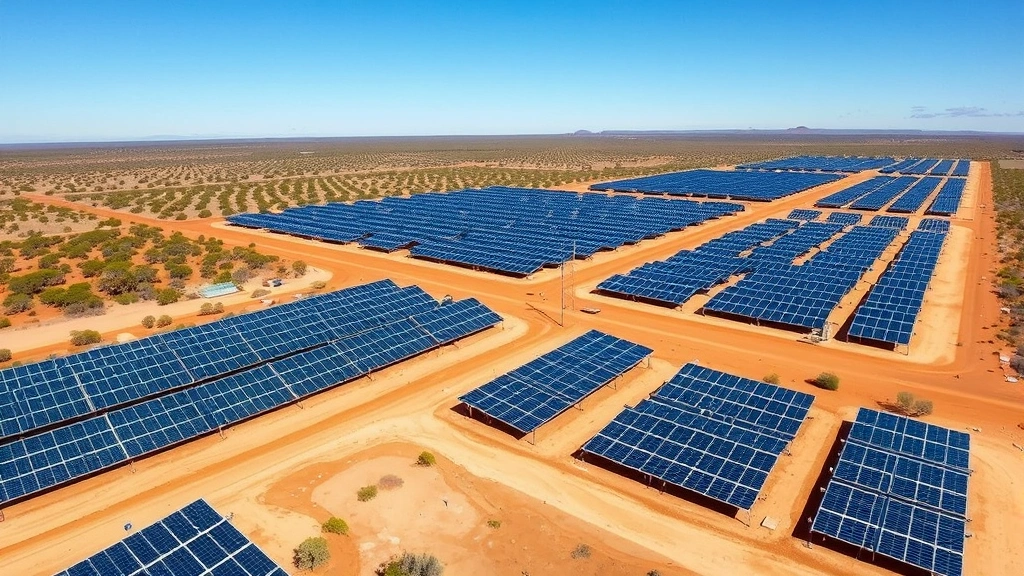
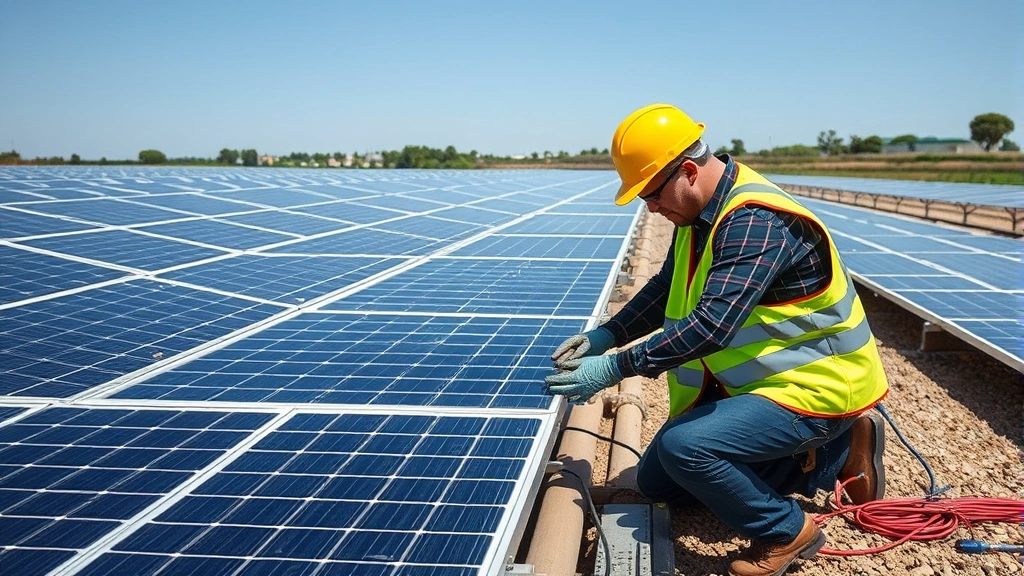
The company’s renewable energy strategy focuses on utility-scale solar and wind projects, distributed rooftop solar support, and battery storage development. AGL invested in renewable generation capacity across multiple states, positioning itself to capture wholesale market opportunities as traditional generation retires. However, the renewable energy transition also exposes AGL to merchant generation risks, where revenue depends entirely on wholesale electricity prices rather than regulated returns on regulated assets.
Battery storage capabilities prove increasingly critical as renewable energy penetration increases and grid stability becomes more complex. AGL developed battery storage projects designed to smooth renewable generation variability and provide grid support services. These assets generate revenue from multiple sources including energy arbitrage, capacity payments, and grid support services, creating more stable cash flows than wholesale energy sales alone.
The company’s renewable transition strategy must address timing misalignment between coal retirement and renewable capacity deployment. Premature coal retirement without adequate renewable replacement creates supply vulnerabilities and price risks, while delayed retirement prolongs stranded asset exposure. AGL’s planning process attempts to optimize this transition through detailed modeling of generation adequacy and wholesale price scenarios, though execution risks remain substantial.
Climate commitments also create opportunities for AGL to develop new customer offerings around electrification, energy efficiency, and renewable energy access. The company’s business plan development increasingly incorporates customer-focused sustainability solutions that align environmental objectives with revenue growth opportunities.
Financial Performance and Investment Outlook
AGL Energy’s financial performance reflects the complex dynamics of transitioning energy markets, with revenue pressures from wholesale price compression and customer churn offsetting efficiency gains and renewable investment returns. The company’s profitability faces headwinds from stranded coal asset impairments, increased competition in retail markets, and substantial capital requirements for renewable deployment and grid modernization.
Capital allocation decisions prove critical for long-term value creation. AGL faces tension between returning capital to shareholders through dividends and share buybacks versus investing in transformation initiatives required for competitive sustainability. Recent strategic reviews resulted in reduced dividend guidance as management prioritized investment in renewable capacity, battery storage, and digital capabilities necessary for future competitiveness.
The company’s balance sheet strength enables substantial investment in transformation initiatives, though leverage metrics warrant monitoring as capital intensity increases. AGL’s credit ratings reflect stable utility characteristics despite transition risks, providing access to capital markets at reasonable costs. However, rating agencies increasingly incorporate energy transition risks into utility assessments, creating potential pressure on AGL’s credit profile if transformation execution disappoints.
Wholesale electricity price forecasts significantly impact AGL’s financial projections. The company benefits from wholesale price strength, which increases generation revenue but also creates affordability pressures for retail customers. Managing this dynamic requires sophisticated wholesale hedging strategies and retail pricing discipline that balance competitiveness with margin requirements.
Analyst consensus regarding AGL’s investment outlook remains mixed, with valuations reflecting uncertainty about transformation execution and long-term earnings sustainability. The company trades at multiples reflecting mature utility characteristics despite transformation requirements suggesting higher growth profile. This valuation disconnect creates potential opportunities for investors with conviction regarding successful transformation execution, though substantial execution risks remain.
Competitive Landscape and Market Dynamics
AGL Energy operates within increasingly competitive energy markets characterized by new entrants, technological disruption, and shifting customer preferences. Traditional utility competitors including Origin Energy and Energy Australia maintain comparable scale and transformation initiatives, while new entrants focus on specific market segments including renewable energy development, battery storage, and digital customer platforms.
The retail electricity market exhibits intensifying price competition as switching barriers decline and customer acquisition costs increase. Digital retailers and niche competitors successfully attract price-sensitive customers through simplified offerings and lower cost structures. AGL’s response involves differentiating through customer experience, value-added services, and brand strength rather than competing primarily on price.
Renewable energy development increasingly attracts new competitors including infrastructure funds, international utilities, and technology-focused companies. This competitive intensity compresses returns on renewable projects while accelerating cost reductions that benefit consumers. AGL’s advantages in development pipelines, land access, and grid connections partially offset competitive pressures, though maintaining competitive returns requires execution excellence and strategic focus.
Battery storage and grid services markets remain nascent but increasingly competitive as technology costs decline and regulatory frameworks clarify. AGL’s early investments position the company competitively, though emerging specialists and technology providers create competitive threats. Success requires balancing utility-scale deployments with distributed customer-focused solutions.
Competitive advantage increasingly derives from data analytics capabilities, customer insights, and digital platform excellence rather than traditional generation assets or distribution network control. AGL’s investment in these capabilities reflects recognition that future competitive success depends on capabilities fundamentally different from traditional utility strengths. Building these capabilities remains an ongoing challenge requiring sustained investment and organizational evolution.
Technology and Innovation in Energy Delivery
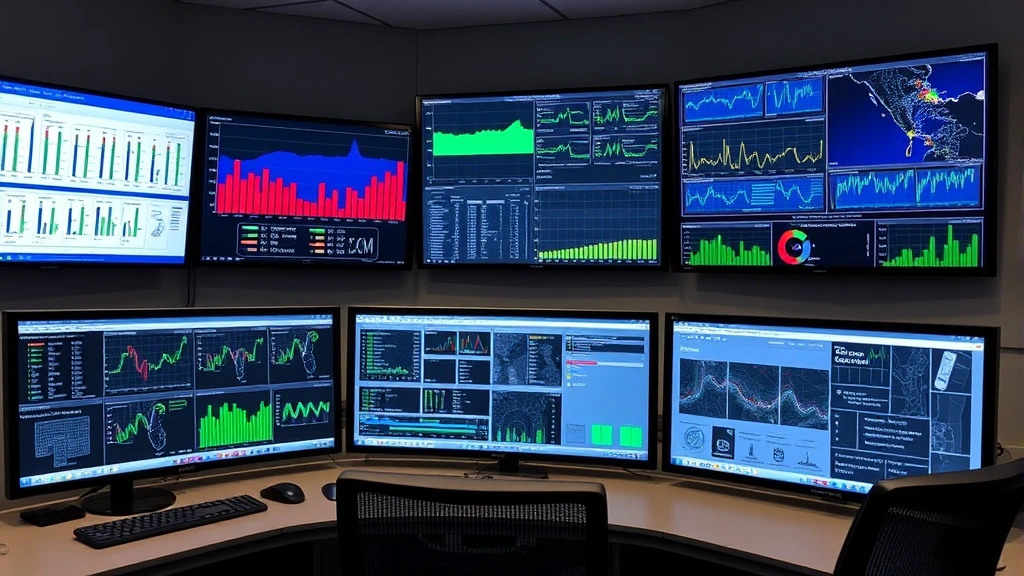
Digital transformation represents a critical strategic priority for AGL Energy, with implications spanning customer engagement, operational efficiency, and new business model development. The company invested in advanced metering infrastructure enabling real-time consumption data, customer portals facilitating energy management, and analytics platforms supporting personalized customer engagement.
Artificial intelligence and machine learning applications increasingly support customer service operations, demand forecasting, and maintenance optimization. AGL developed capabilities in these areas through both internal development and strategic partnerships with technology firms. These investments aim to reduce operational costs while improving customer experience and enabling predictive capabilities supporting grid operations.
Blockchain and distributed ledger technologies potentially transform energy market structures through enabling peer-to-peer trading, automated settlement, and transparent renewable energy tracking. While mainstream adoption remains uncertain, AGL monitors these developments and participates in industry initiatives exploring potential applications. Early-stage pilots provide learning opportunities without requiring massive capital commitment.
Internet of Things devices proliferate throughout AGL’s network and customer base, generating vast data volumes supporting optimization and predictive capabilities. Managing this data securely while extracting actionable insights requires sophisticated cybersecurity and data governance frameworks. AGL’s investments in these areas reflect recognition that data security represents both competitive necessity and regulatory requirement.
Virtual power plants aggregating distributed solar, battery storage, and flexible loads represent emerging technology platforms potentially transforming grid management and customer engagement. AGL developed virtual power plant capabilities through customer programs enabling aggregated device control supporting grid services. These platforms create new revenue streams while supporting renewable integration and grid reliability.
” alt=”Control room operators monitoring energy grid operations and system performance metrics” style=”width: 100%; height: auto; border-radius: 8px;”>
Regulatory Environment and Policy Impact
AGL Energy’s strategic options and financial performance depend substantially on regulatory and policy frameworks governing electricity markets, generation, and distribution. The regulatory environment encompasses national energy market rules, state-based distribution regulations, environmental policies, and consumer protection frameworks. Understanding these dynamics proves essential for evaluating AGL’s strategic flexibility and long-term profitability.
The National Electricity Market framework establishes wholesale market rules, transmission and distribution regulation, and grid reliability standards. Recent regulatory reforms including the Retailer Reliability Obligation and Capacity Investment Scheme directly impact AGL’s business model and financial projections. The company actively participates in regulatory consultations and policy development processes to advocate for frameworks supporting transformation objectives.
State-based distribution regulation establishes allowed returns on regulated networks, capital expenditure frameworks, and service standards. AGL’s significant distribution assets depend on regulatory environments in multiple jurisdictions, creating complexity in managing diverse regulatory relationships. Changes to distribution regulation, particularly regarding network modernization investment or reliability standards, materially impact AGL’s financial performance.
Climate policy frameworks including emissions reduction targets, renewable energy obligations, and carbon pricing mechanisms fundamentally shape energy market dynamics and investment incentives. AGL’s renewable energy investments benefit from policy support mechanisms including renewable energy credits and investment tax provisions. However, policy uncertainty regarding long-term climate commitments creates planning challenges for capital-intensive energy infrastructure projects.
Consumer protection frameworks increasingly focus on energy affordability, billing practices, and hardship support. Regulatory pressure to reduce energy bills constrains AGL’s retail pricing power while imposing operational requirements around customer support and financial hardship programs. Balancing regulatory compliance with commercial viability requires sophisticated regulatory strategy and customer service capability.
The regulatory environment increasingly incorporates energy transition considerations, with frameworks evolving to support renewable investment, grid modernization, and consumer engagement in energy markets. AGL’s regulatory strategy must anticipate these developments and position the company to benefit from supportive policy frameworks. This requires maintaining credibility with regulators and policymakers regarding transformation commitment and execution capability. Understanding company registration and regulatory compliance requirements provides foundational context for evaluating AGL’s regulatory positioning.
FAQ
What is AGL Energy’s primary business model?
AGL Energy operates as an integrated energy company combining electricity generation, distribution networks, and retail customer service. The company generates revenue from regulated distribution assets, wholesale electricity sales, and retail customer bills. This diversified model traditionally provided stable cash flows, though increasing market competition and energy transition pressures are transforming the business model toward higher-margin renewable projects and customer-focused services.
How is AGL Energy addressing coal asset retirement?
AGL committed to retiring Liddell Power Station by 2025 and accelerating retirement of other coal assets in alignment with net-zero 2045 commitments. The company develops replacement renewable generation capacity and battery storage to maintain generation adequacy and manage wholesale price impacts. This transition requires substantial capital investment while managing workforce and regional community impacts.
What are AGL Energy’s renewable energy targets?
AGL committed to achieving net-zero emissions by 2045 with intermediate targets requiring significant renewable capacity deployment. The company developed substantial solar and wind project pipelines across multiple states and invested in battery storage capabilities supporting renewable integration. These commitments align with climate objectives while creating new business opportunities in renewable energy development and grid services.
How does AGL Energy compete with new market entrants?
AGL maintains competitive advantages through scale, established customer relationships, and integrated operations combining generation, distribution, and retail. However, the company faces competition from digital retailers, renewable specialists, and technology-focused entrants. AGL’s response emphasizes customer experience differentiation, digital platform investment, and value-added service development rather than competing primarily on price.
What risks does AGL Energy face in its transformation strategy?
Key transformation risks include execution delays in renewable deployment, wholesale price volatility impacting financial projections, competitive pressure in retail markets, and regulatory changes affecting market dynamics. Additionally, organizational culture transformation and capability building in emerging technology areas present execution challenges. Mitigating these risks requires sustained strategic focus, adequate capital allocation, and effective stakeholder management.
How does regulatory policy impact AGL Energy’s strategic options?
Regulatory frameworks governing electricity markets, distribution networks, environmental policy, and consumer protection fundamentally shape AGL’s strategic options and financial performance. The company actively engages regulatory processes to advocate for frameworks supporting transformation objectives. Climate policy developments, renewable energy support mechanisms, and distribution regulation changes materially impact AGL’s investment returns and competitive positioning.


