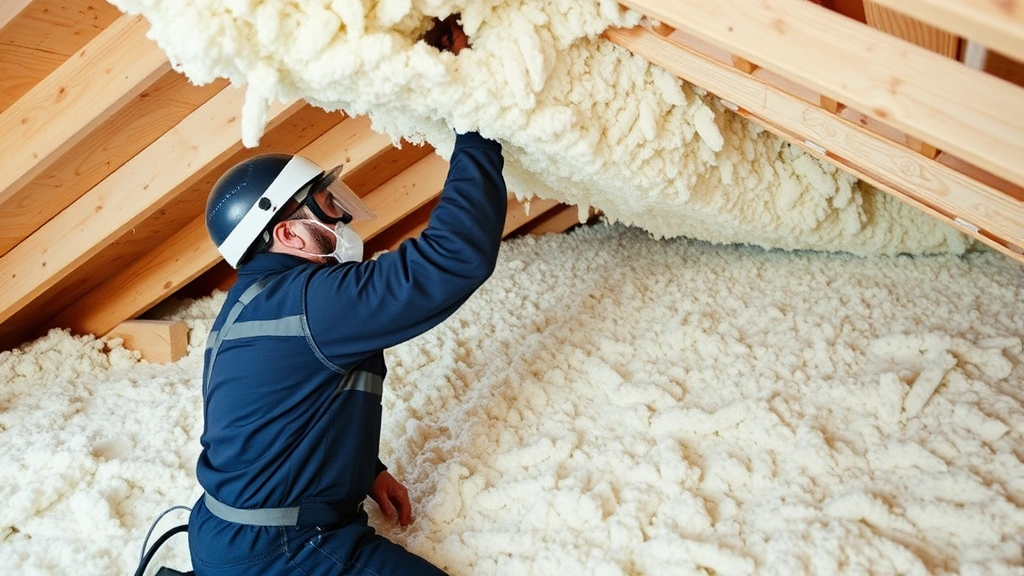
Top Attic Insulation Companies: Local Guide to Finding Quality Contractors Near You
Selecting the right attic insulation company is one of the most critical decisions homeowners make for energy efficiency and structural integrity. With energy costs rising and climate concerns mounting, proper attic insulation has become essential for maintaining comfortable indoor temperatures while reducing utility bills by up to 15-20%. However, navigating the landscape of local contractors requires understanding what separates industry leaders from mediocre service providers.
This comprehensive guide walks you through identifying top-performing attic insulation companies in your area, evaluating their credentials, understanding pricing structures, and making an informed decision that protects your investment. Whether you’re dealing with inadequate insulation in an older home or upgrading existing materials, the strategies outlined here will help you connect with qualified professionals who deliver measurable results.
How to Identify Top Attic Insulation Companies Near You
Finding reputable attic insulation contractors requires a systematic approach that goes beyond simple online searches. Start by leveraging multiple discovery channels simultaneously. Local business networking groups near you often provide referrals to trusted contractors who maintain relationships within the community. These networks serve as informal vetting mechanisms where contractors with poor track records get filtered out quickly.
Search Google Maps and industry-specific directories like the National Association of Home Builders (NAHB) to identify companies with strong geographic presence. Check the Better Business Bureau (BBB) ratings, which provide transparency into complaint history and resolution patterns. Companies with A+ ratings and few unresolved complaints demonstrate commitment to customer satisfaction and quality workmanship.
Local utility companies frequently maintain lists of approved contractors who meet energy efficiency standards. These pre-vetted professionals have already demonstrated competency to utility representatives, reducing your due diligence burden. Additionally, contact your state’s licensing board to verify that contractors maintain current licenses and haven’t faced disciplinary action.
Social proof matters significantly in this industry. Look for companies with substantial review presence across multiple platforms—Google Reviews, Yelp, Angie’s List, and HomeAdvisor. Companies appearing consistently across platforms with positive ratings have built genuine reputation rather than managed single-platform presence artificially.
Essential Credentials and Certifications to Look For
Professional certifications distinguish qualified contractors from those simply entering the market. The most significant credential is EPA RRP (Renovation, Repair, and Painting) certification, which demonstrates proper handling of potential lead-based paint hazards in older homes. This certification is legally required for contractors working on pre-1978 properties.
Look for contractors certified by the North American Insulation Manufacturers Association (NAIMA) or holding credentials from Owens Corning, Johns Manville, or other major manufacturers. These certifications require ongoing education and adherence to installation standards. Contractors displaying manufacturer certification badges prove they’ve completed specialized training on specific product installation techniques.
Energy auditor certifications indicate deeper expertise. Professionals holding BPI (Building Performance Institute) certification or RESNET credentials understand how attic insulation integrates with overall home energy systems. They can identify air sealing opportunities and recommend complementary improvements that maximize your investment’s return.
Insurance credentials are non-negotiable. Verify that contractors carry general liability insurance (minimum $1 million) and workers’ compensation coverage. Request certificates of insurance directly from their insurance provider rather than accepting company-provided documents. This protects you from liability if workers suffer injuries or property damage occurs during installation.
Additionally, inquire about workmanship warranties and manufacturer guarantees. Reputable companies back their work with 5-10 year warranties, demonstrating confidence in their installation quality. These warranties protect you financially if insulation settles prematurely or performance degrades unexpectedly.
Evaluating Local Contractor Reviews and References
Online reviews provide valuable insights but require critical interpretation. Focus on detailed reviews that describe specific experiences—installation timeline, worker professionalism, cleanup quality, and follow-up service. Generic five-star reviews without explanation offer limited value. Instead, prioritize reviews mentioning concrete details about the project scope and outcomes.
Calculate weighted review averages rather than relying on simple star ratings. A contractor with 47 reviews averaging 4.7 stars demonstrates consistency, while one with five five-star reviews may lack sufficient track record. Examine one-star and two-star reviews carefully to understand common complaints. If multiple reviewers mention poor communication or incomplete cleanup, those patterns likely represent systemic issues rather than isolated incidents.
Request specific references from contractors—ideally three to five homeowners who had similar projects completed within the past 12-24 months. Call these references directly and ask about their actual experience. Questions should cover: Was the timeline met? Did costs align with initial estimates? Were workers respectful of the home? Would you hire them again?
Ask contractors for before-and-after photos from recent projects. Quality companies maintain extensive photo documentation showing insulation installation, air sealing work, and finished attics. Photos reveal attention to detail, proper protective measures for existing belongings, and comprehensive coverage of insulated areas.
Check if contractors have case studies or testimonial videos on their websites. These long-form reviews provide deeper context than brief online ratings. Companies investing in professional testimonial content demonstrate commitment to transparency and customer satisfaction.
Understanding Insulation Types and R-Values
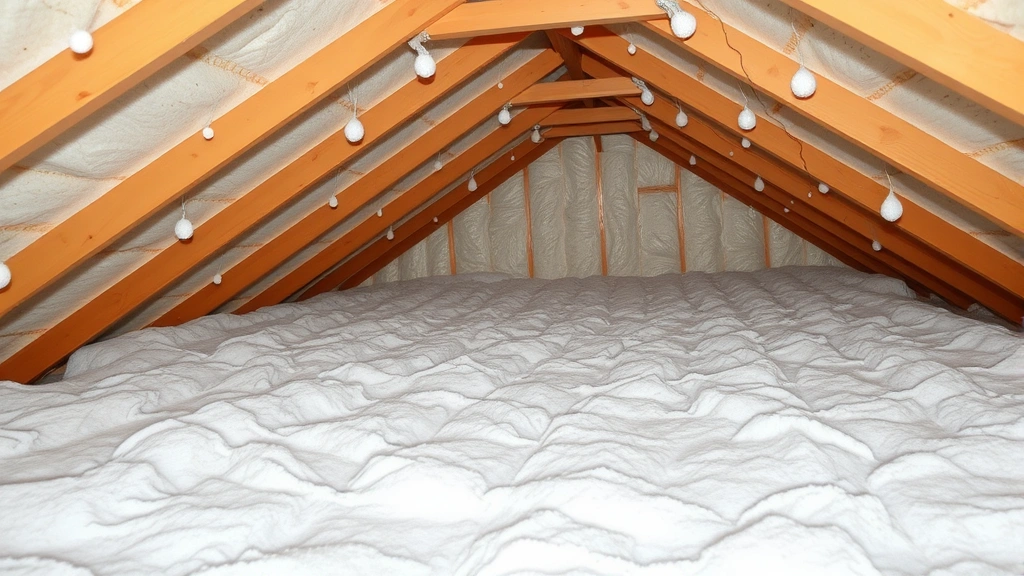
Effective attic insulation decisions require understanding material options and regional requirements. Fiberglass batts remain the most common choice due to affordability and ease of installation, offering R-3.2 to R-3.8 per inch of thickness. Blown-in cellulose provides R-3.6 per inch and suits irregular spaces better, though it requires professional equipment and expertise. Spray foam delivers superior air-sealing properties and reaches R-6 to R-7 per inch but commands premium pricing.
Your region’s climate zone determines appropriate R-value targets. The Department of Energy publishes zone-specific recommendations ranging from R-30 in mild climates to R-60 in extreme cold regions. Most northern U.S. locations require R-38 to R-60, while southern areas typically need R-30 to R-38. Contractors unfamiliar with local climate-specific requirements may under-insulate your attic, leaving money on the table in energy savings.
Modern business management software enables contractors to calculate precise insulation needs using thermal imaging and blower door tests. Companies utilizing these technologies demonstrate commitment to data-driven recommendations rather than guesswork. Ask contractors whether they conduct pre-installation energy audits to justify their R-value recommendations.
Moisture management represents a critical consideration often overlooked by inexperienced contractors. Improper ventilation or vapor barrier placement can trap moisture, promoting mold growth and structural decay. Top contractors understand building science principles and design insulation strategies that maintain proper moisture balance.
Pricing Strategies and Cost Comparison Methods
Attic insulation pricing typically ranges from $1.50 to $3.50 per square foot for blown-in materials and $2.00 to $4.00 per square foot for spray foam. However, accurate pricing requires site-specific evaluation. Contractors should visit your home, measure attic dimensions, assess existing insulation conditions, and identify air sealing opportunities before providing estimates.
Obtain detailed written estimates from at least three qualified contractors. Compare line-item breakdowns rather than bottom-line totals. Estimates should specify: insulation material type, R-value, coverage area in square feet, air sealing scope, ventilation modifications, and warranty terms. Significantly lower quotes often indicate reduced scope, inferior materials, or inadequate labor—red flags suggesting potential quality issues.
Understanding business pricing strategies helps you evaluate whether contractors are pricing competitively or exploiting information asymmetries. Reputable companies price based on material costs, labor requirements, equipment rental, and overhead—transparent factors homeowners can verify independently. Contractors unable to justify their pricing structure likely lack confidence in their value proposition.
Factor long-term energy savings into cost analysis. A $3,000 attic insulation investment generating $400 annual energy savings delivers 7.5% annual return—comparable to conservative investment returns. Calculate payback periods by dividing total project cost by annual savings. Projects with payback periods under 10 years represent sound financial decisions beyond simple energy efficiency.
Ask contractors about financing options. Many offer payment plans, credit programs, or connections to third-party lenders. Some states and municipalities provide rebates or tax credits for energy efficiency improvements. Contractors familiar with local incentive programs can help you access these funds, effectively reducing your net project cost.
Questions to Ask Before Hiring
Prepare a comprehensive question list before contractor consultations. Effective questions reveal contractor competency and commitment to quality:
- How many attic insulation projects have you completed in the past year? High-volume contractors develop efficiency and expertise that benefit your project.
- What is your process for protecting existing belongings and attic contents? Professional contractors implement protective measures preventing dust contamination and damage.
- Do you conduct air sealing assessments? Comprehensive contractors identify and seal air leaks, maximizing insulation effectiveness.
- What ventilation modifications do you recommend? Contractors understanding building science address ventilation requirements for moisture management.
- Can you provide references from projects completed in my neighborhood? Local references demonstrate experience with similar home types and climates.
- What warranties do you provide on materials and workmanship? Strong warranties indicate confidence in installation quality and material durability.
- How do you handle unexpected conditions discovered during installation? Transparent contractors communicate promptly and explain additional costs clearly.
- What is your timeline for project completion? Realistic timelines reflect experience and proper project planning.
- Do you carry workers’ compensation and liability insurance? Insurance verification protects you from financial responsibility for worker injuries.
- What permits or inspections does your project require? Contractors familiar with local building codes ensure compliance and avoid future issues.
Top-tier contractors welcome detailed questioning, recognizing it demonstrates homeowner engagement and informed decision-making. Contractors providing vague answers or appearing defensive about credentials warrant skepticism.
Consider how contractors’ leadership approaches and communication styles align with your preferences. Do they explain technical concepts clearly? Do they respect your timeline and budget constraints? Professional demeanor throughout the sales process typically correlates with quality execution.
Evaluate whether contractors understand business risk management principles. Top companies maintain comprehensive safety protocols, protect against weather-related project delays, and maintain contingency plans for supply chain disruptions. These practices ensure projects stay on schedule and within budget despite unforeseen challenges.
For homeowners searching for contractors in specific regions, local Illinois company searches and similar geographic databases help identify established businesses with community roots and proven track records.

FAQ
How much does attic insulation installation typically cost?
Costs range from $1.50 to $4.00+ per square foot depending on material type, existing conditions, and regional labor rates. A typical 1,000 square foot attic project costs $1,500 to $4,000. Obtain multiple quotes for accurate pricing based on your specific situation.
What R-value do I need for my attic?
Department of Energy recommendations vary by climate zone, typically ranging from R-30 to R-60. Contractors should assess your specific home, climate, and existing insulation before recommending R-values. Professional energy audits provide data-driven recommendations.
How long does attic insulation installation take?
Most projects complete within 1-3 days depending on attic size, existing conditions, and scope of air sealing work. Contractors should provide realistic timelines during initial estimates. Weather and unexpected structural issues may extend timelines.
Can I install attic insulation myself?
DIY installation is possible for straightforward blown-in applications but risks improper coverage, inadequate safety precautions, and missed air sealing opportunities. Professional installation ensures optimal performance and warranty coverage. Equipment rental and material costs often approach professional pricing.
What’s the difference between blown-in and batt insulation?
Batts are pre-cut fiberglass panels suited for regular joist spacing, while blown-in materials fill irregular spaces and voids more completely. Blown-in options typically provide better coverage and air sealing. Contractors should recommend the best option for your attic configuration.
How do I know if my attic insulation is adequate?
Inadequate insulation causes uneven temperature distribution, drafts, ice dams in winter, and higher energy bills. Professional energy audits using thermal imaging reveal insulation gaps and air leaks. Most homes built before 2000 benefit from additional insulation.
Should I seal air leaks before adding insulation?
Yes, air sealing should precede or accompany insulation installation. Air leaks reduce insulation effectiveness and promote moisture problems. Comprehensive contractors address both air sealing and insulation as integrated systems.
What permits do attic insulation projects require?
Permit requirements vary by jurisdiction but often include building permits for ventilation modifications or structural work. Contractors familiar with local codes handle permits as part of their service. Confirm permit responsibility before hiring.