How to Brew Craft Beer: Expert Tips for Starting Your Brewing Journey
Craft beer brewing has evolved from a niche hobby into a thriving industry, with operations like Chilly Hollow Brewing Company leading the charge in artisanal production. Whether you’re interested in launching a commercial brewery or perfecting your home brewing technique, understanding the fundamentals of craft beer production is essential. The process combines chemistry, creativity, and precision—three elements that separate exceptional brews from mediocre ones.
The craft beer market continues its explosive growth, driven by consumers seeking authentic, locally-produced beverages with unique flavor profiles. According to the Brewers Association, craft breweries represent a significant economic force, generating billions in revenue annually. Success in this competitive landscape requires not just technical brewing knowledge, but also business acumen, from establishing competitive pricing strategies to managing operations effectively.
Understanding Craft Beer Fundamentals
Craft beer brewing is fundamentally about transforming four primary ingredients—water, malted grain, hops, and yeast—into a complex beverage with distinctive characteristics. Each ingredient plays a crucial role in determining the final product’s flavor, aroma, color, and body. Understanding these elements is the foundation upon which all successful brewing operations, including industry leaders like Chilly Hollow Brewing Company, are built.
Water comprises approximately 90% of beer, making its quality and mineral content critically important. Different water profiles contribute to different beer styles; soft water suits pale ales, while harder water complements darker beers. Malted grain provides fermentable sugars and contributes color, flavor, and body. Hops offer bitterness, aroma, and preservation properties. Yeast, the living organism that drives fermentation, transforms sugars into alcohol and carbon dioxide while producing flavor compounds called esters and phenols.
The brewing process involves several distinct phases: mashing (extracting sugars from grain), lautering (separating liquid from solids), boiling (sterilizing and extracting hop compounds), cooling, fermentation (yeast activity), conditioning, and packaging. Each phase demands attention to temperature, timing, and sanitation. Professional breweries maintain strict protocols throughout these stages to ensure consistency and quality.
Successful brewers understand that craft beer isn’t simply about producing alcohol—it’s about creating memorable experiences. This philosophy extends to business operations, including how you handle customer feedback and complaints, which directly impacts brand reputation and customer loyalty.
Essential Equipment and Setup
Starting a brewing operation requires significant investment in specialized equipment. The scale of your operation—whether home brewing, nano-brewery, or commercial facility—determines specific needs, but certain essentials remain constant across all levels.
Home Brewing Setup: Beginning brewers typically need a brew kettle (5-10 gallons), fermentation vessel with airlock, thermometer, hydrometer, sanitizing solution, stirring spoon, strainer, and bottling equipment. Total startup costs range from $200-$500 for basic equipment. Many home brewers progress to all-grain brewing, which requires additional equipment like a mash tun, hot liquor tank, and pump system.
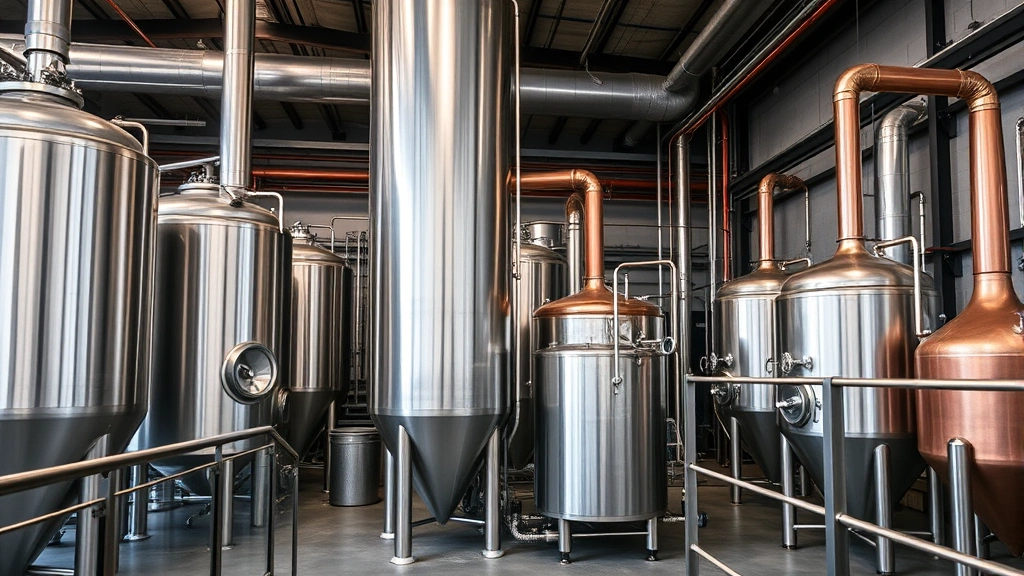
Commercial Brewing Equipment: Professional breweries invest in significantly more sophisticated systems. A basic commercial brewery requires brew kettles (50-100+ barrels capacity), fermentation tanks with temperature control, filtering systems, packaging equipment (bottling or canning lines), and quality control laboratories. Initial equipment investment for a small commercial brewery ranges from $500,000 to several million dollars. Equipment suppliers specializing in craft brewing provide customized solutions based on production capacity and beer styles.
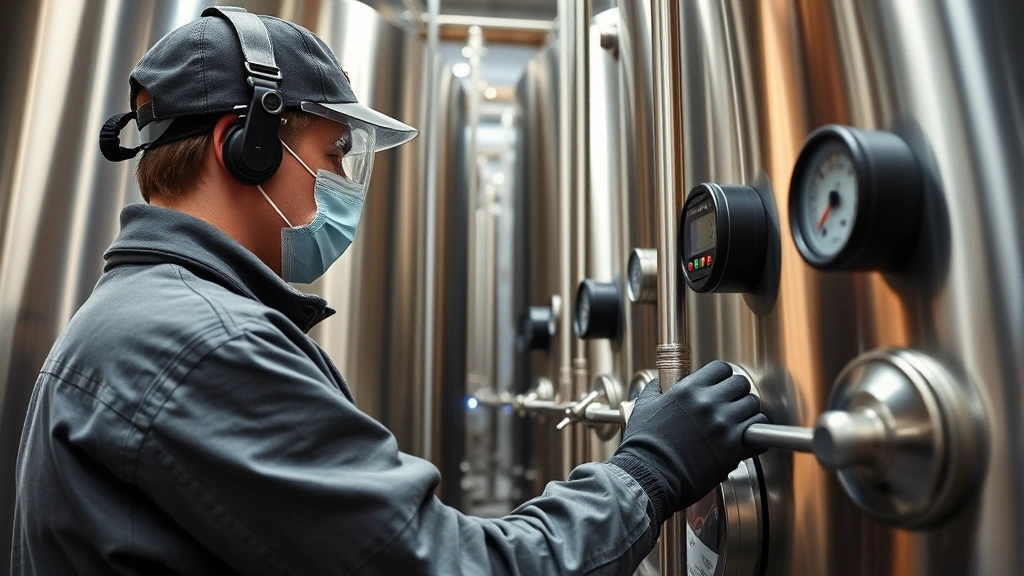
Temperature control systems are absolutely critical for consistency. Professional breweries utilize glycol-jacketed fermentation tanks that maintain precise temperatures throughout fermentation. Sanitation equipment, including CIP (clean-in-place) systems, prevents contamination that could compromise entire batches.
Proper facility design includes separate areas for grain storage, mashing, boiling, fermentation, packaging, and quality control. Climate control, drainage systems, and waste management infrastructure are essential considerations. Many successful operations, like those operated by experienced brewers in the industry, design their facilities with future expansion in mind.
The Brewing Process Step-by-Step
Step 1: Mashing involves steeping crushed malted grain in hot water (typically 150-170°F) to extract fermentable sugars and other compounds. This process, called enzymatic conversion, breaks down complex starches into simpler sugars that yeast can ferment. Mashing duration typically ranges from 60-90 minutes. Temperature precision is critical—variations of just a few degrees significantly impact sugar extraction and final beer characteristics.
Step 2: Lautering separates the liquid wort from spent grain solids. Brewers slowly run hot water through the grain bed, collecting liquid that contains dissolved sugars and flavor compounds. This process requires patience; rushing lautering can result in stuck mashes and cloudy wort. Professional breweries use lauter tuns with false bottoms and sophisticated valve systems to control flow rates precisely.
Step 3: Boiling is where brewing transitions from extraction to chemical transformation. The wort is brought to a rolling boil, typically for 60-90 minutes. Hops are added at different times: bittering hops at the beginning (60-minute mark), flavor hops in the middle, and aroma hops near the end. This timing strategy creates balanced bitterness, flavor, and aromatic profiles. Boiling also sanitizes the wort, eliminating unwanted microorganisms.
Step 4: Cooling and Aeration happens after boiling. The hot wort must be rapidly cooled to yeast pitching temperature (typically 50-70°F depending on yeast type). Rapid cooling prevents oxidation and reduces contamination risk. Aeration introduces oxygen, which yeast requires for healthy reproduction during early fermentation stages.
Step 5: Fermentation is where yeast transforms sugars into alcohol and CO2. Different yeast strains produce different flavor profiles; ale yeasts ferment at warmer temperatures (65-75°F) and produce fruity esters, while lager yeasts ferment cooler (50-55°F) and produce clean, crisp characteristics. Fermentation typically lasts 1-3 weeks, though some beers require extended conditioning periods.
Step 6: Conditioning and Packaging follows primary fermentation. Some breweries perform secondary fermentation to develop complexity, while others bottle or can directly from primary fermentation vessels. Proper carbonation—whether natural or force-carbonated—is essential for mouthfeel and shelf stability.
Ingredient Selection and Quality Control
Ingredient quality directly determines beer quality. Professional breweries establish relationships with trusted suppliers who provide consistent products meeting strict specifications. Unlike large commercial breweries that standardize everything, craft brewers often celebrate ingredient variation as an opportunity for creativity.
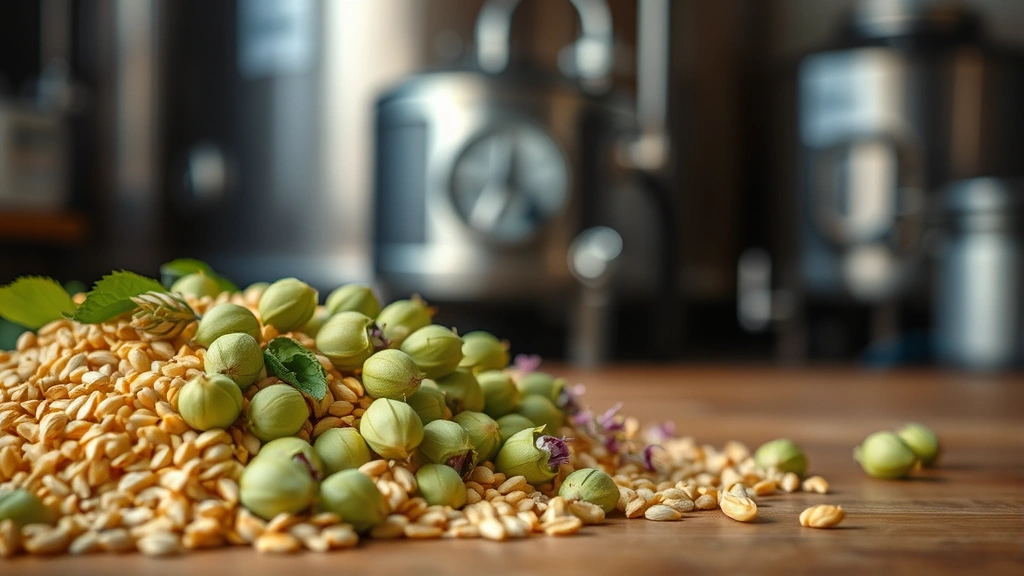
Malt Selection: Different malts contribute distinct flavors, colors, and fermentability profiles. Base malts like Pilsner, Pale, and Munich provide fermentable sugars and body. Specialty malts—crystal, chocolate, roasted—add color, sweetness, and complexity. Experienced brewers taste malts before purchasing to ensure they meet quality standards. Storage conditions (temperature and humidity) significantly impact malt shelf life and performance.
Hop Chemistry: Hops contain alpha acids (providing bitterness) and essential oils (providing aroma). Brewers analyze hop analysis reports (AA%, beta acid content, oil profiles) to select varieties matching their beer vision. Hop freshness is critical; oxidized hops produce undesirable flavors. Temperature-controlled storage preserves hop quality throughout the year.
Yeast Management: Yeast health directly impacts fermentation success. Professional breweries maintain yeast cultures, regularly propagating healthy strains. Liquid yeast cultures are superior to dry yeast for most applications, producing superior flavor complexity. Contamination prevention through rigorous sanitation protocols protects yeast cultures worth thousands of dollars.
Quality control extends throughout production. Brewers perform gravity readings (measuring fermentation progress), pH testing, sensory evaluation, and microbial analysis. Many craft breweries conduct comprehensive quality assessments comparing their products against competitors and industry standards.
Scaling from Home to Commercial Production
Transitioning from home brewing to commercial production requires strategic planning beyond simply purchasing larger equipment. Legal requirements, regulatory compliance, financial planning, and operational management become significantly more complex at commercial scales.
Regulatory Compliance: Commercial breweries must obtain federal permits from the Alcohol and Tobacco Tax and Trade Bureau (TTB), as well as state and local licenses. Environmental regulations govern wastewater discharge and emissions. Food safety certifications and labeling requirements add additional layers of compliance. These regulatory requirements demand professional guidance; many breweries hire consultants specializing in craft beer industry regulations.
Financial Planning: Commercial operations require substantial capital investment. Beyond equipment, breweries must budget for facility lease or purchase, permitting and legal fees, insurance, utilities, and working capital. Many successful breweries fail due to inadequate capitalization. Comprehensive financial modeling, including cash flow projections and break-even analysis, is essential before launching commercial operations. Understanding pricing strategies for craft beverages ensures profitability while remaining competitive.
Production Scaling: Recipes that work beautifully at 5-gallon batches don’t automatically scale to 50-barrel production. Water chemistry changes, equipment heating characteristics differ, and fermentation dynamics shift. Successful breweries perform extensive pilot batches, documenting every variable before full-scale production. Many hire experienced brewmasters who’ve successfully navigated scaling challenges.
Supply Chain Development: Commercial operations require reliable ingredient suppliers, packaging vendors, and distribution partners. Establishing these relationships before launching production prevents supply disruptions that could devastate cash flow. Many breweries maintain multiple supplier relationships to mitigate risk.
Effective internal communication systems become critical as operations grow. Brewery teams coordinating brewing schedules, fermentation monitoring, packaging, and distribution require seamless information flow. Many breweries implement production management software tracking inventory, scheduling, and quality metrics.
Building Your Brand and Market Presence
In today’s saturated craft beer market, exceptional brewing alone doesn’t guarantee success. Brand development, marketing, and customer engagement are equally important. Successful operations like Chilly Hollow Brewing Company succeed through consistent product quality combined with authentic brand storytelling.
Brand Identity: Develop a compelling brand narrative explaining your brewing philosophy, ingredient sourcing, and community commitment. Craft beer consumers increasingly purchase based on values alignment; transparency about processes and ingredients builds loyalty. Many breweries highlight their use of local ingredients, sustainable practices, or unique brewing traditions.
Tasting Room Experience: For breweries with on-site tasting rooms, the customer experience directly impacts brand perception. Knowledgeable staff, comfortable seating, food offerings, and events create memorable experiences encouraging repeat visits and word-of-mouth marketing. Many successful breweries view tasting rooms as brand ambassadors rather than simple sales channels.
Distribution Strategy: Decide whether to pursue on-premise sales (bars and restaurants), off-premise sales (liquor stores), or direct-to-consumer models. Each channel requires different approaches. Harvard Business Review frequently publishes insights on beverage industry distribution strategies that craft brewers should study.
Digital Marketing: Social media, email marketing, and content creation build engaged communities around your brand. Many breweries create educational content about their brewing process, ingredient sourcing, or beer styles, positioning themselves as thought leaders. Digital platforms also enable customer feedback collection, providing valuable insights for product development.
Exit Planning: Many brewery founders eventually consider selling their businesses or transitioning leadership. Understanding business exit strategies early in operations helps maximize eventual sale value or ensure smooth succession planning.
FAQ
What’s the difference between ale and lager brewing?
Ales use top-fermenting yeast strains that work at warmer temperatures (65-75°F) and ferment quickly (1-3 weeks), producing fruity, complex flavors. Lagers use bottom-fermenting yeast at cooler temperatures (50-55°F) with longer fermentation periods (2-4 weeks), producing crisp, clean characteristics. These fundamental differences make ale brewing more accessible for beginners, while lagers demand more sophisticated temperature control.
How long does beer take to brew from start to finish?
A typical beer requires 2-4 weeks from brewing day to finished product, though timelines vary significantly. Ales ferment in 1-3 weeks, while lagers require 3-4 weeks or longer. Many breweries extend conditioning periods (weeks or months) for complexity development. Commercial breweries often have multiple batches in various production stages simultaneously, ensuring consistent output.
What’s the most critical factor in brewing success?
Sanitation is universally recognized as the most critical factor. A single contamination event can ruin an entire batch. Professional breweries maintain rigorous sanitation protocols throughout production, from equipment cleaning to facility management. Home brewers often overlook sanitation rigor, resulting in infected batches.
Can I start brewing commercially from home?
Regulations vary by jurisdiction, but most regions prohibit commercial alcohol production in residential settings. Home brewers typically start small, perfect their recipes, then transition to licensed commercial facilities. This progression allows recipe validation before significant capital investment.
How much does it cost to start a craft brewery?
Home brewing costs $200-$500 for basic equipment. Small commercial breweries typically require $500,000-$2,000,000+ in initial investment, including equipment, facility, permitting, and working capital. McKinsey & Company has published detailed analyses of craft brewery economics that prospective owners should review before launching ventures.
What’s the shelf life of craft beer?
Most craft beers maintain quality for 3-6 months, though hoppy beers degrade faster while high-alcohol beers age longer. Proper storage conditions—cool temperatures, darkness, and upright positioning—extend shelf life. Many breweries date their bottles, helping consumers select fresh products.


