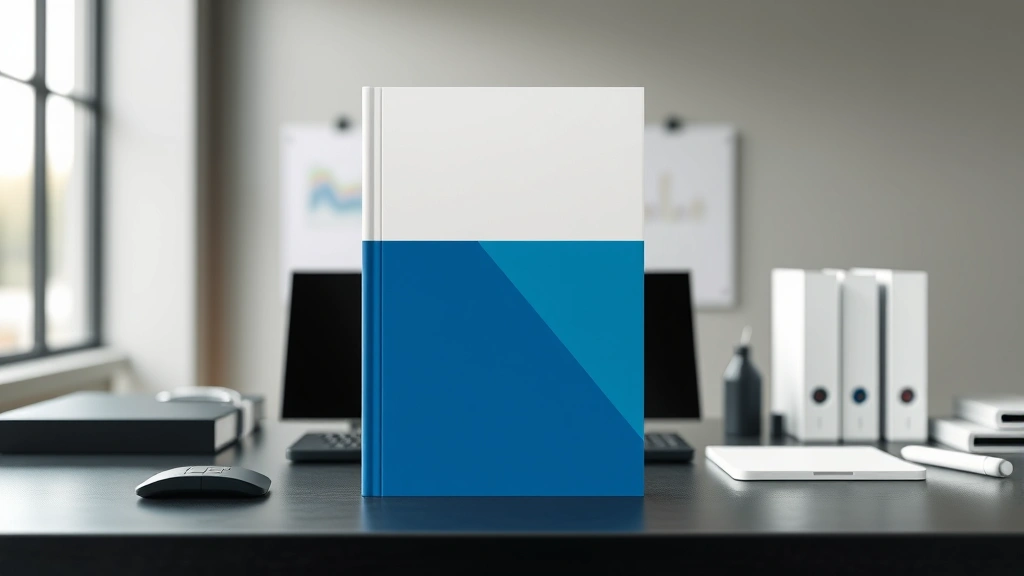
Coolest Book Covers for Tech Companies: A Design Expert Review
In today’s competitive technology landscape, book covers serve as far more than mere protective jackets—they function as powerful marketing instruments and visual representations of a company’s brand identity. For tech companies, the design of a book cover can communicate innovation, sophistication, and forward-thinking philosophy in mere seconds. Whether you’re publishing a corporate guide, thought leadership piece, or industry manifesto, the visual presentation matters enormously. Design experts consistently emphasize that the coolest book covers for tech companies blend minimalist aesthetics with bold typography, strategic color psychology, and memorable imagery that resonates with both industry professionals and general audiences.
The intersection of technology and design has never been more critical. Tech companies that invest in exceptional book cover design position themselves as serious players in their respective markets. These covers often become collector’s items, shared across social media platforms, and referenced in industry publications. Understanding what makes a book cover truly cool requires examining current design trends, psychological principles, and the specific expectations of technology-focused audiences.

Minimalist Design Principles for Tech Aesthetics
Minimalism represents the gold standard for tech company book covers in 2024. This design philosophy strips away unnecessary elements, focusing instead on essential components that communicate the core message. Harvard Business Review has extensively documented how clean design aesthetics correlate with perceived innovation and credibility in technology sectors.
The power of minimalist design lies in its restraint. Tech audiences have become increasingly sophisticated, often dismissing cluttered or overly ornate designs as dated or unsophisticated. A truly cool book cover for a tech company typically features:
- Ample white space that creates visual breathing room and draws focus to critical elements
- Limited color palettes (often 2-3 primary colors) that maintain visual coherence across digital and print formats
- Geometric shapes that suggest precision, logic, and technological advancement
- Negative space utilization that allows viewers to complete the visual narrative themselves
When developing a product roadmap, many tech leaders apply similar minimalist principles to their book cover designs. This consistency reinforces brand messaging across multiple touchpoints. Companies like Apple, Tesla, and Stripe have mastered this approach, creating covers that feel simultaneously premium and accessible.
The psychological principle behind minimalist design effectiveness relates to cognitive load. When viewers encounter a clean, uncluttered design, they process information more efficiently and form positive associations with the brand. This principle applies whether you’re designing business cards or book covers—restraint communicates confidence and sophistication.

Color Psychology and Brand Recognition
Color selection represents one of the most strategic decisions in book cover design. Tech companies typically gravitate toward specific color families based on psychological associations and industry conventions. Understanding color psychology enables designers to create emotional responses that align with brand positioning.
Blue dominates the tech industry for compelling reasons. This color psychologically suggests trust, stability, and intelligence—qualities essential for technology companies seeking to inspire confidence in potential clients and readers. Companies like IBM, Intel, and Facebook built their visual identities around blue, creating immediate brand recognition.
However, the coolest book covers often subvert expectations by introducing unexpected color combinations. Consider:
- Black and neon combinations that suggest cutting-edge technology and futuristic thinking
- Monochromatic approaches with subtle gradient variations that add sophistication
- Complementary color pairs that create visual tension and draw attention
- Metallic accents on matte backgrounds that suggest premium quality and innovation
McKinsey & Company research demonstrates that distinctive color choices increase brand recall by up to 80% compared to generic alternatives. For tech companies, this means careful color selection directly impacts book sales and brand perception.
The relationship between color and perceived value cannot be overstated. Tech companies pursuing premium positioning should employ sophisticated color strategies that distinguish their covers from competitors. Muted, refined palettes often outperform bright, saturated options in luxury tech markets.
Typography That Commands Attention
Typography serves as the voice of your book cover design. In tech contexts, font selection communicates whether your company values tradition or innovation, accessibility or exclusivity. The coolest book covers for tech companies typically employ bold, distinctive typefaces that remain legible across various sizes and formats.
Modern tech book covers often feature:
- Custom or modified sans-serif typefaces that suggest technological precision and contemporary thinking
- Geometric fonts with clean lines and mathematical proportions that appeal to engineering-minded audiences
- Mixed typography approaches combining serif and sans-serif elements for visual interest and hierarchy
- Oversized primary text that dominates the visual hierarchy and ensures readability from distance
Kerning and letter spacing deserve particular attention. Tech audiences often notice and appreciate meticulous attention to typographic details. Improper spacing or poorly chosen fonts can undermine an otherwise excellent design concept. Many design experts recommend testing typography at multiple scales—thumbnail size, shelf display, and full-page views—to ensure consistent effectiveness.
The trend toward variable fonts in contemporary design offers exciting possibilities for tech book covers. These fonts allow designers to adjust weight, width, and other properties dynamically, creating personalized visual experiences while maintaining brand consistency. This technological sophistication appeals directly to tech-savvy audiences.
Innovative Visual Elements and Imagery
Beyond typography and color, visual imagery transforms adequate covers into truly cool designs. The most effective tech book covers employ imagery that communicates abstract concepts visually—this might involve data visualizations, architectural photography, or conceptual illustrations.
Forbes Design regularly features tech book covers that utilize innovative visual approaches. Recent standouts incorporate:
- Macro and microscopic photography suggesting detail-oriented innovation
- Abstract data visualizations that represent information and complexity
- Architectural and geometric compositions reflecting technological precision
- Digital art and algorithmic imagery generated through computational design processes
- Minimalist illustrations that convey complex concepts simply
The key principle involves selecting imagery that reinforces your book’s central thesis while maintaining visual sophistication. Avoid generic stock photography—tech audiences immediately recognize and dismiss overused images. Instead, commission custom photography or illustrations that reflect your unique perspective.
Textural elements add another dimension to cover design. Matte finishes, spot UV coating, embossing, and other print techniques create tactile experiences that distinguish premium covers. When readers physically interact with your book, these design choices reinforce the quality message communicated by visual elements.
Case Studies of Exceptional Tech Book Covers
Examining real-world examples provides practical insight into what makes tech book covers genuinely cool. Several standout cases illustrate key design principles in action.
The Zero to One cover by Peter Thiel employs radical simplicity—a single diagonal line on a white background representing the journey from nothing to something. This design became iconic precisely because it communicates the book’s central concept through pure visual form. The cover works equally well as a thumbnail and full-size display, proving that minimalism doesn’t require complexity.
Books like The Lean Startup demonstrate how geometric shapes and bold typography can create memorable covers. The spiral design suggests iteration and continuous improvement—concepts central to the book’s message. This integration of visual metaphor with typographic clarity exemplifies excellent design thinking.
The cover for Thinking, Fast and Slow uses contrasting typography and strategic color blocking to create visual interest while maintaining readability. The design suggests the duality of cognitive processes through visual means, proving that sophisticated concepts can be communicated through thoughtful design.
For companies creating educational technology solutions, these examples demonstrate how visual design can reinforce core messages. The strongest covers communicate at multiple levels—instantly engaging casual browsers while rewarding closer examination with deeper meaning.
Creating Your Own Standout Design
Developing a truly cool book cover requires systematic thinking combined with creative boldness. The process should begin with strategic clarity about your book’s purpose, target audience, and competitive positioning.
Step 1: Define Your Strategic Position
Before engaging designers, articulate what makes your book unique within the tech landscape. Are you positioning as thought leadership, practical guidance, or innovative theory? Your cover design should signal this positioning immediately. Companies that clearly understand their strategic positioning create more cohesive, effective designs.
Step 2: Research Competitive Landscape
Analyze covers of competitive books and adjacent works. Identify visual patterns, color choices, and design approaches. Your goal isn’t imitation but understanding what resonates in your market. This research informs decisions about differentiation—where can you stand out while remaining credible within your industry?
Step 3: Develop a Design Brief
Provide designers with clear direction regarding brand values, target audience psychology, and key messages. The best design briefs explain why certain elements matter, not just what to include. Include specific references to covers you admire, but frame these as inspiration rather than templates.
Step 4: Prioritize Visual Hierarchy
On a book cover, every element competes for attention. Establish clear hierarchy: primary title, secondary information, author/company name, and supporting imagery. Tech audiences appreciate covers where this hierarchy feels logical and intentional rather than accidental.
Step 5: Test Across Formats
Modern book covers function across digital thumbnails, social media posts, print displays, and email campaigns. Test your design at multiple scales and in various contexts. What works beautifully at full size might become illegible as a thumbnail. Successful covers maintain effectiveness across all formats.
Many tech companies leverage collaborative design processes similar to agile development methodologies. This approach involves iterative feedback, rapid prototyping, and data-informed refinement—principles that tech audiences understand and respect.
Step 6: Invest in Quality Execution
The difference between adequate and excellent covers often comes down to execution details. Premium paper stocks, sophisticated printing techniques, and meticulous quality control elevate covers from good to exceptional. For tech companies projecting premium positioning, these investments communicate quality and attention to detail that resonate with target audiences.
Consider working with specialized book cover designers rather than general graphic designers. These professionals understand the unique requirements of print publishing, including bleed areas, spine design, and back cover integration. Their expertise prevents costly mistakes that compromise final results.
Step 7: Build Long-Term Brand Consistency
Your book cover contributes to broader brand identity. Ensure design choices align with website aesthetics, product design, and other brand touchpoints. Companies with strong brand consistency across all materials create stronger overall impressions and increased recognition.
FAQ
What makes a tech book cover “cool” versus just attractive?
Cool book covers for tech companies typically demonstrate strategic thinking, unexpected design choices, and clear communication of value propositions. They often break conventional rules while maintaining sophistication. Cool covers generate discussion, get shared on social media, and become industry reference points—they transcend mere aesthetics to become cultural artifacts.
Should tech companies always use minimalist design?
While minimalism dominates current tech aesthetics, exceptional covers sometimes succeed through other approaches. The key principle involves intentionality—every design choice should serve strategic purpose. Some tech books benefit from rich imagery, complex compositions, or bold artistic statements. Success depends on alignment with brand positioning and audience expectations rather than adherence to specific style trends.
How important is professional design versus DIY approaches?
Professional designers bring expertise in psychology, technical execution, and industry standards that significantly impact cover effectiveness. DIY approaches rarely match professional results for premium positioning. However, even professional designers benefit from clear strategic briefs and meaningful feedback from target audiences.
What role should author/company name play in cover design?
For established tech companies, brand name often becomes the primary visual element. For unknown authors, title and concept typically dominate. The balance depends on your existing brand recognition. Design hierarchy should reflect where your audience’s attention naturally flows and what information drives purchasing decisions.
How do digital and print covers differ?
Digital covers appear primarily as thumbnails on retailer websites and social media. They require extreme clarity, bold contrasts, and legibility at small sizes. Print covers can incorporate subtle details, textural elements, and complex compositions. Successful multi-format strategies often feature simplified digital versions and more elaborate print designs.
What printing techniques elevate premium tech book covers?
Premium techniques include spot UV coating that highlights specific elements, embossing that creates three-dimensional texture, metallic inks, specialty papers with unique finishes, and edge painting. These techniques communicate premium quality and justify higher price points—particularly important for tech books targeting enterprise audiences.