
Craft Beer Trends: Great Heights Brewing Company Insights
The craft beer industry has undergone a remarkable transformation over the past decade, with innovative breweries like Great Heights Brewing Company leading the charge in redefining what consumers expect from their beverages. As the market continues to evolve at breakneck speed, understanding the strategic positioning and operational excellence of industry leaders provides invaluable insights for entrepreneurs, investors, and business professionals seeking to capitalize on emerging opportunities within this dynamic sector.
Great Heights Brewing Company exemplifies how modern breweries combine traditional craftsmanship with contemporary business acumen to capture market share in an increasingly competitive landscape. By examining their approach to product innovation, market positioning, and organizational culture, we can extract meaningful lessons applicable across the broader beverage and manufacturing industries. This comprehensive analysis explores the key trends shaping craft beer today and how forward-thinking companies maintain competitive advantage.
The Evolution of Craft Beer Culture and Market Dynamics
The craft beer movement began as a counterculture rebellion against mass-produced, homogenized beverages, but it has evolved into a sophisticated, multi-billion-dollar industry. According to the Brewers Association, craft breweries now represent approximately 10% of the total U.S. beer market by volume, yet command nearly 25% by revenue. This disparity underscores a fundamental shift in consumer preferences toward premium, locally-produced, and experientially-driven products.
Today’s craft beer consumers demonstrate distinctly different purchasing behaviors compared to mainstream beer drinkers. They prioritize flavor complexity, ingredient transparency, and brand storytelling. They’re willing to pay premium prices for products that align with their values, whether those values involve environmental sustainability, community support, or artisanal production methods. This demographic shift has created unprecedented opportunities for breweries that understand and authentically communicate their value propositions.
The competitive landscape has intensified dramatically as large multinational corporations have acquired established craft breweries, attempting to capture authenticity while leveraging their distribution advantages. This consolidation has paradoxically strengthened truly independent breweries that maintain their founding principles and local market dominance. Great Heights Brewing Company has navigated these dynamics by emphasizing authentic craftsmanship and deep community integration.
Great Heights Brewing Company’s Strategic Positioning
Great Heights Brewing Company has established itself as a regional powerhouse through deliberate strategic positioning that balances growth ambitions with authenticity maintenance. Their business model demonstrates sophisticated understanding of market segmentation, customer lifetime value optimization, and brand equity development. Rather than pursuing rapid national expansion that would dilute brand identity, the company has focused on dominating their core geographic markets while selectively expanding into adjacent regions where brand recognition and distribution infrastructure align.
The brewery’s approach to business partnership agreements has been particularly strategic, establishing relationships with distributors, restaurants, and retail partners who share their quality standards and target customer demographics. These partnerships function not merely as transactional relationships but as collaborative ventures where all parties benefit from coordinated growth and mutual success.
Great Heights’ product portfolio strategy demonstrates sophisticated market segmentation. The company maintains flagship beers that serve as brand anchors, seasonal offerings that drive repeat purchases and consumer engagement, and experimental limited releases that generate buzz and attract innovation-focused consumers. This three-tiered approach maximizes market penetration across different consumer segments while maintaining operational efficiency through shared brewing infrastructure and ingredient procurement.
Understanding the company’s journey from startup to established market player requires examining their incubated company origins and how they transitioned from an entrepreneurial venture into a professionally managed operation. This evolution mirrors broader trends within the craft beverage industry where founders increasingly recognize the necessity of bringing in experienced management teams to scale operations without compromising quality or culture.
Innovation and Product Development Strategies
Innovation represents the lifeblood of craft brewery success, and Great Heights Brewing Company has institutionalized product development processes that balance experimentation with market-tested reliability. Their research and development approach leverages both consumer feedback data and brewmaster expertise, creating products that satisfy both rational consumer desires and emotional brand connections.
The company’s innovation pipeline includes several distinct initiatives. Limited release experimental beers serve as low-risk testing grounds for flavor profiles, brewing techniques, and ingredient combinations that might eventually become core products. Collaborative brews with other local businesses, craft producers, and even competing breweries generate cross-promotional opportunities while signaling confidence in product quality. Seasonal offerings capitalize on ingredient availability and consumer consumption patterns, creating natural purchase occasions and brand touchpoints throughout the year.
Great Heights has also recognized the growing consumer interest in non-alcoholic and low-alcohol beverages, positioning themselves ahead of demographic shifts toward health-conscious consumption. Their NA and session beer offerings don’t represent afterthoughts but fully-developed products with dedicated marketing support and distribution attention. This forward-thinking approach positions the company to capture growth segments that traditional breweries often dismiss.

The brewery’s innovation strategy extends beyond product formulation into packaging, branding, and consumer experience design. Distinctive label artwork, sustainable packaging materials, and interactive digital engagement platforms create multiple touchpoints where consumers interact with the brand beyond point-of-sale moments. These extended brand experiences increase customer lifetime value and generate social media content that amplifies marketing reach.
Sustainability and Consumer Values Alignment
Contemporary craft beer consumers increasingly evaluate purchasing decisions based on corporate values alignment, environmental stewardship, and social responsibility commitments. Great Heights Brewing Company has positioned sustainability not as a marketing afterthought but as a core operational principle embedded throughout their value chain.
Water management represents a critical sustainability focus for breweries, given that beer production requires substantial water volumes. Great Heights has invested in advanced water treatment and recirculation systems that reduce consumption per barrel produced, positioning the company as an environmental steward within their community. These investments signal authentic commitment rather than superficial green-washing, a distinction that increasingly sophisticated consumers readily recognize.
The company’s supply chain management reflects similar sustainability principles. Relationships with local agricultural producers reduce transportation impacts while supporting regional economic development. Ingredient sourcing prioritizes suppliers who maintain sustainable farming practices, creating value chains where environmental responsibility becomes economically embedded rather than imposed through external pressure.
Waste reduction initiatives throughout the production process generate both environmental and financial benefits. Spent grains become animal feed or biofuel feedstock rather than landfill waste. Wastewater treatment systems ensure that brewery discharge meets or exceeds regulatory standards while reducing treatment costs. These circular economy principles demonstrate how environmental responsibility and operational efficiency converge when systematically pursued.
Great Heights’ sustainability messaging resonates authentically because the company maintains transparent communication about both achievements and ongoing challenges. Rather than claiming perfection, leadership acknowledges areas where progress continues and invites consumer participation in sustainability journeys. This authenticity builds trust and differentiates the brand from competitors pursuing sustainability primarily for marketing advantage.
Building Effective Distribution Networks
Distribution represents one of the most significant operational challenges for growing breweries, requiring careful navigation of regulatory complexity, competitive dynamics, and logistical sophistication. Great Heights Brewing Company has built distribution excellence through strategic partner selection, technology investment, and relationship management that extends beyond transactional interactions.
The three-tier distribution system mandated in most U.S. states requires breweries to work through independent distributors rather than directly reaching retail customers. Great Heights has approached distributor relationships as strategic partnerships where clear performance expectations, mutual support, and aligned incentives create sustainable growth. Regular communication, training programs for distributor sales teams, and collaborative marketing initiatives ensure that distributors actively promote Great Heights products rather than treating them as commodity offerings.
Technology platforms have become increasingly important in distribution management. Great Heights utilizes inventory management systems, point-of-sale data analytics, and customer relationship platforms that provide visibility into product movement, retail performance, and emerging market opportunities. This data-driven approach enables rapid response to market signals and optimization of product allocation across distribution channels.
The brewery’s approach to retail partner selection reflects similar strategic thinking. Rather than seeking maximum shelf space through aggressive pricing, Great Heights focuses on retailers whose customer demographics align with brand positioning. Specialty beer shops, upscale restaurants, and craft-focused grocery stores become priority partners, creating concentrated brand presence in channels where target consumers actively shop.
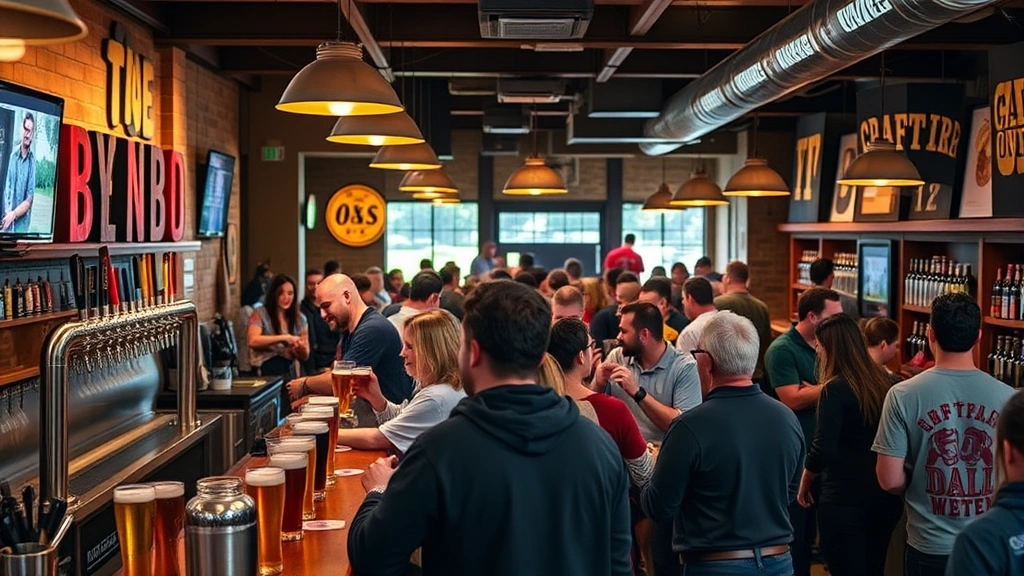
Direct-to-consumer channels have become increasingly important, with Great Heights’ taproom serving as both a revenue generator and a brand experience center. The taproom functions as a laboratory where consumers taste new products, provide feedback on experimental offerings, and develop emotional connections that transcend typical retail interactions. This experiential marketing approach generates word-of-mouth promotion and builds community loyalty that sustains long-term business resilience.
Workforce Development and Company Culture
Craft brewery success depends fundamentally on attracting and retaining talented individuals who combine technical expertise with genuine passion for the industry. Great Heights Brewing Company has recognized that employee engagement directly correlates with product quality, operational efficiency, and brand authenticity. The company’s workforce development initiatives reflect this understanding.
Brewmaster development represents a critical talent pipeline. Great Heights invests in training programs, mentorship relationships, and technical education that develop employees into master brewers capable of maintaining quality standards while innovating new products. This internal talent development creates career pathways that attract ambitious individuals seeking growth within the industry rather than temporary employment.
The brewery’s workplace culture emphasizes collaboration, quality obsession, and community integration. Regular team tastings, feedback sessions on new products, and collaborative problem-solving ensure that all employees understand how their contributions affect final product quality. This sense of shared ownership and craftsmanship pride translates into lower turnover, higher productivity, and authentic brand ambassadorship among staff members.
Compensation and benefits strategies reflect the company’s commitment to employee welfare. Great Heights offers competitive wages, comprehensive health benefits, and equity participation opportunities that align employee interests with long-term company success. These programs position the brewery among best companies to work for within their region, attracting top talent and reducing recruitment costs.
Community engagement extends beyond employee management into broader stakeholder relationships. Great Heights actively participates in local events, supports charitable causes, and engages in civic contributions that embed the brewery within community fabric. This approach generates goodwill, attracts values-aligned consumers, and builds social capital that provides resilience during challenging business periods.
Financial Management and Growth Scaling
Sustainable growth requires disciplined financial management that balances ambitious expansion with prudent risk management. Great Heights Brewing Company has navigated the financial complexities of scaling operations while maintaining quality standards and owner profitability. Their financial strategy offers instructive lessons for brewery operators and investors evaluating opportunities within the sector.
Capital allocation decisions reflect clear prioritization of revenue-generating investments and quality-enabling infrastructure. Equipment upgrades that increase production capacity receive priority over speculative expansion into unproven markets. Similarly, investments in quality control systems, product development capabilities, and distribution infrastructure receive consistent funding because they directly support competitive advantage and customer satisfaction.
The company’s approach to Indiana company formation and ongoing corporate governance demonstrates sophisticated understanding of regulatory requirements, tax optimization, and liability management. Proper corporate structure protects owner assets while enabling professional management and potential investor participation should growth capital become necessary.
Pricing strategy at Great Heights reflects value-based rather than cost-plus methodology. The company prices products based on perceived value to consumers, competitive positioning, and brand equity rather than simply adding markup to production costs. This approach enables premium pricing that reflects product quality while maintaining consumer perception of fair value. Regular pricing analysis ensures that margins remain healthy without pricing target customers out of market access.
Cash flow management receives meticulous attention, particularly during seasonal fluctuations in consumption patterns. Great Heights maintains operational reserves that enable weathering of temporary revenue disruptions while funding growth initiatives during high-demand periods. Relationships with financial institutions provide access to credit facilities that supplement internal cash flow when capital needs exceed retained earnings.
The brewery’s financial transparency with stakeholders, including employees, partners, and investors, builds trust and enables collaborative problem-solving during challenging periods. Rather than treating financial performance as proprietary information, leadership shares relevant metrics with key stakeholders, creating shared understanding of business health and collective commitment to performance improvement.
Understanding how companies navigate regulated investment frameworks becomes increasingly important as breweries attract external capital from venture investors and private equity partners. Great Heights’ approach to investor relations balances growth ambitions with founder control and operational independence, ensuring that external capital enhances rather than constrains strategic autonomy.
FAQ
What distinguishes craft beer from mainstream beer production?
Craft breweries emphasize small-batch production, ingredient quality, flavor innovation, and often maintain independent ownership. Mainstream breweries prioritize volume production, consistency across markets, and cost efficiency. Great Heights Brewing Company exemplifies craft brewery values through limited production runs, experimental offerings, and deep community integration that distinguish their products from mass-market alternatives.
How do breweries like Great Heights manage rapid growth without compromising quality?
Quality maintenance during growth requires systematic attention to recipe consistency, equipment calibration, staff training, and quality control processes. Great Heights implements documented brewing procedures, regular sensory evaluation, and ongoing staff development that ensure products meet quality standards regardless of production volume. Selective expansion into new markets prevents overstretching operational capacity.
What role does sustainability play in craft brewery competitiveness?
Sustainability increasingly influences consumer purchasing decisions, particularly among younger demographics and affluent consumers. Great Heights’ investments in water efficiency, waste reduction, and sustainable sourcing generate both environmental benefits and consumer loyalty. These initiatives also reduce operational costs through resource efficiency, creating financial justification beyond marketing value.
How important is the taproom experience for brewery success?
Taproom experiences serve multiple strategic functions: direct revenue generation, brand engagement, product testing, and customer relationship development. Great Heights’ taproom functions as a profit center while simultaneously serving as a brand experience hub that builds emotional connections transcending typical retail interactions. This venue generates disproportionate customer lifetime value through repeat visits and word-of-mouth promotion.
What financial metrics matter most for brewery investors?
Key metrics include production volume growth, revenue per barrel, gross margin percentages, cash flow generation, and customer acquisition costs. Great Heights demonstrates strong performance across these metrics through premium pricing, operational efficiency, and customer retention that reflects brand loyalty and product quality.
How do breweries navigate the three-tier distribution system effectively?
Success requires selecting distributor partners whose capabilities, market presence, and values align with brewery objectives. Great Heights approaches distributor relationships as strategic partnerships with clear performance expectations, ongoing communication, and mutual support. Data-driven optimization of product allocation and collaborative marketing ensure distributor motivation to actively promote products.


