Greenwich Brewing Co: Craft Beer Revolution?
Greenwich Brewing Company has emerged as a compelling case study in the craft beer industry’s evolution, challenging conventional distribution models and redefining what local brewery success looks like in a competitive market. As the craft beer segment continues to mature, Greenwich Brewing represents a critical intersection of traditional brewing artistry, innovative business strategy, and community-focused commerce that deserves examination.
The craft beer revolution that began in the 1980s transformed American beverage culture, yet many emerging breweries struggle to differentiate themselves in an increasingly saturated marketplace. Greenwich Brewing Company’s approach offers valuable insights into sustainable growth, brand positioning, and operational excellence that extend far beyond the brewery walls.
The Craft Beer Market Landscape
The United States craft beer industry has experienced remarkable growth over the past two decades, with the number of breweries expanding from fewer than 1,500 in 2005 to over 11,000 today. This explosive growth has created both unprecedented opportunities and significant competitive pressures for emerging players like Greenwich Brewing Company.
Market research from the Brewers Association indicates that craft beer now represents approximately 13% of the total U.S. beer market by volume, yet captures nearly 27% by value. This premium positioning demonstrates consumer willingness to pay higher prices for quality, authenticity, and local production—key advantages for regional breweries.
Greenwich Brewing operates within this favorable market dynamic, yet faces intensifying competition from both established craft breweries and large corporations acquiring smaller brands. The ability to maintain authenticity while scaling operations has become the defining challenge for contemporary craft breweries.
Greenwich Brewing’s Business Model
Greenwich Brewing Company distinguishes itself through a hybrid distribution strategy that balances direct-to-consumer sales with selective retail partnerships. Rather than pursuing aggressive expansion across multiple states, the brewery has prioritized deep market penetration within its core geographic region, building brand loyalty and operational resilience.
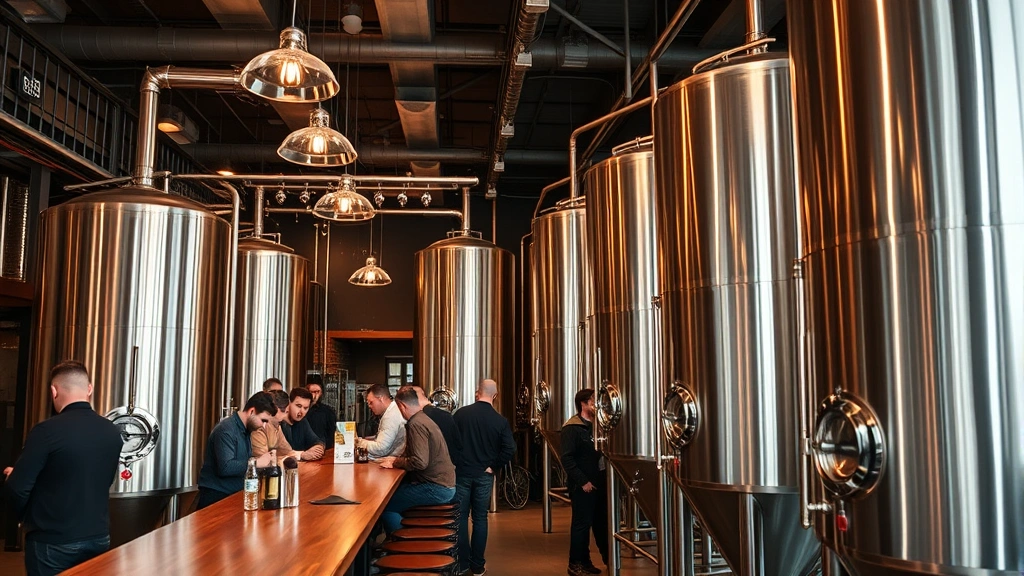
The brewery’s taproom serves as both a revenue generator and brand experience center, creating a physical space where customers develop emotional connections to the product and story. This experiential approach aligns with broader consumer trends favoring authentic, locally-rooted brands. Understanding effective business networking strategies has enabled Greenwich Brewing to cultivate relationships with local restaurants, bars, and retailers.
Revenue diversification remains critical to Greenwich Brewing’s sustainability. Beyond beer sales, the operation generates income through:
- Taproom food service and merchandise
- Private event rentals and corporate functions
- Brewery tours and educational experiences
- Seasonal limited-edition releases
- Contract brewing services for partner brands
This multi-stream approach reduces dependency on any single revenue source and creates additional touchpoints for customer engagement. The business model reflects sophisticated understanding of modern consumer behavior and market dynamics.
Product Innovation and Quality Strategy
Greenwich Brewing’s reputation rests fundamentally on product excellence and consistent quality across all offerings. The brewery maintains rigorous quality control protocols, employing trained sensory evaluation panels and laboratory testing at every production stage.
The company’s product portfolio balances core year-round beers with seasonal and experimental offerings. Core beers establish brand identity and predictable revenue, while limited releases generate excitement, encourage repeat visits, and provide testing grounds for potential permanent additions. This strategic approach maximizes both stability and innovation.
Collaboration with local ingredient suppliers—particularly regional grain farmers and hop growers—strengthens community ties while controlling supply chain quality. These partnerships also provide valuable marketing narratives that resonate with environmentally and socially conscious consumers. Business sustainability practices have become integral to Greenwich Brewing’s brand identity.
The brewery invests significantly in staff education, ensuring every team member understands brewing science, flavor profiles, and brand positioning. This investment in human capital directly translates to superior product quality and more authentic customer interactions.
Community Engagement and Local Impact
Greenwich Brewing’s success cannot be separated from its deep community integration. The brewery actively supports local nonprofits through fundraising events, sponsorships, and in-kind donations. This commitment extends beyond charitable giving to encompass genuine community partnership.
The taproom functions as a community gathering space, hosting local musicians, hosting trivia nights, and facilitating neighborhood networking. This positioning transforms the brewery from a mere product distributor into a cultural institution—a distinction with profound business implications. Research from Harvard Business Review consistently demonstrates that community-embedded businesses achieve superior customer retention and lifetime value.
Employment practices reflect genuine commitment to local workforce development. Greenwich Brewing prioritizes hiring from the local community, providing competitive wages, comprehensive benefits, and career advancement opportunities. This approach builds organizational stability while generating positive local economic impact.
Educational initiatives—including brewery tours, tasting classes, and industry mentorship—position Greenwich Brewing as a thought leader and community resource. These programs build brand authority while contributing to industry development.
Digital Marketing and Brand Building
While craft beer traditionally relied on word-of-mouth and local distribution, Greenwich Brewing has strategically embraced digital marketing to expand reach and engagement. The brewery maintains active presence across social platforms, with particular success on Instagram where visual storytelling powerfully conveys brand narrative.
The brewery’s content strategy emphasizes authenticity over polished corporate messaging. Behind-the-scenes brewing footage, staff spotlights, and customer testimonials generate genuine engagement that resonates with target audiences. Understanding how to use Instagram for business has become essential for contemporary craft beverage companies.
Email marketing drives customer retention through exclusive offers, early release notifications, and educational content about brewing techniques and flavor science. This direct communication channel builds community among loyal customers while generating repeat purchases.
The brewery’s website functions as an e-commerce platform and information hub, facilitating online merchandise sales and event reservations. Integration with advantages of cloud computing in business infrastructure ensures scalability and reliability as the operation grows.
Search engine optimization efforts target location-based and product-specific keywords, ensuring visibility when potential customers search for craft beer options. This disciplined approach to digital marketing maximizes return on marketing investment.
Operational Efficiency and Scaling
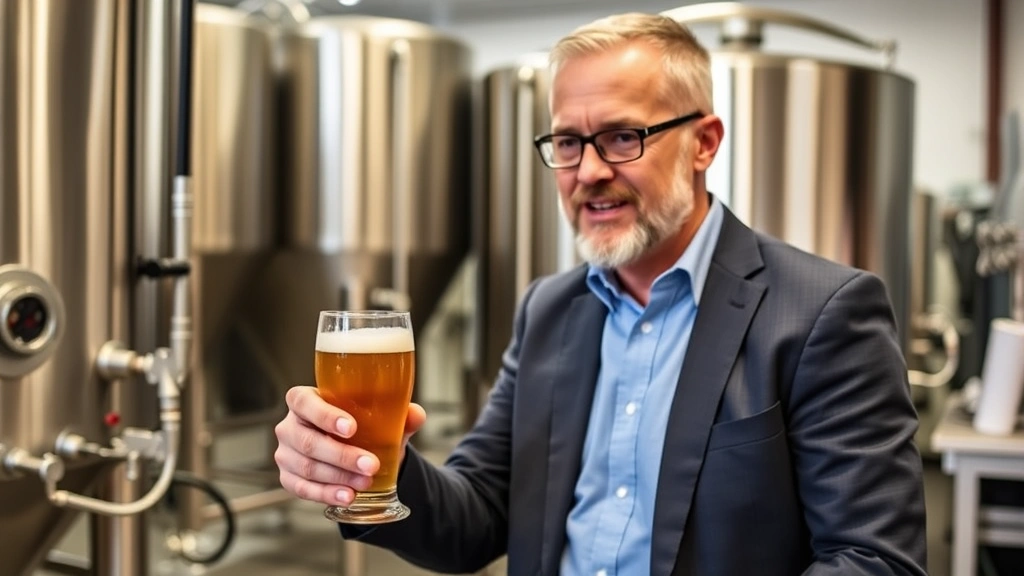
Greenwich Brewing’s operational strategy balances quality preservation with economic efficiency. The brewery invested in modern brewing equipment that combines traditional craftsmanship with contemporary production capabilities, enabling consistent output without sacrificing artisanal quality.
Production planning utilizes demand forecasting and inventory management systems that optimize resource allocation while minimizing waste. This operational sophistication reflects professional business management practices that distinguish successful breweries from hobbyist operations.
The brewery’s packaging strategy demonstrates thoughtful decision-making around market positioning. Premium glass bottles with custom labels reinforce brand positioning and support higher price points, while selected offerings in cans optimize distribution efficiency and appeal to different consumer segments.
Labor management practices optimize productivity through cross-training and role flexibility. Staff members understand multiple positions within the operation, creating scheduling flexibility and reducing dependency on any single employee. This approach mirrors best practices documented in business team building activities literature.
Technology integration extends throughout operations—from fermentation monitoring systems to customer relationship management platforms. This technological sophistication enables data-driven decision making and continuous improvement.
Sustainability Initiatives
Environmental stewardship has become central to Greenwich Brewing’s operational philosophy and brand identity. The brewery implements comprehensive sustainability practices across all operations.
Water conservation represents a critical focus area, as brewing is inherently water-intensive. Greenwich Brewing has invested in recirculation systems and wastewater treatment technologies that dramatically reduce consumption. The brewery’s commitment to business sustainability practices extends beyond regulatory compliance to embrace genuine environmental responsibility.
Waste reduction initiatives transform brewing byproducts into valuable resources. Spent grain finds second life as livestock feed and agricultural amendments. Yeast waste streams support industrial fermentation applications. These circular economy practices reduce environmental impact while generating modest additional revenue.
Energy efficiency investments—including LED lighting, optimized HVAC systems, and renewable energy exploration—align operational practices with environmental values. These investments also reduce operating costs, demonstrating that sustainability and profitability align naturally when approached strategically.
Packaging decisions reflect environmental consciousness, with the brewery increasingly utilizing recyclable and compostable materials. Encouragement of bottle returns through deposit programs incentivizes recycling participation among customers.
Supply chain sustainability extends to ingredient sourcing, with preference for suppliers demonstrating environmental and social responsibility. These partnerships strengthen community relationships while ensuring product quality and supply chain resilience.
Challenges and Market Competition
Despite considerable success, Greenwich Brewing confronts substantial industry challenges. The craft beer market’s maturation has intensified competition, with consolidation accelerating among both craft breweries and major corporations acquiring established brands.
Distribution remains perpetually challenging, particularly as breweries expand beyond core markets. Relationship management with distributors, retail partners, and restaurants demands continuous effort and strategic thinking. The brewery must balance growth ambitions with operational capacity to avoid quality degradation.
Consumer preferences continue evolving, with emerging trends in hard seltzers, cannabis-infused beverages, and non-alcoholic alternatives fragmenting the beverage market. Greenwich Brewing must remain vigilant regarding market shifts while maintaining brand authenticity.
Regulatory compliance—encompassing federal, state, and local alcohol regulations—creates ongoing complexity and cost. The brewery must navigate intricate licensing requirements, labeling regulations, and distribution restrictions that vary dramatically across jurisdictions.
Talent acquisition and retention in the craft beverage industry presents challenges, particularly for positions requiring specialized skills. Greenwich Brewing’s commitment to workforce development and competitive compensation addresses this challenge proactively.
Commodity cost volatility—particularly grain and hop prices—pressures margins and necessitates strategic pricing decisions. The brewery’s emphasis on premium positioning and direct-to-consumer sales provides pricing power that larger, commodity-focused competitors lack.
Capital requirements for equipment upgrades, facility expansion, and market development create financial constraints that limit growth velocity. Unlike venture-backed technology companies, breweries typically fund expansion through retained earnings and debt financing, necessitating careful financial management.
Strategic Recommendations for Continued Success
Greenwich Brewing’s continued evolution should emphasize several strategic priorities. Deepening community integration through expanded educational programming and nonprofit partnerships strengthens brand positioning while generating goodwill that transcends transactional relationships.
Product innovation should remain disciplined and data-informed, with experimental offerings rigorously tested before permanent introduction. This approach balances innovation with risk management.
Digital transformation—particularly e-commerce expansion, data analytics capability, and customer relationship management—enables more sophisticated decision-making and customer understanding. The brewery should prioritize understanding how to develop an elevator pitch for various stakeholder groups, enabling clearer communication of brand value and strategic direction.
Strategic partnerships with complementary brands—food producers, hospitality businesses, retail establishments—extend market reach while deepening community integration. These relationships create mutual value and strengthen competitive positioning.
Workforce development investments ensure organizational capacity to execute strategic initiatives while building institutional knowledge and cultural cohesion. Continuous training and career development opportunities reduce turnover while improving operational performance.
Financial management discipline—particularly regarding capital allocation and profitability targets—ensures sustainable growth that doesn’t compromise quality or values. Patient capital that prioritizes long-term value creation over short-term returns characterizes successful independent breweries.
FAQ
What distinguishes Greenwich Brewing from larger craft breweries?
Greenwich Brewing prioritizes deep market penetration, community integration, and quality consistency over rapid geographic expansion. This focused approach enables authentic brand building and operational excellence that larger, growth-obsessed competitors often sacrifice.
How does Greenwich Brewing ensure consistent quality across production batches?
The brewery employs rigorous quality control protocols including sensory evaluation panels, laboratory testing, and continuous monitoring throughout the brewing process. Investment in modern equipment combined with experienced brewing staff enables consistent excellence.
What is Greenwich Brewing’s approach to environmental sustainability?
The brewery implements comprehensive sustainability practices including water conservation systems, waste reduction initiatives, energy efficiency investments, and sustainable supply chain sourcing. Environmental responsibility aligns with brand values and operational efficiency.
How does Greenwich Brewing build customer loyalty in a competitive market?
The brewery creates community through its taproom experience, educational programming, limited-edition releases, and active participation in local nonprofit initiatives. These touchpoints build emotional connections that transcend typical consumer-brand relationships.
What challenges does Greenwich Brewing face in scaling operations?
Primary challenges include maintaining quality during growth, navigating complex distribution relationships, managing commodity cost volatility, and competing with well-capitalized competitors. Disciplined financial management and strategic focus address these challenges effectively.
How does digital marketing contribute to Greenwich Brewing’s business strategy?
Digital channels enable direct customer communication, brand storytelling, e-commerce sales, and market research. Instagram and email marketing particularly drive engagement with target demographics, while website optimization ensures visibility in local search results.
What role does the taproom play in Greenwich Brewing’s overall business model?
The taproom functions as revenue generator, brand experience center, community gathering space, and market research laboratory. This multifunctional approach maximizes return on investment while deepening customer relationships and brand loyalty.