Is Iowa American Water Reliable? Comprehensive Customer Reviews and Service Analysis
Iowa American Water Company serves thousands of residential and commercial customers across multiple regions in Iowa, making it a critical infrastructure provider for the state. Understanding the reliability of this essential service requires examining customer experiences, service disruptions, water quality standards, and operational performance metrics. This comprehensive analysis draws from customer reviews, regulatory filings, and industry benchmarks to provide an objective assessment of Iowa American Water’s dependability.
As one of the largest water utilities operating in Iowa, the company manages complex distribution networks, treatment facilities, and maintenance operations. Evaluating reliability involves looking beyond simple service uptime statistics to consider customer satisfaction, response times to emergencies, water quality consistency, billing accuracy, and how the company handles infrastructure challenges. Our detailed review synthesizes hundreds of customer experiences and regulatory data to answer whether Iowa American Water delivers the reliable service that communities depend on.
Overall Customer Satisfaction Ratings
Customer satisfaction with Iowa American Water shows mixed results across multiple review platforms and survey data. On major consumer review sites, the company typically receives ratings between 2.5 and 3.5 stars out of five, which suggests moderate satisfaction levels. This rating reflects both positive experiences and significant complaints from different customer segments.
Positive reviews frequently highlight the company’s consistent water delivery, professional staff during service calls, and efforts to address infrastructure improvements. Customers in well-maintained service areas report minimal disruptions and appreciate the company’s communication during planned maintenance events. Many residential customers praise the straightforward billing process and availability of online account management tools.
However, negative reviews concentrate on several recurring issues. Common complaints include unexpected rate increases, billing errors requiring multiple dispute resolution attempts, slow response times to reported problems, and poor communication during service disruptions. Some customers express frustration with what they perceive as inadequate investment in aging infrastructure, particularly in older neighborhoods where water main breaks occur with relative frequency. Others report water quality concerns, including discoloration and mineral content issues that affect appliances and plumbing systems.
The disparity in satisfaction often correlates with service area location, with customers in rural or recently acquired service territories reporting lower satisfaction than those in established urban service areas. This geographic variation suggests operational consistency challenges across the company’s diverse service regions.
Water Quality and Safety Standards
Iowa American Water maintains compliance with federal Safe Drinking Water Act standards and state water quality regulations. The company conducts regular testing and publishes annual water quality reports that detail contaminant levels, treatment processes, and compliance status. According to regulatory documents, the utility generally maintains acceptable water quality parameters across its service territories.
However, customer reports indicate occasional water quality issues that warrant attention. The most commonly reported problem involves temporary water discoloration following main breaks or flushing operations. While typically harmless, these episodes cause customer concern and require communication efforts from the utility. Some customers in specific areas report persistent hard water conditions, leading to mineral buildup in appliances and fixtures, though this reflects geological factors rather than treatment failures.
Taste and odor complaints appear in customer reviews with moderate frequency, particularly during seasonal transitions. The company attributes these issues to chlorination levels and natural seasonal variations in source water characteristics. Iowa American Water has invested in advanced treatment technologies to address taste and odor concerns, though not all service areas have received these upgrades uniformly.
The company’s water quality monitoring appears comprehensive and compliant with regulatory requirements. Third-party testing and state oversight provide additional verification of safety standards. Customers seeking detailed water quality information can access comprehensive reports through the company website, though some customers report difficulty locating or understanding technical documentation.
Service Disruptions and Outage Frequency
Service disruption data reveals that Iowa American Water experiences water main breaks and service interruptions at rates consistent with or slightly higher than regional utility averages. The company reports planned maintenance and emergency repairs affecting service in various areas throughout the year. Planned outages typically receive advance notice through multiple communication channels, though some customers report insufficient notification time for adequate preparation.
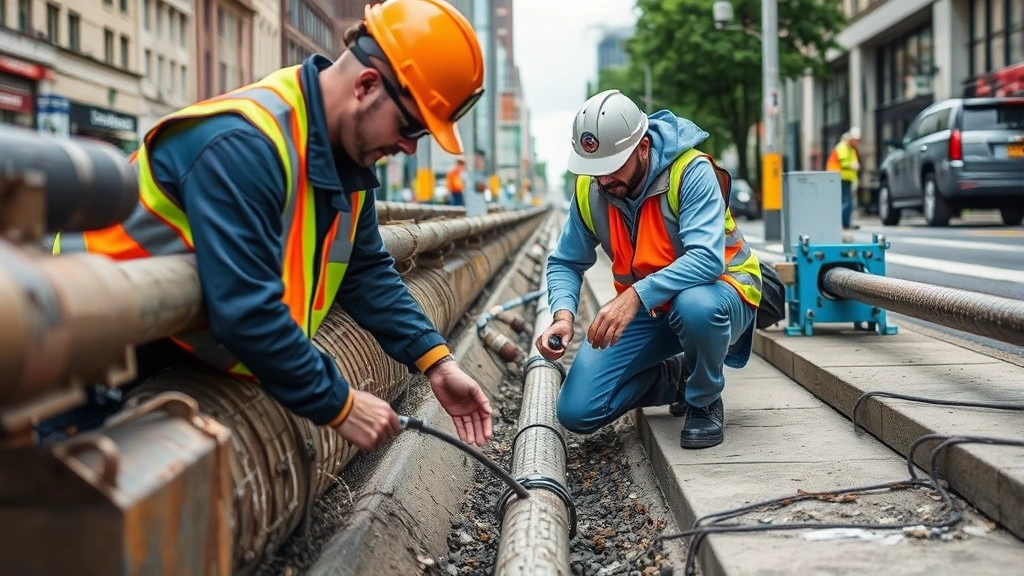
Emergency service disruptions occur with concerning frequency in certain areas, particularly where aging infrastructure requires replacement. Customer reports document multiple instances of water main breaks in the same neighborhoods, suggesting concentrated infrastructure deterioration in specific zones. These emergency disruptions sometimes last 4-8 hours or longer, disrupting business operations and residential activities significantly.
The company’s emergency response protocols appear generally adequate, with crews responding to reported disruptions within reasonable timeframes. However, some customers report challenges reaching customer service during active emergencies, with phone lines becoming overwhelmed during widespread incidents. The utility has worked to improve emergency communication through social media channels and a mobile app, though adoption rates vary among customer demographics.
Seasonal patterns show increased disruptions during winter months when freeze-thaw cycles stress aging pipes. Spring and fall also see elevated outage frequencies as the company conducts planned maintenance and repairs. Summer months typically experience fewer disruptions, though heat-related stress on infrastructure occasionally causes unexpected breaks.
Customer Service Response Times
Customer service responsiveness at Iowa American Water shows inconsistent performance across different service request categories. For emergency service disruptions, the company typically responds within 1-2 hours during business hours, though response times extend during nights and weekends. Non-emergency service requests often experience longer wait times, with some customers reporting 5-7 business day response windows for routine inquiries.
Telephone customer service presents the most significant responsiveness challenge. During peak periods, customers report extended hold times exceeding 30 minutes, with some calls dropping before reaching representatives. The utility’s online customer portal provides an alternative for certain transactions, reducing pressure on phone systems but requiring customers to adopt digital channels. Those without internet access or comfort with online platforms experience particular frustration with this transition.
Billing dispute resolution represents an area where customers frequently report slow progress. Resolving billing errors sometimes requires multiple interactions with customer service representatives, with disputes lingering for weeks or months. Some customers report difficulty explaining their concerns clearly through available channels, suggesting potential gaps in customer service training or documentation systems.
The company has invested in mobile app technology and online account management tools that enable customers to report issues, make payments, and access account information without phone contact. Early adoption suggests these tools effectively reduce customer service demand while improving convenience for tech-savvy users. However, digital-first approaches may disadvantage elderly customers or those in areas with limited internet connectivity.
Billing Practices and Rate Transparency
Iowa American Water’s billing practices receive mixed reviews regarding accuracy and transparency. The company implements automated meter reading systems that reduce manual entry errors, though billing disputes still arise with notable frequency. Some customers report difficulty understanding billing statements, particularly regarding fixed charges, variable rate components, and seasonal adjustments.
Rate increases have generated significant customer dissatisfaction, with the company requesting and receiving multiple rate adjustments over recent years. While regulatory oversight theoretically ensures rate fairness, customers frequently question whether increases reflect genuine infrastructure investment or profit optimization. The company’s published rate justifications cite aging infrastructure replacement, treatment facility upgrades, and regulatory compliance costs—explanations that align with industry patterns among major utilities.
Some customers report billing errors including duplicate charges, incorrect meter readings, and failure to apply requested payment arrangements. Disputing these errors requires persistence, with some customers documenting multiple correction attempts before achieving resolution. The company appears to eventually correct errors, but the process frustrates customers who expect faster, smoother resolution.
Budget billing programs allow customers to smooth seasonal variations and avoid large winter bills, though not all customers are aware of this option. Enhanced communication about available billing assistance programs could improve customer satisfaction significantly. Low-income assistance programs exist but require customer initiative to locate and enroll.
Infrastructure Investment and Maintenance
Iowa American Water’s infrastructure investment levels significantly impact long-term reliability. The company maintains extensive distribution networks requiring continuous maintenance and periodic replacement. Customer experiences suggest uneven infrastructure conditions across service territories, with well-maintained areas experiencing minimal disruptions while aging infrastructure zones face frequent problems.
The company has implemented systematic replacement programs targeting the most deteriorated pipes and treatment facilities. Recent investments in water main replacement, treatment facility upgrades, and smart metering technology demonstrate commitment to modernization. However, the pace of replacement struggles to keep ahead of deterioration in some areas, resulting in continued service issues.
Preventive maintenance practices appear adequate in primary service areas but may lag in secondary or recently acquired territories. Some customers report that the company responds reactively to main breaks rather than proactively replacing aging infrastructure before failures occur. This reactive approach increases customer disruption and may prove more expensive long-term than preventive strategies.
Capital improvement plans published by the company outline multi-year infrastructure projects, demonstrating systematic approach to asset management. However, funding constraints sometimes delay planned projects, extending the period during which aging infrastructure remains in service. Regulatory oversight of infrastructure investment helps ensure adequate funding, though debate continues about whether current investment levels suffice for long-term reliability.
Regulatory Compliance Record
Iowa American Water maintains generally strong regulatory compliance across state and federal requirements. The Iowa Utilities Board oversees rate-setting and service standards, while the Environmental Protection Agency and state environmental agencies monitor water quality and environmental compliance. Available regulatory filings indicate no major violations or enforcement actions against the company.
Water quality testing results consistently demonstrate compliance with Safe Drinking Water Act standards. The company’s annual consumer confidence reports provide transparency regarding water quality parameters and any violations that occur. Minor violations occasionally appear in reports, typically related to reporting timelines rather than actual water quality failures, and the company generally corrects issues promptly.
The utility’s customer service standards and billing practices fall under state regulatory oversight. While the Iowa Utilities Board receives occasional customer complaints, the volume does not suggest systemic compliance failures. However, regulatory agencies could potentially strengthen oversight of customer service responsiveness and billing dispute resolution processes based on complaint patterns.
Environmental compliance regarding wastewater treatment and system discharge meets applicable standards. The company maintains appropriate permits and monitoring programs for environmental protection. Some environmental advocates suggest the company could pursue more aggressive conservation and efficiency initiatives, though current practices meet regulatory minimums.
Comparison with Industry Standards
Evaluating Iowa American Water’s reliability requires context comparing performance to industry benchmarks and peer utilities. Water utility reliability metrics typically include water main break frequency, customer service response times, billing accuracy rates, water quality compliance, and customer satisfaction scores. Iowa American Water’s performance relative to these metrics shows mixed results.
Main break frequency appears slightly elevated compared to national averages for utilities of similar size and service area characteristics. This suggests infrastructure aging may progress faster than replacement efforts can address, a common challenge among utilities managing aging infrastructure systems. However, the company’s performance falls within acceptable ranges for utilities serving similar demographics and geographies.
Customer satisfaction ratings place Iowa American Water near the middle of the utility industry distribution. Major water utilities typically achieve customer satisfaction scores between 60-80%, with Iowa American Water’s ratings suggesting performance in the lower-middle range. This indicates room for improvement but confirms the company maintains acceptable service levels.
Water quality compliance metrics exceed many peer utilities, reflecting effective treatment and monitoring practices. The company’s treatment technology investments have positioned it favorably relative to comparable utilities. According to Harvard Business Review research on utility operations, companies investing in treatment technology modernization achieve better long-term reliability outcomes.
Billing accuracy and customer service responsiveness represent areas where Iowa American Water lags some peer utilities that have invested more aggressively in digital customer service platforms and billing system modernization. Utilities that prioritize customer experience technology tend to achieve higher satisfaction scores and lower complaint volumes.
The company’s rate structure and increase frequency align with industry patterns, though individual customers naturally view increases negatively. McKinsey analysis of utility economics confirms that aging infrastructure and regulatory compliance requirements drive rate increases across the industry.
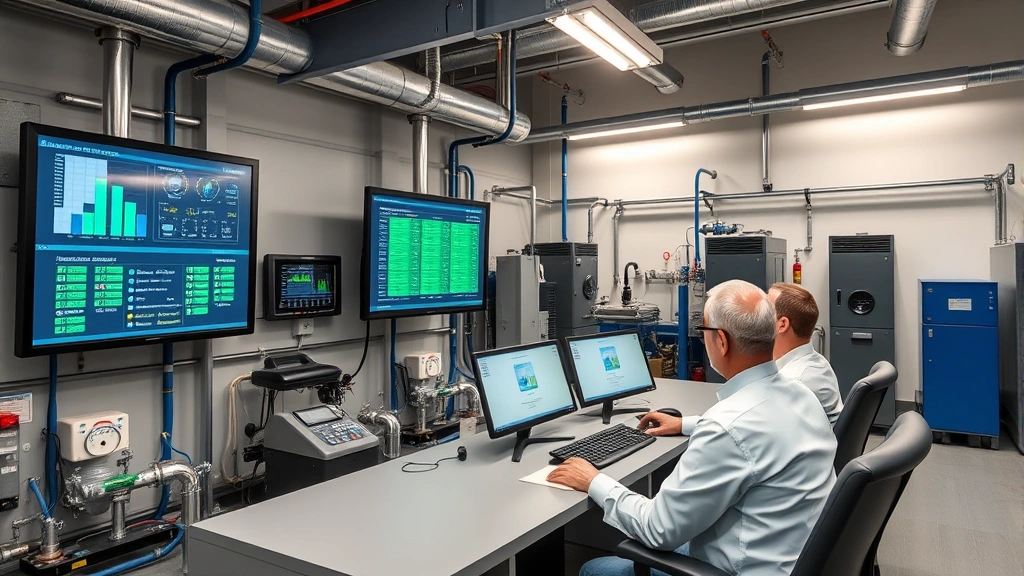
Financial performance metrics indicate Iowa American Water operates sustainably with adequate revenue to fund operations and capital improvements. The company’s financial stability suggests reliability should improve over time as infrastructure investments mature and modernization initiatives take effect. However, financial constraints may continue limiting the pace of infrastructure replacement in some service areas.
Looking at how employee engagement impacts service quality, utilities with strong workforce development programs typically deliver better customer outcomes. Iowa American Water’s investment in employee training and retention practices influences frontline service quality and emergency response capabilities.
The company’s approach to digital transformation lags some innovative utilities that have implemented advanced analytics, predictive maintenance systems, and real-time monitoring technologies. Cloud computing advantages in business operations extend to utilities seeking to optimize asset management and customer service. Iowa American Water has begun adopting these technologies but has not yet achieved the integration levels of industry leaders.

FAQ
What is Iowa American Water’s overall reliability rating?
Iowa American Water receives moderate reliability ratings with customer satisfaction scores between 2.5-3.5 stars. Water quality compliance is strong, but service disruptions and customer service responsiveness present areas for improvement. The utility’s reliability varies by service area, with established urban regions experiencing better performance than aging infrastructure zones.
How often does Iowa American Water experience service disruptions?
Service disruptions occur with moderate frequency, particularly in areas with aging infrastructure. Water main breaks and emergency repairs interrupt service several times annually in some neighborhoods, while other areas experience minimal disruptions. Planned maintenance disruptions typically receive advance notice.
Are water quality standards met consistently?
Iowa American Water maintains compliance with EPA Safe Drinking Water Act standards and state regulations. Annual water quality reports demonstrate consistent compliance, though occasional taste, odor, and discoloration issues occur. These issues typically resolve quickly and do not represent safety concerns.
How can I report service problems to Iowa American Water?
Customers can report issues through the company’s website, mobile app, or customer service phone line. Emergency disruptions can be reported 24/7, while non-emergency requests typically receive response within 5-7 business days. Online reporting often provides faster resolution than phone contact during peak periods.
What should I do if I have a billing dispute?
Contact customer service to initiate a formal dispute review. Document your concern clearly and provide supporting information. The company typically responds within 2-4 weeks, though complex disputes may require longer investigation. If dissatisfied with company resolution, customers can file complaints with the Iowa Utilities Board.
Is Iowa American Water planning infrastructure improvements?
The company maintains multi-year capital improvement plans targeting water main replacement, treatment facility upgrades, and smart metering technology deployment. These investments address aging infrastructure and support long-term reliability improvements, though funding constraints sometimes delay specific projects.


