Lancaster Brewing Company Harrisburg Pennsylvania: Local Craft Beer Guide
Lancaster Brewing Company has established itself as a cornerstone of Pennsylvania’s craft beer renaissance, bringing authentic brewing traditions and innovative flavor profiles to the Harrisburg region. With a commitment to quality ingredients and sustainable practices, this brewery represents the growing movement of local craft producers who are reshaping America’s beer landscape. Whether you’re a seasoned beer enthusiast or exploring craft beverages for the first time, understanding Lancaster Brewing’s offerings provides insight into what makes Pennsylvania’s craft beer scene distinctly competitive.
The craft beer industry has transformed dramatically over the past two decades, with small breweries becoming vital economic and cultural anchors in communities across the nation. Lancaster Brewing Company exemplifies this trend, demonstrating how strategic business positioning and community engagement create sustainable growth in a competitive market. This guide explores the brewery’s history, product portfolio, distribution strategy, and impact on the Harrisburg business ecosystem.
History and Background of Lancaster Brewing Company
Founded in 1996, Lancaster Brewing Company emerged during the early stages of the American craft beer movement, when most consumers still viewed beer as a commodity product dominated by massive industrial breweries. The brewery’s founders recognized an opportunity to create distinctive, locally-focused products that reflected Pennsylvania’s rich brewing heritage dating back centuries. This vision positioned Lancaster Brewing as a pioneer in the regional craft beer movement.
The company’s establishment in Lancaster, Pennsylvania, provided strategic advantages including access to quality water sources, proximity to agricultural suppliers, and a community with deep roots in food and beverage production. As the brewery expanded its operations and distribution network, Harrisburg emerged as a key market due to the region’s growing population, increasing craft beer consumer base, and strategic location within central Pennsylvania’s commercial corridor.
Lancaster Brewing’s growth trajectory reflects broader trends in the craft beverage industry. The brewery has invested significantly in production capacity, quality control systems, and brand development—elements essential for competing in an increasingly crowded marketplace. Their approach demonstrates how strategic marketing and visibility building contribute to craft brewery success in regional markets.
Product Portfolio and Signature Beers
Lancaster Brewing Company maintains a diverse portfolio of beer styles, ranging from traditional ales to contemporary craft interpretations. Their product strategy balances consistency with innovation, ensuring loyal customers find familiar favorites while new offerings attract adventurous consumers. This approach mirrors successful business networking strategies that maintain existing relationships while developing new connections.
The brewery’s core lineup includes several flagship beers that have become synonymous with Lancaster Brewing’s brand identity. These include their popular pale ales, IPAs, stouts, and lagers—each crafted with attention to ingredient quality and flavor balance. Beyond core offerings, Lancaster Brewing regularly releases seasonal and limited-edition beers that capitalize on ingredient availability and consumer preferences throughout the year.
Their India Pale Ale (IPA) represents a particularly strong performer in the Harrisburg market, where craft beer drinkers demonstrate sophisticated palates and willingness to explore complex hop profiles. The brewery’s commitment to using premium hops and specialty malts creates distinctive flavor characteristics that differentiate their products from mass-market alternatives. Additionally, their stout offerings appeal to consumers seeking rich, complex beverages with substantial body and depth.
Lancaster Brewing’s product development process incorporates consumer feedback, market research, and brewing innovation. This customer-centric approach ensures their portfolio remains relevant as craft beer preferences evolve. The brewery also produces contract brewing services for other local brands, diversifying revenue streams while building community partnerships.
Distribution and Market Reach in Harrisburg
The Harrisburg market represents a critical growth area for Lancaster Brewing Company, with distribution expanding significantly over the past decade. The brewery has established relationships with major retailers, restaurants, bars, and specialty beverage shops throughout the region. This multi-channel distribution strategy ensures maximum product visibility and consumer accessibility.
On-premise venues—including craft beer bars, gastropubs, and restaurants—represent essential distribution channels for Lancaster Brewing. These establishments serve as brand ambassadors, educating consumers about the brewery’s products and creating memorable tasting experiences. Harrisburg’s vibrant dining and entertainment scene provides numerous opportunities for product placement in high-traffic locations.
Off-premise retail distribution through grocery stores and specialty liquor shops extends Lancaster Brewing’s reach to home consumption occasions. The brewery’s packaging strategy, including both six-pack and single-serve formats, accommodates different consumer purchasing patterns and usage occasions. Eye-catching label design and strategic shelf placement enhance product visibility in competitive retail environments.
The brewery has also invested in direct-to-consumer sales through their facility, allowing visitors to purchase products while experiencing the brewing operation firsthand. This approach builds brand loyalty and creates opportunities for premium product offerings and merchandise sales. The brewery’s taproom serves as a critical marketing asset, generating word-of-mouth promotion and repeat visits.
Brewery Experience and Visitor Operations
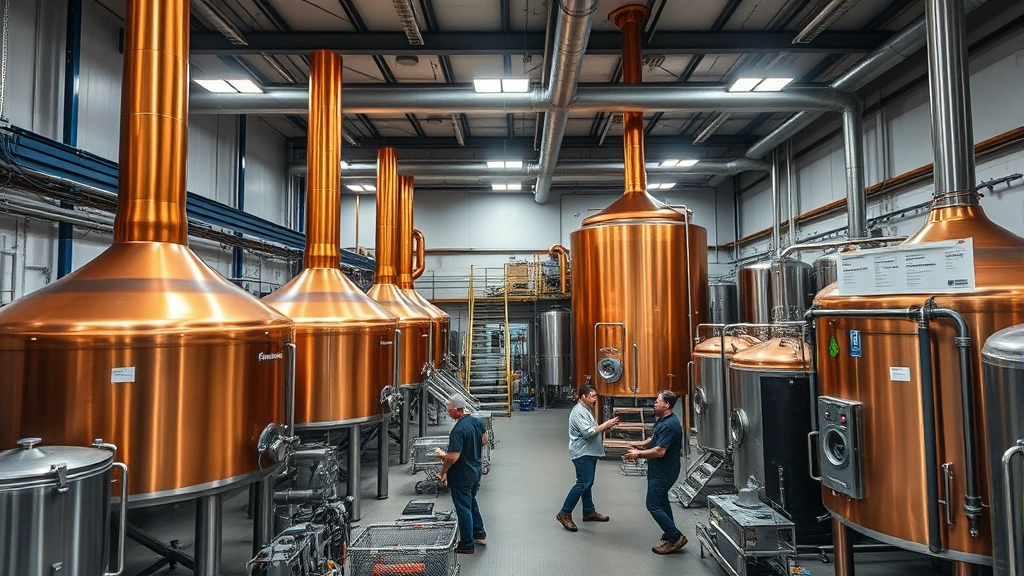
Lancaster Brewing Company’s physical location and visitor experience significantly contribute to brand building and customer engagement. The brewery facility offers tours that educate visitors about the brewing process, ingredient selection, and quality control procedures. These experiential offerings transform casual consumers into informed brand advocates who understand the craftsmanship behind each product.
The taproom environment creates a gathering space for beer enthusiasts, providing opportunities for social connection and community building. This aligns with research from Harvard Business Review demonstrating that experiential retail creates stronger customer loyalty than transactional retail models. Visitors enjoy tasting flights, learning from knowledgeable staff, and discovering new products in an authentic brewery setting.
Event hosting represents another important aspect of Lancaster Brewing’s visitor operations. The brewery regularly organizes tasting events, product launches, and community celebrations that drive foot traffic and enhance brand visibility. These events create social media content, generate press coverage, and strengthen community relationships.

The brewery’s food offerings, whether through partnerships with food trucks or in-house menu options, enhance the visitor experience and increase time spent on-site. Food and beverage pairing experiences educate consumers about flavor combinations and create premium revenue opportunities. This integrated approach to hospitality demonstrates sophisticated understanding of experiential marketing principles.
Business Model and Economic Impact
Lancaster Brewing Company operates a diversified business model that generates revenue through multiple streams: direct retail sales at the brewery, wholesale distribution to retailers and on-premise venues, contract brewing services, and merchandise sales. This diversification reduces dependency on any single revenue source and provides stability during market fluctuations.
The brewery’s economic impact extends beyond direct sales, encompassing employment creation, supplier relationships, and tax contributions to local and state governments. Craft breweries like Lancaster Brewing generate jobs across production, distribution, hospitality, and administrative functions. These positions typically offer above-average compensation and benefits, contributing to regional economic development.
Supply chain relationships with local farmers, ingredient suppliers, and service providers create multiplier effects throughout the Pennsylvania economy. When craft breweries source ingredients and services locally, they strengthen regional agricultural and manufacturing sectors. This interconnectedness creates resilient business ecosystems that benefit diverse stakeholders.
Lancaster Brewing’s growth also stimulates complementary businesses, including transportation and logistics providers, packaging companies, and hospitality services. The brewery’s success demonstrates how strategic business planning and operations management create sustainable competitive advantages in niche markets.
According to McKinsey research on craft beverage industries, breweries with strong local brand positioning achieve higher profit margins than those competing primarily on price. Lancaster Brewing’s emphasis on quality and community connection aligns with this strategic insight.
Community Engagement and Sustainability
Lancaster Brewing Company recognizes that long-term business success depends on positive community relationships and environmental stewardship. The brewery actively participates in local charitable organizations, sponsoring community events and supporting causes that align with their brand values. This community engagement builds social capital and creates positive brand associations.
Sustainability practices represent increasingly important competitive differentiators in the craft beverage industry. Breweries generate significant byproducts—including spent grain, water waste, and packaging materials—that responsible producers minimize through recycling and waste reduction initiatives. Lancaster Brewing has implemented sustainability measures that reduce environmental impact while often lowering operational costs.
Water management deserves particular attention in brewing operations, as beer production requires substantial water volumes. The brewery’s water efficiency practices, including recirculation systems and wastewater treatment, demonstrate commitment to environmental responsibility. These practices also reflect the importance of Forbes insights on sustainable business practices that balance profitability with environmental stewardship.
Employee development and workplace culture represent additional dimensions of community engagement. Breweries create apprenticeship opportunities and provide training that builds skilled workforces. Lancaster Brewing’s commitment to staff development reflects understanding that workplace diversity and inclusion strengthen organizational performance and community relationships.
The brewery’s involvement in industry associations, craft beer festivals, and educational initiatives positions Lancaster Brewing as a thought leader within Pennsylvania’s beverage industry. These activities generate brand visibility, establish credibility, and create networking opportunities that support business growth.

FAQ
What types of beer does Lancaster Brewing Company produce?
Lancaster Brewing produces a diverse portfolio including pale ales, India pale ales, stouts, lagers, and seasonal offerings. Their product range accommodates different taste preferences, from traditional beer styles to contemporary craft innovations. The brewery regularly releases limited-edition beers featuring experimental ingredients and brewing techniques.
Where can I purchase Lancaster Brewing products in Harrisburg?
Lancaster Brewing products are available through multiple channels in Harrisburg: craft beer bars and restaurants, grocery stores, specialty liquor retailers, and directly at the brewery’s taproom. Distribution continues expanding as the brewery strengthens its market presence in the region.
Does Lancaster Brewing offer facility tours?
Yes, the brewery offers educational tours that showcase the brewing process, equipment, and ingredient selection. Tours provide insights into craft beer production and create memorable experiences. Visitors should check the brewery’s website or contact them directly for current tour schedules and availability.
What makes Lancaster Brewing’s products distinctive?
Lancaster Brewing differentiates through commitment to ingredient quality, brewing expertise, and community engagement. The brewery’s products reflect Pennsylvania’s brewing heritage while incorporating contemporary craft beer trends. Their focus on flavor balance and consistency creates products that appeal to both casual consumers and beer enthusiasts.
How does Lancaster Brewing contribute to the local economy?
The brewery creates employment opportunities, sources ingredients from regional suppliers, and generates tax revenue. Lancaster Brewing’s operations stimulate complementary businesses and contribute to Harrisburg’s reputation as a vibrant craft beverage destination. Community engagement and sponsorships strengthen local relationships and cultural vitality.
What sustainability practices does Lancaster Brewing implement?
The brewery focuses on water efficiency, waste reduction, and responsible packaging practices. Spent grain byproducts are recycled, wastewater treatment minimizes environmental impact, and energy-efficient operations reduce carbon footprint. These practices demonstrate commitment to environmental stewardship and operational efficiency.


