Top Land Clearing Companies: Local Experts Reviewed
Finding the right land clearing company can make or break your property development project. Whether you’re preparing land for construction, managing forestry operations, or clearing overgrown vegetation, selecting a qualified local expert ensures efficient work, regulatory compliance, and cost-effectiveness. This comprehensive guide reviews what to look for in land clearing companies near you and how to evaluate their expertise, equipment, and track record.
Land clearing is more than just removing trees and brush. Professional companies handle site assessment, environmental compliance, debris management, and restoration—all critical components that inexperienced operators often overlook. When you partner with a reputable local firm, you gain access to specialized equipment, trained crews, and knowledge of regional regulations that protect your investment and timeline.
What Land Clearing Companies Actually Do
Professional land clearing companies provide comprehensive site preparation services that go far beyond simple tree removal. Full-service operators handle vegetation removal, grading, erosion control, debris recycling, and site restoration. Understanding their scope of work helps you identify whether a contractor matches your specific project needs.
Core services typically include:
- Tree and vegetation removal: Safe felling of hazardous trees, removal of underbrush, and clearing of overgrown areas using industry-standard techniques
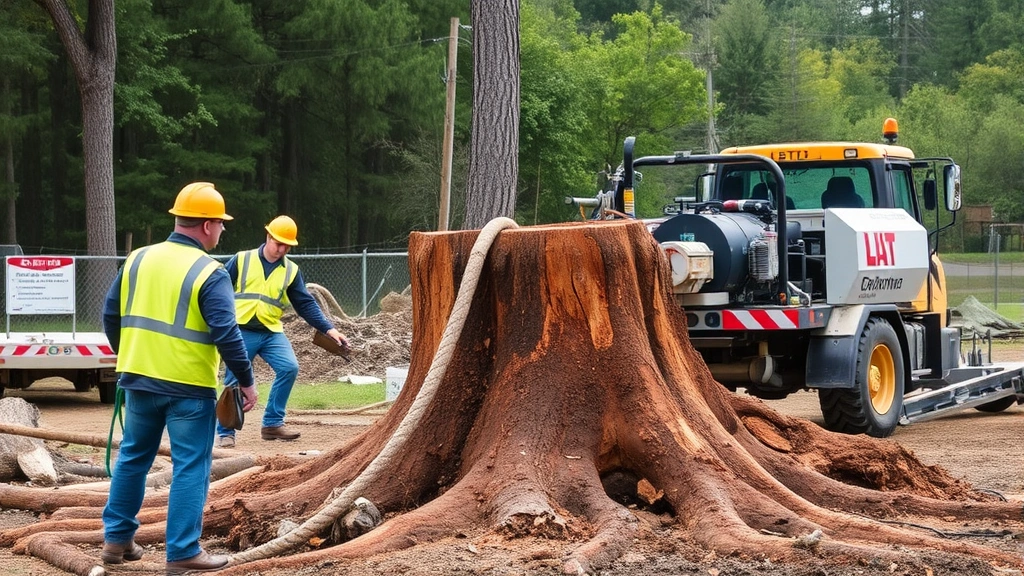
- Stump grinding and root removal: Complete extraction of root systems to prevent regrowth and future foundation issues
- Debris management: Chipping, mulching, recycling, or responsible disposal of cleared materials
- Site grading and preparation: Leveling terrain and preparing surfaces for construction or landscaping
- Erosion control: Installing silt fencing, sediment barriers, and stabilization measures required by environmental regulations
- Hazardous tree assessment: Identifying dead, diseased, or structurally compromised trees that pose safety risks
When evaluating contractors, ask specifically about their experience with your project type. A company specializing in residential lot clearing may lack expertise for large commercial development sites, while establishing clear contractual terms protects both parties throughout the project.
Key Credentials and Certifications to Verify
Legitimate land clearing companies maintain professional certifications demonstrating their commitment to industry standards and safety protocols. Before hiring, verify these critical credentials:
Essential certifications include:
- ISA Certified Arborist: International Society of Arboriculture certification confirms expertise in tree care, removal, and health assessment
- TCIA membership: Tree Care Industry Association membership indicates participation in continuing education and adherence to safety standards
- EPA and state environmental certifications: Demonstrates knowledge of environmental regulations and proper hazardous material handling
- OSHA training: Occupational Safety and Health Administration certifications ensure crews understand workplace safety requirements
- Heavy equipment operator licenses: Validates operator qualifications for bulldozers, excavators, and specialized machinery
Request documentation of these credentials before signing contracts. Reputable companies display certifications prominently and provide verification through industry databases. This due diligence protects your project from liability issues and ensures professional-grade work quality.
Additionally, understanding professional networking within the industry can connect you with vetted recommendations from other property owners and developers who’ve successfully worked with local operators.
Equipment and Technology Standards
The quality and modernity of a company’s equipment directly impacts project efficiency, safety, and final results. Professional operators maintain well-maintained machinery and invest in technology that improves precision and reduces environmental impact.
Essential equipment for comprehensive land clearing includes:
- Excavators: Various sizes for different terrain and vegetation density
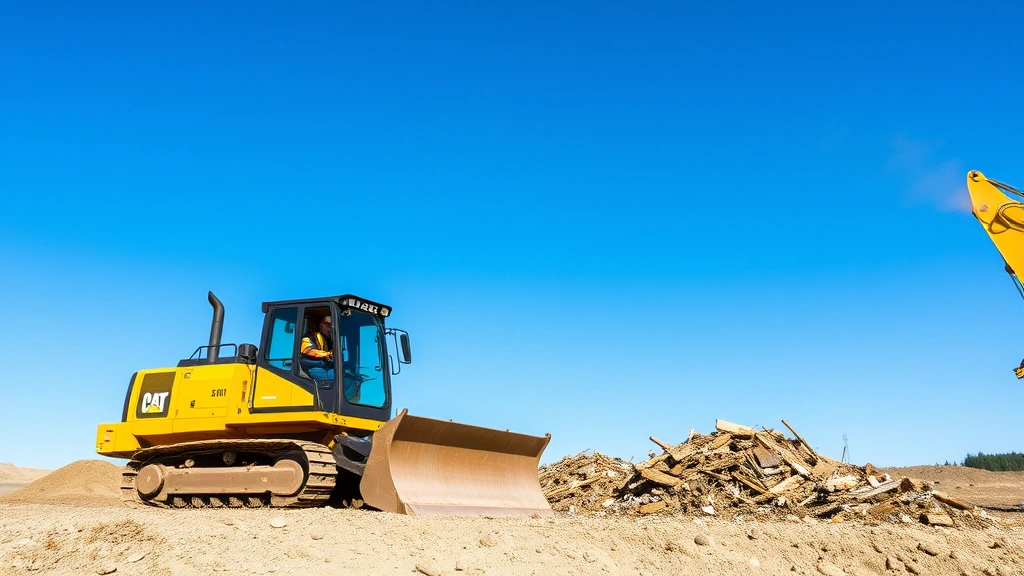
- Bulldozers and track loaders: Heavy-duty machines for grading and pushing debris
- Chippers and mulchers: Equipment for processing wood waste into usable products
- Stump grinders: Specialized machinery for complete root system removal
- GPS and surveying technology: Precision equipment ensuring accurate grading and site layout
- Environmental monitoring tools: Devices measuring erosion, sediment control effectiveness, and water quality
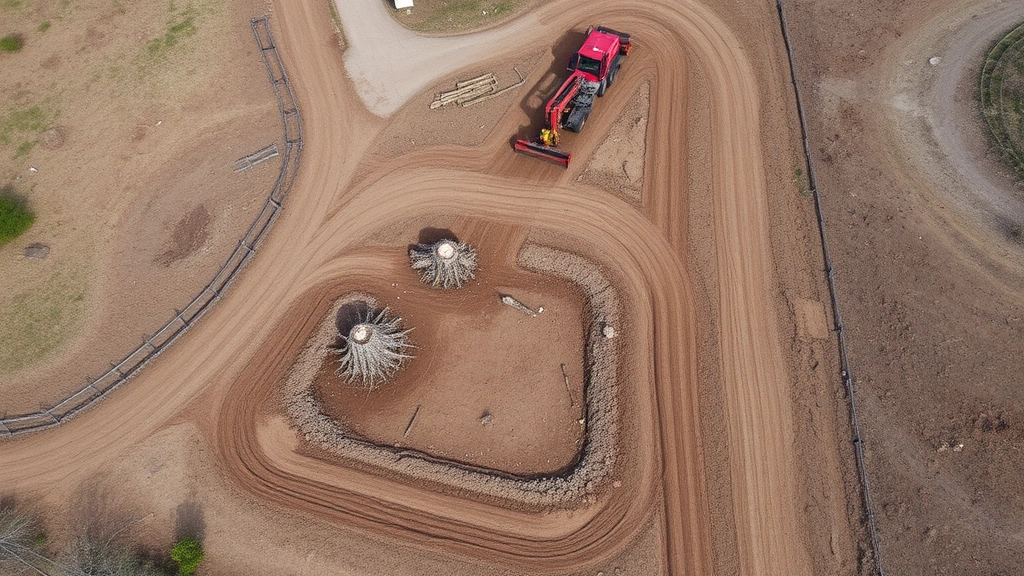
Modern companies increasingly adopt technology like drone surveys for site assessment, 3D mapping for project visualization, and real-time equipment tracking. These investments demonstrate commitment to efficiency and transparency. Ask contractors about their equipment maintenance schedules and technology capabilities—this reveals their operational sophistication and commitment to quality.
Environmental Compliance and Permits
Environmental regulations governing land clearing vary significantly by region, and non-compliance creates serious legal and financial consequences. Professional companies navigate these requirements expertly, securing necessary permits and implementing required protections.
Critical environmental considerations:
- Protected species assessment: Identifying endangered species habitats and seasonal restrictions on clearing activities
- Wetland protection: Determining if your property contains protected wetlands requiring specialized handling
- Stormwater management: Installing erosion control measures and sediment barriers to protect water quality
- Air quality compliance: Adhering to burning restrictions and dust control requirements in your jurisdiction
- Hazardous material handling: Proper management of contaminated soil, asbestos, or other dangerous materials
- Heritage and archaeological protection: Ensuring clearing doesn’t damage historically significant sites
Reputable companies maintain relationships with local environmental agencies and understand regional permit requirements. They conduct Phase I environmental assessments identifying potential contamination or protected features before work begins. This proactive approach prevents costly delays and legal complications that inexperienced contractors often create.
McKinsey’s research on infrastructure project management emphasizes that regulatory compliance and environmental stewardship significantly impact project success rates and stakeholder relationships.
Evaluating Local Expertise and References
Local expertise matters tremendously in land clearing because experienced operators understand regional soil conditions, vegetation patterns, climate challenges, and regulatory environments. Companies operating in your area for years develop institutional knowledge that streamlines project execution.
Evaluating local expertise involves:
- Longevity: How long has the company operated in your region? Multi-year presence indicates stable operations and community relationships
- Project portfolio: Request photos and descriptions of similar projects they’ve completed in your area
- Client references: Speak directly with property owners and developers about their experiences, asking specifically about timeline adherence, quality, and communication
- Local reputation: Check Better Business Bureau ratings, Google reviews, and industry association memberships
- Equipment positioning: Do they maintain equipment locally? Proximity to your site reduces mobilization costs and response times
- Crew stability: Experienced crews with low turnover deliver better results than companies constantly training new staff
When contacting references, ask about unexpected challenges the contractor encountered and how they resolved them. This reveals problem-solving capability and flexibility—critical traits when working on complex clearing projects where unforeseen conditions inevitably arise.
Building strong professional networks with local contractors and property managers provides invaluable insider perspectives on which companies consistently deliver quality work in your market.
Pricing Models and Cost Transparency
Land clearing costs vary dramatically based on site conditions, equipment requirements, environmental factors, and disposal methods. Understanding pricing models helps you evaluate quotes accurately and avoid budget surprises.
Common pricing approaches:
- Per-acre pricing: Simple model for straightforward clearing on uniform terrain; typically ranges $1,500-$5,000 per acre depending on vegetation density
- Hourly equipment rates: Reflects actual machinery usage; useful for variable-scope projects where conditions aren’t fully known upfront
- Fixed project bids: Comprehensive pricing covering all work from site assessment through final restoration; provides budget certainty
- Time and materials: Combines hourly rates with material costs; offers flexibility but requires careful budget monitoring
Legitimate companies provide detailed written quotes itemizing specific services, equipment deployment, timeline estimates, and disposal methods. Quotes significantly lower than competitors’ estimates often indicate corners being cut—possibly inadequate environmental controls, improper debris handling, or insufficient crew experience.
Request quotes from minimum three contractors to establish realistic market pricing for your specific site conditions. Ask each company to explain their pricing rationale and what’s included versus excluded from their estimates. This comparison reveals which contractors thoroughly assessed your property and understand its complexity.
Safety Records and Insurance Requirements
Land clearing involves inherent hazards—heavy machinery, falling trees, and unstable terrain create injury risks. Professional companies prioritize safety through comprehensive training, proper equipment maintenance, and adequate insurance coverage protecting you from liability.
Critical safety and insurance requirements:
- Workers’ compensation insurance: Mandatory coverage for employee injuries; verify it’s current and adequate
- General liability insurance: Protects you if company operations damage neighboring properties or cause injuries to third parties
- Equipment insurance: Ensures machinery is properly maintained and replaced if damaged
- OSHA compliance: Regular safety audits, training documentation, and incident reporting demonstrate serious safety culture
- Safety equipment: Proper helmets, harnesses, communication systems, and first aid supplies on every job site
Request certificates of insurance proving coverage limits of at least $1 million general liability and $500,000 workers’ compensation. Verify coverage directly with insurance providers rather than accepting contractor-provided documents, which may be outdated or fraudulent.
Ask about the company’s safety record—OSHA maintains public databases of workplace injuries and violations. Companies with clean records and zero serious violations demonstrate genuine commitment to worker protection. This commitment extends to protecting your property and adjacent areas from damage or injury.
Harvard Business Review’s operations management research consistently demonstrates that companies prioritizing safety culture achieve better overall project outcomes and customer satisfaction.
FAQ
How long does typical land clearing take?
Timeline depends on site size, vegetation density, and environmental requirements. Small residential lots (under 1 acre) typically require 2-5 days, while larger commercial sites may take weeks. Weather conditions, equipment availability, and permit acquisition also affect scheduling. Get specific timeline estimates from your contractor during the bidding process.
What happens to cleared debris?
Professional companies utilize multiple disposal methods: chipping wood waste into mulch for reuse, recycling materials where possible, composting organic matter, and responsibly disposing of non-recyclable debris. Some contractors sell mulch or salvage valuable timber, which may reduce your project costs. Discuss debris handling options before signing contracts.
Will land clearing damage my property?
Reputable contractors implement erosion control and site protection measures minimizing damage. However, heavy equipment operation inherently impacts soil compaction and surface conditions. Professional grading and restoration address these issues. Discuss property protection specifically with contractors and ensure they maintain adequate insurance.
Do I need permits for land clearing?
Permit requirements vary by jurisdiction and property characteristics. Properties containing protected wetlands, endangered species habitat, or historic sites typically require permits. Many jurisdictions require erosion control permits regardless. Professional contractors determine permit needs during site assessment and handle applications, though you may need to pay associated fees.
How do I know if a contractor is licensed and insured?
Request documentation directly and verify independently. Check Better Business Bureau listings, contact your state’s contractor licensing board, and call insurance providers to confirm active policies. Legitimate companies readily provide this information; reluctance to document credentials indicates unprofessionalism or worse.
What questions should I ask during contractor consultations?
Inquire about their experience with similar projects, specific equipment they’ll deploy, timeline estimates, insurance coverage, environmental compliance procedures, safety protocols, debris handling methods, and how they’ll protect adjacent properties. Ask for references from similar projects completed in your area within the past two years.
Can I clear land myself to save money?
While possible for very small areas with minimal vegetation, DIY clearing creates serious risks: safety hazards from falling trees or heavy equipment, environmental compliance violations, permit violations resulting in fines, and potential property damage. Professional expertise typically proves cost-effective when considering liability exposure and regulatory requirements.
Selecting the right land clearing company requires thorough evaluation of credentials, equipment, environmental expertise, local reputation, and insurance coverage. By verifying certifications, requesting detailed references, comparing written quotes, and confirming insurance documentation, you identify contractors capable of completing your project safely, compliantly, and within budget.
Take time during your evaluation process—rushing into contracts with unvetted contractors creates costly problems that far exceed initial savings. Invest in professional expertise from companies demonstrating commitment to safety, environmental stewardship, and quality workmanship. Your property development success depends on this foundational work being done right.
When building your contractor evaluation process, consider engaging project management practices that improve coordination between yourself, the clearing contractor, and any subsequent construction teams. Clear communication and documented expectations prevent delays and misunderstandings throughout your project lifecycle.


