
How to Boost Pretzel Sales: Expert Tips for Growing Your Pretzel Company
The pretzel market has experienced remarkable growth over the past decade, with consumers increasingly seeking convenient, flavorful snacking options. Whether you operate a small artisanal pretzel bakery, a food cart, or a larger pretzel manufacturing operation, understanding the strategic levers that drive sales is essential to competitive success. The pretzel industry generates billions in annual revenue, yet many pretzel companies fail to maximize their market potential due to ineffective marketing, limited distribution channels, and insufficient product differentiation.
This comprehensive guide reveals proven strategies that industry leaders use to accelerate pretzel sales, strengthen brand loyalty, and capture market share in an increasingly competitive landscape. From optimizing your product line to leveraging digital marketing channels, these expert-backed tactics will transform your pretzel company into a revenue-generating powerhouse.
Optimize Your Product Line and Flavor Strategy
Successful pretzel companies understand that product innovation drives consumer engagement and repeat purchases. The days of offering only traditional salted pretzels have passed. Today’s consumers demand variety, unique flavor combinations, and products aligned with dietary preferences including gluten-free, organic, and low-sodium options.
Conduct Market Research and Consumer Testing
Before launching new pretzel varieties, invest in comprehensive market research. Survey your existing customers about flavor preferences, price sensitivity, and packaging preferences. Create focus groups to test new product concepts before full-scale production. This approach minimizes risk and ensures your product development efforts align with actual consumer demand rather than assumptions.
Create Tiered Product Offerings
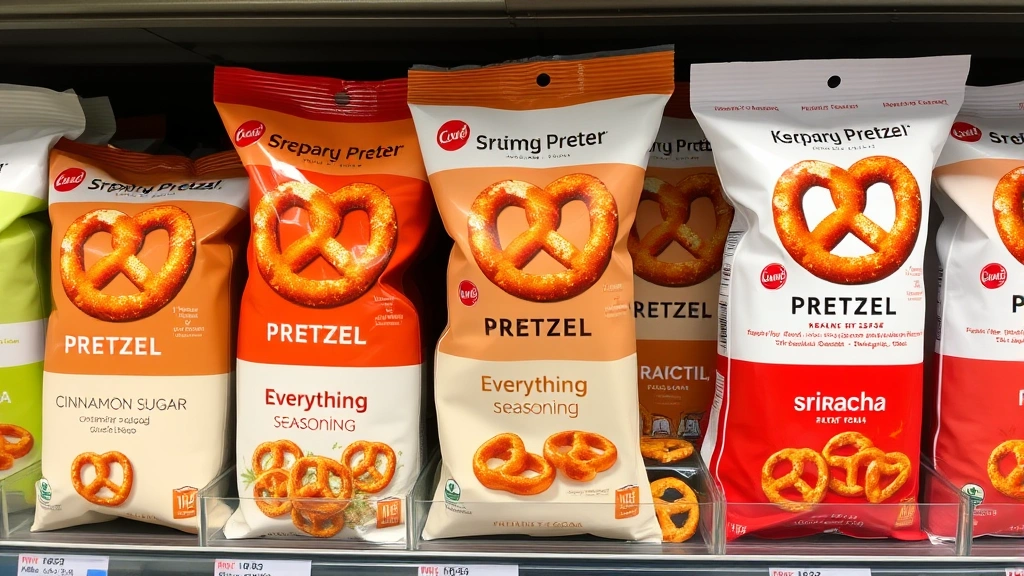
Develop a portfolio spanning entry-level products through premium offerings. Your basic line might include classic salted and whole wheat varieties at competitive price points. Your mid-tier offerings could feature specialty flavors like cinnamon sugar, everything bagel, or sriracha. Premium products might include hand-rolled artisanal pretzels, organic ingredients, or limited-edition seasonal flavors commanding higher margins.
Address Dietary and Health Trends
The health-conscious snacking trend continues accelerating. Introduce gluten-free pretzel options using alternative flour blends that maintain taste and texture quality. Develop vegan and dairy-free varieties if your current products contain animal products. Market these offerings prominently to health-conscious consumers and those with specific dietary restrictions. These premium products often support higher pricing and attract underserved market segments.
Master Multi-Channel Distribution
Geographic reach directly correlates with sales volume. A pretzel company limited to a single retail location or sales channel severely constrains growth potential. Successful operators establish presence across multiple distribution channels simultaneously.
Expand Retail Partnerships
Approach convenience stores, grocery chains, specialty food retailers, and big-box retailers with professional product samples and compelling sales proposals. Emphasize market data showing strong pretzel category growth. Offer promotional support including in-store sampling, point-of-sale displays, and co-marketing initiatives. Secure shelf space in high-traffic locations and ensure prominent placement at eye level where impulse purchases occur.
Establish Direct-to-Consumer Channels
Brick-and-mortar retail locations, pop-up shops, farmers markets, and food festivals provide direct customer access and valuable feedback opportunities. These channels also support premium pricing since customers perceive added value from direct producer relationships. Develop an business plan that includes physical retail expansion timelines and investment requirements.
Build Online Sales Infrastructure
E-commerce platforms enable nationwide and international sales without physical retail expansion. Establish a professional website with intuitive navigation, high-quality product photography, and secure payment processing. Utilize platforms like Amazon, Shopify, or Etsy to expand reach. Implement subscription boxes or bulk purchase options to encourage repeat orders and increase customer lifetime value.
Build a Compelling Brand Identity
Differentiation through branding separates thriving pretzel companies from commodity producers competing solely on price. Your brand communicates values, quality standards, and the emotional experience customers receive.
Develop Authentic Brand Storytelling
Consumers increasingly purchase from brands with compelling origin stories and clear values. Share your journey: Why did you start a pretzel company? What unique ingredients or techniques do you employ? Are you family-owned, committed to sustainability, or sourcing locally? Authentic stories create emotional connections that transcend product features.
Design Professional Visual Identity
Invest in professional logo design, packaging, and visual consistency across all touchpoints. Your packaging serves as silent salesperson on retail shelves—it must communicate quality, professionalism, and appeal to your target demographic. Premium packaging justifies higher pricing and reinforces brand positioning. Ensure consistency across website, social media, labels, and promotional materials.
Establish Quality Standards and Certifications
Pursue relevant certifications including organic, non-GMO, kosher, or halal depending on your target market. These credentials build consumer trust and enable premium positioning. Document your quality control processes and highlight them in marketing communications. Consider third-party quality testing and certifications from recognized industry organizations.
Leverage Digital Marketing and Social Media
Digital marketing channels offer cost-effective ways to reach target customers, build community, and drive sales. A strategic digital presence is non-negotiable for modern pretzel companies seeking growth.
Master Social Media Marketing
Instagram and TikTok are ideal platforms for food brands. Post high-quality photos and videos of your pretzels, production processes, and customer testimonials. Share behind-the-scenes content humanizing your brand. Create trending challenges or user-generated content campaigns encouraging customers to share photos of your products. Engage authentically with followers through comments and direct messages. Partner with food influencers and micro-influencers to expand reach among target demographics.
Implement Content Marketing Strategy
Create blog content addressing pretzel-related topics: health benefits, recipe ideas, pairing suggestions, or pretzel history. Develop video content demonstrating production techniques or sharing customer stories. This content builds authority, improves search engine visibility, and provides social sharing opportunities. Repurpose content across multiple formats and platforms to maximize production investment.
Execute Email Marketing Campaigns
Build email lists through website signups, in-store promotions, and online purchases. Send regular newsletters featuring new products, special promotions, and exclusive offers. Segment lists by customer behavior and preferences to increase relevance. Email marketing generates strong ROI and strengthens customer relationships through consistent communication.
Utilize Search Engine Marketing
Invest in Google Ads targeting high-intent keywords like “buy pretzels online” or “local pretzel delivery.” Optimize website content for search engines to improve organic visibility. Local SEO optimization is particularly valuable for brick-and-mortar locations—ensure your business appears in Google Maps and local search results.
Implement Strategic Pricing Models
Pricing strategy directly impacts profitability and market perception. Many pretzel companies leave money on the table through suboptimal pricing approaches.
Conduct Competitive Pricing Analysis
Research competitor pricing across all distribution channels. Understand what customers currently pay for comparable products. Analyze your cost structure to ensure pricing supports sustainable profitability. Use business budgeting software to track margins and profitability by product and channel.
Implement Value-Based Pricing
Price based on customer perceived value rather than solely on production costs. Premium products with unique attributes, superior ingredients, or brand prestige support higher pricing. Artisanal, organic, or specialty pretzels command 30-50% premiums over standard products when positioned effectively.
Develop Dynamic Pricing Strategies
Vary pricing by channel, seasonality, and demand. Direct-to-consumer channels support higher pricing than wholesale channels. Seasonal products or limited editions can command premium pricing. Implement promotional pricing strategically to drive trial without training customers to expect constant discounts.
Create Bundle and Subscription Options
Bundle complementary products to increase average transaction value. Offer pretzel and dip combinations, variety packs, or themed gift sets. Develop subscription services delivering monthly pretzel selections—this recurring revenue model improves cash flow predictability and increases customer lifetime value.
Enhance Customer Experience and Loyalty
Acquiring new customers costs significantly more than retaining existing ones. Strategic focus on customer experience and loyalty programs drives sustainable growth.
Develop Customer Loyalty Programs
Implement point-based loyalty programs rewarding repeat purchases. Offer exclusive perks including early access to new products, special discounts, or VIP experiences. Make programs easy to use through digital apps or simple card systems. Loyalty program members typically spend 20-40% more than non-members.
Prioritize Customer Service Excellence
Train staff to deliver exceptional service across all touchpoints. Respond promptly to customer inquiries and complaints. Use customer feedback to continuously improve products and services. Exceptional service generates positive word-of-mouth marketing and increases customer retention.
Create Community Engagement Initiatives
Sponsor local events, sports teams, or charitable causes aligned with your brand values. Host in-store events, pretzel-making classes, or tasting sessions. Partner with local organizations to build community presence and goodwill. These initiatives strengthen local brand loyalty and generate positive publicity.
Implement Referral Programs
Incentivize existing customers to refer friends and family. Offer rewards for successful referrals including discounts, free products, or loyalty points. Referral programs leverage your most effective marketing channel—satisfied customers recommending your products to their networks.
Develop B2B Partnerships and Wholesale Channels
B2B opportunities provide significant growth acceleration beyond direct consumer sales. Strategic wholesale partnerships expand distribution and revenue without proportional marketing investment.
Target Food Service and Institutional Markets
Approach restaurants, cafes, hotels, and corporate catering services with wholesale offerings. Develop customized products meeting specific customer needs. Institutional buyers including schools, universities, and corporate offices represent consistent high-volume opportunities. Prepare professional proposals and samples demonstrating value and reliability.
Build Distributor Relationships
Partner with specialty food distributors reaching multiple retail accounts simultaneously. Distributors provide access to retailers you couldn’t reach directly. Develop attractive distributor margins and marketing support programs encouraging active promotion of your products.
Create Co-Packing Opportunities
License your recipes and brand to co-packers enabling production at scale without capital investment. Partner with complementary brands on co-branded products. These arrangements expand market presence and generate licensing revenue.
Develop Strategic Partnerships
Partner with beverage companies, snack brands, or retailers on bundled offerings or cross-promotions. Collaborate with complementary brands to reach each other’s customer bases. Strategic alliances accelerate growth and share marketing costs.
Understanding business continuity planning becomes critical as you scale wholesale operations—ensure production capacity, supply chain reliability, and operational resilience support growth commitments.

According to McKinsey’s consumer packaged goods research, successful snack companies prioritize innovation, distribution expansion, and customer experience—the same principles driving pretzel company growth. Harvard Business Review’s marketing research emphasizes brand differentiation and customer loyalty as competitive advantages. Industry data from the SIAL food industry conference confirms strong consumer demand for convenient, flavorful snacking options that pretzels satisfy perfectly.
FAQ
What is the average profit margin for pretzel companies?
Pretzel company profit margins vary significantly by business model. Direct-to-consumer retail typically generates 40-60% gross margins due to premium pricing. Wholesale operations generate 30-40% gross margins after distributor and retailer markups. Production costs, ingredient quality, labor, and facility overhead substantially impact net profitability. Successful companies maintain 15-25% net profit margins through operational efficiency and strategic pricing.
How much does it cost to start a pretzel company?
Starting capital varies dramatically based on business model. A small cart or kiosk operation requires $5,000-$15,000. A retail storefront with basic equipment costs $25,000-$50,000. A licensed commercial kitchen facility costs $50,000-$150,000. Manufacturing operations require $100,000-$500,000+ depending on scale and automation. Comprehensive business plan templates for startups help entrepreneurs develop realistic budgets for their specific business model.
Which sales channels are most profitable for pretzel companies?
Direct-to-consumer channels including retail locations and e-commerce generate highest profit margins. Wholesale channels generate lower per-unit margins but provide volume and scale advantages. Subscription and corporate catering programs generate strong recurring revenue. Most successful companies employ multiple channels simultaneously, optimizing portfolio mix based on profitability analysis.
How do pretzel companies differentiate in a competitive market?
Successful differentiation strategies include unique flavor innovation, premium ingredient sourcing, compelling brand storytelling, exceptional customer experience, and strategic positioning in underserved market segments. Companies addressing specific dietary needs (gluten-free, organic, vegan) or target demographics (health-conscious, gourmet, value-conscious) achieve competitive advantages. Strong brands command premium pricing and customer loyalty despite competition.
What marketing channels deliver best ROI for pretzel companies?
Social media marketing, particularly Instagram and TikTok, generates strong engagement and low acquisition costs for food brands. Email marketing to existing customers delivers high ROI through repeat purchase encouragement. Local SEO and Google Maps optimization drive foot traffic to physical locations. Influencer partnerships and user-generated content campaigns amplify reach cost-effectively. Customer referral programs leverage satisfied customers as marketing channels.
How can pretzel companies scale production without compromising quality?
Invest in reliable equipment and systems enabling consistent production at higher volumes. Develop detailed standard operating procedures ensuring quality consistency across all production batches. Hire and train dedicated production staff focused on quality and efficiency. Consider contract manufacturing partnerships providing production capacity without capital investment. Implement quality control systems and regular testing ensuring products meet standards at scale. Use budgeting software tracking quality metrics and production efficiency as you scale.
What are emerging trends in the pretzel industry?
Health-conscious snacking continues accelerating—organic, non-GMO, and reduced-sodium options grow faster than traditional pretzels. Specialty flavors and global influences (sriracha, everything bagel, za’atar) appeal to adventurous consumers. Sustainable packaging and eco-friendly practices increasingly influence purchasing decisions. Direct-to-consumer and subscription models expand as consumers seek convenience and customization. Functional pretzels incorporating protein, probiotics, or other health benefits represent emerging innovation opportunities.


