
Bread Nutrition Facts: A Dietitian’s Guide for Bread Companies
Understanding bread nutrition facts has become essential for bread manufacturers, retailers, and health-conscious consumers alike. In today’s competitive food industry, transparency about nutritional content isn’t just regulatory compliance—it’s a strategic business advantage. Bread companies that provide clear, comprehensive nutrition information build consumer trust and differentiate themselves in an increasingly crowded marketplace.
The bread industry faces unique challenges when communicating nutrition facts. From whole grain varieties to specialty formulations, each product presents distinct nutritional profiles that require accurate labeling and honest marketing claims. This guide explores how bread companies can master nutrition facts presentation while maintaining consumer confidence and meeting regulatory standards.
Understanding Bread Nutrition Labels
Bread nutrition facts labels represent the foundation of consumer transparency in the baking industry. The FDA’s Nutrition Facts Panel requires bread manufacturers to disclose specific information in a standardized format, including serving size, calories, macronutrients, and key micronutrients. For bread companies, understanding these requirements isn’t merely about compliance—it’s about building competitive advantage through measuring customer satisfaction and meeting evolving consumer expectations.
Modern consumers scrutinize bread labels with unprecedented attention. They want to know about fiber content, added sugars, sodium levels, and ingredient sourcing. Bread manufacturers must recognize that clear labeling directly impacts purchasing decisions and brand loyalty. Companies that invest in transparent nutrition communication often see improved market positioning and customer retention rates.
The nutrition label includes several critical sections: serving size declaration (which must be realistic), calorie information, and percent daily values for various nutrients. For bread specifically, manufacturers should highlight fiber content, whole grain percentages, and any fortifications. The label must also disclose allergens clearly, a crucial consideration since wheat remains one of the major food allergens.
Bread companies increasingly face requests for expanded nutrition information beyond standard labeling. Some progressive manufacturers voluntarily provide data on micronutrients like B vitamins, iron, and folate—nutrients naturally present or added during fortification. This proactive approach demonstrates commitment to nutritional excellence and appeals to health-focused consumers.
Key Nutritional Components in Bread
Different bread types contain vastly different nutritional profiles. White bread, whole wheat bread, sprouted grain varieties, and specialty formulations each present unique nutrition facts that require careful explanation. Understanding these components helps bread companies communicate effectively with consumers and nutritionists.
Carbohydrates and Fiber: Bread’s primary nutritional contribution comes from carbohydrates. However, the type matters significantly. Whole grain breads contain substantially more fiber than refined white bread—typically 3-4 grams per slice versus 1 gram. This fiber content supports digestive health and provides sustained energy, making it a key selling point for health-conscious consumers. Bread companies emphasizing whole grain options should clearly communicate fiber benefits on packaging and in marketing materials.
Protein Content: Traditional bread provides moderate protein, typically 2-4 grams per slice. However, specialty breads incorporating seeds, nuts, or legumes offer higher protein levels—sometimes reaching 5-6 grams per serving. This matters significantly for consumers following plant-based diets or seeking protein-rich options. Companies developing protein-enhanced breads have opportunities to capture growing market segments.
Sodium Levels: Bread represents a significant sodium source in the American diet, often containing 100-200 mg per slice. The FDA recommends reducing sodium content in bread products, and companies responding to this guidance gain competitive advantages. Lower-sodium formulations appeal to health-conscious consumers and those managing hypertension, representing an important differentiation opportunity.
Added Sugars: Many commercial breads contain added sugars for taste and preservation. Consumers increasingly scrutinize added sugar content, making this a critical transparency issue. Bread companies should clearly distinguish between naturally occurring sugars and added sugars, as this distinction significantly impacts consumer perception and dietary alignment.
Micronutrients and Fortification: Bread fortification with B vitamins, iron, and folic acid represents a public health achievement, particularly for refined grain breads. Companies should highlight these fortifications prominently, as they demonstrate commitment to nutritional completeness. This is especially important for breads marketed to families and pregnant women.
Reading and Interpreting Serving Sizes
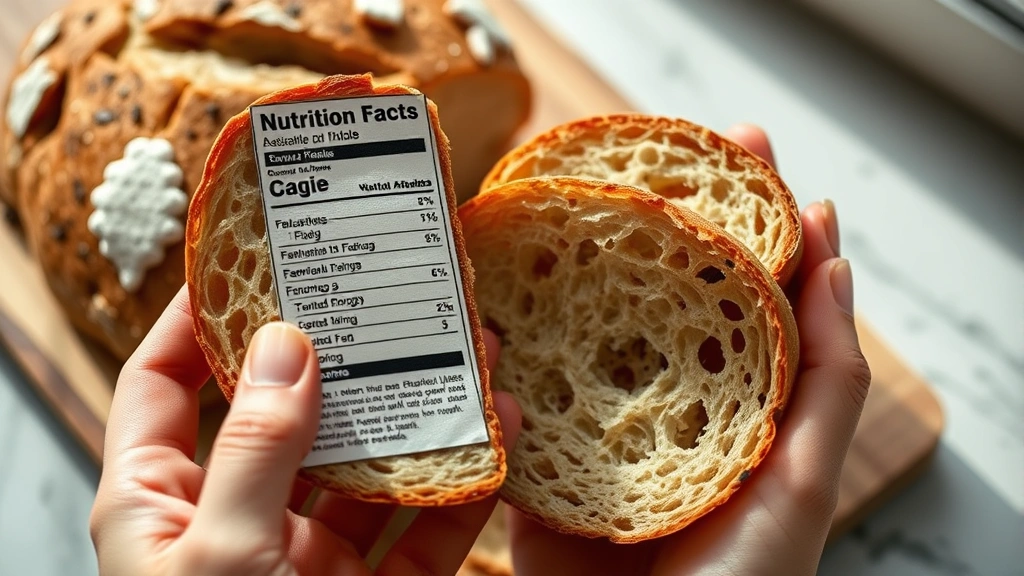
Serving size declarations create frequent confusion for both consumers and bread manufacturers. The FDA defines serving sizes based on Reference Amounts Customarily Consumed (RACC), which for bread equals one slice. However, many consumers eat multiple slices, making accurate serving size communication essential.
Bread companies must ensure serving sizes reflect realistic consumption patterns. A single slice serving size is appropriate for most bread products, but companies should clearly state slice weight to help consumers understand actual portions. This transparency prevents consumers from underestimating calorie and nutrient intake.
When bread companies update nutrition facts labels—whether due to recipe changes or regulatory updates—serving size adjustments significantly impact how consumers perceive nutritional value. A slight recipe modification that increases slice weight from 28 grams to 32 grams changes all per-serving nutrition values, potentially confusing consumers. Clear communication about these changes demonstrates integrity and maintains consumer trust.
The relationship between serving size and daily values deserves particular attention. A slice of bread providing 15% of daily fiber looks more impressive nutritionally than one providing 10%, even if the actual difference is minimal. Bread companies should ensure serving size declarations genuinely reflect typical consumption while maintaining accuracy and transparency.
Marketing Claims and Substantiation
Bread manufacturers frequently make nutrition-related marketing claims on packaging and advertising. Terms like “whole grain,” “high fiber,” “low sodium,” and “multigrain” carry specific regulatory definitions that require strict adherence. The FDA and FTC closely scrutinize bread marketing claims, making substantiation essential.
A “whole grain” claim requires that the product contains at least 51% whole grain ingredients by weight. Many bread companies use this claim effectively, but substantiation documentation must be comprehensive. Companies should maintain detailed ingredient sourcing records and nutritional analysis data supporting all claims.
“High fiber” claims require at least 5 grams of fiber per serving. “Good source of fiber” requires 2.5-4.9 grams per serving. These definitions are precise, and bread companies must verify compliance through laboratory testing. Third-party testing often provides additional credibility with consumers and regulators.
Health claims linking nutrients to disease risk—such as “whole grains reduce heart disease risk”—require FDA authorization and substantial scientific evidence. Bread companies must exercise caution with health claims, ensuring they’re supported by competent scientific evidence. Unauthorized health claims invite regulatory action and damage brand reputation.
When working with business mentors in the food industry, bread company leaders should discuss claims substantiation strategies. Experienced advisors can guide companies toward competitive differentiation while maintaining regulatory compliance and consumer trust.
Consumer Communication Strategies
Beyond regulatory compliance, bread companies must develop effective communication strategies that help consumers understand nutrition facts and make informed decisions. This requires moving beyond label compliance to genuine education.
Many consumers struggle to interpret nutrition facts labels. Bread companies can address this by providing clear educational content on packaging, websites, and social media. Explaining the difference between whole grain and refined grain, or clarifying fiber benefits, helps consumers appreciate product value and aligns with their health goals.
Visual nutrition communication often exceeds text-based approaches in effectiveness. Some bread companies use color-coded systems, icons, or simplified graphics alongside standard nutrition labels. These visual aids help consumers quickly understand nutritional highlights without requiring deep label analysis.
Recipe transparency builds consumer confidence. Bread companies that clearly list ingredients and explain their purpose—such as noting which ingredients provide fiber or protein—demonstrate transparency and build trust. This approach particularly appeals to consumers with specific dietary preferences or allergies.
Digital tools and apps expand bread company communication opportunities. QR codes linking to detailed nutrition information, recipe suggestions for different bread products, or personalized nutrition guidance help consumers engage with brands more meaningfully. These technologies demonstrate innovation and commitment to consumer education.
Partnerships with registered dietitian nutritionists provide credibility and expertise. Bread companies collaborating with nutrition professionals for product development, marketing claims, and consumer education gain significant competitive advantages. These partnerships demonstrate commitment to nutritional excellence beyond marketing rhetoric.

Industry Standards and Compliance
Bread manufacturers must navigate complex regulatory environments involving FDA, USDA, and state regulations. Understanding these standards and maintaining consistent compliance represents a core business competency for sustainable success.
The FDA’s Food Labeling Guide provides comprehensive requirements for bread nutrition facts labels. Manufacturers must ensure labels accurately reflect product composition, with tolerance levels allowing for minor variations due to ingredient variability. Regular testing and record-keeping verify compliance and protect against regulatory violations.
Gluten labeling presents particular importance for bread manufacturers. Products containing wheat must clearly declare this allergen. Cross-contamination risks require careful facility management and communication. Companies producing both gluten-containing and gluten-free products must implement rigorous segregation protocols.
State regulations sometimes exceed federal requirements. California’s Proposition 65, for instance, requires certain ingredient warnings on some products. Bread companies distributing nationally must understand state-specific requirements and implement compliant labeling across all markets.
Industry organizations like the Baking Industry Association provide resources, guidance, and advocacy supporting bread manufacturers’ compliance efforts. Membership in these organizations helps companies stay current with regulatory changes and best practices.
Third-party certifications—such as Non-GMO Project Verified, Organic, or Fair Trade certifications—increasingly appear on bread packaging. These certifications require specific documentation and compliance verification, adding complexity to product management but providing significant consumer appeal.
According to McKinsey research on food industry trends, consumers increasingly value transparency and third-party verification. Bread companies investing in comprehensive compliance and certification programs position themselves favorably for long-term growth.
As bread companies consider their strategic direction, understanding how to plan business transitions includes evaluating how nutrition fact compliance and consumer trust affect company valuation. Strong compliance records and positive consumer perception significantly enhance business value.
The intersection of nutrition facts transparency and workplace practices matters for bread company culture. Companies emphasizing workplace diversity often demonstrate similar commitment to consumer transparency. This alignment reflects broader organizational values around integrity and inclusion.
Bread companies seeking to understand competitive positioning should research best retail companies to work for and examine their approaches to nutrition transparency. Industry leaders often combine strong employee practices with excellent consumer communication, creating reinforcing competitive advantages.
FAQ
What information must appear on bread nutrition facts labels?
Bread nutrition facts labels must include serving size, calories, total fat, saturated fat, trans fat, cholesterol, sodium, total carbohydrates, dietary fiber, sugars (including added sugars as of 2016), protein, and percent daily values for certain nutrients. Allergen declarations for wheat must also appear clearly.
How do bread companies determine appropriate serving sizes?
The FDA establishes serving size standards based on Reference Amounts Customarily Consumed (RACC). For bread, this is typically one slice. Companies must verify that their slice weights align with RACC standards and clearly communicate this information on labels.
What makes a bread “whole grain”?
Whole grain bread must contain at least 51% whole grain ingredients by weight. Whole grains include the entire grain kernel—bran, germ, and endosperm—providing significantly more fiber and nutrients than refined grains.
Can bread companies make health claims about their products?
Health claims linking specific nutrients to disease risk require FDA authorization and substantial scientific evidence. Companies must carefully substantiate any health claims with competent scientific data and avoid unauthorized claims that invite regulatory action.
How should bread companies communicate nutrition information to consumers?
Beyond standard labels, bread companies should provide clear educational content, visual aids, ingredient transparency, and professional expertise. Digital tools, partnerships with dietitians, and recipe suggestions help consumers understand and appreciate nutritional value.
What role do third-party certifications play in bread nutrition communication?
Certifications like Organic, Non-GMO Project Verified, or Fair Trade provide additional credibility and appeal to specific consumer segments. These certifications require rigorous compliance verification and substantiation, supporting consumer trust in nutrition claims.