
The craft brewing industry has experienced explosive growth over the past two decades, transforming from a niche hobby into a multi-billion dollar sector. Caboose Brewing Company & Tavern represents a unique intersection of this phenomenon—combining production excellence with hospitality to create a destination experience. Understanding the owner’s perspective reveals the strategic decisions, operational challenges, and growth opportunities that define success in this competitive landscape.
Running a brewery-tavern hybrid requires mastering multiple business domains simultaneously. From fermentation science and recipe development to customer experience management and financial forecasting, owners must navigate complexity that traditional restaurants or production facilities rarely encounter. This comprehensive analysis explores how Caboose Brewing has positioned itself within the market and what strategies drive sustainable profitability.
The Dual-Revenue Model: Production and Hospitality
Caboose Brewing’s integrated business model generates revenue through multiple channels that reinforce each other strategically. The production facility manufactures beer for wholesale distribution, taproom sales, and packaged goods, while the tavern operates as both a consumption venue and marketing platform. This dual approach differs fundamentally from single-focus breweries or traditional bars.
The production side benefits from direct consumer feedback. Taproom visitors provide immediate reactions to new recipes, seasonal offerings, and experimental batches. This real-time market research informs product development decisions that manufacturers relying solely on distributor feedback cannot access. Owners can rapidly iterate on formulations based on tangible customer preferences, reducing the risk of launching underperforming products.
Revenue diversification through production and hospitality creates financial stability during market fluctuations. When taproom traffic declines seasonally, wholesale accounts and packaged distribution maintain cash flow. Conversely, strong on-premise sales during peak seasons generate margins that exceed wholesale pricing. Smart owners structure their production capacity and inventory to optimize this balance.
The hospitality component also serves as a premium pricing mechanism. Beer sold on-premise commands significantly higher margins than wholesale distribution. A craft IPA priced at $8 per pint generates substantially more profit than the same beer sold to a distributor for $35 per case. Strategic taproom management focuses on maximizing this high-margin revenue while building brand loyalty that extends to retail channels.
Operational Excellence in Craft Beer Production
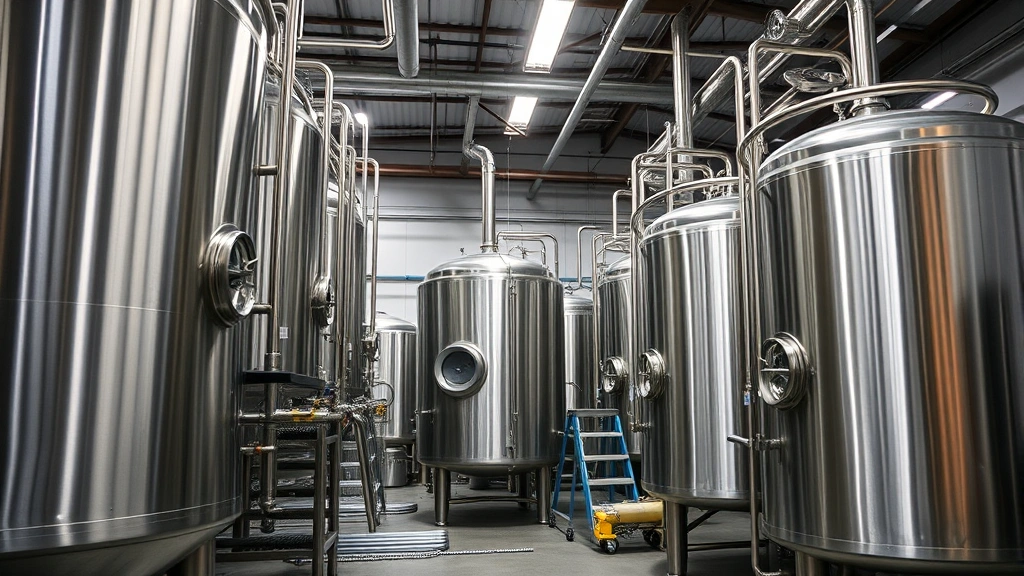
Manufacturing quality beer consistently demands technical expertise, equipment investment, and process discipline. Caboose Brewing’s production success hinges on mastering fermentation science, quality control, and supply chain management. These operational foundations separate thriving breweries from those that struggle with consistency or profitability.
Ingredient sourcing represents a critical operational decision. Craft brewers must balance ingredient quality, cost efficiency, and supply reliability. Premium hop varieties command higher prices but differentiate products in crowded markets. Grain suppliers must deliver consistent specifications to ensure batch-to-batch uniformity. Building relationships with reliable suppliers reduces production disruptions and protects brand reputation.
Quality assurance protocols extend beyond taste testing. Professional breweries implement rigorous testing for off-flavors, microbial contamination, and alcohol content accuracy. Laboratory analysis ensures compliance with regulatory requirements and maintains consistency that builds customer trust. Owners who prioritize quality control invest in proper testing equipment and trained personnel, recognizing this as essential rather than discretionary spending.
Production scheduling requires sophisticated planning. Breweries must forecast demand across multiple channels, manage fermentation timelines that span weeks, and coordinate bottling or canning operations. Underutilization of expensive equipment reduces profitability, while over-capacity creates cash flow pressure. Successful owners develop demand forecasting systems that balance production efficiency with inventory management, often utilizing business management software to optimize scheduling and reduce waste.
Regulatory compliance adds operational complexity that many entrepreneurs underestimate. Federal, state, and local regulations govern production volumes, labeling, distribution, tax reporting, and workplace safety. Caboose Brewing must maintain meticulous records, secure appropriate licenses, and adapt operations to changing regulations. Owners who view compliance as a cost center rather than operational requirement create legal and financial risks that threaten long-term viability.
” alt=”Brewery production floor with stainless steel fermentation tanks, pipes, and monitoring equipment in industrial setting” />
Creating Destination Experiences Through Tavern Operations
The tavern component transforms Caboose Brewing from a production facility into a community gathering space. This experiential dimension creates emotional connections that transcend transactional relationships between producers and consumers. Successful taproom management requires hospitality expertise, event strategy, and customer experience design.
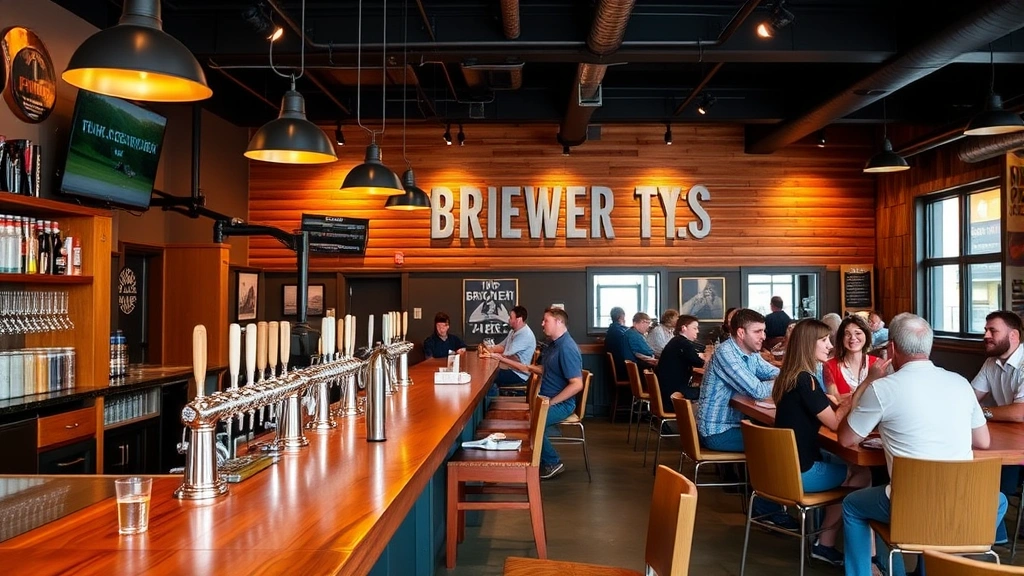
Physical environment design significantly impacts customer experience and operational efficiency. Taproom layouts should facilitate easy ordering, create comfortable seating arrangements, and encourage lingering—which increases per-customer spending. Décor choices communicate brand identity and create memorable atmospheres that customers want to revisit. The name “Caboose” suggests railroad heritage, providing thematic design opportunities that reinforce brand recognition and create Instagram-worthy spaces that encourage social sharing.
Staff training directly correlates with customer satisfaction and operational success. Knowledgeable bartenders who understand beer styles, brewing processes, and food pairings enhance the customer experience and justify premium pricing. Friendly, efficient service reduces wait times and increases table turnover during peak periods. Investing in staff development yields measurable returns through improved customer retention and positive word-of-mouth marketing.
Event programming extends the tavern’s appeal beyond casual drinking. Brewery tours educate customers about production processes and deepen brand appreciation. Tasting events featuring seasonal releases create urgency and drive trial of new products. Live music, trivia nights, and community celebrations transform the space into a social hub. These events generate incremental revenue while strengthening customer relationships and building community presence.
Food offerings enhance the taproom experience and increase per-visit spending. While full restaurant operations add complexity, strategic food partnerships or limited menus complement beer sales and encourage longer visits. Pairing beer with complementary food creates memorable experiences that customers enthusiastically share, providing organic marketing value.
Marketing and Community Building Strategies
Craft brewery success depends heavily on brand awareness and community integration. Caboose Brewing competes in markets saturated with beverage options, requiring strategic marketing that builds emotional connections and drives trial among target audiences.
Digital marketing provides cost-effective reach for brewery brands. Instagram for business enables visual storytelling that showcases beer aesthetics, behind-the-scenes production content, and community events, creating engagement that builds loyal followers. Social media platforms allow direct customer interaction, feedback collection, and rapid response to market trends. Owners who understand digital marketing fundamentals gain competitive advantages over traditional competitors.
Community involvement builds brand loyalty that advertising cannot purchase. Sponsoring local sports teams, supporting charitable causes, and participating in community festivals positions Caboose Brewing as a community stakeholder rather than merely a commercial entity. These activities generate goodwill, create positive associations with the brand, and encourage repeat patronage from community members who feel connected to the brewery’s values.
Beer competitions and industry recognition provide third-party validation that influences consumer perception. Awards from prestigious competitions like the Great American Beer Festival or World Beer Cup enhance brand credibility and justify premium pricing. Owners strategically enter competitions for styles where they maintain competitive advantages, using awards in marketing materials and taproom displays.
Wholesale distribution partnerships extend market reach beyond direct taproom sales. Building relationships with restaurants, bars, and retailers creates multiple revenue streams and increases brand visibility. However, maintaining quality and brand consistency across distributed channels requires discipline and communication with wholesale partners.
Storytelling creates emotional connections that transcend functional beer attributes. The “Caboose” name suggests history, adventure, and nostalgia. Effective marketing leverages this narrative, connecting beer quality to brand heritage and values. Owners who articulate compelling brand stories differentiate themselves in commoditized markets and build customer loyalty that sustains through competitive pressures.
Financial Management and Scaling Challenges
Profitability in craft brewing requires disciplined financial management and strategic investment decisions. Many brewery owners underestimate the capital requirements and financial complexities of sustainable operations, leading to cash flow crises despite strong sales growth.
Capital investment demands exceed many entrepreneurs’ initial expectations. Quality fermentation tanks, bottling equipment, and facility infrastructure require significant upfront spending. Owners must balance equipment investments with working capital needs for ingredients and operations. Under-capitalization forces compromises on quality or equipment capability, while over-investment in capacity creates inefficiency and cash flow pressure.
Pricing strategy directly impacts profitability and market positioning. Premium craft beers command higher prices than mass-market alternatives, but pricing must reflect quality and brand strength. Owners who price too aggressively lose market share to competitors, while underpricing fails to capture value and limits profitability. Competitive analysis, cost accounting, and margin tracking inform optimal pricing strategies.
Cost management extends beyond ingredient purchasing. Utility costs for refrigeration and production, labor expenses, and facility maintenance significantly impact profitability. Operational efficiency improvements—such as optimizing fermentation times, reducing waste, or negotiating better supplier terms—directly increase margins. Owners who focus relentlessly on cost control without compromising quality achieve sustainable profitability.
Scaling challenges emerge as breweries grow. Expanding production capacity requires additional capital investment and operational complexity. Maintaining consistent quality during scaling requires robust quality control systems and training programs. Scaling distribution channels demands sales expertise and distributor relationship management that many production-focused founders lack. Strategic planning for growth includes developing clear exit strategies or succession plans that prepare the business for ownership transitions.
Cash flow management requires discipline despite revenue growth. Breweries with strong sales often struggle with cash flow due to inventory requirements, equipment financing, and seasonal fluctuations. Owners must maintain adequate working capital reserves and understand the timing differences between revenue recognition and cash collection. Many brewery failures occur despite profitability, caused by cash flow mismanagement rather than operational failure.
Technology Integration for Competitive Advantage
Modern breweries leverage technology to improve operational efficiency, customer experience, and decision-making. Caboose Brewing’s competitive position depends partly on technology adoption that optimizes production, inventory, and customer engagement.
Production management systems track fermentation parameters, inventory levels, and equipment maintenance. Automated monitoring ensures optimal conditions and alerts operators to anomalies before they impact product quality. Data analytics reveal production efficiency metrics that identify improvement opportunities. Breweries that embrace production technology achieve consistency and efficiency advantages over competitors relying on manual processes.
Point-of-sale systems integrated with inventory management optimize taproom operations. Real-time sales tracking reveals which beers drive the highest margins and customer demand patterns. Inventory integration prevents stockouts of popular items and reduces spoilage of slow-moving products. Customer data from POS systems enables targeted marketing and loyalty programs that increase repeat visits.
Customer relationship management systems track customer preferences, visit frequency, and spending patterns. This data enables personalized marketing that drives higher engagement rates than generic campaigns. Loyalty programs incentivize repeat visits and increase customer lifetime value. Owners who systematically collect and analyze customer data make informed decisions about product development, pricing, and marketing investment.
Distribution management platforms coordinate wholesale relationships and track product placement across retail channels. Real-time visibility into inventory levels at retail locations prevents stockouts while reducing excess inventory. Sales data from retail partners informs production planning and wholesale strategy adjustments.
” alt=”Modern brewery taproom interior with wooden bar counter, tap handles, warm lighting, and comfortable seating for patrons” />
Craft brewery owners who embrace technology gain measurable advantages in operational efficiency, customer satisfaction, and decision-making accuracy. However, technology represents a tool that amplifies good management practices—it cannot compensate for fundamental operational or strategic failures.
FAQ
What makes the brewery-tavern model more successful than standalone breweries?
The integrated model generates multiple revenue streams with different margin profiles and reduces risk through diversification. Taproom sales provide premium margins while production serves wholesale channels with lower but more stable volumes. The tavern also serves as a marketing platform that builds brand awareness and customer loyalty that extends to retail channels.
How do brewery owners balance production efficiency with product quality?
Quality-focused breweries implement rigorous quality control systems throughout production. Ingredient selection, fermentation monitoring, and testing protocols ensure consistency. Owners recognize that quality reputation drives long-term profitability and customer loyalty, justifying investments in quality systems even when efficiency improvements might reduce short-term costs.
What financial metrics matter most for brewery profitability?
Critical metrics include gross margin by revenue channel (taproom vs. wholesale), cost of goods sold as a percentage of revenue, inventory turnover, and cash conversion cycle. Owners should track operating margins, break-even analysis by product, and customer acquisition costs. Understanding unit economics by product and channel enables strategic decisions about resource allocation.
How important is location for brewery success?
Location significantly impacts both production and hospitality operations. Proximity to ingredient suppliers and distribution networks affects production costs. Taproom location determines foot traffic, demographics, and competition intensity. Urban breweries face higher real estate costs but access larger customer bases, while rural locations offer lower costs with smaller markets. Successful owners strategically evaluate location trade-offs relative to their business model.
What skills do successful brewery owners need beyond brewing expertise?
Brewery ownership requires business acumen spanning financial management, marketing, sales, human resources, and operations. Many successful owners develop these skills through experience or education before starting ventures. Developing an elevator pitch that communicates your brewery’s unique value proposition effectively helps owners build relationships with investors, partners, and customers. Successful owners recognize that brewing quality beer represents only one dimension of business success.
How do regulations impact brewery operations and profitability?
Federal, state, and local regulations govern production volumes, labeling, distribution, tax reporting, and workplace safety. Regulatory compliance requires dedicated resources and can significantly impact profitability through tax obligations and operational constraints. Owners should budget for professional guidance to navigate regulatory requirements and maintain compliance that protects against legal and financial risks.
What growth strategies work best for established breweries?
Successful growth strategies include expanding distribution channels, developing new product lines, opening additional locations, and increasing production capacity. Each approach involves different capital requirements, operational complexity, and risk profiles. Building diverse teams with varied expertise supports growth initiatives by bringing different perspectives to strategic challenges. Owners should evaluate growth opportunities against their capabilities and capital availability rather than pursuing growth indiscriminately.


