Duquesne Light Bills Increase? Financial Insights for Businesses and Consumers
Duquesne Light Company, serving over 600,000 customers across western Pennsylvania, has faced multiple rate increases in recent years that significantly impact both residential and commercial energy budgets. Understanding these increases—driven by infrastructure investments, regulatory decisions, and operational costs—is essential for managing your utility expenses effectively. Whether you operate a small business or manage household finances, navigating rising energy costs requires strategic planning and awareness of available options.
The utility sector operates under strict regulatory frameworks, and rate increases don’t happen arbitrarily. Each adjustment reflects years of planning, infrastructure needs, and approval processes through the Pennsylvania Public Utility Commission (PUC). For businesses relying on business financial planning, energy costs represent a significant operational expense that demands attention and strategy.
Understanding Duquesne Light Rate Increases
Duquesne Light Company has implemented several significant rate increases over the past decade, with the most recent filings reflecting substantial infrastructure modernization efforts. The utility operates an aging grid system across western Pennsylvania, requiring continuous investment in replacement and upgrading. These rate adjustments aren’t unique to Duquesne Light—they reflect national trends in the utility industry where infrastructure investment demands exceed historical spending levels.
The 2024 rate case represented one of the most substantial requests in recent memory, with Duquesne Light seeking approval for increases that would add approximately 20-25% to average customer bills over a multi-year period. This substantial jump stems from accelerated infrastructure replacement, grid modernization initiatives, and increased operational costs. The Pennsylvania Public Utility Commission evaluates each request through rigorous analysis, considering whether proposed increases serve the public interest while allowing utilities reasonable returns on their investments.
For consumers and business operators, these increases translate directly to higher monthly expenses. A typical residential customer might see their bill increase by $15-30 monthly, while commercial customers face even larger absolute increases depending on their consumption levels. Understanding the mechanics behind these increases helps you develop effective financial management strategies.
Key Drivers Behind Rising Bills
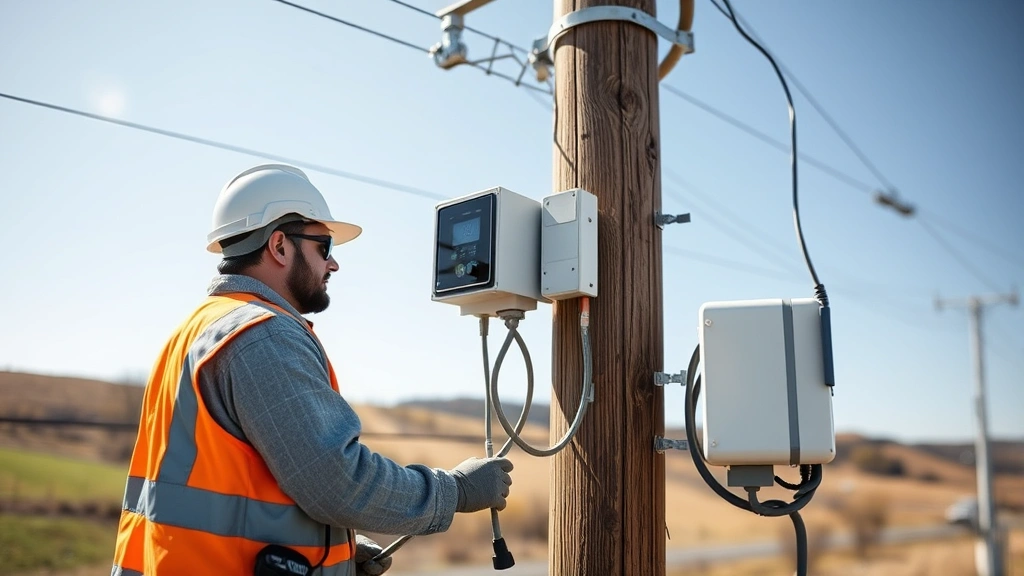
Multiple factors contribute to Duquesne Light’s rate increase requests. Infrastructure modernization represents the primary driver, with the utility replacing aging distribution lines, transformers, and equipment installed decades ago. This replacement cycle is essential for reliability and safety, but it requires substantial capital investment that utilities recover through rate adjustments.
Infrastructure Investment Needs: Duquesne Light’s service territory includes some of the oldest distribution infrastructure in the nation. Equipment installed in the 1950s-1970s now requires replacement or significant upgrades. Smart grid technology, advanced metering infrastructure (AMI), and system hardening against extreme weather events all demand capital expenditure that exceeds historical maintenance budgets.
Operational Cost Increases: Labor costs, materials, and environmental compliance expenses have risen substantially. Utility companies must maintain 24/7 operations, employ skilled technicians, and comply with increasingly stringent environmental regulations. These operational expenses don’t decrease; they typically increase 2-3% annually through normal inflation pressures.
Environmental and Regulatory Compliance: Pennsylvania’s energy policies increasingly mandate investments in renewable energy infrastructure, grid modernization for electric vehicles, and carbon reduction initiatives. Duquesne Light must fund these mandates, and regulatory authorities allow utilities to recover these costs through rate structures.
Fuel and Energy Procurement: While Duquesne Light primarily operates as a distribution company, wholesale energy costs impact the overall rate structure. Market volatility, natural gas prices, and renewable energy integration all influence procurement costs that flow through to customer bills.
Understanding these drivers is crucial for developing a comprehensive business plan that accounts for rising utility expenses as a permanent structural cost increase rather than a temporary anomaly.
Impact on Residential Customers
Residential customers face direct financial pressure from Duquesne Light rate increases, particularly those on fixed incomes or in struggling economic circumstances. A household using average electricity consumption (around 900 kWh monthly) experiences the full brunt of rate adjustments. Over a five-year period with cumulative increases, a household budget can absorb $1,000-1,500 in additional annual energy expenses.
The impact extends beyond simple bill increases. Families must choose between paying higher utility bills or reducing other household expenditures—food, healthcare, education, or savings. During winter months when heating demands spike, the impact becomes even more severe. Duquesne Light serves a region with significant winter heating requirements, meaning rate increases disproportionately affect winter bills.
For senior citizens and low-income households, assistance programs exist but often prove insufficient to fully offset increases. Pennsylvania’s LIHEAP (Low Income Home Energy Assistance Program) provides some relief, but funding limitations mean not all eligible households receive assistance. Understanding available resources and implementing energy efficiency measures becomes critical for vulnerable populations.
Commercial Business Implications
Businesses operating in Duquesne Light’s service territory face substantial implications from rising electricity costs. For energy-intensive operations—manufacturing, data centers, processing facilities—electricity represents a significant cost component of production. A 20-25% rate increase directly impacts profit margins unless businesses can pass costs to consumers or implement efficiency improvements.
Small to mid-sized businesses prove particularly vulnerable to rate increases. Unlike large corporations with dedicated energy management teams and negotiating power, smaller operations often simply absorb increased costs. Restaurants, retail stores, office buildings, and light manufacturing facilities all face higher operating expenses with limited ability to respond quickly.
The commercial rate structure differs from residential rates, but the impact proves equally significant. Businesses must evaluate energy efficiency investments, operational adjustments, or potential relocation to service territories with more favorable rate structures. For businesses planning expansion or making long-term capital investments, Duquesne Light service territory economics become less attractive when energy costs rise substantially.
Strategic planning becomes essential. Businesses should conduct thorough SWOT analysis evaluating how rising energy costs affect competitive positioning, evaluate energy efficiency investments with clear ROI calculations, and consider demand management strategies that reduce peak consumption charges.
Regulatory Framework and PUC Decisions
The Pennsylvania Public Utility Commission serves as the regulatory authority overseeing Duquesne Light’s rates and service quality. This regulatory framework, while protecting consumers from arbitrary rate increases, also allows utilities to recover reasonable costs and earn fair returns on investments. Understanding this balance illuminates why rate increases occur regularly despite consumer opposition.
Duquesne Light operates under a regulated utility model where the PUC approves rates based on a “rate base” calculation. The utility files rate cases requesting increases, and the PUC holds hearings where consumer advocates, large customers, and other stakeholders present testimony. The commission then issues orders determining approved increases based on evidence presented.
Recent PUC decisions have increasingly favored utility infrastructure investment requests, recognizing that aging grids require modernization regardless of consumer preference. Environmental policies and grid reliability concerns often align with utility infrastructure requests, creating regulatory momentum for rate increase approvals.
For consumers and businesses seeking to influence rate decisions, participation in PUC proceedings offers opportunities. Filing formal comments, attending public hearings, and engaging with consumer advocacy organizations provides channels for expressing concerns. However, these mechanisms rarely prevent rate increases; they primarily ensure thorough consideration of stakeholder perspectives.
The regulatory environment also includes rate design considerations. Some recent rate cases have proposed time-of-use pricing structures that charge different rates during peak versus off-peak hours. These designs incentivize shifting consumption to off-peak periods and theoretically increase overall efficiency, though they create complexity for consumers and businesses attempting to optimize energy usage.
Strategies to Reduce Your Energy Costs
While rate increases may seem inevitable, multiple strategies can reduce your actual energy expenses. These approaches range from simple behavioral changes to substantial capital investments in efficiency improvements.
Energy Efficiency Audits and Improvements: Professional energy audits identify specific inefficiencies in buildings and systems. Findings typically recommend improvements such as insulation upgrades, HVAC system optimization, LED lighting conversions, and weatherization. For residential customers, many of these improvements have 5-10 year payback periods even with modest rate increases. For commercial operations, efficiency investments often show 3-5 year returns.
Demand Management and Load Shifting: Utilities charge based on both total consumption and peak demand. Businesses can reduce bills by shifting energy-intensive operations away from peak pricing periods. Smart thermostats, programmable controls, and operational scheduling can substantially reduce peak demand charges without reducing total consumption.
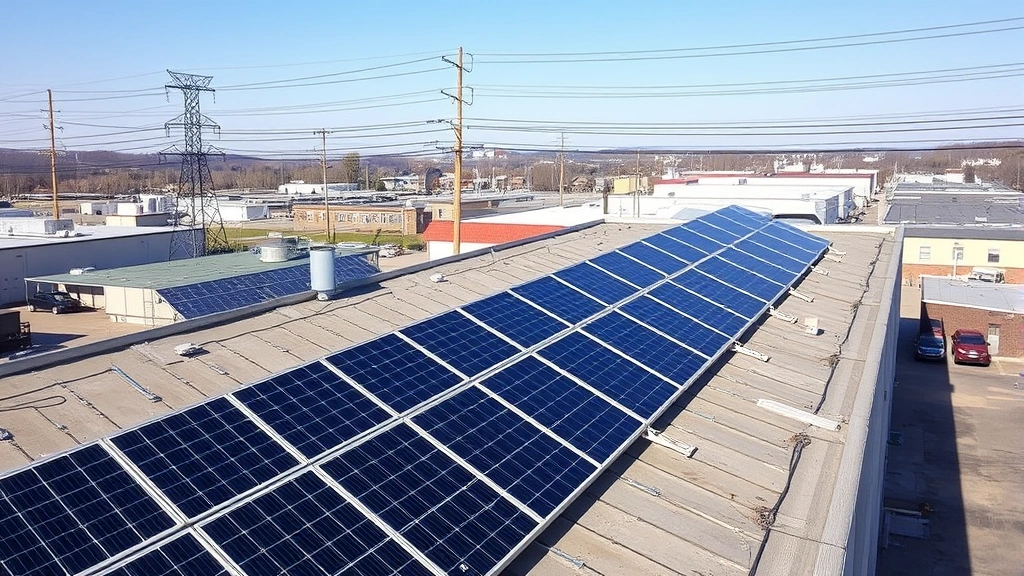
Renewable Energy and Solar Installation: Residential and commercial customers can install solar photovoltaic systems to offset grid electricity purchases. Pennsylvania’s net metering policies allow customers to receive credits for excess generation. While solar installation requires significant upfront investment, 25-30 year system lifespans and federal tax credits improve economics substantially. Over a system’s lifetime, solar installations typically reduce energy bills by 50-80%.
Community Choice Aggregation and Alternative Suppliers: Some Pennsylvania jurisdictions offer community choice aggregation programs allowing customers to choose alternative electricity suppliers. While Duquesne Light maintains distribution responsibility, customers can purchase electricity from competitive suppliers. This option provides leverage in negotiating rates and may access lower-cost renewable energy sources.
Behavior Modification and Conservation: Simple behavioral changes—adjusting thermostats, reducing phantom loads, optimizing appliance usage—can reduce consumption by 10-15% without requiring capital investment. For budget-conscious households and businesses, these low-cost measures provide immediate relief.
Advocacy and Community Engagement: Participating in consumer advocacy efforts, supporting rate case interventions, and engaging with elected officials provides longer-term approaches to addressing rate increases. While individual actions prove limited, collective consumer advocacy can influence regulatory decisions and policy priorities.
Implementing a comprehensive approach combining multiple strategies typically reduces energy bills by 20-30%, potentially offsetting or exceeding rate increase impacts. The best business management software can help track energy consumption, identify trends, and measure efficiency improvement impacts over time.
Future Outlook and Rate Trends
Duquesne Light’s future rate trajectory appears likely to include continued increases, though the pace and magnitude remain uncertain. Several factors will shape future rates:
Continued Infrastructure Modernization: The utility’s infrastructure replacement cycle will continue for decades, ensuring ongoing capital investment requirements. Rate increases will likely recur every 2-3 years as the utility seeks recovery for modernization spending.
Electrification Trends: Transportation electrification and building decarbonization will increase overall grid demand. While this expands Duquesne Light’s customer base and revenue, it also requires distribution system upgrades to handle increased loads. These investments will flow through to customer rates.
Renewable Energy Integration: Pennsylvania’s renewable energy policies and national decarbonization trends will require substantial grid modernization investments. Battery storage systems, distributed generation integration, and demand flexibility mechanisms all require infrastructure investment funded through rates.
Extreme Weather Impacts: Climate change is increasing extreme weather events that stress utility infrastructure. Investments in system hardening and resilience will become necessary and will be reflected in rate structures.
Regulatory Environment Changes: Future PUC decisions will shape rate structures and approval processes. Potential policy changes regarding environmental requirements, grid modernization priorities, and consumer protection mechanisms will influence rates.
For businesses and consumers, planning should assume continued rate increases averaging 2-5% annually above general inflation. This conservative assumption ensures financial plans remain realistic and adaptable to actual rate outcomes.
FAQ
Why does Duquesne Light need so many rate increases?
Duquesne Light serves a region with aging infrastructure requiring replacement and modernization. Additionally, environmental compliance, grid modernization for reliability and efficiency, and normal operational cost increases drive rate requests. The utility must invest billions in infrastructure upgrades, and regulatory authorities allow rate increases to recover these investments.
Can I switch electricity providers to avoid Duquesne Light rates?
Duquesne Light maintains its monopoly on distribution in its service territory, so you cannot avoid using their distribution system. However, in some areas, you may purchase electricity from alternative suppliers while using Duquesne Light’s distribution network. Availability of this option depends on your specific location within the service territory.
What assistance programs help with rising Duquesne Light bills?
Pennsylvania’s LIHEAP program provides energy assistance for low-income households. Duquesne Light also operates customer assistance programs. Contacting the utility directly or local community action agencies can provide information about available programs and application procedures.
How can my business reduce Duquesne Light energy costs?
Comprehensive strategies include energy efficiency audits and improvements, demand management to reduce peak charges, solar installation, behavior modifications, and participation in any available alternative supplier programs. Many businesses reduce energy costs by 20-30% through multi-faceted approaches combining several strategies.
Are there tax credits or rebates for energy efficiency improvements?
Federal tax credits exist for solar installation, heat pump systems, and certain efficiency improvements. Pennsylvania state programs offer rebates for specific upgrades. Additionally, utility companies sometimes provide rebates for efficiency improvements. Consulting with energy efficiency professionals or contacting Duquesne Light directly can identify available incentives.
How often does Duquesne Light request rate increases?
Historically, Duquesne Light files rate cases every 2-4 years. The PUC typically approves increases that allow the utility to recover infrastructure investment costs and maintain reasonable returns. This cycle appears likely to continue as infrastructure modernization needs persist.
Can I appeal or contest a rate increase?
Yes, the PUC holds public hearings on rate cases where consumers and businesses can present testimony and file formal comments. Consumer advocacy organizations often coordinate interventions in rate cases. While individual appeals rarely prevent increases, collective advocacy can influence outcomes and ensure thorough consideration of stakeholder concerns.
What’s the difference between residential and commercial rates?
Commercial rates typically have different structures than residential rates, including demand charges based on peak consumption alongside energy charges. Commercial customers often have more complex billing and may have opportunities to negotiate rates or implement demand management strategies that residential customers cannot access.


