
Why Choose Bianchi Bikes? Expert Review & Strategic Business Analysis
Bianchi, founded in 1885 by Edoardo Bianchi in Milan, Italy, stands as one of the cycling industry’s most enduring and respected manufacturers. With over 135 years of heritage, the company has established itself as a premium bicycle brand synonymous with Italian craftsmanship, innovation, and performance excellence. For both casual riders and competitive cyclists, understanding why Bianchi remains a top choice requires examining the company’s business model, product quality, market positioning, and customer value proposition.
The cycling market has evolved dramatically over the past decade, with consumers increasingly demanding sustainable transportation solutions, health-conscious lifestyles, and premium-quality products. Bianchi has strategically positioned itself within this landscape by combining traditional manufacturing excellence with modern technology and design innovation. This comprehensive review explores the competitive advantages that make Bianchi bikes a compelling choice for discerning cyclists and investors interested in the premium bicycle sector.
Whether you’re evaluating Bianchi bikes for personal use or analyzing the company as a business case study, this expert analysis provides actionable insights into what differentiates this iconic brand from competitors and why it continues to thrive in a competitive global market.
Heritage and Brand Legacy: Building Trust Over Generations
Bianchi’s 135-year history represents one of cycling’s most compelling brand narratives. Founded during the industrial revolution, the company has witnessed and adapted to every major technological shift in transportation, manufacturing, and consumer preferences. This longevity speaks volumes about organizational resilience, strategic foresight, and unwavering commitment to quality standards that rival modern competitors despite their youth advantage.
The brand’s Italian heritage carries significant weight in premium markets. Italy’s reputation for craftsmanship, design excellence, and attention to detail extends beyond fashion into engineering and manufacturing. Bianchi leverages this cultural association strategically, positioning its bikes as expressions of Italian engineering philosophy. This heritage-driven positioning creates emotional connections with consumers who value provenance and traditional manufacturing excellence alongside contemporary innovation.
Throughout its history, Bianchi has sponsored professional cycling teams and athletes, creating authentic connections to competitive cycling’s highest levels. This sport-driven marketing approach builds credibility and demonstrates real-world performance validation. Professional cyclists choosing Bianchi bikes for demanding races provides powerful third-party endorsement that resonates with performance-oriented consumers. The company’s presence in professional pelotons ensures continuous product testing under extreme conditions, driving innovation cycles and quality improvements.
When developing your own business plan templates for startups, studying how Bianchi built its brand legacy offers valuable lessons in long-term value creation and market positioning strategies that transcend temporary market trends.
Product Quality and Innovation: Engineering Excellence
Bianchi’s commitment to quality manifests across every product dimension. The company manufactures bikes using premium materials including carbon fiber, aluminum alloys, and steel, each selected for specific performance characteristics and durability requirements. Material selection represents a critical business decision that impacts production costs, product lifespan, customer satisfaction, and brand reputation.
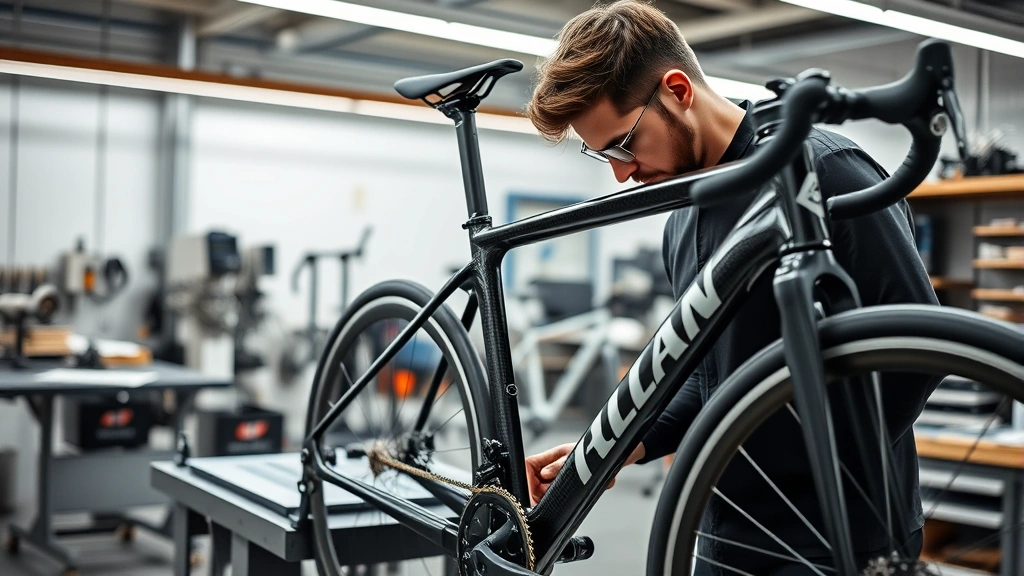
Carbon fiber technology deserves particular attention. Bianchi invests significantly in carbon fiber research and development, collaborating with material scientists and engineers to create proprietary layup patterns and construction techniques. These innovations reduce weight while maintaining structural integrity, enhance vibration damping for improved ride comfort, and provide aerodynamic advantages critical for competitive cyclists. The technical sophistication behind Bianchi’s carbon frames demonstrates how premium manufacturers compete on engineering excellence rather than price competition.
The company’s product lineup spans multiple categories: road bikes, mountain bikes, gravel bikes, e-bikes, and urban commuters. This diversification strategy allows Bianchi to capture market segments with varying needs, budgets, and use cases. Each category receives dedicated design attention, ensuring optimal performance characteristics rather than one-size-fits-all compromises. This segmentation approach mirrors strategies used by successful business models that focus on specialized markets.
Innovation extends beyond frame design to component integration. Bianchi partners with leading drivetrain manufacturers, brake system providers, and wheel specialists to create cohesive systems delivering superior performance. This ecosystem approach ensures compatibility, reliability, and user experience optimization. Rather than manufacturing every component internally, Bianchi strategically focuses resources on core competencies while leveraging specialized suppliers’ expertise—a business practice that maximizes efficiency and quality outcomes.
Quality control processes reflect manufacturing discipline. Bianchi implements rigorous testing protocols at multiple production stages, ensuring every bike meets exacting standards before reaching customers. This commitment to quality reduces warranty claims, builds customer loyalty, and protects brand reputation. From a business perspective, investing in quality control represents preventive expense that reduces long-term costs associated with recalls, returns, and reputation damage.
Market Positioning Strategy: Premium Segment Leadership
Bianchi operates within the premium bicycle market segment, competing against brands like Specialized, Trek, and Cannondale rather than mass-market manufacturers. This positioning strategy reflects deliberate business choices about target customers, pricing architecture, and distribution channels. Premium positioning enables higher profit margins, attracts quality-conscious consumers, and builds brand prestige that supports premium pricing strategies.
The company’s pricing strategy reflects value-based rather than cost-based approaches. Bianchi bikes command price premiums compared to entry-level alternatives, justified through superior materials, craftsmanship, performance characteristics, and brand heritage. This pricing discipline maintains brand positioning and attracts customers who view bikes as investments rather than commodities. Understanding how strategic business partnerships create value helps explain how Bianchi maintains premium positioning through exclusive dealer networks and selective distribution.
Distribution strategy reinforces premium positioning. Rather than pursuing mass retail availability, Bianchi works through specialized bicycle retailers who possess product knowledge, provide customer service, and maintain brand standards. This selective distribution approach creates scarcity, maintains pricing integrity, and ensures customers receive proper guidance during purchase decisions. Retailers become brand ambassadors, educating customers about Bianchi’s technical advantages and heritage.
Digital marketing strategies complement traditional retail approaches. Bianchi leverages content marketing, social media engagement, and digital advertising to reach target audiences interested in cycling, performance, and premium products. The brand’s digital presence emphasizes technical specifications, athlete endorsements, and lifestyle aspirations, creating emotional connections with prospective customers. This integrated marketing approach demonstrates how traditional brands successfully adapt to digital-first consumer behaviors.
Customer Value Proposition: Why Cyclists Choose Bianchi
The customer value proposition encompasses tangible and intangible benefits that justify premium pricing and drive purchasing decisions. For Bianchi customers, value extends far beyond the physical product to include performance outcomes, brand identity, and emotional satisfaction.
Performance Benefits: Bianchi bikes deliver measurable performance advantages. Lighter weight reduces effort required for acceleration and climbing. Superior aerodynamics increase speed efficiency. Advanced vibration damping technology improves ride comfort during extended efforts. These performance characteristics appeal to competitive cyclists pursuing marginal gains and recreational riders seeking enhanced enjoyment.
Reliability and Longevity: Premium manufacturing quality translates to long product lifespan and minimal maintenance requirements. Customers investing in Bianchi bikes expect years of dependable performance, making the higher initial investment economically rational. This reliability builds customer loyalty and encourages repeat purchases as riders upgrade to newer models.
Brand Identity: Owning a Bianchi bike signals participation in cycling culture and appreciation for quality craftsmanship. The distinctive Celeste color—Bianchi’s signature turquoise shade—creates immediate brand recognition and aesthetic appeal. For many customers, brand identity and community belonging represent significant value components, comparable to luxury goods in other categories.
Support Ecosystem: Bianchi customers benefit from extensive support networks including authorized dealers, online resources, user communities, and customer service. This ecosystem creates value beyond the product itself, supporting customers throughout ownership lifecycles. When developing your elevator pitch for premium products, emphasizing support ecosystems differentiates offerings in competitive markets.
Competitive Advantages: Differentiation Analysis
Bianchi maintains competitive advantages across multiple dimensions, creating defensible market positions against larger competitors and emerging brands.
Brand Heritage: Over 135 years of continuous operation creates brand equity that new competitors cannot replicate. This heritage conveys reliability, expertise, and tradition that resonate with quality-conscious consumers. Heritage represents a competitive moat—a sustainable advantage difficult for competitors to overcome.
Manufacturing Expertise: Decades of frame design and manufacturing experience translate to superior engineering and production processes. Bianchi’s Italian manufacturing heritage, while increasingly supplemented by global production facilities, maintains quality standards and technical excellence. This expertise generates products with superior performance characteristics.
Design Excellence: Bianchi’s design philosophy balances aesthetics, aerodynamics, and ergonomics. The company’s design heritage creates distinctive visual identity while delivering functional advantages. The Celeste color, frame geometry, and aesthetic details create immediate brand recognition and emotional appeal.
Professional Cycling Presence: Continued sponsorship of professional cycling teams and athletes provides authentic performance validation and continuous product development feedback. Professional cyclists using Bianchi bikes in competitive races generates credible marketing content and drives innovation priorities based on real-world performance demands.
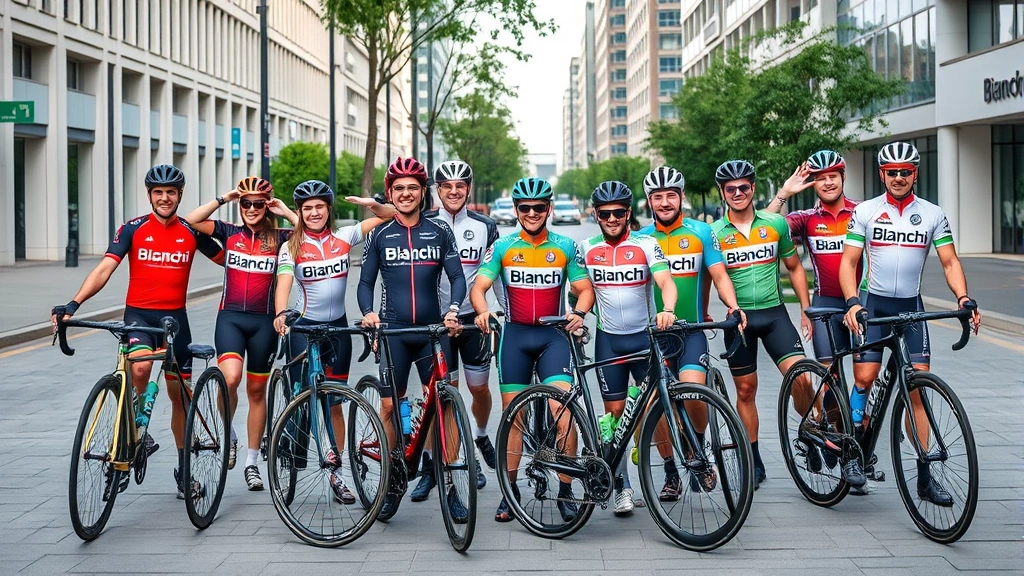
Global Distribution Network: Bianchi’s worldwide presence through authorized dealers and distributors ensures product availability, local support, and market penetration. This distribution infrastructure requires significant investment but creates competitive advantages through customer accessibility and brand visibility.
Business Model Excellence: Organizational Structure and Operations
Understanding Bianchi’s business model reveals how the company generates value, manages costs, and captures market opportunities. The organizational structure balances centralized brand management with localized market responsiveness.
Vertical Integration Decisions: Rather than manufacturing every component, Bianchi strategically focuses on core competencies—frame design and assembly—while outsourcing specialized components to suppliers. This approach reduces capital requirements, improves flexibility, and leverages suppliers’ expertise. It mirrors successful manufacturing strategies where companies focus on highest-value activities.
Supply Chain Management: Bianchi operates complex global supply chains sourcing materials and components from multiple countries. Supply chain efficiency directly impacts product quality, delivery timelines, and profitability. The company’s supply chain resilience, tested during global disruptions, demonstrates operational maturity and strategic planning.
Product Development Cycles: Bianchi releases new models annually, incorporating technological improvements and design refinements. This product development cadence maintains market freshness, drives repeat purchases among enthusiasts, and supports premium pricing for latest models. The development process balances innovation with manufacturing efficiency and cost management.
Organizational Culture: Bianchi’s long history suggests strong organizational culture emphasizing quality, craftsmanship, and customer focus. Strong cultures attract talented employees, drive operational excellence, and support brand positioning. Understanding how to build and maintain organizational culture represents critical success factor in any business, as explored in resources about business management software implementation.
Global Market Presence: International Strategy
Bianchi’s global operations extend across Europe, North America, Asia, and emerging markets. This geographic diversification reduces dependence on single markets and enables growth through international expansion. Market-specific strategies address local preferences, competitive dynamics, and regulatory environments.
In Europe, Bianchi maintains strong presence through established distribution networks and brand heritage recognition. European cyclists appreciate the brand’s Italian origin and manufacturing excellence. The company leverages cultural associations with Italian design and craftsmanship to maintain premium positioning.
North American markets represent significant growth opportunities. The United States and Canada show increasing interest in cycling for transportation, recreation, and competitive pursuits. Bianchi’s premium positioning appeals to affluent consumers seeking quality products. Strategic partnerships with major retailers and distributors expand market reach while maintaining brand standards.
Asian markets, particularly China and India, present long-term growth potential as middle-class populations expand and cycling interest increases. Bianchi’s entry strategies balance brand prestige with market accessibility, adapting products and pricing for local conditions while maintaining core brand identity.
E-bike markets represent emerging opportunities across all regions. Bianchi’s expansion into electric-assisted bikes captures growing demand for sustainable transportation and recreational cycling among broader demographics. E-bike technology requires different expertise and supply chains, prompting strategic investments and partnerships. Understanding how to develop strategic business networks helps companies navigate international expansion and market entry challenges.
Bianchi’s global strategy demonstrates how traditional manufacturers successfully navigate international business complexity while maintaining brand consistency, quality standards, and customer experience across diverse markets.
FAQ
Why is Bianchi considered a premium bicycle brand?
Bianchi commands premium positioning through heritage spanning 135 years, superior material quality, advanced manufacturing processes, design excellence, and professional cycling associations. The company focuses on performance and craftsmanship rather than competing on price, justifying premium pricing through demonstrable value.
What makes Bianchi bikes different from competitors like Trek or Specialized?
While all three brands offer premium products, Bianchi differentiates through Italian heritage, distinctive design aesthetic, specialized focus on cycling expertise, and brand prestige. Each brand appeals to different customer segments based on specific preferences, values, and performance priorities.
Are Bianchi bikes worth the premium price?
For cyclists prioritizing performance, reliability, and brand heritage, Bianchi bikes represent sound investments. Superior materials, manufacturing quality, and longevity justify higher initial costs. However, value assessment depends on individual priorities, riding styles, and budget constraints.
Does Bianchi manufacture bikes in Italy?
While Bianchi maintains Italian heritage and some manufacturing operations, the company sources production globally to optimize costs, capacity, and specialized manufacturing capabilities. Italian heritage reflects brand origin and design philosophy rather than exclusive manufacturing location.
What product categories does Bianchi offer?
Bianchi manufactures road bikes, mountain bikes, gravel bikes, e-bikes, and urban commuters. Each category addresses specific customer needs and riding styles, allowing the company to capture diverse market segments while maintaining quality and performance standards.
How does Bianchi support customers after purchase?
Bianchi supports customers through authorized dealer networks, online resources, user communities, and customer service. Dealers provide maintenance support, warranty service, and expert guidance. This ecosystem ensures customer satisfaction throughout ownership cycles and builds long-term loyalty.
What is the Celeste color and why is it important?
Celeste is Bianchi’s signature turquoise color, trademarked as brand identity. The distinctive color creates immediate brand recognition, aesthetic appeal, and emotional connection with customers. It represents brand heritage and communicates quality and performance to other cyclists.


