
Table of Contents
Introduction
Want to know what separates thriving teams from those that barely get by? It’s not just talent or resources—it’s how well people actually work together. Think about the best team you’ve ever been part of. Chances are, you didn’t just show up and magically click. Someone, somewhere along the way, invested in bringing that group together through smart team building activities that actually worked.
Here’s the thing about business team building: it’s not about trust falls or awkward icebreakers (though those have their place). It’s about creating real connections between people who spend most of their waking hours together. When done right, these activities help your team communicate better, trust each other more, and yes—actually enjoy coming to work. The best part? This stuff works for everyone, whether you’re running a scrappy startup where everyone wears multiple hats or managing a department in a Fortune 500 company. And if you’re looking to extend that collaborative spirit beyond your immediate team, check out these business networking strategies that can help build meaningful professional connections across your industry.
Now, let’s talk about what actually works. Indoor activities like trivia nights and collaborative workshops? They’re perfect for getting people thinking together in a low-pressure environment. There’s something magical about watching quiet team members suddenly become trivia champions or seeing that “aha!” moment during a group problem-solving session. But don’t sleep on outdoor challenges either. Obstacle courses, adventure outings, even something as simple as a group hike—these experiences create stories your team will talk about for years. (And trust me, shared stories are relationship gold.) If you want to take things up a notch with technology, understanding business management software can help you track progress and keep that collaborative momentum going strong.
But here’s what most people miss: effective team building isn’t just about having fun together. It’s about building the kind of resilience that keeps your team strong when things get tough. Because they will get tough—market changes, tight deadlines, difficult clients. The teams that weather these storms? They’re the ones who’ve invested in real relationships and genuine trust. That’s why smart companies treat team building as part of their long-term strategy, not just a nice-to-have perk. Speaking of long-term thinking, exploring business sustainability strategies can give you insights into how team development fits into the bigger picture of lasting business success.
What You’ll Learn in This Guide
This guide breaks down everything you need to know about team building activities that actually move the needle. We’re talking practical, actionable stuff you can implement right away—no fluff, just what works.
- Types of Team Building Activities: We’ll explore indoor activities, outdoor adventures, and virtual options that work for remote teams, complete with real examples you can steal (with pride).
- Benefits of Team Building: Discover how the right activities improve communication, build genuine trust, and create the kind of motivation that doesn’t need constant management oversight.
- Organizing Effective Events: Learn the step-by-step process for planning team building events that align with your goals and actually engage your people (spoiler: it’s not as hard as you think).
- Maximizing Impact: Get insider tips on encouraging participation from even the most reluctant team members and turning one-time events into lasting culture changes.
Throughout this guide, you’ll get proven methods for strengthening your team’s collaboration and boosting morale through activities that fit your budget, schedule, and company culture. Whether this is your first rodeo or you’re looking to upgrade your current approach, these insights will help you build a team that genuinely wants to work together.
We’ll walk through everything from quick indoor workshops that you can squeeze into a lunch break to full-day outdoor adventures that become legendary team stories. You’ll also discover how virtual team building has evolved (hint: it’s way better than those painful Zoom games from 2020) and why it’s become essential for remote and hybrid teams.
Plus, we’ll share the secrets that make some team building events unforgettable while others become eye-roll material around the office. It’s all about reading your team, setting clear intentions, and creating experiences that feel genuine rather than forced. For context on how this fits into broader business success, you might want to explore customer relationship management—because the collaboration skills your team develops internally often translate directly to better client relationships.
By the time you finish this guide, you’ll have everything you need to create team building experiences that people actually look forward to. More importantly, you’ll know how to turn those experiences into lasting improvements in how your team works together every single day.
Want to know what separates thriving businesses from struggling ones? It often comes down to one thing: teamwork. Building a strong, collaborative team isn’t just nice to have—it’s absolutely fundamental to success. And here’s the thing about effective team building activities: they’re like magic for workplace dynamics. They boost communication, build trust, and lift morale in ways that surprise even the most skeptical employees.
These activities come in all shapes and sizes. You’ve got your interactive indoor sessions for when the weather’s not cooperating, adventurous outdoor experiences that get everyone’s adrenaline pumping, and innovative virtual options that work perfectly for remote teams. (Because let’s face it—remote work isn’t going anywhere.) As more businesses wake up to just how crucial solid team dynamics are, figuring out which activities work best and how to pull them off effectively becomes incredibly valuable. So let’s dig into the nitty-gritty and explore how you can turn team building into a real strategic advantage for your business.
Types of Business Team Building Activities and Their Unique Benefits
Business team building activities? They’re basically a buffet of options, each one targeting different pieces of the collaboration puzzle. Take indoor activities, for example. These babies are all about flexing those mental muscles—problem-solving games, collaborative workshops, trivia sessions that get surprisingly competitive. What’s great about these is they let teams engage their brains while practicing the art of actually talking to each other constructively. (Revolutionary concept, right?) When people work through challenges together in a controlled setting, those stronger interpersonal bonds they build? They carry right over into daily work life. Speaking of structured approaches that boost collaboration, you might want to check out best business management software that can keep that collaborative momentum going strong.
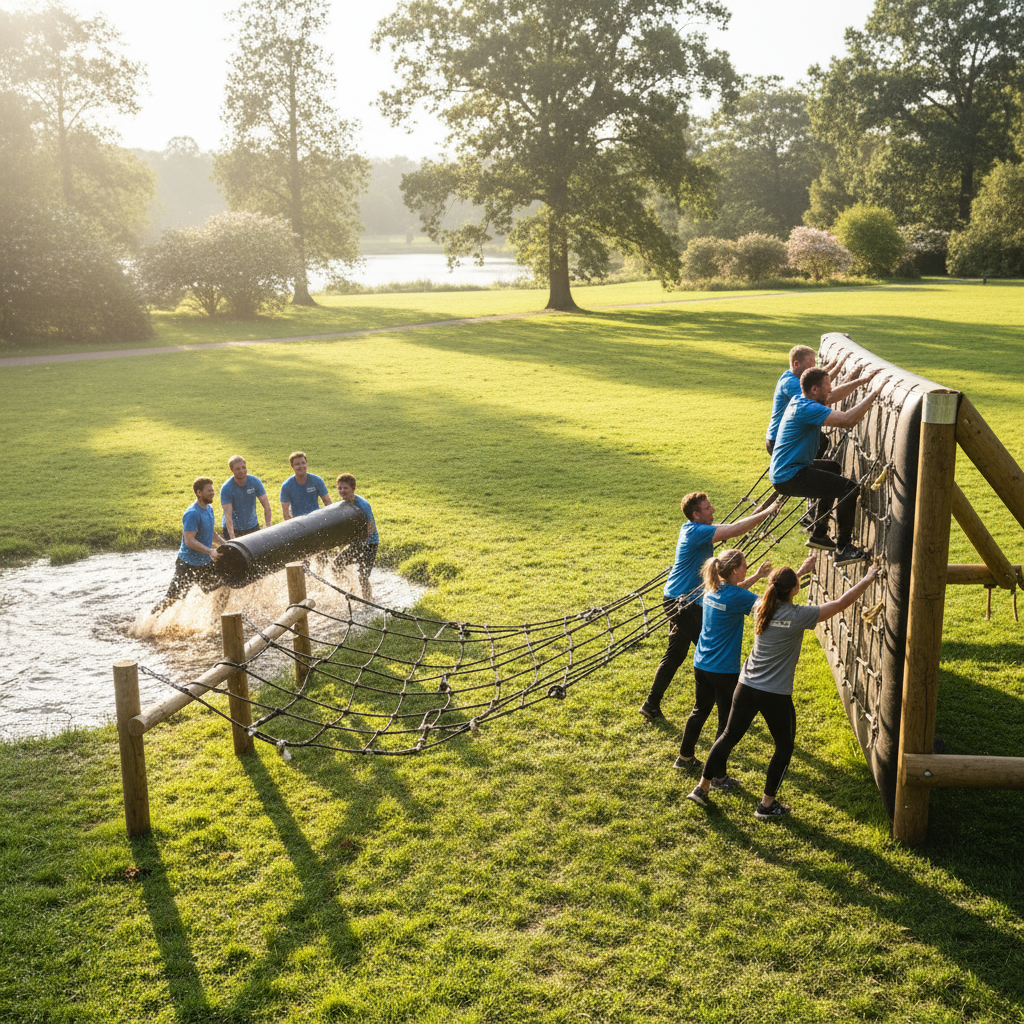
Now, outdoor activities—that’s where things get interesting. Nothing beats getting everyone out of those fluorescent-lit offices and into fresh air. Obstacle courses, sports challenges, adventure outings like hiking or scavenger hunts that turn grown adults into excited kids again. There’s something about physical challenges that strips away the corporate facades and builds genuine trust and camaraderie. Plus, when your team learns to be resilient and adaptable while navigating a rope course, guess what? Those same qualities show up when they’re tackling business challenges. And if you’re thinking long-term (which you should be), exploring business sustainability strategies helps you weave team effectiveness into your overall growth strategy.
Key Aspects of Business Team Building Activities
Alright, let’s get practical. What makes some team building activities absolutely knock it out of the park while others fall flat? Here’s what really matters:
- Versatility and Adaptability: Your activities need to roll with the punches. Small brainstorming sessions or massive outdoor challenges—the best options flex to fit different team sizes, interests, and goals. Because one size definitely doesn’t fit all.
- Purpose-Driven Design: Every activity should have a job to do. Whether you’re trying to get people communicating better, building trust, or sharpening problem-solving skills, that focus keeps things relevant and impactful.
- Inclusivity and Accessibility: This one’s huge. Success means everyone feels like they belong and can contribute meaningfully, regardless of their physical abilities or where they sit on the org chart.
- Facilitation and Structure: Good facilitation is like having a skilled conductor for your orchestra. It guides the team through activities, encourages real reflection, and keeps everyone focused on actually learning something.
Get these aspects right, and you’ll be able to pick team building exercises that actually move the needle for your specific business needs. But choosing the right activities is just half the battle—you’ve also got to nail the execution.
How to Organize Effective Team Building for Lasting Impact
Here’s where the rubber meets the road. Organizing team building events that actually stick requires more than just booking a conference room and ordering pizza. (Though pizza never hurts.) Start by really understanding what your team needs. Are people talking past each other? Is trust broken somewhere? Do you need fresh thinking on stale problems? Getting crystal clear on your goals—and honest about team dynamics, personalities, and existing friction—helps you choose activities that will actually resonate. And here’s a pro tip: weaving in insights from business continuity planning ensures your team building efforts support your bigger picture resilience and strategy.
Next comes the fun part: picking activities that fit your reality. Team size, preferences, schedule constraints, budget—they all matter more than you might think. Indoor activities are perfect when you’re working with tight schedules and tighter budgets. Outdoor adventures take more planning and resources, but the payoff in experiential learning can be incredible. And don’t sleep on virtual options—they’re lifesavers for remote teams and can be surprisingly engaging when done right. For remote teams especially, exploring business communication tools can turn your virtual team building into an ongoing collaboration boost.
Key Aspects of Organizing Effective Team Building
Want your team building events to actually work? Focus on these organizational must-haves:
- Clear Objective Setting: Know what winning looks like before you start. Define success for your team building initiative and let that vision drive every planning decision. No fuzzy goals allowed.
- Inclusive and Collaborative Planning: Get your team involved in the planning process. Their buy-in skyrockets when they help shape the experience, and you’ll end up with activities people actually want to do.
- Timing and Logistics Management: Choose dates and times that work with your workflow, not against it. Smart scheduling and solid resource management aren’t glamorous, but they’re absolutely essential.
- Feedback and Continuous Improvement: Don’t just pack up and call it done. Gather feedback, measure impact, and use those insights to make your next event even better. Team building should evolve with your team.

So here we are—you’ve just discovered how team building can completely transform your workplace. It’s not just about those trust falls or awkward icebreakers you might be picturing. We’re talking about real, strategic activities that actually work: thoughtful indoor workshops, energizing outdoor challenges, and yes, even virtual experiences that don’t make your remote team want to hide behind their muted microphones. These aren’t just “fun activities”—they’re relationship builders, communication enhancers, and trust creators all rolled into one.
But here’s the thing that separates successful team building from those cringe-worthy corporate retreats everyone jokes about later. You’ve got to know your team. What makes them tick? What are they trying to accomplish? One size definitely doesn’t fit all when it comes to bringing people together. The magic happens when you design activities with purpose, make sure everyone feels included, and actually facilitate meaningful connections. When you nail this approach, you’ll see something beautiful: people start understanding each other’s strengths and working together like a well-oiled machine.
Ready to take this further? Your team building efforts should connect to your bigger business strategy—and there are some crucial pieces to consider. First, think about resilience. The importance of business continuity planning becomes crystal clear when your well-connected team can navigate disruptions together. Plus, all that improved communication from team building works even better when you’re using the right business communication tools to keep conversations flowing smoothly. And if you’re growing your team or just starting out, understanding what a business incubator offers can give you access to mentorship and community support that complements your internal team development.
Want to really amplify your results? Strong internal teamwork makes everything else easier—including how you connect with customers. Learning how to use customer relationship management effectively becomes much more powerful when your team is already communicating well and supporting each other. Your team’s confidence will shine through in every interaction, especially when they master skills like how to develop an elevator pitch that clearly represents what your business stands for. And for the long game? Exploring business sustainability strategies helps you build something that lasts while staying true to your values.
Don’t forget the external impact either. A cohesive team that works well together becomes your secret weapon for growth. That’s where smart marketing strategy for small businesses comes into play—your team’s authentic collaboration and shared vision will make your brand story much more compelling to potential customers.
Look, building an amazing team culture doesn’t happen overnight. It takes intention, consistency, and yes—some trial and error along the way. But when you see your people genuinely connecting, solving problems together, and actually enjoying their work? That’s when you know you’re onto something special. Great teams aren’t accidents—they’re the result of leaders who care enough to invest in bringing people together. So why not start today? Pick one strategy we’ve discussed, give it a try, and watch what happens when your team starts clicking on a whole new level.
Frequently Asked Questions
-
What are the most effective team building activities?
- Activities promoting collaboration, communication, and problem-solving are the most effective because they engage employees in meaningful interaction and build trust.
-
How often should businesses conduct team building activities?
- Regularly, such as quarterly or biannually, depending on the team’s needs and company goals, to maintain momentum and continuously improve team dynamics.
-
Can team building activities be done virtually?
- Yes, many engaging virtual activities exist that effectively connect remote teams through interactive games, workshops, and challenges.
-
How do I choose the right team building activities for my business?
- Consider team size, interests, goals, and budget to select suitable activities that resonate and maximize participation.
-
When should a professional facilitator be hired?
- If your team faces complex challenges or you want a structured, impactful experience, hiring a professional can help maximize effectiveness and ensure clear outcomes.