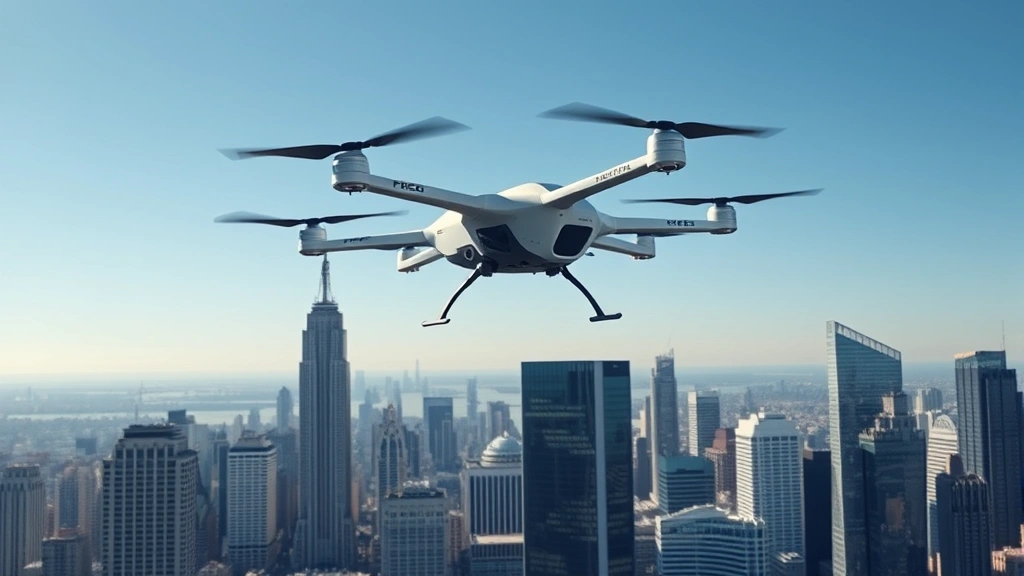
Top eVTOL Companies? Market Leaders Revealed
The electric vertical takeoff and landing (eVTOL) industry represents one of the most transformative shifts in transportation since the advent of commercial aviation. As urban congestion intensifies and sustainability demands grow, eVTOL companies are positioning themselves to revolutionize how people and goods move through cities. The market, valued at billions today, is projected to reach unprecedented heights within the next decade, attracting investment from aerospace giants, automotive manufacturers, and venture capital firms worldwide.
These aircraft promise to reduce travel times, lower emissions, and create entirely new mobility ecosystems. However, the landscape remains highly competitive and fragmented, with companies at various development stages—from early prototypes to those approaching certification. Understanding which eVTOL companies lead the market requires examining their technological innovations, funding trajectories, regulatory progress, and real-world deployment strategies.
Market Overview and Growth Trajectory
The eVTOL market emerged from decades of aviation research and recent breakthroughs in battery technology, electric propulsion systems, and autonomous flight capabilities. Unlike traditional helicopters powered by combustion engines, eVTOL aircraft leverage distributed electric propulsion, offering quieter operations, lower maintenance costs, and zero direct emissions. This fundamental advantage has captured the attention of urban planners, environmental regulators, and investors seeking sustainable transportation solutions.
According to industry analysts at McKinsey & Company, the advanced air mobility (AAM) market could generate $1 trillion in economic value by 2050. Current projections suggest that by 2030, commercial eVTOL operations will be established in major metropolitan areas across North America, Europe, and Asia. The path to this milestone, however, depends critically on regulatory approval, infrastructure development, and the ability of leading companies to demonstrate safe, reliable, and economically viable operations.
When examining biggest trucking companies and their role in logistics, it becomes clear that eVTOL technology could fundamentally reshape last-mile delivery and urban freight. This disruption extends beyond passenger transport into cargo operations, emergency services, and medical delivery—creating multiple revenue streams for market leaders.
Leading eVTOL Companies and Their Technologies
Joby Aviation stands as one of the most prominent eVTOL manufacturers, having achieved significant milestones in aircraft development and regulatory certification. The company’s S4 aircraft features a unique tilt-rotor design with six rotors powered by a centralized electric propulsion system. Joby has secured substantial funding, including backing from Toyota and public investment following its SPAC merger, positioning it as a frontrunner for near-term commercial operations.
Lilium differentiates itself through an all-electric jet-powered approach, utilizing distributed electric propulsion fans. The company’s vertical takeoff capability combined with high-speed cruise performance offers compelling operational economics for regional air mobility. Lilium has established partnerships with operators and airports across multiple continents, signaling confidence in its technology pathway.
Archer Aviation focuses on rapid commercialization through a practical four-passenger aircraft design. The company’s strategy emphasizes achieving certification quickly while maintaining competitive unit economics. Archer’s partnerships with United Airlines and other operators demonstrate strong market demand and operational integration planning.
Volocopter, a German innovator, has pioneered multi-rotor designs with exceptional redundancy features. The company’s emphasis on safety through distributed electric propulsion architecture appeals to regulators and operators concerned with reliability. Volocopter’s progress toward European certification positions it well for initial commercial deployments in Europe.
Wisk Aero, backed by The Boeing Company and Kitty Hawk, focuses on autonomous eVTOL operations. By eliminating pilot requirements, Wisk aims to achieve dramatically lower operational costs—a critical factor for achieving profitable commercial operations at scale. The company’s autonomous technology represents the future evolution of the industry.
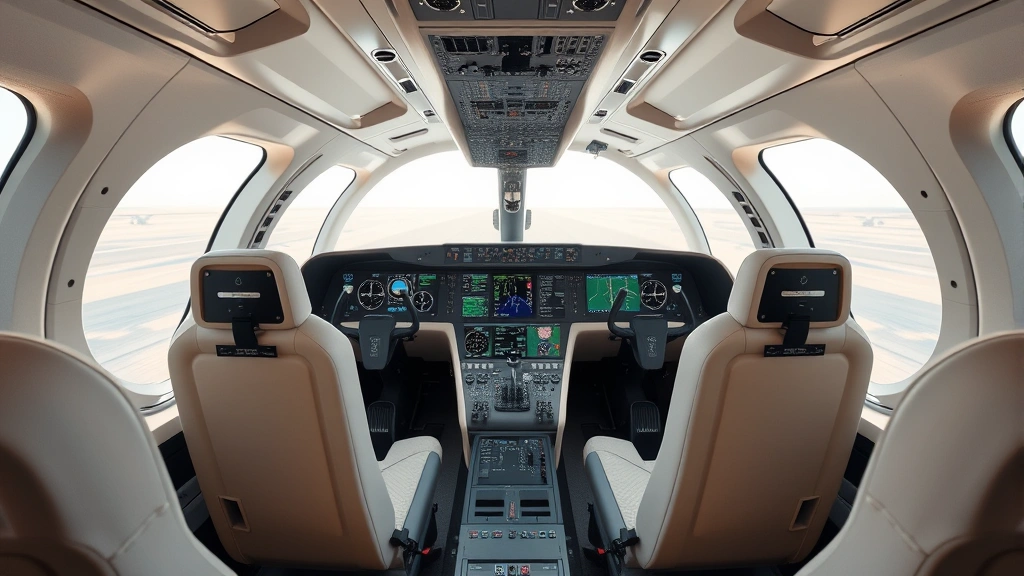
The technology differentiation among these leaders reflects diverse approaches to solving the same fundamental challenges: achieving safe, reliable, economically viable electric flight at scale. Each company’s design choices—rotor configuration, battery management, propulsion architecture—represent different engineering trade-offs balancing performance, safety, manufacturability, and operational flexibility.
Funding and Investment Landscape
Investment in eVTOL companies has reached unprecedented levels, with billions in venture capital, government subsidies, and strategic corporate investment flowing into the sector. This capital influx reflects confidence in the market opportunity and the transformative potential of electric vertical mobility.
Joby Aviation has raised over $1 billion from sources including Toyota, Baillie Gifford, and government entities. The company’s public market entry through SPAC merger provided additional capital for manufacturing scale-up and certification activities.
Lilium similarly achieved substantial funding rounds, with investors including Baillie Gifford, Saudi Arabia’s Public Investment Fund, and various institutional investors. The company’s capital raises have funded aircraft development, manufacturing facility construction, and operational infrastructure development.
Archer Aviation secured significant backing from United Airlines, a strategic investor signaling operational commitment. Additional funding from venture firms and institutional investors has supported the company’s acceleration toward certification and production readiness.
Government support across multiple jurisdictions has also proven critical. The United States, European Union, and various national governments have allocated resources toward eVTOL infrastructure development, regulatory frameworks, and technology incentives. This policy support reduces deployment risk for commercial operators and manufacturers.
The business pricing strategies employed by eVTOL companies reflect the capital-intensive nature of aerospace manufacturing combined with emerging market dynamics. Initial pricing will likely emphasize premium positioning, with costs declining as production scales and technology matures.
Regulatory Approvals and Certification Status
Regulatory certification represents perhaps the most critical milestone for eVTOL companies. Unlike consumer technology startups that can iterate rapidly, aviation manufacturers must navigate rigorous safety certification processes governed by authorities including the FAA (United States), EASA (European Union), and equivalent bodies worldwide.
Joby Aviation has made substantial progress toward FAA certification, with the agency providing Special Conditions guidance that clarifies the certification pathway for novel aircraft designs. This regulatory clarity accelerates the company’s timeline toward commercial operations.
Lilium is pursuing EASA certification in Europe, where the regulatory framework has been actively developed to accommodate innovative aircraft designs. The company’s progress through certification milestones demonstrates the regulatory bodies’ commitment to enabling the advanced air mobility industry.
Archer Aviation has similarly engaged with FAA certification processes, with regulatory guidance supporting the company’s design and operational planning. The FAA’s proactive approach to establishing certification standards has been critical for industry progress.
Regulatory bodies worldwide recognize that overly restrictive certification requirements could stifle innovation, while insufficient standards could compromise safety. The balance regulators are striking—establishing clear, achievable safety standards while enabling technological innovation—will determine how quickly the industry can scale operations.
The company registration number and formal regulatory status of eVTOL manufacturers become increasingly important as they approach certification. These registrations establish legal accountability and regulatory standing with aviation authorities.
Competitive Advantages and Differentiation
In a crowded market with dozens of eVTOL companies pursuing similar goals, competitive differentiation becomes paramount. Market leaders distinguish themselves through several key dimensions:
Technology and Design Innovation: Leading companies have invested heavily in proprietary propulsion systems, battery management architectures, and flight control algorithms. These innovations translate into performance advantages—greater range, faster cruise speeds, lower noise, enhanced safety—that appeal to operators and regulators.
Manufacturing Capability: The transition from prototype to production requires substantial manufacturing expertise. Companies partnering with established aerospace suppliers or building internal manufacturing capability gain competitive advantage through lower production costs and higher quality consistency.
Operator Partnerships: Strategic relationships with airlines, ground transportation companies, and emergency services provide validation of market demand and secure future revenue streams. Companies like Archer, with United Airlines backing, demonstrate strong operator confidence.
Regulatory Expertise: Deep experience navigating aviation certification processes, often built through hiring former FAA and EASA officials, accelerates certification timelines. This expertise translates directly into first-mover advantages in commercial deployment.
Capital Efficiency: Companies demonstrating disciplined capital allocation and clear paths to profitability attract ongoing investment. The ability to achieve certification and initial operations with efficient use of capital becomes increasingly important as venture funding becomes more selective.
Urban Air Mobility Ecosystem Development: Leading companies are investing in vertiport infrastructure, ground transportation integration, and operational software. These ecosystem investments create switching costs and network effects that reinforce market leadership.
Operational Challenges and Solutions
Beyond technology and regulation, eVTOL companies must solve substantial operational challenges to achieve viable commercial services:
Battery Performance and Thermal Management: Current battery technology limits flight duration and payload capacity. Leading companies are partnering with battery manufacturers and investing in thermal management systems to optimize performance. The business benefits of cloud computing extend to eVTOL operations, where real-time data analytics optimize battery performance and predict maintenance needs.
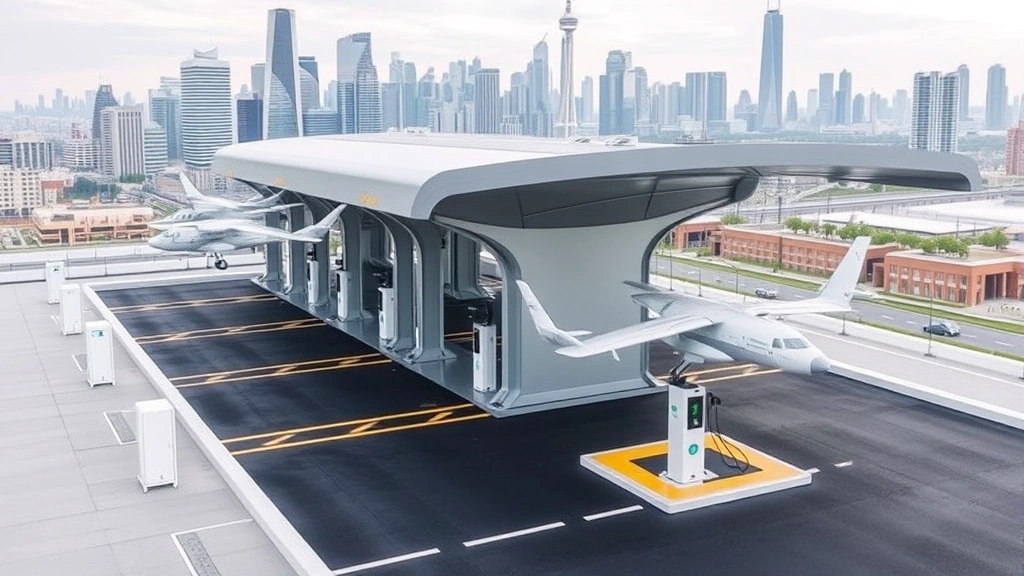
Infrastructure Development: Vertiports—landing facilities designed for eVTOL operations—require significant capital investment. Companies are partnering with real estate developers, airports, and municipalities to establish infrastructure networks supporting commercial operations.
Noise and Community Acceptance: Although quieter than traditional helicopters, eVTOL aircraft still generate noise. Leading companies are investing in advanced rotor designs and operational procedures that minimize community impact and support regulatory approval for urban operations.
Pilot Training and Operations: Until autonomous operations become certified, eVTOL services require trained pilots. Companies are establishing training programs and operational procedures that ensure safe, efficient service delivery while managing labor costs.
Safety and Redundancy: Aviation safety standards demand exceptional reliability. Market leaders are designing distributed electric propulsion systems with multiple independent propulsion units—so that single component failures don’t compromise flight safety. This architectural redundancy adds cost but proves essential for regulatory approval.
Future Outlook and Market Consolidation
The eVTOL industry is likely to experience significant consolidation as companies progress toward commercialization. Success requires not only innovative technology but also substantial capital, manufacturing expertise, regulatory relationships, and operational infrastructure. Companies unable to secure ongoing funding or demonstrate clear paths to certification will likely merge with or be acquired by stronger competitors.
Industry analysts at Harvard Business Review have noted that aerospace manufacturing typically consolidates around 3-5 dominant global players. The eVTOL industry will likely follow this pattern, with leading companies like Joby, Lilium, and Archer potentially becoming core competitors in a consolidated market alongside established aerospace giants.
Geographic diversification will shape competitive dynamics. Companies establishing operations across multiple regions—North America, Europe, Asia-Pacific—will access larger addressable markets and reduce regulatory concentration risk. This geographic expansion requires substantial capital and operational expertise, further favoring well-funded market leaders.
The business sustainability practices adopted by eVTOL companies will increasingly become competitive advantages as environmental regulations tighten and corporate sustainability commitments deepen. Companies demonstrating full lifecycle sustainability—from manufacturing through operations to end-of-life recycling—will appeal to environmentally conscious operators and regulatory bodies.
Technological evolution will continue reshaping competitive dynamics. Autonomous flight capabilities, advanced battery chemistries, and AI-powered traffic management systems will all influence which companies maintain leadership positions. Companies investing aggressively in next-generation technologies while simultaneously executing current commercialization strategies will likely emerge as long-term winners.
Market timing represents another critical factor. The first companies to establish profitable commercial operations will build brand recognition, operator relationships, and infrastructure advantages that compound over time. This first-mover advantage explains the intense focus among leading companies on achieving certification and initial commercial operations within the next 2-3 years.
FAQ
What is an eVTOL aircraft?
An eVTOL (electric vertical takeoff and landing) aircraft is an aircraft powered by electric propulsion systems that can take off and land vertically without requiring a traditional runway. These aircraft represent a new category of transportation combining helicopter-like vertical capabilities with airplane-like speed and efficiency.
Which eVTOL company is closest to commercial operations?
Joby Aviation and Archer Aviation are among the closest to achieving commercial operations, with both companies progressing through FAA certification processes. Joby has emphasized its timeline for launching operations, while Archer is focusing on rapid commercialization through practical aircraft design and operator partnerships.
How much will eVTOL flights cost?
Initial eVTOL services are expected to command premium pricing, likely $200-300 per seat for regional urban routes. As production scales and technology matures, costs are projected to decline substantially. Early commercial services will likely target high-value use cases like airport transfers and executive transportation before expanding to broader markets.
What are the main technical challenges eVTOL companies face?
Primary challenges include battery energy density limitations affecting range and payload, regulatory certification for novel aircraft designs, noise management in urban environments, infrastructure development for vertiports, and achieving manufacturing economies of scale. Market leaders are systematically addressing each challenge through technology innovation, strategic partnerships, and operational planning.
Will eVTOL aircraft replace helicopters?
eVTOL aircraft will likely complement rather than completely replace helicopters for many applications. eVTOL advantages in noise, operating cost, and emissions make them ideal for urban mobility, while traditional helicopters will continue serving remote operations and heavy-lift applications where their capabilities prove superior.
How is the eVTOL market being regulated?
Aviation regulators including the FAA and EASA are actively developing certification standards for eVTOL aircraft. These regulatory frameworks establish safety requirements while enabling technological innovation. Special Conditions guidance from regulators clarifies certification pathways and accelerates industry progress toward commercial operations.


