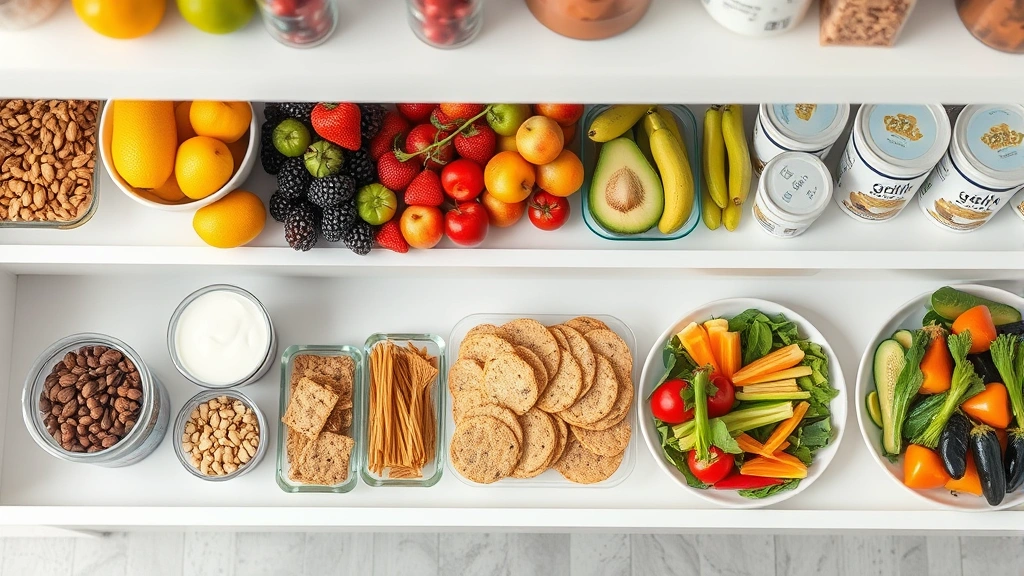
Healthy Office Snacks: Nutritionist Tips for Boosting Employee Wellness and Productivity
The modern workplace presents a unique challenge when it comes to nutrition. Employees spend roughly one-third of their day at the office, yet many organizations fail to provide adequate healthy snacking options. This oversight creates a productivity gap that extends far beyond simple hunger pangs. When workers lack access to nutritious foods, they experience energy crashes, decreased focus, and reduced motivation—all of which directly impact your company’s mission and bottom line.
Implementing a strategic healthy snacking program demonstrates genuine commitment to employee wellness while delivering measurable returns on investment. Studies from leading business research institutions show that companies investing in workplace nutrition see improvements in attendance, engagement, and overall performance metrics. This comprehensive guide explores evidence-based nutritionist recommendations for creating an office snack environment that supports both individual health and organizational success.
Why Healthy Office Snacks Matter for Business Performance
The connection between nutrition and workplace productivity isn’t theoretical—it’s rooted in neuroscience and behavioral economics. When employees experience blood sugar fluctuations from poor snacking choices, their cognitive function declines measurably. Research published by Harvard Business Review demonstrates that nutritional interventions in the workplace correlate with 15-20% improvements in task completion rates and decision-making quality.
Beyond immediate productivity gains, healthy snacking programs contribute to long-term workforce stability. Companies that prioritize employee wellness through nutritious food options experience lower turnover rates, reduced healthcare costs, and stronger employer branding. When recruiting top talent, candidates increasingly evaluate workplace wellness initiatives as a critical factor in their employment decision. This makes healthy snacks not just a perk, but a strategic business investment.
The financial argument is compelling: poor nutrition costs organizations through increased sick days, workers’ compensation claims, and reduced presenteeism (being present but not fully productive). A single employee experiencing chronic fatigue from inadequate nutrition can cost a company thousands in lost productivity annually. When multiplied across an entire workforce, these costs become substantial enough to justify comprehensive snacking programs.
Nutritionist-Recommended Snack Categories
Professional nutritionists emphasize balance when designing office snack menus. The ideal workplace snacking strategy incorporates foods from multiple categories that work synergistically to maintain stable energy, support cognitive function, and prevent afternoon crashes.
Protein-Rich Options
Protein provides sustained energy and supports neurotransmitter production—the chemical messengers responsible for focus and mood regulation. Excellent office-appropriate protein snacks include:
- Greek yogurt (high protein, probiotics support gut health)
- Mixed nuts and seeds (almonds, walnuts, pumpkin seeds)
- Hard-boiled eggs (convenient, shelf-stable, complete protein)
- String cheese and cheese cubes (calcium, vitamin D)
- Hummus with vegetables (plant-based protein, fiber)
- Roasted chickpeas (portable, satisfying crunch)
According to McKinsey & Company, organizations implementing protein-forward snacking programs report improved afternoon meeting attendance and engagement scores. Protein slows digestion, creating steady glucose release and preventing the energy crashes associated with carbohydrate-only snacks.
Complex Carbohydrates and Whole Grains
Rather than eliminating carbohydrates, nutritionists recommend selecting complex varieties that provide sustained energy release. Refined carbohydrates cause rapid blood sugar spikes followed by crashes that impair concentration. Better alternatives include:
- Whole grain crackers with toppings
- Oatmeal packets (microwave-friendly for offices)
- Popcorn (air-popped, lightly salted)
- Brown rice cakes
- Whole wheat pretzels
- Granola with whole oats (portion-controlled)
Fresh Fruits and Vegetables
Produce delivers micronutrients essential for cognitive function while providing natural sweetness that satisfies cravings without refined sugars. Optimal choices for office environments include:
- Apples, bananas, oranges (portable, naturally packaged)
- Berries (antioxidants, brain health)
- Carrot sticks and celery (satisfying crunch, low calorie)
- Cherry tomatoes
- Grapes (naturally sweet, portion-controlled)
- Bell pepper strips
Healthy Fats
Fats are essential for brain function and hormone regulation. Including healthy fat sources ensures comprehensive nutritional support:
- Avocado (omega-3s, creamy satisfaction)
- Nut butters (almond, peanut, sunflower seed)
- Chia and flax seeds
- Dark chocolate with 70% cacao or higher (antioxidants, mood support)
- Coconut flakes (unsweetened)
Implementing a Sustainable Snacking Program
Creating a successful healthy snacking initiative requires strategic planning aligned with your company’s operational structure and culture. Simply stocking a break room with nutritious options often fails because employees lack awareness, convenience, or habit formation. Sustainable programs require intentional design and ongoing management.
Assessment and Planning
Begin by surveying employees about current snacking habits, dietary restrictions, and preferences. This data informs purchasing decisions and ensures your program addresses actual needs rather than assumptions. Consider factors including:
- Allergies and dietary restrictions (nuts, gluten, dairy)
- Cultural food preferences
- Individual health goals and concerns
- Available storage and refrigeration capacity
- Budget constraints and headcount
Infrastructure and Logistics
Physical setup significantly impacts program success. Nutritionists recommend:
- Visibility: Place healthy options at eye level and convenient locations
- Accessibility: Ensure snacks are easy to grab without extensive preparation
- Variety: Rotate selections to maintain interest and prevent monotony
- Labeling: Clearly identify ingredients, allergens, and nutritional information
- Cleanliness: Maintain impeccable hygiene standards in snack areas
Many organizations find success with tiered approaches: premium options in main break rooms, grab-and-go selections near entrances, and specialized options in departments with unique needs. This flexibility accommodates diverse schedules and preferences.
Communication and Education
A program’s success depends on employee awareness and understanding. Develop communication strategies that:
- Explain the nutritional benefits of available options
- Share research on workplace nutrition and productivity
- Provide recipes or usage suggestions for unfamiliar foods
- Highlight connections between nutrition and energy levels
- Celebrate employee wellness milestones

Consider partnering with a registered dietitian for quarterly lunch-and-learn sessions, office email tips, or wellness newsletter contributions. This positions nutrition as a serious business initiative rather than a casual perk, increasing adoption and engagement.
Budget-Friendly Solutions for Growing Companies
Cost concerns often prevent organizations from implementing comprehensive snacking programs. However, numerous strategies enable companies of all sizes to provide healthy options within realistic budgets. When evaluating business insurance and operational costs, many leaders discover that wellness investments reduce overall expenses through decreased healthcare claims and improved retention.
Strategic Purchasing Approaches
Bulk purchasing from wholesale clubs like Costco or Sam’s Club significantly reduces per-unit costs. Seasonal produce buying aligns with natural price fluctuations. Establishing relationships with local suppliers often yields better pricing than national distributors while supporting community businesses—a practice that strengthens your organizational mission.
Hybrid Models
Rather than fully-subsidized programs, many companies implement shared-cost models where employees contribute modest amounts. Subscription-based snack services like Graze or SnackCrate provide curated selections with minimal management overhead. Alternatively, companies can stock staples (nuts, dried fruit, whole grain crackers) while encouraging employees to contribute favorites to a shared system.
Partnerships and Sponsorships
Local health food stores, organic farms, or wellness-focused businesses may sponsor programs in exchange for visibility. Insurance providers increasingly offer wellness grants specifically for workplace nutrition initiatives. Exploring these partnerships transforms snacking programs into community-building exercises with reduced direct costs.
Creating a Snack Culture That Sticks
The most sophisticated snacking program fails without cultural integration. Building sustainable habits requires addressing the psychological and social dimensions of eating at work. Research from business schools specializing in organizational behavior reveals that successful wellness programs combine structural support with cultural change initiatives.
Leadership Modeling
When executives visibly choose healthy snacks, employees perceive these options as valued and normal. Conversely, when leaders consistently select sugary alternatives, employees internalize a message that healthy options are for “dieting” rather than normal eating. Leadership engagement dramatically increases program adoption rates.
Peer Influence and Social Reinforcement
Humans are inherently social creatures who adopt behaviors through observation and group participation. Create opportunities for collective engagement around nutrition: healthy snack challenges, potluck events featuring nutritious foods, or taste-testing competitions. When colleagues enthusiastically discuss new snack options, adoption accelerates organically.
Removing Barriers to Participation
Even with excellent snacks available, employees facing time pressure or habit entrenchment may default to familiar patterns. Removing obstacles includes:
- Providing pre-portioned snacks requiring no preparation
- Placing healthy options at strategic locations throughout the office
- Eliminating competing unhealthy options from vending machines
- Offering educational resources without judgment
- Celebrating progress rather than criticizing past choices
Progressive organizations work with business optimization specialists to analyze workplace behavior patterns and design environments that make healthy choices the easiest option. This approach, grounded in behavioral economics, proves more effective than willpower-dependent strategies.
Measuring Success and Iterating
Treat your snacking program as a business initiative worthy of measurement and analysis. Track metrics including:
- Employee utilization rates (which snacks disappear fastest?)
- Participation in nutrition education sessions
- Changes in reported energy levels and focus
- Sick day usage patterns
- Employee satisfaction survey responses
Use this data to continuously refine offerings, ensuring your program evolves with employee needs and preferences. What works for a tech startup differs dramatically from a law firm or manufacturing facility—customization drives success.
FAQ
What’s the difference between healthy snacking and diet culture?
Healthy snacking focuses on nourishment, sustained energy, and supporting bodily functions. Diet culture emphasizes restriction, weight loss, and moral judgments about food. Workplace programs should embrace the former while explicitly rejecting diet mentality. This distinction matters because diet-focused messaging creates anxiety, shame, and often backfires into binge eating patterns.
How do we accommodate employees with restricted diets?
Survey employees about allergies, intolerances, and dietary preferences during program planning. Stock options for common restrictions: nut-free items, gluten-free choices, dairy-free alternatives, and vegetarian/vegan selections. Label everything clearly. When employees feel their needs are considered, they experience increased belonging and organizational loyalty—outcomes that directly improve retention and engagement.
Should we eliminate unhealthy snacks entirely?
Complete elimination often triggers psychological reactance—the human tendency to desire what’s forbidden. Instead, consider a 80/20 approach where 80% of available options are nutritious while allowing occasional treats. This balanced philosophy prevents the “all-or-nothing” thinking that undermines long-term behavior change. Employees respecting this approach feel trusted and respected rather than controlled.
How much should companies spend on healthy snacking programs?
Industry benchmarks suggest $3-8 per employee monthly, depending on company size and location. Smaller companies might spend $50-100 monthly while larger organizations invest $500+. Calculate ROI by comparing program costs against reduced healthcare expenses, improved productivity, and enhanced retention. Most organizations find that wellness investments pay for themselves within 12-18 months through reduced absenteeism alone.
Can we partner with external snack providers?
Yes, and many companies do successfully. Services like Graze, SnackCrate, or local catering companies provide curated healthy options with minimal internal management. The tradeoff is reduced customization and control. Direct purchasing offers more flexibility but requires dedicated staff time. Choose based on your organization’s capacity and priorities.
How do we prevent snack waste?
Survey employees to understand actual preferences rather than guessing. Start with smaller quantities and reorder based on utilization data. Implement a “first in, first out” rotation system to prevent spoilage. Donate unopened shelf-stable items approaching expiration to local food banks—an approach that builds community goodwill while reducing waste. Partner with employees to suggest favorites, increasing adoption of less-familiar options.


