Inside Ford’s Claycomo Plant: Employee Perspectives on Manufacturing Excellence and Workplace Culture
Ford Motor Company’s Claycomo Assembly Plant in Kansas City, Missouri, stands as one of the automotive industry’s most significant manufacturing facilities, producing some of the company’s most popular vehicles. Beyond the impressive production statistics and technological innovations, the real story of this plant lies in the experiences and perspectives of the thousands of employees who power its operations daily. Understanding the employee viewpoint provides crucial insights into how modern manufacturing facilities maintain competitiveness, foster innovation, and build sustainable workplace cultures in an increasingly challenging industry landscape.
The Claycomo plant represents more than just a production facility—it’s a community hub where skilled workers, engineers, and support staff collaborate to manufacture vehicles that serve millions of customers. Employee perspectives reveal the complexities of contemporary automotive manufacturing, including challenges related to automation, job security, skill development, and work-life balance. By examining these perspectives directly, we gain a comprehensive understanding of what it takes to operate a world-class manufacturing facility in today’s competitive market.

The Claycomo Plant: A Manufacturing Powerhouse
Ford’s Claycomo Assembly Plant has been a cornerstone of American automotive manufacturing since its establishment, consistently ranking among the most productive facilities in the Ford global manufacturing network. The plant currently employs approximately 8,000 workers and produces multiple vehicle platforms, including the Ford F-150 series, which represents some of the highest-revenue vehicles in the automotive industry. Employees at Claycomo take pride in their contribution to vehicles that are widely recognized for quality, reliability, and performance across North America.
From an employee perspective, working at Claycomo offers a unique blend of traditional manufacturing expertise combined with cutting-edge production technologies. Workers describe the facility as a place where legacy manufacturing knowledge meets modern innovation, creating an environment where experienced craftspeople work alongside engineers implementing Industry 4.0 solutions. Many long-tenured employees recall the plant’s evolution from traditional assembly lines to increasingly automated production systems, witnessing firsthand how the automotive industry has transformed over decades.
The plant’s significance extends beyond production metrics. For many employees and their families, Claycomo represents economic stability and opportunity in the Kansas City region. The facility’s success directly impacts the local community, supporting numerous supplier businesses, service providers, and related industries that depend on the plant’s continued operation and profitability.

Employee Work Environment and Facility Conditions
Employees consistently highlight the physical work environment as a critical factor in their daily experience at Claycomo. Modern manufacturing facilities present unique challenges—the combination of heavy machinery, fast-paced production schedules, and repetitive tasks requires careful attention to worker safety and ergonomics. Most employees report that Ford has invested substantially in improving facility conditions, including climate control systems, safety equipment, and ergonomic workstations designed to reduce strain and injury.
The plant operates on multiple shifts to maintain continuous production, which means employees experience varying work schedules. First-shift workers enjoy standard daytime hours, while second and third-shift employees navigate the challenges of working during unconventional times. Employees report that improving employee engagement remains an ongoing priority for plant management, particularly in maintaining morale across all shift rotations.
Safety culture emerges as a paramount concern for Claycomo workers. The facility implements comprehensive safety protocols, regular training programs, and incident reporting systems designed to minimize workplace injuries. Employees acknowledge that while safety standards are rigorous, the nature of automotive assembly work inherently carries occupational hazards. Those with positive experiences credit strong safety management and peer accountability for maintaining a secure working environment.
Facility cleanliness and organization significantly impact employee morale. Workers appreciate when management maintains well-organized production areas, functional break rooms, and accessible facilities. The quality of these everyday amenities directly influences how employees perceive their workplace and their commitment to the organization’s success.
Career Development and Skills Training
One of the most significant aspects of employment at Claycomo involves opportunities for professional growth and skill development. Ford operates comprehensive training programs designed to help employees advance from entry-level positions to supervisory, technical, and engineering roles. Employees interested in career progression report that the company provides apprenticeships, technical certifications, and tuition assistance for degree programs.
The transition toward electrification and advanced manufacturing technologies has created new demand for specialized skills. Employees with electrical engineering backgrounds, software expertise, and advanced robotics knowledge find themselves in high demand within the plant. Ford’s commitment to implementing advanced business management systems and manufacturing technologies means that workers who develop complementary technical skills enhance their career prospects significantly.
Mentorship programs connect experienced workers with newer employees, facilitating knowledge transfer and accelerating professional development. Long-tenured employees often serve as informal mentors, sharing decades of manufacturing expertise with the next generation of workers. This apprenticeship model maintains institutional knowledge while building a skilled, capable workforce prepared for future challenges.
However, some employees express concerns that training opportunities are not equally distributed across all departments or shift rotations. Workers on less-populated shifts or in certain production areas report fewer development opportunities compared to their counterparts on the first shift, creating potential equity issues in career advancement pathways.
Compensation, Benefits, and Job Security
Compensation structures at Ford’s Claycomo plant reflect the company’s union agreements with the United Auto Workers (UAW), which has represented Ford’s hourly workforce for decades. Union membership ensures that wages follow established pay scales based on seniority and job classification, providing predictable income progression for employees. Current wage rates for assembly workers are competitive within the automotive manufacturing sector, though employees often note that inflation erodes purchasing power over time.
Benefits packages include comprehensive health insurance, pension plans, and 401(k) retirement programs. Employees with families particularly value the medical and dental coverage provided through Ford’s benefit plans. The company also offers paid time off, including vacation days, personal days, and bereavement leave, which employees generally regard as reasonable and competitive.
Job security remains a complex issue at Claycomo. While Ford remains committed to the facility’s continued operation, the broader automotive industry faces significant disruption from electrification, autonomous vehicle development, and shifts in consumer preferences. Employees express both confidence in their current positions and uncertainty about long-term employment stability as the industry transitions toward electric vehicles. Some workers worry that future production volumes may not require the same workforce levels, particularly if automation accelerates.
The company has provided some assurances regarding job security through contractual agreements with the UAW, including commitments to invest in facility upgrades and maintain production levels. However, employees remain acutely aware that automotive manufacturing employment is increasingly vulnerable to technological displacement and global market forces.
Technology Integration and Automation Impact
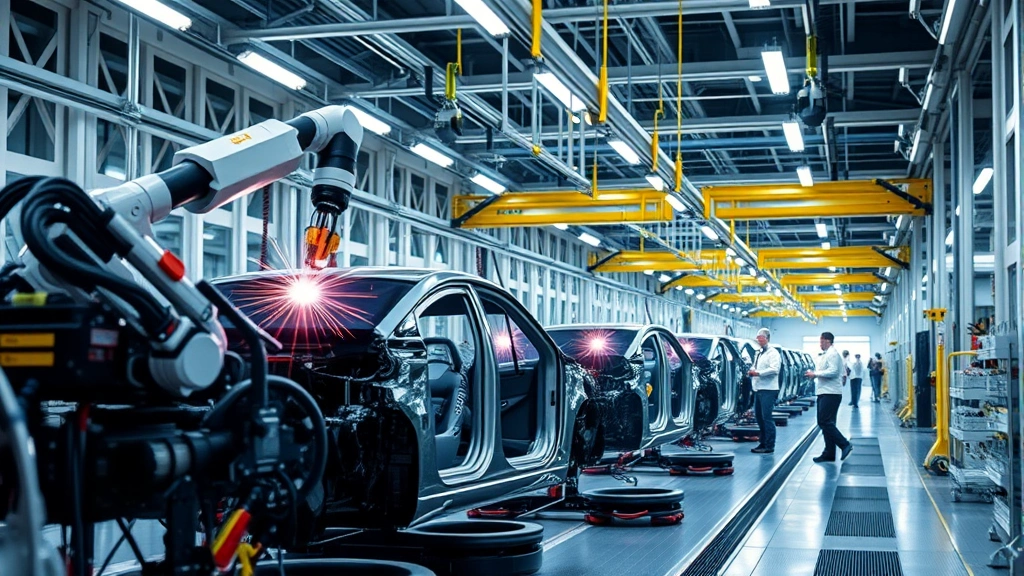
The integration of advanced manufacturing technologies represents one of the most significant transformations occurring at Claycomo. Employees witness increasing automation of tasks previously performed by human workers, including welding, painting, and parts handling. Collaborative robots (cobots) work alongside human employees, handling repetitive or physically demanding tasks while humans manage quality control, problem-solving, and complex assembly operations.
Employee perspectives on automation are nuanced. Some workers appreciate that robots handle dangerous or repetitive tasks, reducing physical strain and injury risk. Others express concern that automation reduces employment opportunities and increases competitive pressure on remaining jobs. The pace of technological change creates anxiety about whether their current skills will remain relevant in five or ten years.
Training programs address technological changes by teaching employees to work effectively with automated systems. Workers learn to program, maintain, and troubleshoot advanced equipment, transforming their roles from pure assembly to technical management and oversight. This evolution requires continuous learning and adaptation, which some employees embrace enthusiastically while others find stressful.
When considering best companies to invest in right now, investors increasingly scrutinize how manufacturers manage the automation transition. Ford’s approach at Claycomo—investing in worker training while implementing productivity-enhancing technologies—represents a balanced strategy that protects workforce viability while maintaining competitive efficiency.
Workplace Culture and Team Dynamics
The culture within Claycomo reflects the complex dynamics of a large, unionized manufacturing facility. Team cohesion is generally strong, with employees recognizing their interdependence in meeting production targets and maintaining quality standards. The shared challenges of shift work, physical labor, and production pressure create bonds among coworkers who understand each other’s experiences intimately.
Management-labor relationships at Claycomo reflect broader patterns in the automotive industry. While unionization provides structured frameworks for addressing grievances and negotiating terms, tensions occasionally emerge between management’s efficiency objectives and workers’ concerns about working conditions and job security. Most employees report respectful professional relationships with supervisors, though some express frustration with top-down decision-making that doesn’t adequately consider frontline worker perspectives.
Diversity and inclusion initiatives have expanded at Claycomo, with the company actively recruiting and supporting women and underrepresented minorities in manufacturing roles. DEI companies list increasingly includes automotive manufacturers implementing comprehensive diversity programs. Employees generally support these initiatives, though some report that progress toward equitable representation remains incomplete in certain departments and leadership levels.
Social connections extend beyond the production floor. Many Claycomo employees participate in company-sponsored activities, recreational leagues, and community events that strengthen workplace relationships and foster a sense of belonging to the Ford family. These informal networks provide crucial support systems, particularly for employees navigating challenging life circumstances or career transitions.
Challenges and Areas for Improvement
Despite many positive aspects, employees at Claycomo identify several challenges requiring management attention. Work-life balance emerges as a persistent concern, particularly for employees on rotating shift schedules. The demands of manufacturing work—including mandatory overtime during peak production periods—can strain family relationships and personal well-being. Employees report that while the company provides overtime pay, additional compensation doesn’t fully compensate for time away from family and personal responsibilities.
Communication between plant management and frontline employees sometimes breaks down, leaving workers feeling excluded from decision-making processes that directly affect their work. Employees express desire for more transparent communication about facility investments, production forecasts, and strategic direction. When workers understand the rationale behind management decisions, they report greater engagement and commitment.
The transition toward electric vehicle production presents both opportunities and challenges. While employees recognize that EV manufacturing is essential for Ford’s future, they worry about whether their current skills will transfer effectively to new production processes. More extensive training and clearer communication about career pathways in EV manufacturing could alleviate these concerns.
Compensation, while competitive by manufacturing standards, hasn’t kept pace with cost-of-living increases in Kansas City. Some employees struggle financially despite earning respectable wages, particularly those supporting families or managing significant debt. Discussions about wage increases periodically surface during union contract negotiations, reflecting ongoing tension between employee needs and company profitability objectives.
Mental health support services remain underdeveloped at many manufacturing facilities, including Claycomo. Employees working demanding manufacturing jobs with stressful production schedules could benefit from expanded mental health resources, counseling services, and stress management programs.
Future Outlook for Claycomo Workers
The future trajectory of employment at Claycomo depends on several interconnected factors: Ford’s ability to successfully transition to electric vehicle production, consumer demand for vehicles manufactured at the facility, technological advancement and automation rates, and broader economic conditions affecting the automotive industry.
Employees express cautious optimism about Claycomo’s future. The facility’s track record of productivity and quality, combined with its strategic importance to Ford’s North American operations, suggests continued relevance. However, the pace of industry transformation creates legitimate uncertainty about employment levels and skill requirements in coming years.
Younger employees entering the manufacturing workforce often view Claycomo as a temporary position or stepping stone rather than a lifelong career. This contrasts with previous generations who built entire careers at the plant. The shift reflects broader changes in employment relationships and generational attitudes toward work, but it also suggests that Ford may face retention challenges as experienced workers retire.
Investment in facility modernization and EV production capabilities would signal management’s commitment to Claycomo’s long-term viability. Employees closely monitor capital investment announcements as indicators of the company’s confidence in the plant’s future. Conversely, any suggestion of capacity reduction or production shifting to other facilities generates anxiety about layoffs and facility closure.
Participation in companies community engagement examples demonstrates Ford’s commitment to the Kansas City region and Claycomo’s role in the broader community. Continued community investment signals that the company views the facility and its workforce as valuable long-term assets rather than disposable resources.
External industry trends also influence Claycomo’s future. As the automotive industry consolidates and shifts toward electrification, manufacturing facilities must continuously demonstrate value through productivity, quality, and flexibility. Claycomo’s ability to adapt to these changes while maintaining a skilled, engaged workforce will determine its success in the coming decade.
FAQ
How many employees work at Ford’s Claycomo plant?
The Claycomo Assembly Plant currently employs approximately 8,000 workers across multiple shifts. Employment levels fluctuate based on production demand, vehicle sales, and seasonal factors, but the facility remains one of Ford’s largest manufacturing operations.
What vehicles are produced at Claycomo?
The plant primarily manufactures the Ford F-150 series, one of the best-selling vehicles in North America, along with other truck and sport utility vehicle platforms. Production mix varies based on market demand and company strategic priorities.
Are Claycomo employees represented by a union?
Yes, the majority of hourly workers at Claycomo are represented by the United Auto Workers (UAW), which negotiates contracts covering wages, benefits, working conditions, and job security. Union membership has been central to Claycomo’s labor history since the facility’s establishment.
What is the starting wage at Claycomo?
Starting wages for assembly positions are established through UAW contracts and typically range from $18-$22 per hour, with progression to higher wages based on seniority and job classification. Exact rates depend on current contract agreements and specific job assignments.
Does Ford offer training and development opportunities at Claycomo?
Yes, Ford provides apprenticeships, technical certifications, tuition assistance, and internal training programs designed to help employees advance their careers. The company invests significantly in workforce development, particularly in areas related to advanced manufacturing technologies and electric vehicle production.
What is the future of employment at Claycomo as Ford transitions to electric vehicles?
While Ford is investing in EV production capabilities at various facilities, Claycomo’s specific role in EV manufacturing remains subject to strategic planning. The company has committed to maintaining investment in the facility, but employees acknowledge that production volumes and workforce requirements may change as the industry transitions toward electrification.
How does Claycomo compare to other Ford manufacturing plants?
Claycomo ranks among Ford’s most productive and strategically important manufacturing facilities globally. The plant’s track record of quality, efficiency, and workforce stability positions it favorably compared to many other automotive assembly operations, though it faces similar challenges related to automation and industry transformation.


