Is HARO Company BMX the Best? Expert Review
The BMX bike market has evolved dramatically over the past two decades, with manufacturers competing fiercely to deliver superior performance, durability, and innovation. HARO Company stands as one of the most recognized names in the industry, having established itself as a leader since its founding in 1978. But is HARO Company BMX truly the best option available to riders today? This comprehensive expert review examines HARO’s product quality, market positioning, customer satisfaction, and competitive standing to help you make an informed decision about whether their bikes align with your riding goals and budget.
For both beginners entering the BMX world and seasoned professionals seeking competitive equipment, understanding HARO’s strengths and limitations is essential. The company has built a reputation on consistent quality and innovation, but the market landscape includes several formidable competitors. This analysis evaluates HARO’s offerings across multiple dimensions, providing you with the strategic insights needed to assess whether this brand deserves a place in your equipment selection strategy.
HARO Company History and Market Position
HARO Company’s journey began in Southern California during the early BMX boom, founded by Bob Haro, a legendary figure in BMX history. The company quickly established itself as an innovator, introducing groundbreaking designs and manufacturing techniques that set industry standards. This heritage provides HARO with significant credibility and institutional knowledge that newer manufacturers simply cannot replicate.
Today, HARO maintains a substantial market share in the BMX industry, with distribution across major retailers and specialty bike shops worldwide. The company’s longevity demonstrates resilience and adaptability—essential qualities in an industry driven by technological advancement and shifting consumer preferences. Understanding HARO’s strategic position requires examining how they’ve maintained relevance while competitors have emerged and faded.
The brand’s association with professional riders and competition success has reinforced its market standing. HARO bikes appear regularly in major BMX competitions, and the company sponsors numerous athletes across freestyle, racing, and park disciplines. This professional endorsement creates a halo effect that influences consumer purchasing decisions and reinforces brand perception as a quality manufacturer.

Product Quality and Engineering Excellence
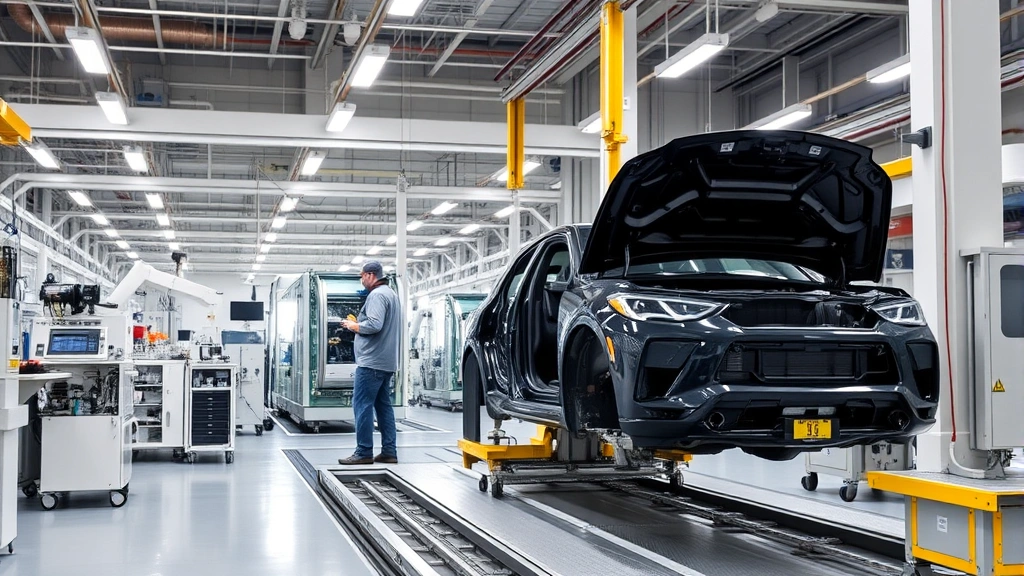
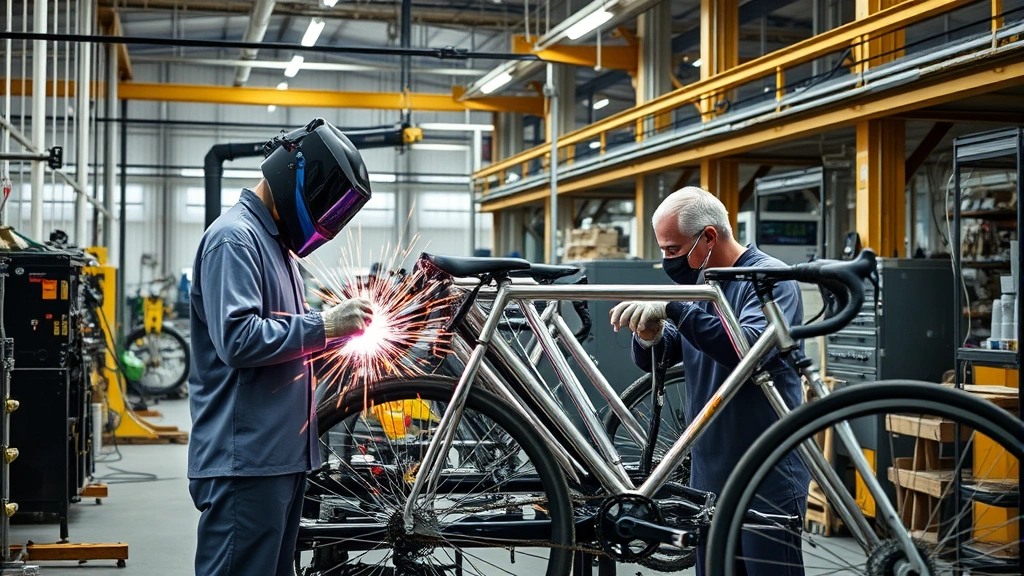
HARO’s manufacturing standards reflect decades of accumulated expertise. The company employs rigorous quality control processes throughout production, from raw material selection to final assembly. Their frames utilize high-tensile steel and chromoly materials, with welding techniques that ensure structural integrity under extreme riding conditions. This commitment to material science directly impacts bike longevity and performance reliability.
The engineering approach at HARO emphasizes geometry optimization for specific riding styles. Whether designing for street tricks, park riding, or BMX racing, HARO engineers tailor frame dimensions to maximize performance in each discipline. This specialized approach contrasts with manufacturers offering generic designs across multiple categories, demonstrating HARO’s commitment to purposeful engineering rather than one-size-fits-all solutions.
Component selection represents another quality indicator. HARO partners with reputable suppliers for drivetrain components, brakes, and wheels, ensuring compatibility and performance consistency. Rather than sourcing the cheapest available parts, the company prioritizes components that complement frame design and support the intended riding experience. This holistic approach to quality extends beyond the frame itself.
Performance Across BMX Disciplines
HARO’s product lineup addresses multiple BMX disciplines, each with distinct performance requirements. In BMX racing, their bikes emphasize lightweight construction and responsive geometry that translates to competitive advantages on track. Racing-focused models feature optimized wheelbase dimensions and bottom bracket heights that experienced racers recognize as performance-critical specifications.
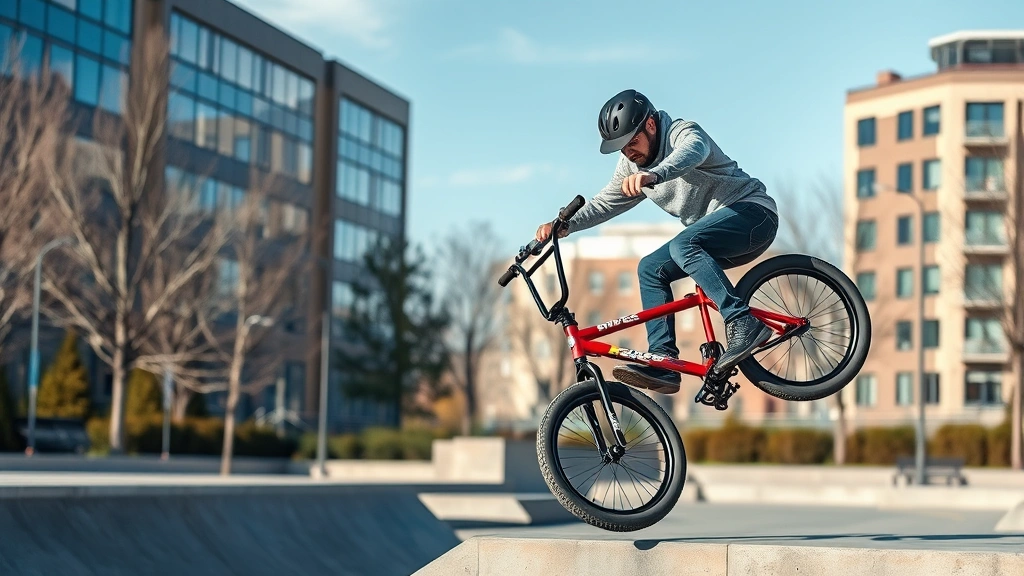
For freestyle and park riding, HARO designs emphasize durability and trick-friendly geometry. Freestyle bikes feature reinforced frames capable of withstanding repeated impacts from tricks, while maintaining the responsive handling that allows riders to progress their skill levels. The company’s street-oriented models have earned respect from professional street riders who demand uncompromising performance standards.
Casual and beginner-oriented HARO models maintain the same manufacturing standards as professional equipment, ensuring that riders new to BMX experience quality construction regardless of price point. This democratization of quality represents a strategic advantage, as it builds brand loyalty from entry-level riders who may progress to premium models as their skills develop and budgets increase.
Testing across different riding environments reveals HARO bikes perform consistently well in varied conditions. Riders report excellent handling characteristics, predictable braking performance, and frame durability that withstands aggressive riding. These real-world performance indicators matter more than specifications alone, as they reflect how bikes actually perform during actual use rather than controlled laboratory conditions.
Competitive Landscape Analysis
The BMX market includes several competitors worthy of serious consideration. Brands like Sunday Bikes, Kink, Subrosa, and Federal have established strong followings and produce bikes of comparable quality to HARO offerings. Each competitor emphasizes different strengths—some focus on innovative design, others on pricing competitiveness, and still others on niche market specialization.
Sunday Bikes has gained significant market share through aggressive marketing and sponsorship of elite riders. Their bikes offer excellent performance at competitive price points, appealing to budget-conscious consumers without sacrificing quality. Kink focuses on freestyle innovation, introducing frame designs that appeal specifically to street and park riders seeking distinctive geometry.
Subrosa positions itself as a premium brand with higher price points justified by advanced manufacturing and exclusive component partnerships. Federal bikes appeal to riders seeking European design influences and distinctive aesthetics. This competitive diversity means HARO must continually innovate to maintain leadership position, and the market benefits from ongoing competition driving quality improvements across all manufacturers.
Price-to-performance analysis reveals HARO competes effectively against most competitors. Their bikes typically cost more than budget brands but less than premium specialists, positioning them in the mainstream market segment. This middle-market positioning appeals to serious riders seeking quality without premium pricing, but may not satisfy budget shoppers or those demanding absolute top-tier performance regardless of cost.
Customer Satisfaction and Real-World Reviews
Customer satisfaction metrics provide objective assessment of HARO’s performance. Online reviews across major retailers consistently award HARO bikes ratings between 4.0 and 4.5 out of 5 stars, indicating strong customer satisfaction. Positive reviews frequently praise build quality, geometry, and component reliability, suggesting the company delivers on its quality promises.
Professional riders and industry experts provide additional credibility through technical reviews. BMX media outlets regularly feature HARO bikes in comparative analyses, with reviewers noting the brand’s consistent performance standards. When HARO bikes receive criticism, it typically addresses specific design choices rather than fundamental quality issues, suggesting any shortcomings reflect intentional design decisions rather than manufacturing defects.
Warranty support and customer service represent important satisfaction factors. HARO offers reasonable warranty coverage and maintains responsive customer support, with riders reporting positive experiences when addressing issues. This after-purchase support builds confidence in the brand and contributes to strong customer retention and repeat purchases.
Long-term durability reports from experienced riders indicate HARO bikes hold up well over years of regular use. Frames rarely require replacement due to structural failure, and components maintain functionality with standard maintenance. This durability translates to better total cost of ownership, as riders can use HARO bikes for extended periods before requiring replacement.
Pricing Strategy and Value Proposition
HARO’s pricing reflects their market positioning as a quality mainstream manufacturer. Entry-level models start around $300-400, while mid-range bikes typically cost $500-800, and premium models exceed $1,000. This pricing structure aligns with competitor offerings, suggesting market equilibrium around these price points for bikes of comparable quality.
Value proposition analysis reveals HARO delivers solid returns on investment. The combination of build quality, component selection, and brand reputation justifies their pricing relative to budget alternatives. Compared to premium brands, HARO offers comparable quality at lower prices, making them an intelligent choice for cost-conscious buyers seeking maximum value.
When creating a business case for bike purchases—whether for personal use or retail inventory—HARO’s pricing provides compelling economics. The brand’s market recognition ensures good resale value, and bike durability means lower replacement costs over time. These economic factors make HARO a strategically sound choice for budget-conscious consumers.
Promotional pricing and seasonal discounts frequently make HARO bikes even more attractive to value-seeking buyers. Retailers often feature HARO models in sales events, and direct manufacturer promotions occasionally offer bundled components or accessories that enhance the overall value proposition.
Innovation and Future Direction
HARO continues investing in research and development to maintain competitive position. Recent innovations include improved frame geometry based on biomechanical analysis, enhanced welding techniques for lighter frames, and component partnerships introducing new technologies to their bikes. This commitment to innovation suggests the brand will remain competitive in future market conditions.
The company has adapted to market trends including increased focus on sustainability and environmental responsibility. HARO has begun evaluating manufacturing processes to reduce environmental impact, responding to growing consumer demand for sustainable products. This adaptation demonstrates organizational flexibility and awareness of long-term market direction.
Digital integration represents an emerging area where HARO may develop competitive advantages. Some manufacturers have begun incorporating smart technology into bikes, and HARO’s resources position them to explore these opportunities. Whether this represents a meaningful market opportunity remains uncertain, but the company’s innovation capacity suggests they’ll participate in technology trends if they gain market traction.
Looking forward, HARO’s challenges include maintaining relevance as consumer preferences evolve and competition intensifies. The brand’s heritage provides foundation, but continued innovation and adaptation remain essential for sustained market leadership. Industry analysts at Harvard Business Review emphasize that established brands must balance heritage preservation with forward-thinking innovation—a challenge HARO navigates actively.
Market research from McKinsey suggests the BMX market will continue evolving with increased focus on specialized disciplines and niche communities. HARO’s broad product portfolio positions them well for this fragmentation, as they can develop specialized bikes for emerging segments while maintaining core offerings for traditional markets.
Making Your Decision: Is HARO the Best Choice?
Determining whether HARO represents the best choice depends on individual priorities and circumstances. For riders seeking quality mainstream bikes with strong brand reputation and excellent value, HARO delivers compelling advantages. The brand’s manufacturing standards, product range, and customer support create a compelling package for most buyers.
However, specific use cases may favor alternative manufacturers. Budget-conscious beginners might find excellent value in lower-cost competitors. Riders seeking cutting-edge innovation or specialized geometry might prefer niche brands focusing on their specific discipline. Professional competitors might choose premium brands offering marginal performance advantages despite higher costs.
The best approach involves clearly defining your priorities—budget constraints, intended riding style, performance expectations, and aesthetic preferences—then evaluating how HARO and competitors align with those priorities. HARO rarely disappoints on fundamental quality and value, but alternative options may better serve specific needs.
For organizational contexts, consider implementing a business plan that evaluates bike inventory decisions strategically. Retailers and distributors should assess whether HARO’s brand strength and customer satisfaction justify shelf space allocation compared to competitors. Business management software can help track inventory performance and customer preference data to inform these decisions.
Leadership perspectives matter in organizational bike programs. Business leadership styles emphasizing data-driven decision-making should incorporate customer satisfaction metrics, sales performance, and market research when evaluating bike brand partnerships. Teams should also consider how employee engagement factors in—staff riding HARO bikes may develop stronger brand advocacy if they appreciate quality and performance.
Business networking strategies in the BMX community often center on brand relationships and retailer partnerships. HARO’s established network of professional athletes, retailers, and community events creates valuable networking opportunities for those aligned with the brand.
FAQ
Are HARO BMX bikes suitable for beginners?
Yes, HARO offers excellent beginner-friendly bikes that maintain quality standards while addressing entry-level needs. Their complete bikes in the $300-500 range provide good value and reliable performance for new riders developing fundamental skills.
How does HARO compare to Sunday Bikes?
Both brands offer comparable quality at similar price points. HARO emphasizes heritage and broad product range, while Sunday Bikes focuses on modern design and aggressive marketing. Choice between them depends on personal preference for brand philosophy and specific bike geometry.
What warranty does HARO provide?
HARO typically offers limited lifetime warranty on frames and one-year warranties on components. Specific warranty terms vary by model and retailer, so verify details before purchase.
Are HARO bikes good for racing?
HARO’s racing-focused models are excellent for competitive BMX racing. Their geometry and lightweight construction appeal to serious racers, though professional competitors might prefer premium alternatives depending on specific requirements.
Where can I purchase HARO BMX bikes?
HARO bikes are available through major retailers including Walmart and Dick’s Sporting Goods, specialty bike shops, and online retailers. Direct purchase from HARO’s website is also possible for select models.
Do HARO bikes hold resale value?
Yes, HARO’s brand reputation and quality construction mean bikes retain reasonable resale value. Used HARO bikes typically sell for 40-60% of original retail price depending on condition and model age.
What makes HARO different from budget brands?
HARO invests in quality materials, precision manufacturing, and component selection that exceed budget brand standards. This results in better durability, performance, and longevity that justify higher pricing.