Top Italian Car Brands: Auto Expert Analysis
Italian automotive manufacturers have established themselves as synonymous with luxury, performance, and timeless design. From the rolling hills of Tuscany to the industrial centers of Turin and Maranello, Italy’s car companies represent a unique blend of engineering excellence and artistic vision. These brands have shaped global automotive culture for over a century, influencing how the world perceives speed, elegance, and mechanical craftsmanship.
The Italian automotive industry generates substantial economic value, employing hundreds of thousands of workers and contributing significantly to the nation’s GDP. Beyond mere transportation, Italian car brands have become cultural ambassadors, representing Italian heritage and the philosophy of “la dolce vita.” Understanding these manufacturers requires examining their historical significance, current market positioning, and future strategic direction in an increasingly competitive global landscape.
Ferrari: The Prancing Horse Legacy
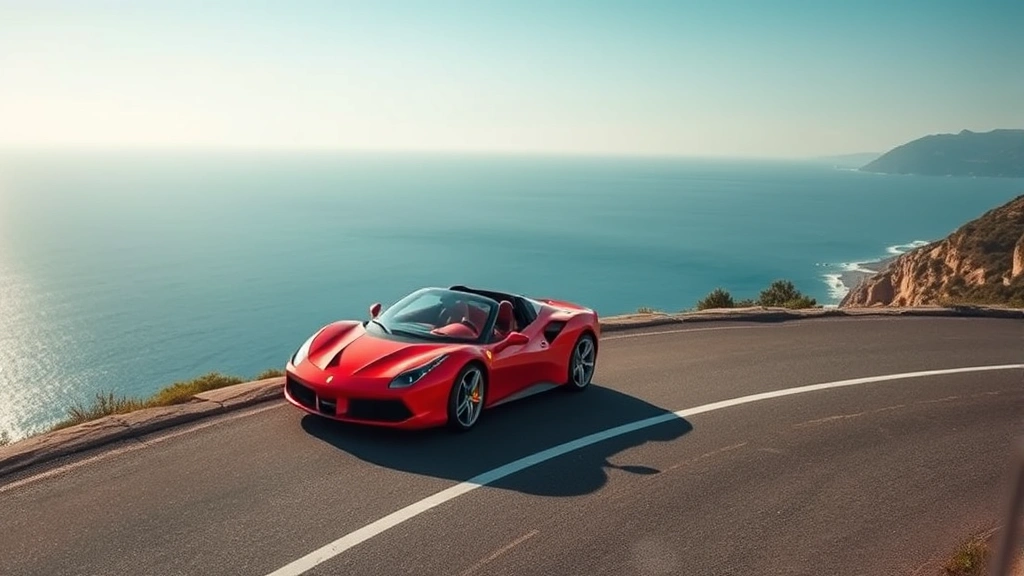
Ferrari stands as the quintessential Italian automotive icon, representing the pinnacle of performance and exclusivity. Founded by Enzo Ferrari in 1947, the company has produced some of the world’s most coveted automobiles. The iconic Prancing Horse logo symbolizes not merely a vehicle manufacturer but a cultural phenomenon that transcends the automotive industry.
Ferrari’s business model centers on limited production runs, ensuring exclusivity and maintaining brand prestige. The company produces approximately 10,000 vehicles annually, a deliberate constraint that preserves demand and justifies premium pricing. Each Ferrari represents the culmination of advanced engineering, hand-crafted components, and meticulous quality control. The brand’s heritage includes legendary models like the 250 GTO, F40, and contemporary hypercars that command multi-million dollar valuations.
The company’s strategic positioning emphasizes technological innovation and racing heritage. Ferrari’s involvement in Formula 1 racing provides continuous development opportunities and brand enhancement. This racing connection influences road car development, creating a virtuous cycle where competitive motorsport knowledge translates into consumer vehicle advancement. McKinsey research on luxury automotive markets demonstrates that heritage-driven brands like Ferrari maintain pricing power through narrative authenticity and exclusivity management.
Ferrari’s recent expansion into hybrid and electric vehicle technology demonstrates strategic adaptation while preserving brand identity. The company announced plans to introduce fully electric vehicles by 2025, representing a significant evolution without compromising performance expectations. This transition requires sophisticated battery technology, regenerative braking systems, and weight optimization—challenges that leverage Ferrari’s engineering expertise.
Lamborghini: Rebellious Performance
Lamborghini emerged from post-war Italian entrepreneurship, founded by Ferruccio Lamborghini in 1963. Unlike Ferrari’s racing-focused heritage, Lamborghini built its reputation on powerful, visually stunning supercars designed for road use. The brand embodies a different philosophy: aggressive styling, technological innovation, and unapologetic performance.
The Lamborghini brand identity emphasizes bold design language, with sharp angles, low-slung proportions, and attention-grabbing aesthetics. Models like the Countach revolutionized automotive design, influencing generations of performance car development. Contemporary Lamborghinis maintain this design tradition while incorporating cutting-edge technology, aerodynamics, and sustainable materials.
Lamborghini’s ownership structure has evolved significantly, passing through various parent companies including Chrysler and currently operating under Audi (Volkswagen Group). This corporate structure provides substantial R&D resources while maintaining brand independence. The Volkswagen Group connection enables technology sharing, particularly regarding hybrid and electric powertrains, without diluting Lamborghini’s distinct character.
The company’s market strategy targets ultra-high-net-worth individuals seeking distinctive, conversation-starting vehicles. Production remains limited, typically ranging from 3,000-4,000 units annually. Lamborghini’s recent announcement to transition toward hybrid technology by 2024 reflects industry-wide electrification pressures while maintaining performance credentials.
Alfa Romeo: Heritage and Innovation
Alfa Romeo represents a different segment of Italian automotive excellence—a brand with deep historical roots dating to 1910. The company pioneered numerous automotive innovations and maintains a reputation for spirited driving dynamics and sophisticated design. Unlike Ferrari or Lamborghini, Alfa Romeo historically produced vehicles for a broader market segment, though always emphasizing driving engagement.
The brand’s heritage includes legendary race cars and influential road models like the Spider, 147, and contemporary offerings. Alfa Romeo’s design philosophy emphasizes proportional elegance, mechanical simplicity, and driver connection—values increasingly rare in modern automotive development. The company’s return to the North American market in 2017 represented a strategic expansion after a 20-year absence.
Alfa Romeo’s current product strategy focuses on compact and mid-size vehicles, positioning the brand as an accessible luxury alternative. Models like the Giulia sedan and Stelvio SUV combine Italian design sensibilities with modern technology and manufacturing standards. This positioning requires balancing heritage authenticity with contemporary market demands and regulatory requirements.
The brand’s sustainability initiatives align with broader corporate parent strategies while maintaining distinct identity. Alfa Romeo’s commitment to business sustainability practices extends beyond environmental considerations to encompassing ethical manufacturing, supply chain transparency, and social responsibility—values increasingly important to discerning consumers.
Maserati: Luxury and Sophistication
Maserati occupies a unique position in Italian automotive hierarchy, representing accessible luxury with sporting credentials. Founded in 1914, the brand evolved from racing manufacturer to luxury car producer, emphasizing refinement alongside performance. Maserati’s identity centers on understated elegance and mechanical sophistication rather than aggressive styling.
The brand’s current portfolio includes the Quattroporte luxury sedan, Levante SUV, and GranTurismo coupe, each designed to deliver performance wrapped in sophisticated packaging. Maserati’s design language emphasizes proportion, quality materials, and attention to detail—hallmarks of Italian craftsmanship. The company maintains lower production volumes than mainstream manufacturers, typically producing 30,000-40,000 vehicles annually.
Maserati’s strategic positioning targets executives and entrepreneurs seeking distinctive luxury vehicles that don’t broadcast wealth ostentatiously. The brand appeals to individuals who value mechanical knowledge, appreciate automotive history, and prefer understated elegance over flashy aesthetics. This positioning requires sophisticated marketing and selective distribution networks.
The company’s technology development emphasizes advanced powertrains, including hybrid systems and performance-oriented electric vehicles. Maserati’s partnership with parent company Stellantis provides resources for electrification while preserving brand distinctiveness. The brand’s future includes a planned fully electric vehicle, representing significant strategic evolution.
Pagani: Hypercar Excellence
Pagani represents the pinnacle of boutique automotive manufacturing, producing extreme performance vehicles with price tags exceeding $3 million. Founded by Horacio Pagani in 1992, the company represents a continuation of Italian hypercar tradition, emphasizing hand-crafted construction and cutting-edge engineering.
Pagani’s production volumes remain extraordinarily limited, typically producing fewer than 100 vehicles annually. Each vehicle undergoes meticulous hand assembly, with components sourced from specialized suppliers worldwide. The company operates more as a bespoke engineering firm than conventional manufacturer, offering customization options that extend far beyond typical automotive parameters.
The brand’s vehicles showcase exotic materials including carbon fiber composites, titanium components, and advanced aerodynamic systems. Pagani’s engineering team consists of specialists drawn from aerospace, motorsport, and luxury manufacturing sectors, bringing diverse expertise to vehicle development. This specialized approach justifies extraordinary pricing while appealing to collectors viewing automobiles as investment assets.
Pagani’s market strategy emphasizes exclusivity, craftsmanship, and technological innovation. The company maintains waiting lists extending years into the future, with demand consistently exceeding production capacity. This scarcity-driven positioning creates powerful brand psychology while funding continued development initiatives.
Fiat: Democratic Mobility
Fiat represents a fundamentally different Italian automotive philosophy—mass-market mobility emphasizing affordability, practicality, and efficiency. Founded in 1899, Fiat motorized Italy, producing vehicles accessible to ordinary citizens while establishing manufacturing standards that influenced global automotive development. The iconic Fiat 500 symbolizes this democratic approach to mobility.
The company’s historical significance extends beyond vehicle production to encompassing industrial organization, labor relations, and manufacturing innovation. Fiat’s assembly line techniques influenced automotive manufacturing globally, while the brand’s vehicles achieved iconic status through cultural integration and design excellence. The Fiat 500, introduced in 1957, remains one of automotive history’s most influential vehicles.
Fiat’s current market position emphasizes value, style, and environmental responsibility. The company produces vehicles primarily for European markets, with limited North American presence. Contemporary Fiat models emphasize fuel efficiency, compact dimensions suited to urban environments, and distinctive Italian design sensibilities.
The brand’s sustainability approach aligns with European regulatory requirements and consumer preferences, emphasizing efficient powertrains and reduced environmental impact. Fiat’s electrification strategy includes the popular 500e electric vehicle, bringing zero-emission mobility to mass-market segments. This positioning demonstrates how organizational efficiency and employee productivity improvements translate to manufacturing excellence and cost competitiveness.
Market Dynamics and Competition
Italian car brands face intensifying competition from established German manufacturers and emerging Chinese automotive companies. The global luxury vehicle market experiences significant consolidation, with parent companies leveraging shared platforms and technology while maintaining brand distinctiveness. This dynamic requires sophisticated portfolio management and strategic differentiation.
Harvard Business Review analysis of automotive industry consolidation demonstrates how luxury brands maintain value through heritage preservation while accessing parent company resources. Italian manufacturers navigate this balance through careful brand stewardship and selective technology integration.
Electric vehicle transition represents the most significant competitive challenge and opportunity. Traditional Italian strengths in engineering and design require adaptation to battery technology, software development, and charging infrastructure. Companies successfully managing this transition will maintain market relevance, while those struggling risk obsolescence.
The Chinese automotive market’s growing importance influences Italian brand strategies significantly. Luxury vehicle demand in China drives production decisions, pricing strategies, and technology development. Several Italian brands establish Chinese manufacturing facilities or partnerships, balancing global expansion with heritage preservation.
Effective business communication tools and workplace collaboration systems become increasingly critical as Italian automotive companies operate globally, coordinating development, manufacturing, and distribution across multiple continents and regulatory environments.
Sustainability and Future Trends
Italian automotive manufacturers recognize sustainability as fundamental to long-term viability. Environmental regulations, consumer preferences, and investor expectations drive comprehensive sustainability initiatives extending beyond vehicle electrification. Companies implementing holistic sustainability practices throughout operations gain competitive advantages and risk mitigation benefits.
Battery technology development represents a critical competitive arena. Italian companies increasingly invest in solid-state batteries, fast-charging infrastructure, and circular economy approaches to battery recycling. These investments require substantial capital allocation and partnership development with technology specialists.
Manufacturing sustainability encompasses energy efficiency, waste reduction, and ethical sourcing. Italian automotive facilities implement renewable energy systems, water conservation technologies, and advanced recycling programs. These initiatives reduce environmental impact while improving operational efficiency and cost competitiveness.
Supply chain transparency and ethical sourcing reflect growing stakeholder expectations. Italian brands increasingly trace component origins, verify labor practices, and ensure supplier compliance with environmental and social standards. This commitment differentiates premium brands while aligning with companies’ community engagement examples and corporate responsibility frameworks.
Autonomous vehicle technology and mobility services represent emerging strategic considerations. While Italian brands emphasize driver engagement and mechanical connection, autonomous systems will inevitably influence future vehicle design and functionality. Companies balancing traditional values with technological evolution will capture emerging market opportunities.
Digital technology integration extends beyond autonomous capabilities to encompassing connected vehicle systems, over-the-air updates, and data analytics. These technologies require substantial software expertise, cybersecurity measures, and customer data management frameworks—areas where traditional automotive companies require significant capability development.
Strategic partnerships with technology companies, battery manufacturers, and software developers become increasingly important. Italian brands leverage business incubator concepts and innovation partnerships to accelerate technology development while maintaining core competencies in design and engineering.
The future of Italian automotive excellence depends on successfully balancing heritage preservation with technological innovation. Brands maintaining distinctive identities while embracing necessary technological transitions will thrive in evolving markets. Those clinging exclusively to traditional approaches risk irrelevance, while those abandoning heritage lose competitive differentiation.
FAQ
What makes Italian cars distinctive in the global market?
Italian automotive brands combine engineering excellence with distinctive design sensibilities emphasizing elegance, performance, and driver engagement. This combination reflects broader Italian cultural values emphasizing aesthetics, craftsmanship, and quality. Italian manufacturers historically prioritized driving dynamics and mechanical sophistication, creating vehicles that appeal to enthusiasts valuing automotive purity.
How do Italian luxury brands maintain pricing power in competitive markets?
Italian luxury brands maintain premium positioning through heritage authenticity, limited production volumes, distinctive design, and brand storytelling. Customers purchasing Ferrari, Lamborghini, or Maserati vehicles acquire not merely transportation but cultural artifacts representing Italian excellence. This narrative-driven positioning justifies premium pricing while creating psychological value transcending functional vehicle attributes.
What challenges do Italian automotive companies face regarding electrification?
Italian manufacturers must transition from traditional internal combustion expertise to electric powertrains while preserving brand identity and performance characteristics. This requires substantial investment in battery technology, software development, and manufacturing infrastructure. Companies must balance heritage preservation with technological innovation, avoiding alienating traditional customers while appealing to environmentally conscious consumers.
Which Italian brands target mass-market versus luxury segments?
Fiat primarily targets mass-market segments with affordable, efficient vehicles emphasizing practicality and style. Alfa Romeo occupies the accessible luxury space, offering engaging driving dynamics with contemporary technology. Ferrari, Lamborghini, Pagani, and Maserati focus on luxury and ultra-luxury segments, with Ferrari and Lamborghini emphasizing extreme performance while Maserati and Pagani emphasize sophistication and exclusivity.
How does parent company ownership influence Italian brand strategies?
Parent company ownership provides substantial resources for technology development, manufacturing efficiency, and global distribution while potentially threatening brand distinctiveness. Successful Italian brands maintain autonomy over design, heritage preservation, and brand positioning while leveraging parent company capabilities in electrification, manufacturing, and technology development. This balance requires sophisticated corporate governance and brand stewardship.
What role does racing heritage play in Italian automotive brand positioning?
Racing heritage provides continuous technology development opportunities, brand enhancement, and customer engagement. Ferrari’s Formula 1 involvement directly influences road car development, while other brands leverage motorsport participation to demonstrate performance credentials. Racing success creates marketing narratives, customer loyalty, and justification for premium positioning.
How are Italian brands adapting to changing consumer preferences?
Italian manufacturers increasingly emphasize sustainability, technological integration, and market diversification. Companies expand SUV offerings appealing to broader demographics, develop electric vehicles addressing environmental concerns, and integrate digital technologies enhancing user experience. These adaptations balance heritage preservation with market relevance and contemporary consumer expectations.