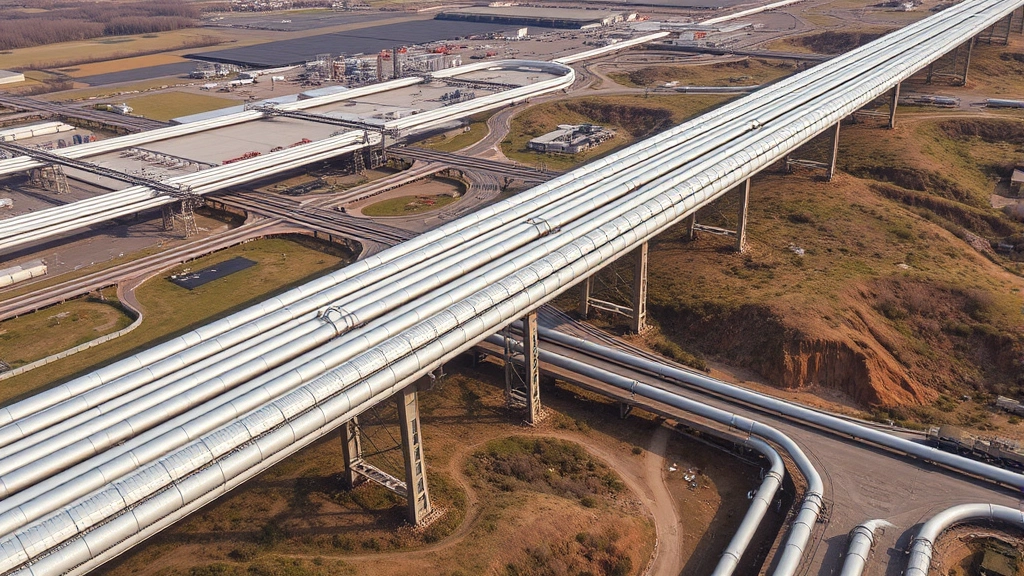
Top Pipeline Companies: Industry Overview & Strategic Analysis
The pipeline industry represents a critical infrastructure sector that moves energy, water, and other essential commodities across continents. Pipeline companies operate as the backbone of global supply chains, managing thousands of miles of transmission infrastructure that connect production facilities to end-users. Understanding the landscape of leading pipeline operators requires examining their operational scale, technological innovation, regulatory compliance, and market positioning within the broader energy and utilities sector.
As energy markets evolve and infrastructure investment becomes increasingly strategic, pipeline companies face unprecedented opportunities and challenges. The sector encompasses transmission operators, midstream service providers, and specialized infrastructure firms that collectively manage some of the most complex logistical networks in the world. This comprehensive overview explores the top performers in the pipeline industry, their competitive advantages, and the market dynamics shaping their future growth trajectories.

Major Pipeline Industry Players
The pipeline sector includes several dominant operators that control significant infrastructure assets and market share. Leading companies such as TC Energy, Enbridge, Kinder Morgan, and Williams Companies represent the largest publicly-traded pipeline operators in North America, collectively managing over 300,000 miles of pipeline infrastructure. These enterprises operate across multiple segments including natural gas transmission, crude oil transportation, and refined products distribution.
Beyond the major multinational operators, regional and specialized pipeline companies serve niche markets and demonstrate agility in responding to localized demand patterns. Companies focused on specific commodities or geographic regions often achieve superior margins through operational specialization and deep local market knowledge. The competitive landscape includes pure-play pipeline operators alongside diversified energy infrastructure firms that integrate pipeline operations with storage, processing, and logistics capabilities.
International pipeline operators expand the competitive arena beyond North America. European firms like Snam and Fluxys Belgium manage critical cross-border infrastructure, while Asian operators increasingly invest in regional pipeline networks to support growing energy demand. This global perspective reveals that leading infrastructure firms operate across multiple continents, demonstrating scalable operational models and sophisticated project management capabilities.
Emerging players challenge established operators through technological innovation and operational efficiency improvements. Smaller, agile companies often pioneer new approaches to pipeline maintenance, safety protocols, and customer service that larger competitors eventually adopt. Understanding the competitive hierarchy requires analyzing not just asset size but also operational efficiency metrics, technological adoption rates, and management quality.
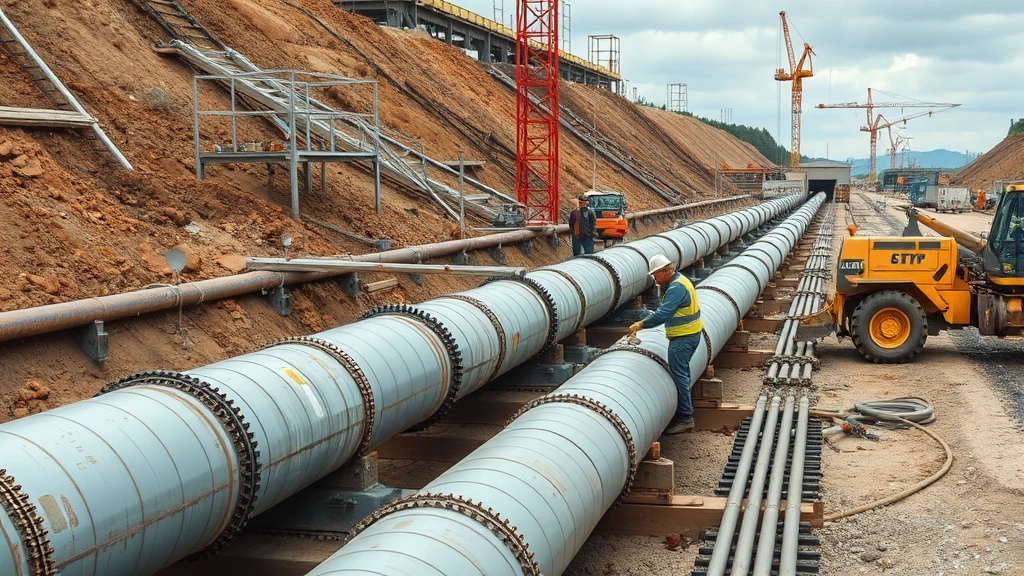
Operational Excellence & Infrastructure
Successful pipeline companies maintain rigorous operational standards that ensure reliability, safety, and efficiency across sprawling infrastructure networks. The largest operators invest billions annually in pipeline maintenance, inspection technologies, and workforce training to minimize downtime and safety incidents. Operational excellence translates directly to financial performance through higher utilization rates, reduced maintenance costs, and improved customer satisfaction scores.
Modern pipeline infrastructure increasingly incorporates advanced monitoring systems, automated control technologies, and predictive maintenance capabilities. Real-time data analytics enable operators to identify potential issues before they become critical failures, reducing unplanned outages and extending asset life. Companies that successfully implement these technological upgrades achieve measurable improvements in system reliability and operational cost efficiency.
The pipeline network itself represents decades of accumulated capital investment and engineering expertise. Major operators manage infrastructure that ranges from recently constructed high-capacity pipelines to legacy systems requiring continuous modernization. Balancing investment in new projects against maintenance and upgrade requirements of existing assets remains a central strategic challenge for pipeline companies. Leading operators develop integrated asset management strategies that optimize value across their entire portfolio.
Workforce capabilities represent another critical operational dimension. Pipeline companies employ skilled technicians, engineers, and management professionals who maintain and optimize these complex systems. Companies that invest in employee development, safety training, and retention programs typically outperform competitors in operational metrics and safety records. The skilled labor shortage affecting many industries also impacts pipeline operators, making talent acquisition and retention increasingly competitive.
Supply chain management for pipeline operations involves procuring specialized equipment, materials, and services from hundreds of suppliers. Operators that develop strong supplier relationships and implement sophisticated procurement systems achieve better pricing, quality, and reliability. The integration of procurement with operational planning enables pipeline companies to maintain optimal spare parts inventory and minimize emergency procurement costs.
Regulatory Environment & Compliance
Pipeline companies operate within a complex regulatory framework that varies significantly by jurisdiction and commodity type. In the United States, the Federal Energy Regulatory Commission (FERC) oversees interstate natural gas and hydroelectric projects, while the Pipeline and Hazardous Materials Safety Administration (PHMSA) enforces safety standards. Navigating this regulatory landscape requires substantial legal and compliance expertise embedded within pipeline company organizations.
Environmental regulations increasingly shape pipeline company strategy and investment priorities. Emissions regulations, water quality standards, and land use restrictions impose compliance costs while creating opportunities for companies that develop environmentally superior technologies. Regulatory expertise and government relations capabilities become strategic differentiators for pipeline operators seeking to secure permits and maintain operational licenses.
Regulatory rate-setting mechanisms determine the revenue pipeline operators can generate, making regulatory relationships and rate case management central to business success. Companies that effectively present their operational and financial cases to regulatory bodies achieve more favorable rate approvals that support capital investment and shareholder returns. The regulatory process itself creates significant opportunities for specialized consulting firms and law practices that support pipeline companies through complex proceedings.
Permitting for new pipeline projects increasingly involves extended timelines and intensive stakeholder engagement. Environmental impact assessments, public hearings, and community consultation processes can extend project timelines by years, increasing development costs and delaying revenue generation. Pipeline companies that excel at stakeholder engagement and environmental management achieve faster permitting and better community relationships that support long-term operations.
International regulatory frameworks present additional complexity for global pipeline operators. European regulations emphasize market competition and third-party access, while Asian regulatory environments vary dramatically across countries. Companies operating internationally must maintain specialized regulatory expertise in each market and adapt their operational models to comply with diverse regulatory requirements.
Technology & Innovation Strategies
Digital transformation reshapes how pipeline companies operate and maintain their infrastructure. Advanced analytics, artificial intelligence, and machine learning enable predictive maintenance that prevents failures before they occur. Technology investments reduce operational costs while improving safety and system reliability, creating competitive advantages for early adopters.
Autonomous inspection technologies, including drones and robotic systems, increasingly replace manual inspection processes. These technologies access difficult or dangerous locations more efficiently while generating high-resolution data for analysis. Companies that master these technologies achieve faster inspection cycles and more comprehensive asset condition assessment than traditional methods allow.
Cybersecurity emerges as a critical technology priority for pipeline operators managing critical infrastructure. Protecting control systems, data networks, and operational technology from cyber threats requires continuous investment in security infrastructure, staff training, and threat monitoring. Major operators now employ dedicated cybersecurity teams and implement enterprise-wide security protocols that rival those found in financial services companies.
Environmental monitoring technologies help pipeline companies detect leaks, monitor emissions, and verify compliance with environmental regulations. Advanced sensors and satellite imagery provide real-time visibility into pipeline conditions and environmental impacts. Companies that leverage these technologies demonstrate superior environmental stewardship while reducing regulatory compliance costs.
Customer-facing technologies transform how pipeline companies interact with shippers and end-users. Digital platforms for booking capacity, tracking shipments, and managing billing improve customer experience while reducing operational overhead. Companies demonstrating commitment to transparency and innovation attract and retain premium customers willing to pay for superior service quality.
Market Trends & Growth Drivers
Energy transition dynamics create both opportunities and challenges for pipeline companies. Natural gas demand remains strong in many regions due to its role as a bridge fuel during the energy transition, supporting continued investment in gas pipeline infrastructure. Simultaneously, companies face pressure to reduce fossil fuel dependence and transition toward hydrogen and other alternative fuels. Pipeline operators that successfully position themselves for energy transition scenarios achieve sustainable competitive advantages.
Renewable energy infrastructure expansion drives demand for new pipeline and transmission capacity. Hydrogen pipelines represent an emerging opportunity as green hydrogen production scales. Companies that develop expertise in hydrogen infrastructure position themselves for long-term growth as global hydrogen economies develop. Marketing capabilities that communicate these strategic positioning efforts help pipeline companies attract investor interest and stakeholder support.
Demographic and economic growth in developing regions drives increasing demand for pipeline infrastructure. Asian and African markets invest heavily in pipeline networks to support urbanization and industrial development. International pipeline companies that secure positions in these growing markets achieve superior long-term growth rates compared to operators limited to mature markets with stable but limited growth prospects.
Infrastructure investment cycles favor pipeline operators as governments prioritize infrastructure modernization and expansion. Public-private partnerships and infrastructure funds provide new financing mechanisms that enable pipeline companies to accelerate development programs. Companies that successfully access these funding sources achieve faster growth than those relying solely on traditional financing.
Consolidation trends reshape the pipeline industry landscape as companies pursue scale advantages and portfolio optimization. Strategic acquisitions allow operators to expand geographic reach, diversify commodity exposure, and achieve operational synergies. Leading companies demonstrate acquisition capabilities and integration expertise that transform acquired assets into superior performers.
Financial Performance Metrics
Pipeline companies generate revenue through tariff-based models that provide stable, predictable cash flows. Unlike commodity-exposed businesses, pipeline operators typically earn fixed or formula-based rates for transporting products, creating revenue stability that supports dividend payments and capital investment. This financial model attracts income-focused investors seeking reliable cash generation.
Return on invested capital (ROIC) represents a critical performance metric for capital-intensive pipeline businesses. Companies that achieve high ROIC through operational efficiency and premium pricing demonstrate superior capital allocation discipline. Comparing ROIC across competitors reveals which operators generate the best returns from their infrastructure investments.
Leverage ratios and debt management capabilities influence pipeline company creditworthiness and cost of capital. Conservative leverage policies enable companies to access debt markets at favorable rates, supporting continued investment in infrastructure. Companies that demonstrate strong debt management attract investment-grade credit ratings that reduce borrowing costs and improve financial flexibility.
Cash flow metrics including operating cash flow and free cash flow generation determine dividend sustainability and reinvestment capacity. Pipeline companies with strong cash flow generation can increase dividends while funding growth capital expenditures, rewarding shareholders while maintaining operational momentum. Analyzing cash flow trends reveals whether companies operate sustainably or rely on unsustainable financial engineering.
Capital expenditure requirements vary significantly across pipeline portfolios depending on asset age, regulatory requirements, and growth strategies. Companies operating newer infrastructure with longer asset lives require less maintenance capital, enabling higher cash distributions. Understanding the capital intensity of different business models helps investors assess dividend sustainability and growth potential.
Risk Management & Sustainability
Pipeline companies face operational risks including accidents, leaks, and system failures that can result in environmental damage, regulatory penalties, and reputational harm. Comprehensive risk management programs including safety protocols, emergency response procedures, and insurance coverage mitigate these risks. Companies with superior safety records demonstrate operational excellence and command premium valuations.
Environmental sustainability increasingly shapes investor perception and regulatory treatment of pipeline companies. Operators that proactively manage environmental impacts, reduce emissions, and invest in cleaner technologies attract institutional investors and enjoy regulatory favor. Conversely, companies with poor environmental records face investor divestment, higher regulatory scrutiny, and project delays.
Climate change presents both physical and transition risks for pipeline operators. Physical risks include extreme weather events that damage infrastructure or disrupt operations. Transition risks emerge as energy markets shift away from fossil fuels, potentially reducing long-term demand for certain pipeline services. Companies that develop climate adaptation strategies and transition business models toward sustainable energy infrastructure manage these risks more effectively.
Community relations and social license to operate represent critical risk factors for pipeline companies. Projects that face strong local opposition experience permitting delays, cost overruns, and operational challenges. Companies that invest in community engagement, benefit-sharing arrangements, and environmental protection programs build social license that facilitates project development and operations.
Supply chain resilience emerged as a critical priority following pandemic-related disruptions. Pipeline companies that develop diversified supplier networks, maintain strategic inventory, and implement supply chain visibility systems navigate disruptions more effectively. Building resilient supply chains requires upfront investment but reduces vulnerability to future shocks.
Regulatory and political risk varies across jurisdictions and project types. Pipeline operators working in stable regulatory environments with consistent policy frameworks enjoy reduced uncertainty and lower risk premiums. Companies expanding into jurisdictions with unstable governance or changing regulatory frameworks face elevated risks that require careful evaluation and risk management.
FAQ
What are the largest pipeline companies by asset value?
TC Energy, Enbridge, Kinder Morgan, and Williams Companies represent the largest North American pipeline operators, collectively managing hundreds of thousands of miles of infrastructure. Internationally, companies like Snam and Fluxys Belgium control significant European pipeline assets. Asset values typically range from $30-80 billion for major operators, reflecting decades of capital investment.
How do pipeline companies generate revenue?
Pipeline operators earn revenue through tariffs charged to shippers for transporting products through their systems. These tariffs typically follow regulatory formulas that provide stable, predictable revenue streams independent of commodity prices. Some operators also generate revenue from ancillary services including storage, processing, and logistics capabilities.
What regulatory agencies oversee pipeline operations?
In the United States, FERC regulates interstate natural gas and hydroelectric projects while PHMSA enforces safety standards. State regulatory agencies oversee intrastate pipelines. Internationally, regulatory frameworks vary significantly by country and region, with European regulators emphasizing competition and third-party access.
How are pipeline companies adapting to energy transition?
Leading operators diversify into renewable energy infrastructure, hydrogen pipelines, and low-carbon solutions. Companies invest in digital technologies and operational efficiency improvements to reduce costs. Some operators develop carbon capture and storage infrastructure or transition toward renewable natural gas. Strategic adaptation to energy transition requires long-term planning and investment, as documented by Harvard Business Review’s energy sector analysis.
What is the typical capital intensity of pipeline businesses?
Pipeline companies require significant ongoing capital expenditures for maintenance, modernization, and expansion projects. Annual capex typically ranges from 10-20% of revenue, with larger percentages for growth-focused operators and smaller percentages for mature operations. McKinsey research indicates that optimizing capital efficiency represents a key competitive advantage in the infrastructure sector.
How do pipeline companies manage safety risks?
Comprehensive safety programs including employee training, equipment inspection, emergency response procedures, and safety culture initiatives minimize accident risks. Companies implement advanced monitoring systems and predictive maintenance technologies to identify potential failures before they occur. Regular safety audits and continuous improvement programs maintain high safety standards across sprawling operations.
What drives pipeline company stock valuations?
Investors value pipeline companies based on cash flow generation, dividend sustainability, growth prospects, and risk profiles. Companies demonstrating stable cash flows, conservative leverage, and positioned for energy transition scenarios command premium valuations. Forbes analysis of infrastructure investment trends highlights how quality management and strategic positioning influence investor returns.
What are the main challenges facing pipeline companies?
Key challenges include regulatory uncertainty, permitting delays, environmental concerns, community opposition, energy transition impacts, and supply chain disruptions. Companies must navigate complex permitting processes, manage regulatory relationships, and adapt business models to changing energy markets. Investopedia’s infrastructure analysis explores how pipeline companies balance growth with sustainability in evolving markets.
How important is technological innovation for pipeline companies?
Technology increasingly differentiates pipeline company performance through predictive maintenance, autonomous inspection, cybersecurity, and customer platforms. Companies investing in digital transformation achieve superior operational efficiency and safety records. Advanced analytics enable better decision-making while reducing costs, making technology investment essential for competitive success.