
Shanghai Jingju’s Cao Cao: Cultural Impact Explored
The Shanghai Jingju Theatre Company’s groundbreaking production of Cao Cao represents a pivotal moment in contemporary Chinese classical theatre. This innovative adaptation of the legendary warlord’s story has transcended traditional boundaries, creating a cultural phenomenon that resonates far beyond theatre enthusiasts. By blending centuries-old Jingju techniques with modern storytelling sensibilities, the production demonstrates how heritage institutions can remain relevant while preserving artistic integrity.
In an era where cultural organizations face unprecedented competition for audience attention, Shanghai Jingju’s Cao Cao offers valuable lessons in strategic cultural production. The theatrical masterpiece has garnered international recognition, sold out performances across multiple seasons, and inspired critical discourse about the future of classical Chinese theatre. Understanding its cultural impact provides insights into how traditional arts can achieve contemporary commercial success without compromising artistic standards.
The Historical Context of Cao Cao in Chinese Theatre
Cao Cao, the legendary warlord of the Three Kingdoms period, has captivated Chinese audiences for centuries. His complex character—simultaneously portrayed as a military genius, political strategist, and morally ambiguous figure—provides rich material for theatrical interpretation. Traditional Jingju performances have long featured stories centered on this historical figure, yet Shanghai Jingju’s contemporary interpretation breaks new ground by recontextualizing his narrative for modern audiences.
The character of Cao Cao embodies contradictions that fascinate both scholars and general audiences. Unlike straightforward heroic figures, Cao Cao represents the nuanced complexity of human ambition, power, and consequence. His transformation from regional commander to near-supreme ruler of northern China demonstrates the consequences of political maneuvering and military prowess. Shanghai Jingju recognized this inherent dramatic potential and developed a production that explores these psychological dimensions with unprecedented depth.
Traditional Chinese opera has always celebrated historical narratives, particularly those drawn from the Romance of the Three Kingdoms. However, the specific focus on Cao Cao’s internal conflict—rather than merely celebrating his military victories—marks a significant departure from conventional approaches. This psychological emphasis aligns with contemporary theatrical trends while maintaining fidelity to classical performance traditions.
The production’s historical accuracy, combined with dramatic license, creates compelling theatre that educates while entertaining. Audiences leave performances with enhanced understanding of this pivotal historical period, demonstrating how cultural institutions can serve educational purposes simultaneously with commercial objectives.
Shanghai Jingju’s Innovative Production Strategy
Shanghai Jingju Theatre Company approached Cao Cao with a strategic vision that balanced artistic innovation with institutional responsibility. The company recognized that sustaining classical theatre requires attracting diverse audiences—from traditional opera devotees to younger spectators unfamiliar with Jingju conventions. This strategic imperative drove creative decisions throughout production development.
The directorial vision incorporated modern staging techniques, contemporary lighting design, and innovative costume interpretations while preserving essential Jingju performance vocabularies. This hybrid approach required exceptional artistic leadership capable of navigating tensions between preservation and evolution. The production team invested significantly in dramaturgy, ensuring that narrative modifications served artistic purposes rather than compromising classical integrity.
Marketing strategy proved equally important to artistic execution. Shanghai Jingju positioned Cao Cao not merely as a theatrical offering but as a cultural event deserving serious critical attention. Strategic partnerships with media organizations, cultural institutions, and educational bodies expanded audience reach beyond traditional theatre demographics. The company recognized that modern cultural production requires sophisticated search engine optimization strategies and digital presence management to achieve contemporary visibility.
Production budgeting reflected confidence in the project’s potential. Shanghai Jingju invested substantial resources in rehearsal periods, allowing performers to develop nuanced interpretations. This commitment to artistic development distinguished the production from rushed commercial theatre ventures, establishing credibility with discerning audiences and critical establishments.
The company also developed comprehensive audience engagement programming, including pre-performance lectures, post-show discussions, and educational workshops. These initiatives transformed Cao Cao from isolated theatrical event into sustained cultural conversation, deepening audience connection and generating word-of-mouth promotion that transcended traditional advertising.
Artistic Excellence and Technical Mastery
Jingju performance demands extraordinary technical mastery across multiple disciplines. Performers must demonstrate exceptional vocal control, precise movement vocabularies, intricate facial expressions, and sophisticated prop manipulation. Shanghai Jingju’s casting for Cao Cao prioritized performers capable of executing these demanding requirements while bringing emotional authenticity to character development.
The lead performer’s interpretation of Cao Cao required balancing multiple theatrical demands simultaneously. Jingju vocal techniques demand sustained, controlled projection without modern amplification, requiring years of disciplined training. Simultaneously, the performer needed to convey psychological complexity—ambition tempered by doubt, confidence shadowed by paranoia, strategic brilliance complicated by human vulnerability.
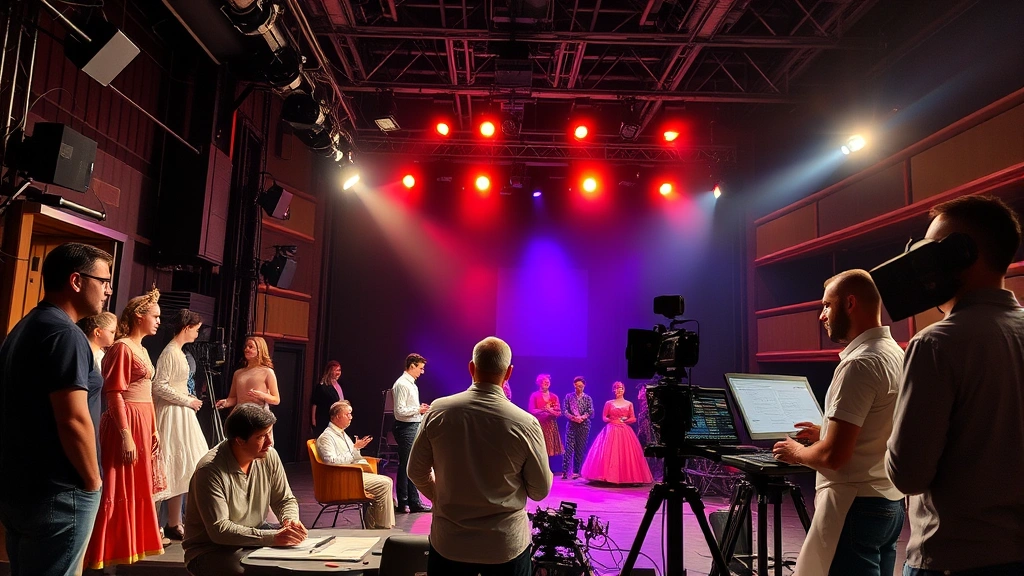
Technical production elements enhanced rather than overwhelmed classical performance traditions. Lighting design strategically highlighted facial expressions and hand gestures, amplifying communication of emotional states. Costume design incorporated traditional Jingju aesthetics while incorporating subtle contemporary refinements that enhanced visual clarity without compromising authenticity. Scenic elements created spatial environments supporting dramatic action while maintaining focus on performer virtuosity.
The orchestra’s contribution proved essential to production success. Jingju musical accompaniment requires specialized instrumental expertise and profound understanding of how musical phrasing supports emotional expression. Shanghai Jingju’s orchestra demonstrated exceptional sensitivity to dramatic requirements, modulating musical intensity to support performance dynamics throughout extended performances.
Ensemble work received particular attention during production development. Supporting performers needed to execute precise blocking while maintaining character authenticity. The battle sequences required coordination of multiple performers executing choreographed combat that conveyed military conflict while maintaining classical movement aesthetics. This technical coordination demanded extensive rehearsal and exceptional ensemble discipline.
Audience Reception and Commercial Success
The production’s commercial performance exceeded institutional expectations, with sold-out performances becoming the norm rather than exception. This success reflected multiple factors: artistic excellence, effective marketing, cultural timing, and authentic audience enthusiasm. Understanding these dynamics provides valuable lessons for cultural institutions navigating competitive entertainment markets.
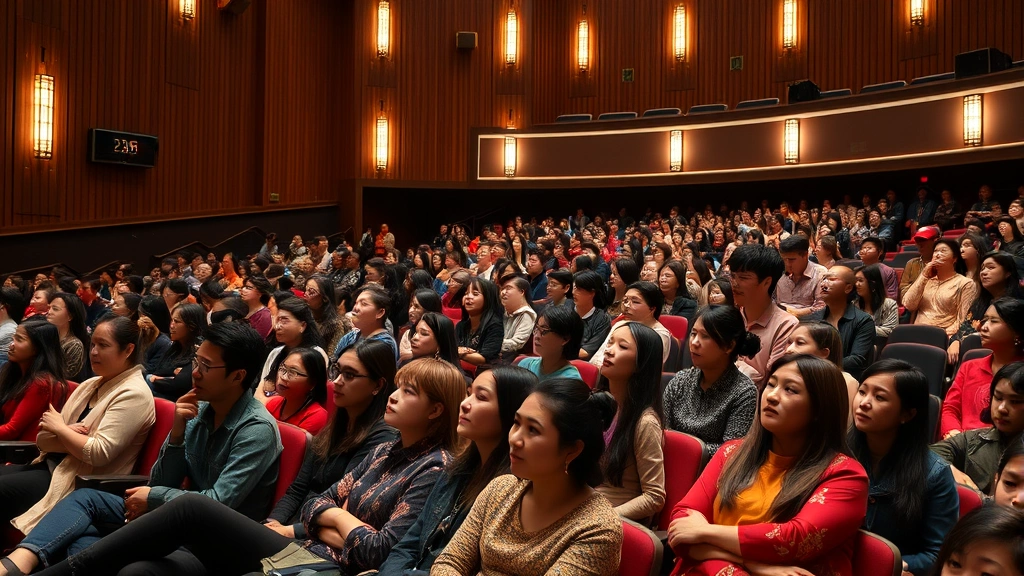
Audience demographics expanded significantly beyond traditional Jingju audiences. Younger spectators, particularly those aged 18-35, represented substantial portions of performance attendance—a demographic typically underrepresented in classical theatre venues. This demographic expansion suggested that contemporary cultural production could maintain artistic integrity while achieving broader appeal.
Critical reception proved overwhelmingly positive, with respected cultural critics praising both artistic achievement and cultural significance. Reviews emphasized how the production demonstrated classical theatre’s ongoing relevance to contemporary society. Critical validation proved commercially important, as serious cultural journalism influenced educated audiences’ attendance decisions.
Audience surveys revealed that viewers appreciated the production’s intellectual engagement alongside emotional impact. Many spectators reported increased interest in historical research following performances, demonstrating how quality theatre can inspire sustained intellectual curiosity. This educational impact distinguished Cao Cao from purely entertainment-focused productions.
Word-of-mouth marketing proved exceptionally powerful, with audience members enthusiastically recommending performances to friends and colleagues. Social media discussions, while sometimes informal, conveyed genuine appreciation and contributed to sustained public interest. This organic promotional mechanism proved more effective than paid advertising, reflecting authentic audience satisfaction.
Extended performance runs became necessary to accommodate demand. Shanghai Jingju expanded scheduling across multiple seasons, demonstrating that audience interest sustained rather than diminished with repeated performance opportunities. This sustained demand reflected the production’s quality and cultural resonance.
International Recognition and Global Reach
Shanghai Jingju’s Cao Cao achieved international prominence unusual for classical Chinese theatre productions. International tours, critical recognition from Western theatre establishments, and scholarly attention from global academic institutions positioned the production as significant cultural achievement with universal resonance.
International performances introduced Chinese classical theatre to audiences unfamiliar with Jingju conventions, requiring production teams to provide contextual information supporting audience comprehension. Programme notes, pre-performance lectures, and simultaneous translation systems enabled international audiences to appreciate performances despite linguistic and cultural differences. These accessibility measures proved essential for expanding global reach without compromising artistic integrity.
Western critics engaged seriously with the production, recognizing artistic excellence transcending cultural specificity. International theatre journals published substantial reviews analyzing the production’s artistic achievements and cultural significance. This critical validation from international establishments enhanced the production’s prestige and attracted additional international touring opportunities.
Collaboration with international theatre festivals expanded the production’s visibility. Participation in prestigious venues like international theatre biennales and cultural exchange programs positioned Shanghai Jingju as significant contemporary theatre institution. These collaborations generated critical attention and audience interest that extended far beyond Chinese-speaking communities.
The production’s success influenced international perceptions of contemporary Chinese culture. Western audiences encountered Chinese classical theatre not as historical artifact but as living artistic tradition capable of speaking to contemporary audiences. This perception shift contributed to broader cultural appreciation and respect for Chinese artistic achievement.
International recognition also attracted academic attention, with theatre scholars analyzing the production’s artistic strategies and cultural significance. Academic publications contributed to sustained discourse about the production’s meaning and impact, extending its influence beyond theatre venues into scholarly communities.
Cultural Preservation Through Modern Adaptation
Shanghai Jingju’s approach to Cao Cao demonstrated how contemporary cultural institutions can preserve classical traditions while remaining artistically vital. This balance represents central challenge for heritage arts organizations worldwide: maintaining authentic connection to historical traditions while adapting to contemporary contexts.
The production validated classical Jingju techniques as artistically sophisticated rather than historically quaint. By presenting classical performance vocabularies in contemporary contexts with modern production values, Shanghai Jingju demonstrated that traditional techniques remain artistically powerful. This validation proved important for younger performers considering careers in classical theatre, suggesting viable futures within heritage arts.
Educational initiatives accompanying the production supported cultural transmission to younger generations. Workshops, demonstrations, and educational performances introduced Jingju techniques to students and general audiences. These initiatives built cultural literacy essential for sustaining classical theatre traditions. By developing audience understanding of performance conventions, Shanghai Jingju cultivated future audiences capable of appreciating sophisticated classical work.
Collaboration with younger artists on production elements ensured generational knowledge transfer. Experienced performers mentored emerging talents, transmitting technical expertise and artistic sensibilities through direct experience. This apprenticeship approach, rooted in classical theatrical traditions, proved more effective than abstract instruction for developing performer excellence.
The production’s success influenced cultural policy discussions regarding arts funding and institutional support. Government recognition of the production’s cultural significance contributed to sustained institutional funding, demonstrating how artistic excellence serves important cultural objectives. This policy validation supported ongoing operations and artistic development.
Documentation initiatives preserved performance knowledge for future generations. Video recordings, detailed performance notes, and archival materials created permanent records of artistic achievement. These preservation efforts acknowledged that live performance’s ephemeral nature requires intentional documentation to ensure knowledge transmission across generations.
Economic Impact on Theatre Industry
Beyond artistic achievement, Shanghai Jingju’s Cao Cao generated significant economic impact on cultural industries and related business sectors. The production demonstrated that classical theatre could achieve commercial viability while maintaining artistic standards, challenging conventional assumptions about cultural institutions’ economic sustainability.
Direct revenue from ticket sales exceeded projections substantially. Extended performance runs across multiple seasons generated sustained income supporting institutional operations and artistic development. This financial success provided resources for additional productions and enhanced performer compensation, contributing to institutional stability.
Ancillary commercial activities expanded economic impact. Programme sales, merchandise, and recording rights generated additional revenue streams. Strategic partnerships with hospitality and entertainment businesses created complementary economic activity around performance venues. These commercial ecosystem developments reflected sophisticated understanding of cultural industries’ economic dynamics.
Employment generation extended beyond theatre personnel. Production activities supported employment for technicians, designers, marketing professionals, and administrative staff. International touring created temporary employment opportunities in host cities, benefiting hospitality and transportation sectors. This economic multiplier effect demonstrated cultural production’s broader economic significance.
Tourism impact proved substantial, with international audiences traveling specifically to attend performances. Hotel occupancy, restaurant patronage, and cultural tourism spending increased during performance runs. Cities hosting international tours experienced measurable economic benefits, supporting arguments for cultural investment as economic development strategy.
The production’s success influenced institutional investment decisions across cultural sectors. Other theatres and cultural organizations observed Shanghai Jingju’s achievements and invested in similar projects combining classical traditions with contemporary production values. This industry-wide influence contributed to broader revitalization of classical performing arts sectors.
Media rights sales and streaming platform agreements generated additional revenue while extending audience reach to geographically distant communities. These digital distribution strategies reflected contemporary cultural consumption patterns while maintaining traditional performance artistry as core institutional activity.
For businesses interested in exploring cultural sector dynamics, understanding institutional models like Shanghai Jingju provides valuable insights. Organizations seeking to understand corporate cultural engagement may find relevant information through resources examining company secretarial operations and institutional management practices. Similarly, businesses interested in theatre industry operations can explore comparative examples through resources like Two Pitchers Brewing Company, which demonstrates how specialized industries develop sustainable business models, or Maui Brewing Company Waikiki, which illustrates successful cultural business integration. Additional industry insights appear through examining Arbor Brewing Company Corner Brewery, which demonstrates community-focused business development strategies applicable to cultural institutions. Organizations seeking to understand market positioning can reference AL Company Search resources for competitive analysis frameworks.
Academic institutions have recognized the production’s significance for theatre studies and cultural management curricula. Business schools and arts administration programs reference Shanghai Jingju’s Cao Cao as case study exemplifying successful cultural institution management. This academic recognition extends the production’s influence into professional education, shaping emerging cultural leaders’ understanding of institutional strategy.
Research institutions, including Harvard Business School, have analyzed the production’s management strategies, examining how cultural institutions balance artistic integrity with commercial viability. These analyses contribute to broader understanding of cultural sector economics and institutional leadership. Industry research from McKinsey & Company has examined similar cultural production models, providing comparative analysis of institutional strategies across global theatre sectors. Cultural journalism platforms including Forbes have covered the production’s commercial and cultural significance, extending awareness among business-oriented audiences.
FAQ
What makes Shanghai Jingju’s Cao Cao production artistically significant?
The production represents innovative adaptation of classical Jingju techniques to contemporary theatrical contexts. Rather than merely preserving historical performance conventions, the production demonstrates how classical traditions remain artistically vital when engaged with modern storytelling sensibilities and production technologies. The focus on psychological complexity of the Cao Cao character, combined with exceptional performer virtuosity and sophisticated technical production elements, creates theatrical experience that engages contemporary audiences while maintaining authentic connection to classical traditions.
How has the production influenced younger audiences’ engagement with classical theatre?
The production successfully attracted demographic groups traditionally underrepresented in classical theatre venues, particularly younger spectators aged 18-35. This audience expansion reflected strategic efforts to present classical theatre as culturally significant and intellectually engaging rather than historically quaint. Educational programming, contemporary marketing approaches, and production values that respected classical traditions while incorporating modern sensibilities created accessible entry points for audiences unfamiliar with Jingju conventions.
What economic benefits has the production generated?
Beyond ticket revenue, the production generated economic benefits through ancillary commercial activities, employment creation, tourism impact, and media rights sales. Extended performance runs across multiple seasons provided sustained revenue supporting institutional operations. International touring expanded economic impact across multiple cities and regions. The production’s commercial success influenced broader cultural sector investment, demonstrating that classical theatre could achieve financial viability while maintaining artistic standards.
How does the production approach cultural preservation?
Shanghai Jingju demonstrated that cultural preservation requires active engagement with contemporary contexts rather than static maintenance of historical forms. By presenting classical Jingju techniques in contemporary theatrical contexts, the production validated classical traditions as artistically sophisticated and culturally significant. Educational initiatives, generational knowledge transfer through mentorship, and intentional documentation efforts ensured that artistic achievements contributed to sustained cultural transmission across generations.
What international recognition has the production achieved?
The production has toured internationally, participated in prestigious theatre festivals, and received critical validation from Western theatre establishments. International academic attention from theatre scholars and cultural institutions has positioned the production as significant contemporary artistic achievement with universal resonance. This international recognition expanded cultural influence beyond Chinese-speaking communities and contributed to broader appreciation of contemporary Chinese cultural achievement.
How does the production balance commercial success with artistic integrity?
Shanghai Jingju invested substantially in artistic development while employing sophisticated marketing strategies and production budgeting that supported both artistic excellence and commercial viability. Strategic decisions regarding casting, rehearsal periods, technical production elements, and audience engagement programming reflected commitment to artistic standards. This balance demonstrated that commercial success and artistic integrity represent compatible objectives rather than competing priorities when cultural institutions approach production with strategic vision and artistic confidence.


