
Is The Boldt Company Right for Your Project? Expert Review
Selecting the right construction partner can make or break a major capital project. The Boldt Company, a privately-held general contractor and construction manager headquartered in Appleton, Wisconsin, has built a reputation spanning over a century. With expertise across healthcare, education, corporate, and mission-critical facilities, they’ve established themselves as a significant player in the construction industry. But is this heavyweight contractor the right fit for your specific project needs?
This comprehensive review examines The Boldt Company’s capabilities, track record, project delivery methods, and client satisfaction metrics. Whether you’re planning a $5 million renovation or a $500 million healthcare complex, understanding how Boldt’s services align with your project requirements is essential for making an informed partnership decision.
Company Overview and History
Founded in 1889, The Boldt Company operates with a century-plus legacy of construction excellence. As a privately-held organization, the company maintains operational independence and long-term strategic vision without pressure from quarterly earnings reports. This ownership structure often translates to greater flexibility in project approaches and sustained commitment to quality over short-term margins.
The company employs over 2,000 professionals across multiple regional offices, giving them the capacity to manage large-scale, complex projects while maintaining local market expertise. Their geographic footprint spans the Midwest, with significant operations in Wisconsin, Minnesota, Illinois, and surrounding states, though they’ve expanded nationally on select high-profile projects.
Boldt’s organizational structure emphasizes regional autonomy combined with corporate resources, allowing project teams to make decisions quickly while accessing company-wide expertise in specialized areas like healthcare construction and sustainable building practices.
Core Service Offerings
The Boldt Company provides a comprehensive range of construction services designed to serve clients from initial concept through project completion and beyond. Their primary service categories include:
- General Contracting: Full-service construction delivery where Boldt serves as the primary contractor responsible for project execution, scheduling, and coordination of all trades.
- Construction Management: Agency or at-risk models where Boldt provides construction expertise and oversight while clients maintain greater control over contractor selection and procurement.
- Design-Build Services: Integrated delivery combining design and construction, reducing project timelines and creating single-source accountability for budget and schedule.
- Program Management: Strategic oversight of multiple projects or program portfolios, particularly valuable for organizations managing campus-wide initiatives or multi-phased expansions.
- Preconstruction Services: Early-stage involvement including feasibility studies, cost estimating, and constructability analysis to inform design decisions and budget development.
Beyond traditional construction, Boldt offers business process automation benefits through their operations and maintenance services, helping clients optimize facility performance post-construction. This extended service model demonstrates understanding that construction success extends beyond ribbon-cutting ceremonies.
Industry Specialization and Expertise
One of Boldt’s distinguishing characteristics is deep specialization across select market verticals rather than attempting to serve all construction sectors equally. Their primary expertise concentrates in four areas:
Healthcare Construction: Boldt has established itself as a premier healthcare builder, with extensive experience in hospital expansions, surgical suites, diagnostic imaging centers, and medical office buildings. Their healthcare knowledge spans regulatory compliance, infection control protocols during construction, and phased project delivery in operational facilities. This specialization matters tremendously—healthcare construction involves unique challenges absent from other sectors, and Boldt’s dedicated healthcare division understands these nuances intimately.
Higher Education: The company has built numerous academic facilities, research buildings, and student housing projects on university campuses. Their education expertise includes managing construction in occupied campuses, coordinating with academic calendars, and understanding the complex stakeholder environments typical of university projects.
Corporate and Mission-Critical Facilities: Boldt constructs office buildings, data centers, and specialized facilities requiring high reliability and sophisticated building systems. Their experience with mission-critical projects includes understanding downtime costs and implementing strategies to minimize operational disruption during construction.
Civic and Cultural Institutions: The company has delivered public buildings, libraries, and cultural centers, demonstrating capability in serving public-sector clients with procurement requirements and stakeholder management challenges.
If your project falls outside these primary sectors, Boldt may still be capable, but you’re working outside their core expertise zone. This distinction is crucial for project success—specialized builders typically deliver superior results in their focus areas.
Project Delivery Methods
The Boldt Company offers flexibility in how projects are structured and delivered, recognizing that different clients and project types benefit from different approaches:
Design-Bid-Build: The traditional sequential approach where design completes before construction begins. This method provides clear scope definition but typically extends timelines and can limit contractor input during design. Boldt participates in this model but doesn’t emphasize it as their preferred approach.
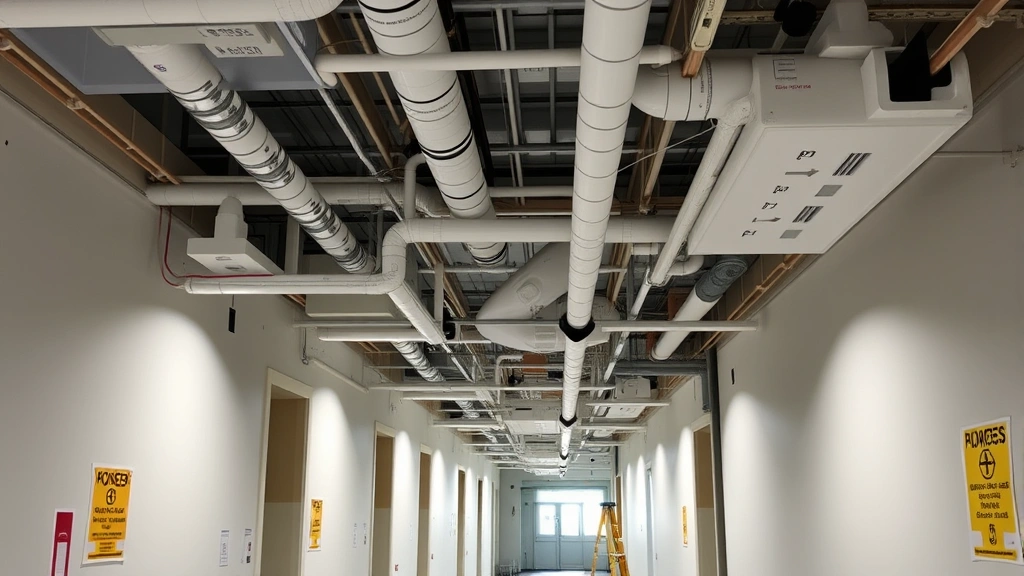
Design-Build: Integrated delivery where Boldt partners with architects and engineers to deliver design and construction as a unified team. This approach reduces project duration, improves coordination, and creates single-source accountability. For clients prioritizing schedule and predictability, design-build often delivers superior results.
Construction Manager at Risk: Boldt provides construction management and guarantees a maximum price, assuming financial risk if costs exceed the guaranteed maximum price. This hybrid approach combines early contractor involvement with defined cost certainty, appealing to budget-conscious clients.
Agency Construction Management: Boldt provides construction expertise and oversight without assuming financial risk, allowing clients to maintain greater control. This model works well for sophisticated clients with internal project management capability.
The availability of multiple delivery methods demonstrates Boldt’s adaptability, though project-specific factors should drive which approach makes sense for your situation. Understanding these distinctions and how they align with your business plan templates for startups or organizational objectives is critical.
Safety and Quality Standards
Construction safety directly impacts project success, worker welfare, and organizational liability. The Boldt Company maintains robust safety programs with measurable performance metrics. Their safety culture emphasizes prevention through planning, hazard identification, and continuous improvement rather than reactive incident response.
Boldt’s safety approach includes:
- Comprehensive pre-project safety planning and subcontractor coordination
- Daily safety briefings and toolbox talks integrated into work planning
- Incident tracking and analysis to identify systemic improvements
- Investment in safety training and certification for field personnel
- Partnership with subcontractors on shared safety objectives
Quality assurance processes ensure that constructed facilities meet design specifications and perform as intended. Boldt employs quality inspectors throughout project execution, implementing testing protocols for critical systems and documenting compliance with building codes and design standards. Their quality philosophy emphasizes getting work correct initially rather than rework and remediation.
Third-party certifications validate Boldt’s quality commitment. The company maintains ISO certifications and participates in industry quality initiatives, providing external validation of internal processes.
Technology and Innovation
Modern construction increasingly leverages technology to improve coordination, reduce waste, and enhance decision-making. The Boldt Company invests in construction technology including:
Building Information Modeling (BIM): Digital three-dimensional models coordinate design and construction, identifying conflicts before they occur in the field. Boldt uses BIM for complex projects to visualize systems integration and optimize construction sequencing.
Project Management Software: Cloud-based platforms enable real-time project visibility, schedule tracking, and communication among distributed teams. Boldt’s use of integrated project management systems improves coordination and documentation.
Drone Technology: Aerial photography and videography provide site documentation, progress tracking, and safety monitoring across large project areas. This technology proves particularly valuable for campus-scale projects or complex site conditions.
Sustainable Building Practices: Boldt actively pursues LEED certification and other green building programs, implementing strategies to reduce energy consumption, water usage, and construction waste. For clients committed to sustainability, Boldt’s environmental expertise aligns with organizational values.
However, technology adoption varies by project and team. Boldt’s approach emphasizes practical technology applications rather than implementing systems for their own sake, which is appropriate but means less innovative projects might not leverage cutting-edge tools.
Client References and Track Record
Evaluating contractor performance requires examining completed projects and client satisfaction. The Boldt Company maintains an extensive portfolio of recognized projects, including:
- Major healthcare expansions for regional medical systems
- Academic research facilities at prominent universities
- Corporate headquarters and office campuses
- Specialized manufacturing and data center facilities
Client satisfaction metrics provide insight into actual performance beyond portfolio images. Industry publications and third-party reviews offer perspectives on Boldt’s client relationships and project delivery quality. The company’s longevity and repeat clients suggest satisfaction, though independent verification through reference calls remains prudent.
When evaluating any contractor, request specific references for projects similar in scope, complexity, and industry sector to your planned work. Questions should address schedule adherence, budget performance, responsiveness to changes, and post-completion support. Understanding how how to measure customer satisfaction helps you develop effective reference call frameworks.
Cost and Budget Management
Construction costs represent significant capital investments, making budget management critical. The Boldt Company’s approach to cost control includes:
Detailed Estimating: Comprehensive cost estimates developed through systematic analysis of labor, materials, equipment, and overhead. Detailed estimating reduces budget surprises and provides accurate project costs for decision-making.
Value Engineering: Collaborative analysis of design and specification alternatives to achieve cost targets without compromising quality or functionality. Boldt’s value engineering identifies cost reduction opportunities while maintaining design intent.
Subcontractor Management: Competitive bidding processes and strategic supplier relationships help control trade costs. Boldt’s established relationships with quality subcontractors provide cost advantages while ensuring performance.
Change Order Management: Systematic processes for evaluating, pricing, and implementing project changes minimize disputes and cost overruns. Clear change order procedures protect both parties and maintain project predictability.
Budget performance varies by project, but Boldt’s experience and established processes generally support cost predictability. Design-build and guaranteed maximum price models provide explicit cost certainty, though design-bid-build projects inherently carry more cost risk depending on contract structure.
Community Engagement Approach
Construction projects impact surrounding communities through traffic, noise, and visual change. Responsible contractors manage these impacts through proactive communication and engagement. The Boldt Company demonstrates commitment to companies community engagement examples through:
Stakeholder Communication: Proactive outreach to neighbors, community organizations, and municipal officials explains project activities and addresses concerns. Transparent communication reduces conflicts and builds community support.
Construction Impact Management: Practical strategies minimize noise, dust, traffic disruption, and other construction impacts. Boldt’s site management practices demonstrate respect for surrounding areas and residents.
Local Hiring and Procurement: Prioritizing local workers and suppliers supports community economics and reduces transportation impacts. This approach aligns with corporate social responsibility objectives.
Workforce Development: Boldt participates in apprenticeship programs and training initiatives, developing construction workforce capacity while creating career opportunities for community members.
For projects in sensitive community contexts—residential neighborhoods, downtown areas, or cultural districts—Boldt’s engagement approach matters significantly. Understanding how contractors balance construction efficiency with community impact affects project success beyond schedule and budget metrics.
Effective how to handle customer complaints effectively processes demonstrate contractor maturity and respect for stakeholder concerns. Boldt’s established procedures suggest capability in managing community relationships, though individual project execution varies by site leadership and local conditions.
FAQ
What is the typical project size range for The Boldt Company?
Boldt handles projects ranging from $5 million to $500 million, with particular expertise in the $50 million to $300 million range. Smaller projects may not receive optimal attention, while mega-projects might exceed their specialized focus areas. Project size alone shouldn’t determine fit—industry specialization and delivery method alignment matter more.
Does The Boldt Company work outside the Midwest?
While headquartered in Wisconsin with primary regional focus, Boldt has undertaken national projects, particularly in healthcare and higher education. However, they maintain strongest presence and local expertise in Midwest markets. Out-of-region projects may lack the established relationships and local knowledge that strengthen regional work.
What are Boldt’s typical contract terms and conditions?
Contract terms vary by delivery method and project specifics. Design-build and guaranteed maximum price models provide cost certainty and defined scope. Agency construction management offers flexibility but less cost predictability. Request sample contract language to evaluate alignment with your risk tolerance and procurement requirements.
How does Boldt handle projects in occupied facilities?
Boldt’s healthcare and higher education experience demonstrates substantial capability in managing construction in operational environments. Their phased delivery approaches, weekend work scheduling, and coordination with facility operations minimize disruption. However, occupied facility projects require exceptional site management—confirm specific experience with projects similar to yours.
What sustainability commitments does Boldt maintain?
Boldt actively pursues LEED certification and sustainable building practices. Their environmental commitment includes waste reduction, energy efficiency, and renewable energy integration. For organizations with strong sustainability objectives, Boldt’s environmental expertise aligns well, though sustainability should be explicitly prioritized in project goals and specifications.
How does Boldt’s pricing compare to competitors?
Boldt’s pricing reflects their quality standards, specialized expertise, and service scope. They typically position as a premium provider rather than the lowest-cost option. Value comparison requires evaluating services, expertise, and risk allocation rather than construction cost alone. Requesting competitive proposals clarifies relative pricing and value propositions.
What is Boldt’s approach to schedule management?
Boldt employs detailed scheduling, critical path analysis, and progress tracking to maintain schedules. Design-build delivery typically supports aggressive timelines, while traditional approaches extend duration. Schedule performance depends on design completeness, environmental conditions, and supply chain reliability—factors partly outside contractor control.