United States Playing Card Company: History & Innovation in American Business
The United States Playing Card Company stands as one of America’s most enduring manufacturing success stories, representing over 130 years of continuous operation in a niche market that has proven remarkably resilient through technological disruption and cultural shifts. Founded in 1881 in Cincinnati, Ohio, this iconic company has transformed from a regional producer into a global leader in playing card manufacturing, demonstrating how traditional businesses can thrive through innovation, quality commitment, and strategic adaptation. Today, the company manufactures some of the world’s most recognized card brands, including Bicycle, Bee, and Hoyle, serving magicians, poker enthusiasts, casinos, and casual players across every continent.
What makes the United States Playing Card Company’s journey particularly compelling is its ability to maintain relevance in an increasingly digital world while preserving the craftsmanship and quality standards that built its reputation. The company’s evolution reflects broader principles of American industrial excellence—from its Victorian-era origins through the digital age—offering valuable lessons for entrepreneurs and business leaders seeking to build lasting enterprises. Understanding this company’s history provides insight into how businesses can balance tradition with innovation, maintain premium positioning while scaling production, and develop brand loyalty that transcends generational changes.
Founding and Early Years: Cincinnati’s Industrial Rise
Cincinnati in the 1880s represented the epicenter of American industrial innovation, and it was in this thriving Midwestern metropolis that the United States Playing Card Company was established. The company emerged during an era when playing cards were experiencing unprecedented popularity across America, driven by increased leisure time, the professionalization of card games, and growing interest in magic and illusion as entertainment. The founders recognized a market opportunity and invested in cutting-edge manufacturing equipment, establishing production facilities that would become models of industrial efficiency.
The early years of the United States Playing Card Company were characterized by rapid growth and competitive innovation. The company invested heavily in superior materials and printing techniques, understanding that quality differentiation would be essential for success in a crowded marketplace. Cincinnati’s strategic location on the Ohio River provided excellent transportation access, enabling the young company to distribute products throughout the expanding American market. The company’s commitment to consistent quality and reliable delivery quickly earned it a reputation as a trustworthy supplier to retailers, gaming establishments, and specialty markets.
During the 1880s and 1890s, the company experimented with various designs, card stocks, and finishing techniques. This period of experimentation established a culture of continuous improvement that would define the organization’s approach to manufacturing. The company recognized that playing cards were not commodities but precision products requiring attention to detail in every stage of production—from paper selection through cutting, coating, and packaging. This manufacturing philosophy distinguished the United States Playing Card Company from competitors and created a foundation for long-term competitive advantage.
The Bicycle Brand Revolution
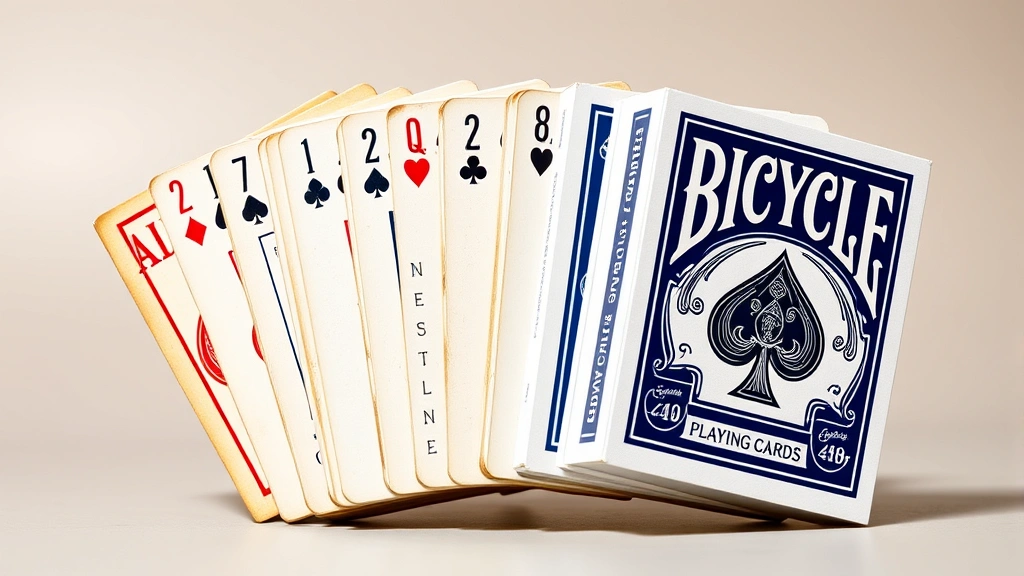
The introduction of the Bicycle brand in 1885 represented a transformative moment in the company’s history and established the product line that would become the most recognizable playing card brand in the world. The name “Bicycle” was inspired by the bicycle craze sweeping America during the 1880s, and the brand’s iconic design featuring a bicycle on the back of each card captured the imagination of consumers. The Bicycle brand’s success was not accidental—it resulted from deliberate choices about design, quality, and marketing that positioned the product as premium yet accessible.
What distinguished Bicycle cards from competitors was their superior card stock, precise cutting, and innovative finish that provided optimal handling characteristics for both casual players and professional magicians. The brand quickly became the preferred choice for serious card players, establishing a reputation for consistency and reliability that persists to this day. The Bicycle brand’s success created a virtuous cycle: increased sales enabled investment in better manufacturing equipment, which improved product quality, which further enhanced the brand’s reputation. This positive feedback loop transformed Bicycle from a regional product into a nationally recognized brand by the early twentieth century.
The Bicycle brand’s design proved remarkably durable, with the classic back design remaining largely unchanged for over a century. This consistency created powerful brand recognition and customer loyalty—players who learned card tricks or games with Bicycle cards often remained loyal customers throughout their lives. The brand’s stability contrasted sharply with competitors’ constant redesigns, suggesting that classic design combined with exceptional quality creates stronger brand value than frequent innovation. This insight has profound implications for brand positioning and customer retention strategies in any industry.
Twentieth Century Growth and Market Dominance
The twentieth century witnessed the United States Playing Card Company’s transformation from a successful regional manufacturer into a global market leader. The company’s growth was propelled by several factors: the professionalization of magic as entertainment, the standardization of poker and bridge rules, increased tourism and casino development, and expanding international markets. The company strategically expanded its product portfolio while maintaining the Bicycle brand as its flagship offering, introducing specialty lines like Bee cards for professional players and Hoyle cards for family gaming.
During the World Wars and subsequent decades of American economic expansion, the United States Playing Card Company benefited from strong domestic demand and established itself as the supplier of choice for casinos, military recreation programs, and professional magicians. The company’s ability to maintain consistent quality while scaling production became a critical competitive advantage. Unlike competitors who cut corners to increase output, the United States Playing Card Company invested in manufacturing infrastructure that allowed simultaneous improvements in quality and efficiency.
The company’s success during this period reflected sound principles of strategic partnership and distribution agreements with retailers, wholesalers, and specialty markets. The company understood that different customer segments required different products and marketing approaches—professional magicians needed different cards than casual family game players, and casino operators had distinct requirements from both. This market segmentation strategy allowed the company to serve diverse customer needs while maintaining premium positioning across all segments.
By mid-century, the United States Playing Card Company controlled approximately 85% of the American playing card market and had established significant international presence. This dominant market position resulted not from predatory practices but from consistent delivery of superior products and reliable service. The company’s market dominance created resources for continued innovation and investment in manufacturing technology, establishing a sustainable competitive advantage that proved resilient against subsequent disruptions.
Modern Innovation and Digital Integration
The late twentieth and early twenty-first centuries presented novel challenges for the United States Playing Card Company as digital entertainment, online gaming, and smartphone applications emerged as alternatives to physical playing cards. Rather than retreating into traditional markets, the company demonstrated strategic foresight by recognizing that physical playing cards occupied a unique position in the entertainment landscape—they offered tactile engagement, social interaction, and aesthetic appeal that digital alternatives could not fully replicate. This insight guided the company’s strategy of selective innovation while maintaining core commitment to manufacturing excellence.
The company invested in modern manufacturing technologies including digital printing, advanced quality control systems, and sustainable production methods. These investments allowed the company to introduce specialty products including custom-designed cards for corporate events, personalized decks, limited-edition releases, and cards optimized for specific games or magic tricks. The company also embraced e-commerce, recognizing that direct-to-consumer sales channels would become increasingly important. This digital marketing transformation allowed the company to reach niche audiences globally and gather valuable data about customer preferences.
The resurgence of interest in board games, card games, and analog entertainment among younger demographics provided unexpected opportunities for growth. As consumers sought relief from screen fatigue and valued face-to-face social interaction, playing cards experienced renewed popularity. The United States Playing Card Company capitalized on this trend by introducing contemporary designs while maintaining the quality standards that had defined the brand for generations. The company’s ability to adapt product offerings to contemporary aesthetics while preserving manufacturing excellence demonstrated sophisticated understanding of brand evolution and customer psychology.
Modern innovations also extended to collaborations with entertainment franchises, artists, and collectors. Limited-edition decks featuring designs from popular culture, fine art, and specialty themes expanded the company’s addressable market beyond traditional card game players. These collaborations introduced the brand to new customer segments while maintaining the premium positioning that had always characterized the company’s market strategy.
Manufacturing Excellence and Quality Standards
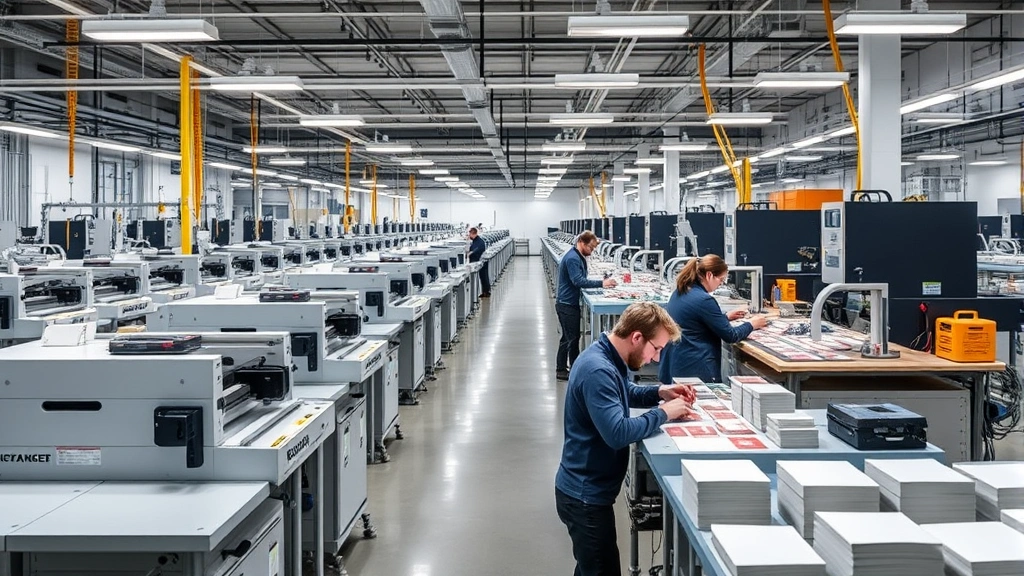
The United States Playing Card Company’s sustained competitive advantage rests fundamentally on manufacturing excellence and uncompromising quality standards. Every step of the production process—from paper selection through final packaging—reflects decades of accumulated knowledge about what creates superior playing cards. The company sources premium card stock from specialized manufacturers, understanding that the paper’s weight, finish, and durability directly impact the card’s performance and longevity.
The printing process utilizes advanced technologies ensuring consistent color reproduction and precise registration across millions of cards. The company’s quality control systems employ both automated testing and human inspection, catching defects that might escape less rigorous processes. Card cutting must be precise to within fractions of millimeters—imprecise cuts create cards that don’t shuffle properly or stack evenly, immediately apparent to experienced players. The company’s cutting equipment, maintained to exacting standards, ensures that every card meets dimensional specifications.
The finish applied to cards significantly impacts their handling characteristics and durability. The United States Playing Card Company developed proprietary coating formulas that provide optimal slip characteristics—enough friction that cards don’t slide during shuffling, but not so much that handling becomes difficult. This balance requires continuous refinement based on feedback from professional players, magicians, and casino operators. The company’s willingness to invest in manufacturing quality even when cost-cutting competitors offered cheaper alternatives created durable competitive advantage grounded in customer experience rather than marketing claims.
This commitment to quality extends to environmental responsibility and worker safety. The company invested in manufacturing processes that minimize waste, use sustainable materials where possible, and maintain safe working conditions. These commitments reflect both ethical responsibility and business pragmatism—sustainable practices reduce costs over time while building brand reputation among socially conscious consumers. The company’s approach to manufacturing demonstrates that quality, sustainability, and profitability are complementary objectives rather than competing priorities.
Strategic Business Partnerships
The United States Playing Card Company’s growth trajectory reflects sophisticated partnership strategy across multiple business dimensions. The company recognized early that success required collaboration with retailers, distributors, specialty retailers, and online platforms rather than attempting to control the entire distribution chain. This partnership approach created alignment with intermediaries who had direct customer relationships and market knowledge that the manufacturer lacked.
Partnerships with magic shops, gaming establishments, and specialty retailers proved particularly valuable. These channels provided direct access to professional and enthusiast customers who valued product quality and were willing to pay premium prices. The company invested in supporting these partners through training, marketing materials, and exclusive product offerings, creating mutually beneficial relationships that strengthened both parties. These partnerships also provided valuable feedback about customer preferences and emerging market trends.
The company’s strategic approach to collaborative business relationships extended internally as well. The company recognized that manufacturing excellence required alignment between production teams, quality control personnel, design specialists, and marketing professionals. This internal collaboration created organizational culture where different departments understood how their work contributed to overall customer value. The company’s ability to maintain this collaborative culture while scaling operations represented a significant management achievement.
International partnerships expanded the company’s global reach and provided access to markets that would have been difficult to penetrate independently. These partnerships required careful management to ensure that product quality remained consistent across different manufacturing locations and that brand positioning remained coherent across diverse cultural contexts. The company’s success in maintaining these partnerships while preserving brand integrity demonstrates sophisticated understanding of globalization challenges and opportunities.
Sustainability and Corporate Responsibility
Contemporary business success increasingly requires commitment to sustainability and corporate responsibility, and the United States Playing Card Company has embraced these imperatives as core business strategy rather than peripheral marketing initiatives. The company has invested in understanding the environmental impact of playing card production across the entire product lifecycle—from raw material sourcing through manufacturing, distribution, and eventual disposal.
The company’s sustainability initiatives include sourcing paper from responsibly managed forests, reducing chemical usage in manufacturing processes, minimizing waste through process optimization, and developing recyclable or compostable packaging alternatives. These initiatives require continuous innovation and investment but align with evolving consumer preferences and regulatory requirements. The company recognized that customers increasingly care about how products are made, not merely what the products are, and that sustainability commitment creates competitive advantage in contemporary markets.
Corporate responsibility extends to community engagement and support for organizations promoting literacy, education, and recreational activities. The company recognizes that its long-term success depends on healthy communities and vibrant culture that values leisure activities and social interaction. This stakeholder-oriented approach to business reflects evolved understanding of corporate responsibility that extends beyond shareholder profit maximization to include broader social value creation.
The company’s approach to risk management and business continuity demonstrates sophisticated understanding of how operational resilience contributes to long-term sustainability. The company invested in supply chain diversification, manufacturing redundancy, and contingency planning that proved valuable during disruptions. This proactive approach to risk management protected the company’s ability to serve customers during crises while maintaining employment and economic contribution to communities where the company operates.

FAQ
When was the United States Playing Card Company founded?
The United States Playing Card Company was founded in 1881 in Cincinnati, Ohio, during the height of America’s industrial expansion. The company emerged in a city known for manufacturing innovation and strategic location for national distribution.
What is the most popular brand manufactured by the company?
Bicycle is the most recognizable and popular brand manufactured by the United States Playing Card Company. Introduced in 1885, Bicycle cards have become the world’s best-selling playing card brand, beloved by casual players, professional magicians, and serious card game enthusiasts. The classic design has remained largely unchanged for over a century, creating powerful brand recognition and customer loyalty.
How has the company adapted to digital competition?
Rather than viewing digital entertainment as existential threat, the United States Playing Card Company recognized that physical playing cards occupy unique position in the entertainment landscape. The company invested in modern manufacturing technologies, developed specialty products, embraced e-commerce channels, and capitalized on renewed consumer interest in analog entertainment and face-to-face social interaction. This strategic adaptation allowed the company to grow despite digital disruption.
What makes United States Playing Card Company products superior to competitors?
The company’s products are superior due to meticulous attention to every aspect of manufacturing—premium paper selection, precise cutting, proprietary coating formulas, and rigorous quality control. The company understands that playing card quality directly impacts user experience and longevity. Professional players and magicians notice subtle differences in card handling that result from manufacturing excellence, creating powerful preference for the company’s products.
Where are United States Playing Card Company products manufactured?
While the company maintains significant manufacturing capacity in the United States, it also operates manufacturing facilities internationally to serve global markets efficiently. The company maintains consistent quality standards across all manufacturing locations, ensuring that customers receive the same level of quality regardless of where cards are produced.
How can I learn more about developing a business proposal based on the company’s model?
The United States Playing Card Company’s success demonstrates principles of premium positioning, consistent quality, strategic partnerships, and continuous innovation that apply across industries. Understanding the company’s approach to product development, quality management, and market strategy provides valuable lessons for entrepreneurs developing business proposals in any sector.
The United States Playing Card Company’s 140+ year history demonstrates that successful American businesses combine respect for tradition with strategic innovation, maintain uncompromising quality standards while scaling operations, and recognize that customer value extends beyond product features to include brand reliability and corporate integrity. As the company continues evolving in contemporary markets, it remains anchored in principles established during its Cincinnati founding—that excellence in execution, commitment to customers, and willingness to invest in continuous improvement create sustainable competitive advantage. For business leaders and entrepreneurs, the company’s journey offers enduring lessons about building enterprises designed to outlast individual leaders, market cycles, and technological disruptions through fundamental commitment to quality, customer value, and organizational excellence. The company’s future success will likely depend on maintaining these core principles while remaining adaptable to emerging opportunities and challenges in an increasingly complex global marketplace.


