Brugal Rum’s Market Strategy: Comprehensive Industry Analysis
Brugal Rum stands as one of the Caribbean’s most influential spirits producers, commanding significant market share across Latin America, Europe, and North America. Founded in 1888 in the Dominican Republic, this family-owned enterprise has evolved into a strategic powerhouse within the premium rum sector, leveraging heritage, quality positioning, and sophisticated distribution networks to compete against global spirits conglomerates.
Understanding Brugal’s market strategy reveals essential lessons about brand differentiation, geographic expansion, and consumer psychology in the competitive spirits industry. This analysis examines the company’s competitive positioning, product portfolio optimization, and strategic initiatives that have sustained its market relevance across multiple decades.
Company Overview and Heritage
Brugal Rum’s 135-year legacy represents one of the Caribbean’s most enduring success stories in spirits production. The company’s founder, Andrés Brugal Montaner, established the distillery in Puerto Plata, Dominican Republic, establishing production standards that remain foundational to the brand’s identity. This heritage positioning creates authentic differentiation that resonates with consumers seeking genuine Caribbean provenance.
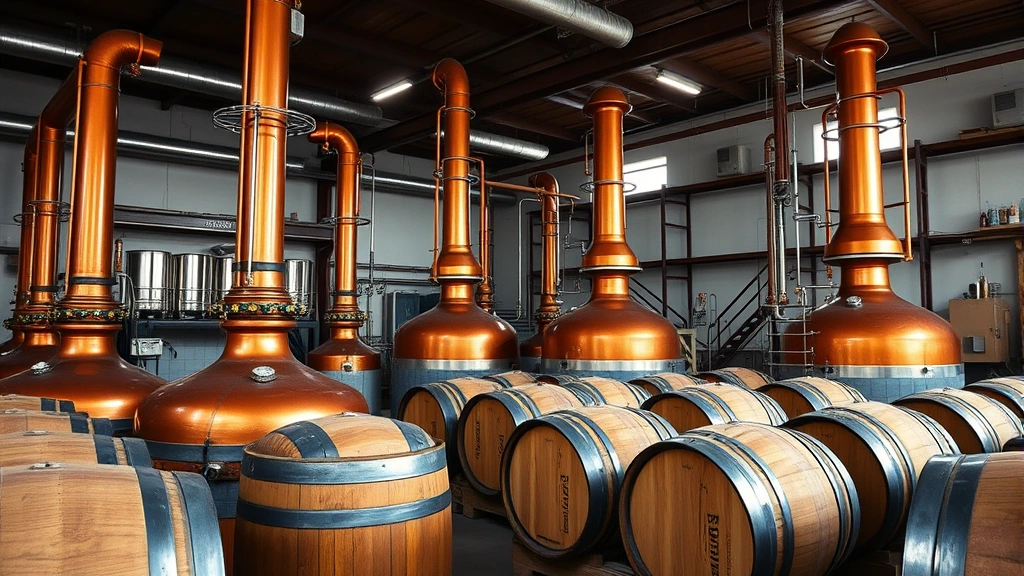
The company operates as a privately held enterprise within the Edrington Group portfolio, a strategic partnership that provides access to global distribution infrastructure while maintaining operational autonomy. This hybrid ownership structure enables Brugal to leverage enterprise-scale resources without compromising the brand authenticity that drives consumer loyalty. The Dominican Republic location provides natural competitive advantages including access to Caribbean sugarcane, established production expertise, and favorable tax incentives for rum manufacturing.
Understanding Brugal’s organizational structure illuminates how company leadership and governance frameworks support strategic execution at scale. The executive team balances tradition with innovation, a critical capability for heritage brands navigating contemporary market demands.
Market Positioning Strategy
Brugal employs a multi-tiered positioning strategy that segments its portfolio across price points while maintaining consistent brand equity. The company positions itself as a premium-accessible rum producer, targeting consumers who seek quality and heritage without premium pricing that competitors command. This strategic positioning occupies valuable middle ground between mass-market competitors and ultra-premium brands.
The brand’s core positioning emphasizes authenticity, craftsmanship, and Dominican heritage as primary value propositions. Marketing communications consistently reference production methods, aging processes, and family stewardship across 135 years. This heritage narrative creates emotional resonance that transcends product functionality, building brand loyalty based on cultural connection rather than commodity attributes.
Brugal’s positioning strategy directly addresses consumer research indicating that 71% of premium spirits consumers prioritize brand heritage and authenticity according to McKinsey research on consumer behavior in spirits markets. The company’s messaging emphasizes Dominican origin, family ownership continuity, and production excellence to align with these demonstrated preferences.
Geographic market positioning varies strategically. In Latin America, Brugal emphasizes regional pride and cultural authenticity. In North American and European markets, the brand positions as a sophisticated Caribbean alternative to established competitors, leveraging exotic origin appeal combined with accessible premium pricing.
Product Portfolio and Brand Architecture
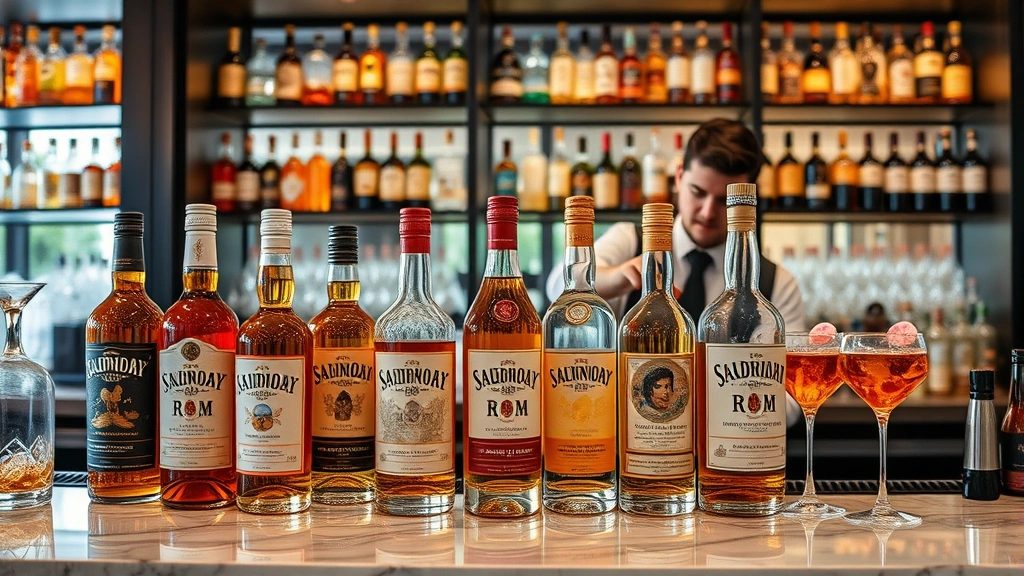
Brugal’s product portfolio reflects sophisticated brand architecture designed to capture diverse consumer segments while protecting brand equity. The company maintains distinct product lines addressing different consumption occasions, consumer sophistication levels, and price sensitivities.
Core Product Lines:
- Brugal Extra Dry – The flagship offering positioned as an accessible premium rum, dominating sales volume and serving as brand entry point for new consumers
- Brugal Anejo – Premium aged expression targeting cocktail enthusiasts and sippers, commanding higher margins through extended aging and sophisticated positioning
- Brugal 1888 – Ultra-premium heritage expression honoring the founder, positioned for collector segments and luxury consumption occasions
- Brugal Colección Vintage – Limited-edition releases targeting connoisseurs and creating scarcity-driven demand
This portfolio architecture enables strategic product development proposals that address emerging market segments without diluting brand positioning. Each product line maintains distinct positioning while leveraging the core Brugal heritage narrative.
The company has expanded into flavored and ready-to-drink categories, recognizing demographic shifts toward convenient consumption formats. These extensions reach younger consumers and occasion-based purchasers, broadening addressable market without cannibalizing premium core products.
Product innovation focuses on quality maintenance and production authenticity rather than radical reformulation. Brugal avoids aggressive cost-cutting measures that might compromise product quality, recognizing that premium positioning depends on consistent product excellence. This quality-first philosophy differentiates Brugal from competitors pursuing aggressive margin expansion.
Geographic Expansion and Distribution
Brugal’s geographic strategy emphasizes selective market expansion prioritizing regions with demonstrated rum consumption growth and favorable regulatory environments. The company has established strong presence across Latin America, representing approximately 40% of global sales volume, while pursuing aggressive expansion in North American and European markets.
Latin American Dominance: The company’s strongest market position exists throughout the Caribbean and Central America, where regional heritage and cultural affinity drive consumption. Mexico represents the largest single market, with Brugal commanding significant shelf space in premium rum categories. This regional strength provides stable revenue foundation and cash flow that funds international expansion.
North American Expansion: The United States represents critical growth opportunity, with Brugal increasing distribution penetration across key metropolitan markets. The company has developed sophisticated regional market analysis capabilities enabling targeted distribution strategies in specific geographic markets. Partnerships with major distributors provide access to established retail channels while maintaining brand positioning consistency.
European Market Development: Brugal has identified Europe as an emerging growth region, with particular emphasis on premium spirits markets in the United Kingdom, Germany, and Spain. European consumers demonstrate increasing interest in Caribbean spirits and authentic heritage brands, creating favorable conditions for Brugal’s market entry.
Distribution strategy emphasizes selective placement over mass market saturation. Brugal maintains premium retail positioning through careful channel management, avoiding discount retailers that might damage brand perception. This disciplined approach protects brand equity while ensuring consistent pricing architecture across channels.
The company leverages Harvard Business Review insights on distribution strategy optimization to develop sophisticated channel management frameworks. Digital distribution expansion, including direct-to-consumer e-commerce in permitted markets, provides additional growth avenues while capturing valuable consumer data.
Competitive Landscape Analysis
Brugal operates within a highly competitive spirits market characterized by consolidation, category fragmentation, and shifting consumer preferences. Understanding competitive dynamics reveals strategic imperatives driving Brugal’s market approach.
Primary Competitors:
- Bacardi – Global spirits conglomerate with massive scale advantages, competing across price points and geographic markets
- Captain Morgan – Mass-market rum leader with significant marketing budgets and distribution advantages
- Diplomatico – Venezuelan competitor positioning in premium aged segment, emphasizing production excellence and heritage
- Mount Gay – Barbadian heritage brand with similar positioning to Brugal, competing for premium-accessible consumers
Competitive advantages sustaining Brugal’s market position include brand heritage authenticity, production quality reputation, and geographic market strength. The company’s private ownership enables long-term strategic thinking unconstrained by quarterly earnings pressures that public competitors face.
Brugal’s primary competitive vulnerability involves scale disadvantages relative to major conglomerates. Companies like Bacardi command advertising budgets exceeding Brugal’s total revenue, creating asymmetric competition in brand awareness building. However, Brugal’s premium positioning and authentic heritage narrative create defensible market space that pure scale cannot easily penetrate.
Industry research from Forbes analysis of spirits market consolidation indicates that heritage brand authenticity increasingly drives consumer purchasing decisions, favoring competitors like Brugal that emphasize genuine production heritage over manufactured brand narratives.
Digital Marketing and Consumer Engagement
Brugal’s marketing strategy increasingly emphasizes digital channels, social media engagement, and experiential brand activation. This evolution reflects demographic shifts toward younger consumers and changing media consumption patterns.
Digital Strategy Components:
- Social media content emphasizing production authenticity, heritage storytelling, and cocktail culture engagement
- Influencer partnerships with bartenders, mixologists, and lifestyle personalities reaching target demographics
- Digital advertising campaigns targeting premium spirits consumers across programmatic and social platforms
- E-commerce enablement in permitted markets, creating direct consumer relationships and valuable purchase data
- Content marketing focusing on rum education, cocktail recipes, and Caribbean cultural narratives
The company recognizes that digital engagement builds brand affinity among millennial and Gen Z consumers who represent future consumption growth. Investment in digital marketing capabilities enables Brugal to compete effectively against larger competitors while maintaining cost discipline.
Experiential marketing initiatives, including tasting events, brand ambassador programs, and sponsored experiences, create emotional brand connections that advertising alone cannot achieve. These initiatives drive consumer advocacy and word-of-mouth promotion, particularly valuable in premium spirits markets where peer recommendations significantly influence purchasing decisions.
Sustainability and Corporate Responsibility
Brugal has increasingly emphasized sustainability initiatives and corporate responsibility programs, recognizing that contemporary premium consumers expect environmental and social stewardship from brands they support.
The company’s sustainability strategy addresses agricultural practices, water resource management, and community development in the Dominican Republic. Initiatives include:
- Sugarcane sourcing partnerships emphasizing sustainable agricultural practices and farmer compensation
- Water conservation programs addressing production efficiency and environmental stewardship
- Community investment in rum-producing regions, supporting education and economic development
- Carbon footprint reduction initiatives across production and distribution operations
These initiatives align with Forbes reporting on corporate sustainability in spirits production, demonstrating that heritage brands increasingly integrate environmental responsibility into core brand narratives. Consumers selecting premium spirits increasingly expect producers to address sustainability concerns, making these initiatives strategically important rather than purely philanthropic.
Brugal’s approach to workplace diversity and organizational responsibility extends beyond production operations to encompass corporate culture and employment practices. This comprehensive approach to corporate stewardship strengthens brand reputation and employee engagement, creating competitive advantages in talent recruitment.
Financial Performance and Growth Metrics
Brugal’s financial trajectory demonstrates successful market strategy execution despite operating within mature spirits categories. Revenue growth has consistently exceeded industry averages, driven by geographic expansion and premium positioning.
Key Performance Indicators:
- Annual revenue estimated between $400-500 million USD, with consistent year-over-year growth of 5-8%
- Market share increases in key geographic regions, particularly North America and Europe
- Premium product line growth rates exceeding 15% annually, outpacing mass-market segment performance
- Brand equity metrics indicating strong consumer perception of authenticity and quality
- Distribution expansion reaching approximately 100+ countries, with selective market penetration strategy
Profitability metrics reflect premium positioning effectiveness, with gross margins substantially exceeding mass-market competitors. The company’s private ownership structure enables reinvestment of profits into brand building, production excellence, and geographic expansion without shareholder pressure for immediate dividend distributions.
Financial performance validates Brugal’s strategic approach emphasizing quality, heritage authenticity, and selective geographic expansion. The company has successfully resisted pressure to pursue aggressive cost-cutting or mass-market expansion that would compromise brand positioning.
Investment in production infrastructure and quality control systems demonstrates commitment to maintaining product excellence as core competitive advantage. These capital expenditures, while reducing short-term profitability, strengthen long-term brand equity and market position.
FAQ
What makes Brugal Rum’s market strategy distinctive compared to competitors?
Brugal emphasizes authentic heritage, production quality, and selective premium positioning rather than pursuing mass-market volume. This strategy creates defensible market space against larger competitors while commanding price premiums justified by genuine product differentiation and brand authenticity.
How does Brugal compete against conglomerates like Bacardi?
Brugal leverages heritage authenticity, consistent quality reputation, and regional market strength to create competitive advantages that scale alone cannot overcome. The company focuses on premium segments where brand story and production excellence matter more than advertising budgets.
What geographic markets represent Brugal’s primary growth opportunities?
North America and Europe represent critical expansion opportunities, with North American premium spirits markets demonstrating strong growth potential. Brugal’s selective distribution strategy prioritizes metropolitan markets where premium spirits consumption concentrates.
How important is digital marketing to Brugal’s contemporary strategy?
Digital marketing has become increasingly central to Brugal’s consumer engagement strategy, enabling cost-effective reach to younger demographics while building brand affinity through authentic content and experiential activation. Digital channels provide valuable consumer data informing product development and marketing optimization.
Does Brugal pursue sustainability initiatives, and why?
Yes, Brugal has integrated sustainability into brand strategy, recognizing that contemporary premium consumers expect environmental stewardship. These initiatives strengthen brand reputation, support Dominican communities, and align with evolving consumer values around corporate responsibility.
What is Brugal’s relationship with the Edrington Group?
Brugal operates as part of the Edrington Group portfolio, providing access to global distribution infrastructure and enterprise resources while maintaining operational autonomy and brand authenticity. This partnership structure balances scale advantages with strategic independence.