Russia’s Helicopter Market: Industry Overview & Strategic Analysis
Russia’s helicopter industry represents a significant segment of the global aerospace and defense sectors, characterized by advanced engineering capabilities, decades of operational expertise, and substantial government investment. The Russian helicopter market encompasses both civilian and military applications, with manufacturers leveraging Cold War-era technological foundations to maintain competitive positioning in international markets. Understanding this sector requires examining the key players, market dynamics, regulatory environment, and geopolitical factors that shape industry trajectories.
The Russian helicopter manufacturing ecosystem has evolved considerably since the Soviet Union’s dissolution, transitioning from a centrally planned economy to a market-oriented structure while maintaining state strategic control over defense-critical industries. Companies like Rostec-owned entities dominate production, with facilities spanning multiple regions and employing thousands of skilled engineers and technicians. The sector faces unique challenges including international sanctions, supply chain disruptions, and shifting global demand patterns, yet continues to serve both domestic and select international markets.
Major Russian Helicopter Manufacturers
The Russian helicopter industry is dominated by several state-controlled or state-affiliated enterprises, with Mil Moscow Helicopter Plant and Kamov Design Bureau representing the two primary manufacturing powerhouses. These organizations have maintained technological superiority through continuous innovation cycles, specialized engineering talent pools, and significant government funding allocations. Understanding their operational structures and product portfolios is essential for analyzing market dynamics and competitive positioning.
Mil Moscow Helicopter Plant (Mil): Operating since 1947, Mil represents Russia’s largest helicopter manufacturer by production volume and market reach. The company specializes in medium and heavy-lift helicopters, producing the iconic Mi-8/Mi-17 series, which remains one of the world’s most widely utilized helicopter platforms. The Mi-24 attack helicopter and Mi-26 heavy-lift variant demonstrate Mil’s capability across diverse mission profiles. Recent developments include the Mi-38 civilian transport helicopter and modernized military variants designed to meet contemporary operational requirements. Mil’s production facilities maintain capacity for approximately 100-150 units annually, though actual output fluctuates based on government contracts and international demand.
Kamov Design Bureau: Specializing in coaxial rotor technology, Kamov manufactures the Ka-27/28/29/32 series and the advanced Ka-50/52 attack helicopters. The Ka-52 “Alligator” represents cutting-edge military helicopter technology, featuring advanced avionics, composite materials, and integrated weapons systems. Kamov’s civilian offerings include the Ka-32 firefighting helicopter, which operates globally despite sanctions restrictions. The company’s technological differentiation through coaxial rotor systems provides inherent stability advantages and operational flexibility in challenging environments.
Both manufacturers operate under Rostec Corporation, Russia’s state technology company responsible for coordinating defense industrial strategy. This organizational structure establishes strategic partnerships with component suppliers, research institutions, and government agencies to maintain technological advancement and production efficiency.
Market Segments and Applications
Russia’s helicopter market divides into distinct segments based on customer type, application, and operational environment. Each segment exhibits unique demand drivers, regulatory requirements, and competitive dynamics that shape manufacturer strategies and market opportunities.
Military and Defense Segment: This represents the largest market segment by value, driven by Russian Armed Forces modernization programs and government procurement budgets. Military applications encompass transport, attack, reconnaissance, and anti-submarine missions. The Mi-8 family continues serving as the primary transport platform for airborne forces, while Ka-52 attack helicopters provide close air support capabilities. Recent geopolitical tensions have accelerated military procurement cycles, with defense budgets prioritizing helicopter fleet modernization and production capacity expansion. Government contracts typically span multi-year periods, providing revenue stability and workforce planning certainty.
Civilian and Commercial Segment: Despite international sanctions, civilian helicopter demand persists across oil and gas exploration, emergency medical services, search and rescue, and passenger transport operations. Russian operators utilize helicopters for remote region access, particularly in Arctic and Far Eastern territories where infrastructure limitations necessitate air transport. The Mi-8/Mi-17 platform dominates civilian operations due to proven reliability, spare parts availability, and operator familiarity. However, regulatory compliance and risk management frameworks increasingly constrain civilian operators’ ability to access international markets and secure financing.
Export Markets: Russian helicopter manufacturers historically exported to allied nations, developing countries, and customers seeking cost-effective solutions with minimal political alignment requirements. Key export markets include India, Vietnam, China, and Middle Eastern nations. The Mi-17 platform achieved particular success in export markets, with over 2,500 units delivered globally. However, sanctions regimes and Western export controls have progressively narrowed accessible markets, forcing manufacturers to focus on remaining client bases and explore new geographic opportunities.
Competitive Landscape and Global Position
Russia’s helicopter manufacturers face intense competition from established Western producers including Airbus Helicopters, Sikorsky Aircraft (United States), and emerging competitors from Europe and Asia. This competitive environment requires continuous technological advancement, cost optimization, and strategic market positioning.
Western Competition: Airbus Helicopters dominates the global civil helicopter market with approximately 50% market share, leveraging superior manufacturing efficiency, advanced composite technologies, and extensive global support networks. Sikorsky specializes in high-performance military and civilian helicopters, maintaining technological leadership through substantial research and development investments. European manufacturers benefit from integrated supply chains, advanced manufacturing practices, and access to capital markets unavailable to Russian counterparts.
Russian manufacturers compensate through different competitive advantages. Lower production costs, simpler designs requiring less maintenance, and proven reliability in harsh environments appeal to cost-conscious operators in developing markets. The Mi-17 platform’s ability to operate from unprepared landing zones provides operational advantages in remote regions where Western competitors face infrastructure limitations. Additionally, Russian helicopters often feature higher payload capacities relative to comparable Western models, addressing specific customer requirements.
Technological Differentiation: Recent Russian developments emphasize modernization rather than revolutionary design changes. The Mi-38 incorporates composite materials, digital avionics, and enhanced safety systems to compete with Western civilian transports. Military variants feature upgraded engines, integrated weapon systems, and improved survivability features. However, sanctions-driven supply chain disruptions limit access to advanced components, potentially constraining technological advancement velocity relative to Western competitors.
Market positioning reflects geopolitical realities. Russian manufacturers maintain dominant positions in markets aligned with Russian interests, including Central Asia, the Caucasus, and select Middle Eastern nations. Expanding into Western-aligned markets requires navigating export controls, obtaining certifications from regulatory bodies like EASA, and overcoming political barriers. This geographic segmentation reduces overall market addressability compared to Western competitors with truly global reach.
Regulatory Environment and Sanctions Impact
The Russian helicopter industry operates within a complex regulatory landscape shaped by international sanctions, domestic government policies, and technical standards applicable to aerospace manufacturing. These regulatory factors substantially influence operational capabilities, market access, and strategic planning horizons.
International Sanctions Regimes: Multiple rounds of sanctions targeting Russia’s defense industrial base have progressively constrained helicopter manufacturers’ operational flexibility. Export controls restrict sales to sanctioned nations and limit access to advanced Western components and technologies. Financial sanctions complicate international transactions, restrict access to capital markets, and increase operating costs through alternative payment mechanisms. Technology transfer restrictions prevent collaboration with international partners and limit participation in joint development programs.
Component availability represents a critical vulnerability. Russian helicopter manufacturers historically relied on imported avionics, engines, and specialized materials from Western and allied suppliers. Sanctions-driven supply chain disruptions necessitate either developing domestic alternatives or accepting technological degradation relative to pre-sanction capabilities. Import substitution programs aim to develop Russian-produced replacements, but achieving equivalent performance levels requires substantial investment and development timelines.
Domestic Regulatory Framework: Russia’s Federal Air Transport Agency (Rosaviatsiya) establishes certification requirements for civil helicopters, typically harmonizing with international standards established by ICAO. Military helicopters fall under different regulatory structures managed by the Ministry of Defense and specialized military-industrial oversight bodies. These regulatory mechanisms ensure safety and operational standards while providing government control over strategic capabilities.
Developing a comprehensive business plan for helicopter operations requires understanding these regulatory requirements and maintaining compliance with evolving standards. Operators must navigate certification processes, training requirements, and documentation standards that vary by jurisdiction and customer type.
Future Market Outlook
Russia’s helicopter market faces a complex future shaped by geopolitical dynamics, technological evolution, and economic constraints. Strategic analysis suggests several potential scenarios that may unfold over coming years.
Domestic Market Expansion: Government prioritization of military modernization and remote region infrastructure development suggests sustained domestic procurement demand. Arctic operations, Far Eastern development initiatives, and border security requirements create ongoing helicopter requirements. Domestic demand provides revenue stability and workforce utilization even if international market access remains constrained. Investments in production capacity and supply chain resilience indicate government commitment to maintaining industrial capabilities despite external pressures.
Supply Chain Resilience: Manufacturers increasingly emphasize import substitution and development of domestic component suppliers. This transition involves substantial investment in manufacturing capabilities, research and development, and workforce training. Successfully implementing supply chain diversification requires sophisticated budgeting and financial planning to manage transition costs while maintaining production schedules. Developing indigenous alternatives to sanctioned components represents a multi-year effort with uncertain outcomes.
Technological Advancement: Despite constraints, Russian manufacturers continue pursuing modernization programs. The Mi-38 civilian program, Ka-52M military upgrades, and emerging next-generation concepts reflect ongoing innovation efforts. These programs emphasize evolutionary improvements rather than revolutionary changes, focusing on reliability, survivability, and operational efficiency. Access to advanced materials, digital systems, and sensor technologies remains constrained, potentially limiting competitive positioning relative to Western developments.
Market Segmentation: Future market dynamics likely reflect increasing geographic segmentation. Russian manufacturers may consolidate positions in allied and neutral markets while losing access to Western-aligned customers. This bifurcation creates distinct market dynamics, with Russian manufacturers optimizing products and strategies for specific regional markets rather than pursuing global market share. Emerging markets in Africa, Southeast Asia, and Central Asia may offer growth opportunities for cost-competitive Russian platforms.
International Partnerships: Despite sanctions constraints, some manufacturers explore limited international collaborations with non-Western partners. Joint development programs with Chinese, Indian, or Middle Eastern partners could provide capital, technological inputs, and market access benefits. However, strategic sensitivities and sanctions enforcement limit partnership scope and complexity.
Long-term market outlook depends substantially on geopolitical evolution and sanctions regime persistence. Normalization of international relations could rapidly expand market opportunities, while escalating tensions may further constrain market access. Manufacturers must maintain operational flexibility to adapt to evolving circumstances while sustaining core competencies.
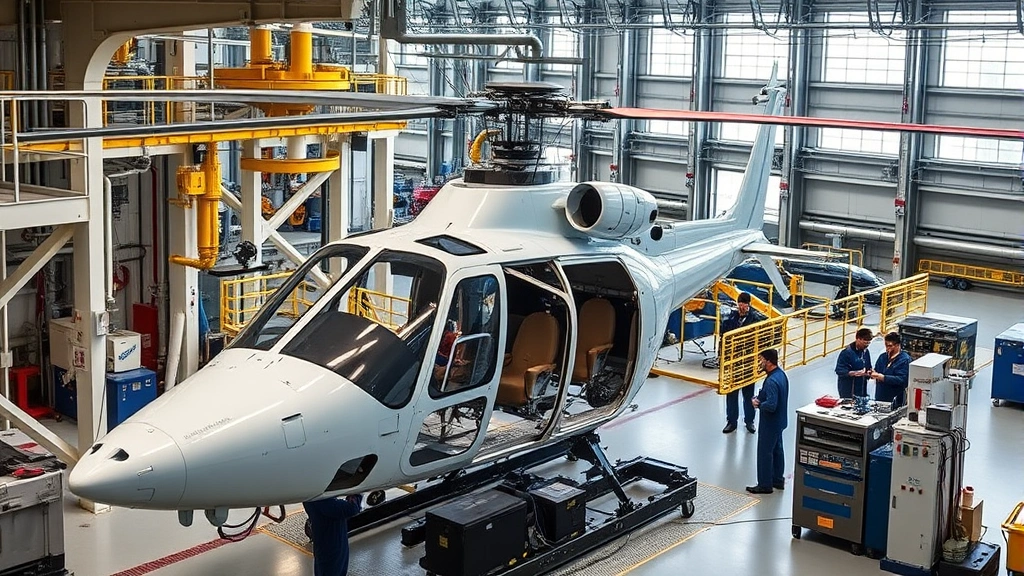
Industry Analysis and Strategic Considerations: Understanding Russia’s helicopter market requires integrating technical, economic, political, and strategic dimensions. Manufacturers balance competing pressures: maintaining technological relevance despite supply chain constraints, sustaining production efficiency while absorbing increased operating costs, and preserving market positions while adapting to geopolitical realities. These challenges demand sophisticated management capabilities and strategic flexibility.
Potential investors or partners in Russian helicopter enterprises must conduct comprehensive due diligence incorporating sanctions compliance, supply chain resilience, and geopolitical risk assessment. Customer relationship management systems become increasingly critical as manufacturers navigate complex international customer bases with varying regulatory requirements and political sensitivities.
Industry observers should monitor several key indicators: production volume trends, export market developments, technological advancement announcements, supply chain diversification progress, and government budget allocations. These metrics provide insights into industry health, strategic direction, and long-term viability.
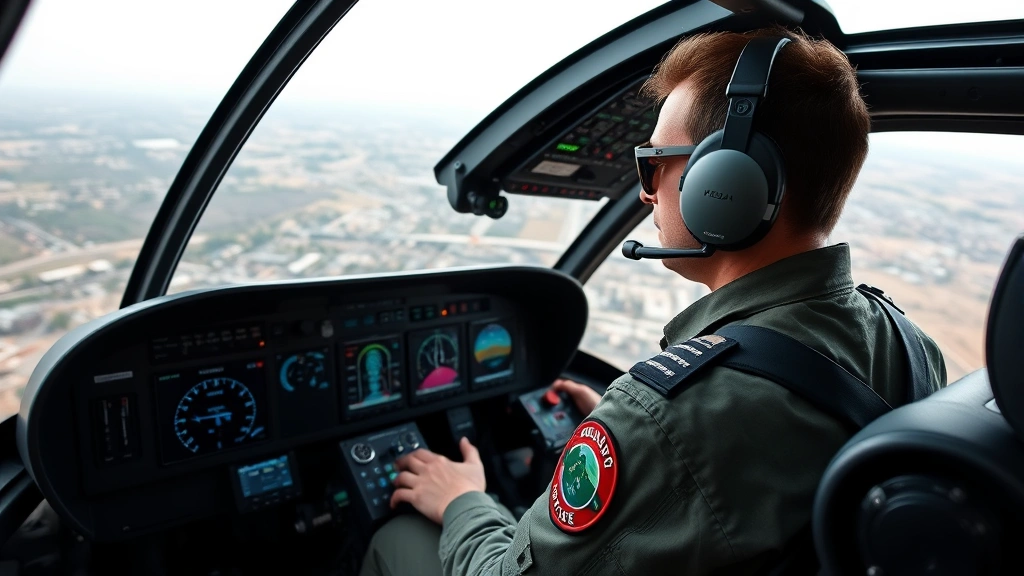
The Russian helicopter industry represents a strategically important sector balancing military capabilities, civilian applications, and export market participation. Despite significant external constraints, manufacturers leverage historical expertise, technological capabilities, and government support to maintain operational relevance. Future trajectory depends on geopolitical evolution, supply chain adaptation success, and manufacturers’ ability to innovate within constrained environments. For international observers, understanding this market requires appreciating both technical capabilities and broader strategic contexts shaping industry dynamics.
FAQ
What are the primary Russian helicopter manufacturers?
Mil Moscow Helicopter Plant and Kamov Design Bureau represent Russia’s dominant helicopter manufacturers, both operating under Rostec Corporation. Mil specializes in transport and medium-lift helicopters including the Mi-8/Mi-17 series, while Kamov focuses on attack helicopters and coaxial rotor platforms like the Ka-52.
How do sanctions affect Russian helicopter manufacturers?
International sanctions restrict component imports, limit export markets, complicate international transactions, and prevent technology partnerships. Manufacturers respond through import substitution programs and supply chain diversification, though developing domestic alternatives requires substantial investment and extended timelines.
What markets do Russian helicopters serve?
Russian helicopters serve military and defense applications (largest segment), civilian operations in remote regions, and export markets in allied and developing nations. Geographic segmentation increasingly characterizes market access due to geopolitical factors and sanctions regimes.
How competitive are Russian helicopters globally?
Russian manufacturers face intense competition from Western producers like Airbus and Sikorsky in global markets. However, they maintain competitive advantages through lower costs, proven reliability in harsh environments, and higher payload capacities in specific categories. Market access remains geographically limited due to sanctions and political factors.
What is the future outlook for Russia’s helicopter market?
The market likely experiences sustained domestic demand from military modernization and remote region development, progressive geographic segmentation with focus on allied and neutral markets, ongoing technological modernization efforts, and supply chain resilience development. Long-term trajectory depends substantially on geopolitical evolution and sanctions regime persistence.