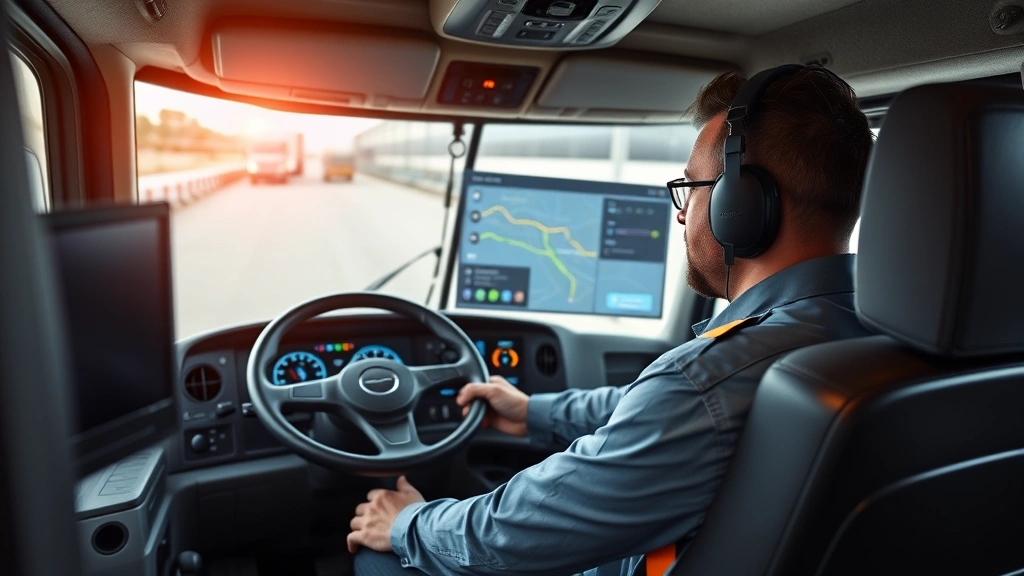
Top Big Trucking Companies: Expert Overview
The trucking industry represents one of America’s most critical economic engines, moving approximately 70% of all freight tonnage across the nation annually. Big trucking companies operate sophisticated logistics networks that demand strategic management, substantial capital investment, and unwavering commitment to operational excellence. Understanding the landscape of major carriers provides valuable insights into supply chain dynamics, competitive positioning, and industry trends that shape modern commerce.
The largest trucking companies generate billions in annual revenue while managing thousands of vehicles, drivers, and distribution points. These enterprises face unique challenges including fuel price volatility, regulatory compliance, driver retention, and the integration of advanced technologies. This comprehensive overview examines the leading players in the trucking industry, their operational strategies, market positioning, and the factors that distinguish successful carriers from their competitors.
Understanding the Big Trucking Industry Landscape
The trucking sector comprises various operational models, from full-truckload (FTL) carriers to less-than-truckload (LTL) providers. Big trucking companies typically operate across multiple service categories, maintaining diversified revenue streams that provide stability during market fluctuations. The American Trucking Associations reports that the industry generates over $875 billion annually, making it essential to the broader economy.
Large carriers distinguish themselves through extensive logistics networks, sophisticated routing algorithms, and comprehensive customer service capabilities. These organizations invest heavily in fleet modernization, driver training programs, and safety initiatives that exceed regulatory minimums. The competitive advantage for big trucking companies stems from operational efficiency, brand reputation, and the ability to handle complex, multi-regional shipments that smaller carriers cannot accommodate.
Understanding business pricing strategies proves essential for trucking companies seeking to optimize revenue while remaining competitive. Freight rates fluctuate based on fuel costs, demand seasonality, and market capacity. Major carriers employ sophisticated pricing models that balance profitability with customer retention, adjusting rates dynamically to reflect operational realities.
The regulatory environment significantly impacts trucking operations. Hours-of-service regulations, vehicle maintenance requirements, and safety standards impose substantial compliance costs that larger companies manage more effectively through dedicated compliance departments. Environmental regulations increasingly favor carriers with modern, fuel-efficient fleets, creating competitive advantages for well-capitalized companies investing in newer equipment.
Top Trucking Companies by Revenue and Fleet Size
UPS (United Parcel Service) operates as the world’s largest package delivery company with an extensive trucking division supporting its global logistics network. The company maintains a fleet exceeding 125,000 vehicles and generates over $97 billion in annual revenue. UPS distinguishes itself through advanced package tracking technology, specialized handling for time-sensitive shipments, and integrated air-ground logistics capabilities.
FedEx Corporation rivals UPS as a logistics powerhouse, operating one of the world’s largest transportation networks. With a fleet exceeding 650,000 vehicles across all divisions and annual revenues surpassing $84 billion, FedEx provides comprehensive freight services including LTL, FTL, and specialized handling. The company’s FedEx Freight subsidiary operates as a leading LTL carrier, while FedEx Ground handles smaller packages and regional distribution.
J.B. Hunt Transport Services stands as the largest trucking company by revenue among pure-play carriers, generating approximately $21 billion annually. Operating over 23,000 trucks and 68,000 trailers, J.B. Hunt serves customers across North America with FTL, intermodal, and dedicated contract services. The company pioneered many modern trucking innovations and maintains industry-leading operational metrics.
Schneider National operates approximately 13,000 trucks and generates roughly $5.5 billion in annual revenue. The company specializes in dedicated contract carriage, intermodal services, and logistics solutions. Schneider maintains a reputation for safety excellence and driver-friendly operational practices that support industry-leading retention rates.
Knight-Swift Transportation emerged through the 2017 merger of Knight Transportation and Swift Transportation, creating North America’s largest trucking company by fleet size. Operating approximately 23,000 trucks, Knight-Swift generates over $6 billion annually and maintains diverse service offerings including FTL, dedicated, and specialized transportation.
Werner Enterprises operates roughly 13,000 trucks and generates approximately $3 billion in annual revenue. The company emphasizes driver recruitment and retention through competitive compensation and modern equipment, maintaining fleet utilization rates among the industry’s highest.
PAM Transport (Heartland Express) operates a fleet exceeding 1,600 trucks focused on dedicated contract services. The company maintains exceptional driver retention through high compensation and equipment quality, positioning itself as a premium operator in the dedicated carriage segment.
Exploring company search tools helps identify regional carriers and emerging players in specific markets. Many state-based resources provide comprehensive databases of transportation companies, supporting market analysis and competitive research.
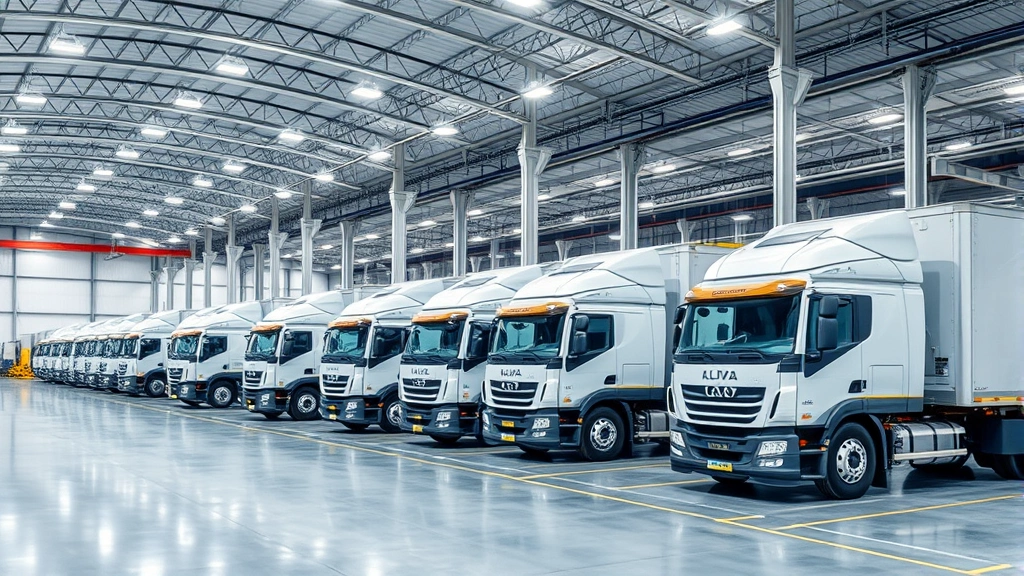
” alt=”Modern trucking logistics facility with fleet vehicles lined up for loading and distribution operations”/>
Operational Excellence and Technology Integration
Big trucking companies invest substantially in technology platforms that enhance operational efficiency and customer visibility. Telematics systems monitor vehicle performance, driver behavior, and fuel consumption in real-time, enabling predictive maintenance that reduces downtime and extends equipment lifespan. Advanced fleet management systems optimize routing, reduce empty miles, and improve delivery reliability.
Driver recruitment and retention represent critical competitive factors in the trucking industry. Large carriers employ sophisticated talent acquisition strategies, offering competitive compensation packages, sign-on bonuses, and career development pathways. Companies like Schneider National and PAM Transport achieve industry-leading retention rates through comprehensive driver support programs including training, mentorship, and equipment quality.
Safety programs distinguish leading carriers in the marketplace. Big trucking companies maintain safety cultures emphasizing accident prevention, driver wellness, and regulatory compliance. Investment in driver training, fatigue management systems, and vehicle safety technology reduces insurance costs while protecting brand reputation. The Harvard Business Review highlights how operational excellence in transportation directly correlates with financial performance and stakeholder value.
Customer relationship management systems enable big trucking companies to provide responsive service and real-time shipment visibility. Integrated booking platforms, automated communication, and dedicated account management support complex customer requirements. These capabilities justify premium pricing for large shippers requiring reliable, predictable transportation services.
Sustainability initiatives increasingly differentiate carriers in the marketplace. Companies investing in fuel-efficient equipment, alternative fuel vehicles, and carbon reduction programs appeal to environmentally conscious shippers. Major carriers like UPS and FedEx have committed to fleet electrification and renewable energy integration, positioning themselves as responsible corporate citizens.
Market Challenges and Strategic Adaptations
The trucking industry faces persistent driver shortage challenges that constrain capacity and drive wage inflation. Demographic trends, including aging driver populations and limited new entrant recruitment, exacerbate labor scarcity. Big trucking companies address these challenges through automation investments, autonomous vehicle research, and enhanced compensation strategies that improve recruitment and retention.
Fuel price volatility significantly impacts trucking profitability. Carriers employ fuel surcharge mechanisms that pass cost increases to customers, though customer resistance and competitive pressure limit surcharge effectiveness. Investment in fuel-efficient equipment and route optimization reduce exposure to commodity price fluctuations. McKinsey research indicates that operational efficiency improvements can offset significant fuel cost increases through reduced consumption and improved asset utilization.
Economic cycles create demand volatility that impacts carrier profitability and utilization rates. Recession periods reduce freight volumes and create pricing pressure, requiring carriers to maintain financial reserves and flexible cost structures. Big trucking companies navigate these cycles through diversified customer bases, geographic diversity, and service line breadth that stabilize revenue during downturns.
Regulatory compliance costs continue escalating. Hours-of-service regulations, electronic logging device requirements, and safety mandate implementation impose substantial operational and administrative expenses. Large carriers manage these costs more effectively than smaller competitors through economies of scale and dedicated compliance infrastructure.
Competitive intensity from digital freight platforms creates disruption in the trucking industry. Companies like Uber Freight and Convoy connect shippers directly with carriers, reducing reliance on traditional freight brokers and lowering transaction costs. Big trucking companies adapt by developing proprietary digital platforms, enhancing customer interfaces, and leveraging their scale advantages in customer service and reliability.
Understanding workforce dynamics and career opportunities within trucking requires exploring sales recruiting roles and organizational structures within transportation companies. Major carriers employ thousands in sales, customer service, operations management, and administrative positions beyond driver roles.
Future Trends in Large-Scale Trucking Operations
Autonomous vehicle technology represents the most significant long-term disruption facing the trucking industry. Self-driving trucks could fundamentally transform labor economics, safety profiles, and operational efficiency. However, regulatory frameworks, technological maturity, and infrastructure requirements suggest autonomous adoption will occur gradually. Big trucking companies position themselves through research investments, partnerships with technology providers, and gradual pilot programs testing autonomous capabilities on controlled routes.
Electric vehicle adoption accelerates as battery technology improves and charging infrastructure expands. Major carriers invest in electric truck pilots, recognizing that electrification reduces fuel costs and aligns with sustainability commitments. J.B. Hunt, Schneider National, and UPS have announced significant electric vehicle deployment plans, positioning themselves as innovation leaders while managing transition costs.
Last-mile delivery optimization becomes increasingly critical as e-commerce growth drives parcel volume expansion. Big trucking companies invest in regional distribution centers, micro-fulfillment facilities, and alternative delivery methods including autonomous delivery robots and crowd-sourced logistics. These investments require significant capital but generate competitive advantages in high-density markets.
Intermodal transportation integration continues growing as shippers seek cost-effective long-distance solutions. Big trucking companies leverage intermodal capabilities combining truck, rail, and maritime transport. This multimodal approach reduces costs for long-haul shipments while improving environmental performance through reduced fuel consumption per ton-mile.
Data analytics and artificial intelligence transform decision-making across trucking operations. Predictive analytics optimize maintenance schedules, pricing strategies, and route planning. Machine learning algorithms identify safety risks, driver fatigue patterns, and customer churn risks, enabling proactive interventions. Forbes reports that transportation companies leveraging advanced analytics achieve 10-15% cost reductions and improved service reliability.
Logistics consolidation trends suggest continued industry consolidation as smaller carriers struggle with regulatory compliance costs and technology investments. Big trucking companies acquire regional carriers, gaining market share, customer relationships, and operational assets. This consolidation creates opportunities for strategic acquisitions and partnerships that strengthen competitive positioning.
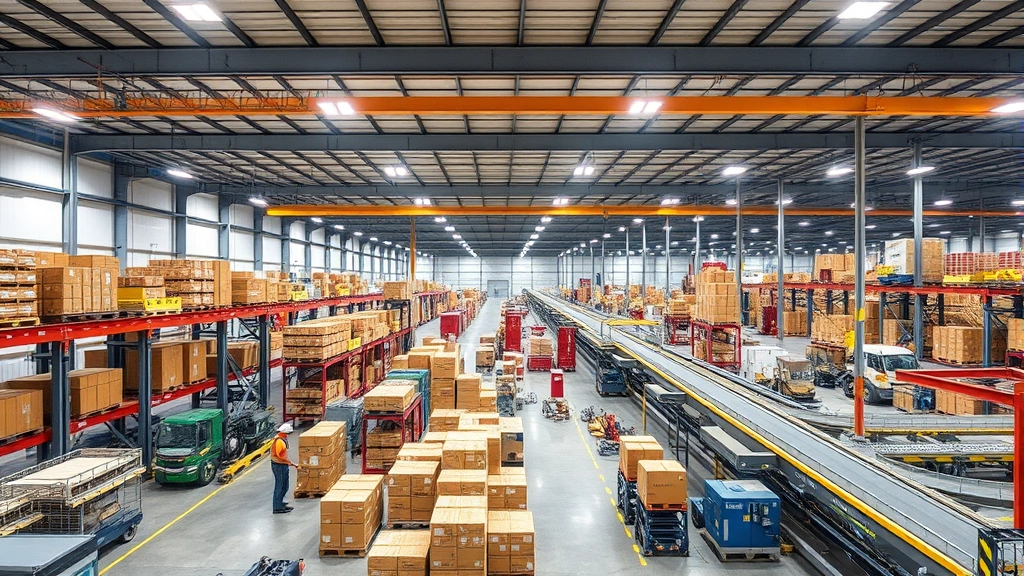
” alt=”Distribution center interior showing conveyor systems, sorting equipment, and logistics infrastructure supporting modern freight operations”/>
Exploring company culture dynamics provides insights into how leading trucking companies differentiate themselves through organizational excellence. The market basket company culture shift demonstrates how organizational values directly impact employee engagement and operational performance. Trucking companies recognizing driver importance as competitive advantage invest in culture initiatives supporting safety, respect, and career development.
Industry research from McKinsey and other consulting firms emphasizes that big trucking companies achieving sustained profitability combine operational excellence with strategic innovation. Investment in technology, talent development, and customer relationships creates defensible competitive advantages supporting premium positioning and financial performance.
FAQ
What defines a “big” trucking company in the industry?
Big trucking companies typically operate 5,000+ trucks, generate over $1 billion in annual revenue, and maintain national or multi-regional service networks. These carriers serve diverse customer segments, offer multiple service lines (FTL, LTL, dedicated), and maintain sophisticated logistics infrastructure supporting complex supply chain requirements.
How do major trucking companies maintain profitability amid rising costs?
Leading carriers achieve profitability through operational efficiency improvements, technology investments reducing fuel consumption and maintenance costs, premium pricing for specialized services, and scale advantages in procurement and administration. Diversified service offerings and geographic diversity stabilize revenue during economic fluctuations.
What role does driver retention play in trucking company success?
Driver retention directly impacts operational efficiency, safety performance, and customer service quality. Companies investing in competitive compensation, modern equipment, career development, and supportive work environments achieve retention rates 20-30% higher than industry averages, reducing recruitment costs and improving operational stability.
How are big trucking companies adapting to autonomous vehicle technology?
Major carriers pursue autonomous vehicle strategies through research partnerships, pilot programs on controlled routes, and gradual fleet modernization incorporating autonomous-ready technologies. Most industry experts project 15-20 year timelines for meaningful autonomous adoption, allowing carriers to transition gradually while managing technology and labor risks.
What competitive advantages do large carriers maintain over smaller competitors?
Big trucking companies leverage scale advantages in technology investment, customer service capabilities, regulatory compliance infrastructure, and financial stability. Their ability to handle complex multi-region shipments, provide consistent service quality, and invest in innovation creates barriers to competition that smaller carriers struggle to overcome.
How does sustainability impact competitive positioning in trucking?
Shippers increasingly prioritize carriers demonstrating environmental responsibility through fuel-efficient equipment, alternative fuel adoption, and carbon reduction commitments. Big trucking companies invest in sustainability initiatives to appeal to corporate customers with environmental goals, creating brand differentiation and supporting premium pricing strategies.


