Is Alliance Residential a Top Developer? Comprehensive Industry Review
Alliance Residential Company has established itself as a significant player in the multifamily residential development sector, but determining whether it qualifies as a “top” developer requires careful analysis of market position, portfolio quality, financial performance, and strategic direction. With operations spanning multiple states and a substantial development pipeline, Alliance Residential represents one of the more notable mid-to-large scale developers in North America, though its ranking among industry titans depends on specific evaluation criteria.
The residential development industry has undergone substantial transformation over the past decade, driven by demographic shifts, urbanization trends, and changing consumer preferences. Understanding where Alliance Residential fits within this competitive landscape requires examining their track record, current operations, strategic initiatives, and how they compare to established competitors. This comprehensive review explores whether Alliance Residential deserves recognition as a top-tier developer.
Company Overview and Market Position
Alliance Residential Company operates as a privately-held multifamily residential real estate developer and operator with a substantial presence across the United States. The company has developed and managed thousands of apartment units across various markets, establishing operations in high-growth regions including Arizona, California, Colorado, Florida, and Texas. As a vertically integrated organization, Alliance Residential handles development, construction, and property management—a structure that provides operational efficiency and quality control advantages.
The company’s organizational model emphasizes local market expertise combined with national operational standards. This approach has enabled Alliance Residential to navigate regional market dynamics while maintaining consistent quality across geographies. Their market position reflects neither the scale of mega-developers like Lennar or Toll Brothers, nor the boutique positioning of ultra-specialized regional firms. Instead, Alliance Residential occupies a competitive middle tier with significant regional influence and growing national recognition.
Understanding how to build meaningful professional connections within the real estate development industry has been crucial to Alliance Residential’s ability to secure partnerships, financing, and strategic opportunities. Their network extends across institutional investors, municipal governments, and construction partners.
Portfolio Analysis and Development Quality
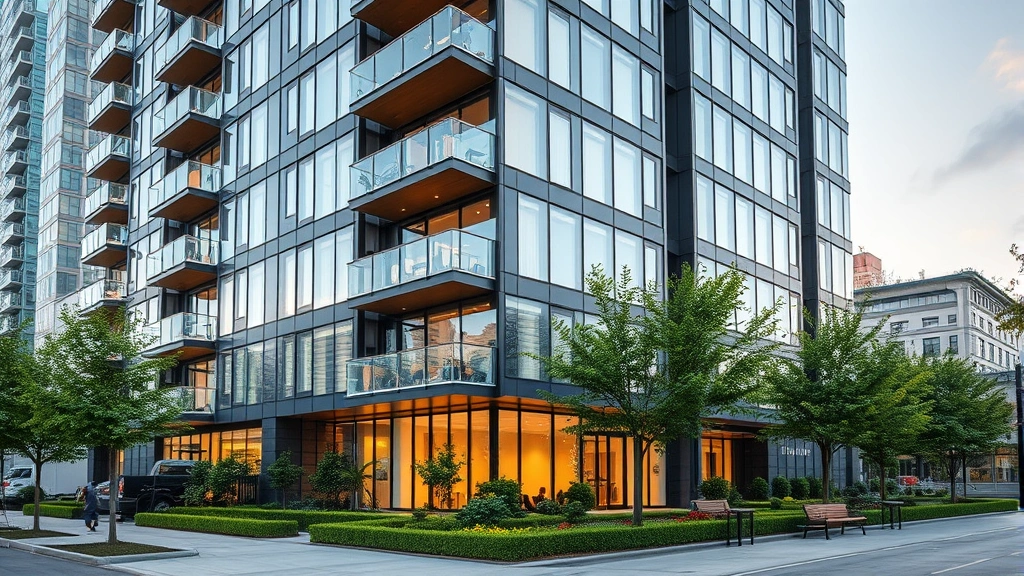
Alliance Residential’s portfolio encompasses diverse property types, ranging from luxury high-rise apartments to workforce housing communities. The company has demonstrated capability across multiple segments, including Class A properties in prime urban locations and value-oriented communities in emerging markets. Project quality assessment reveals consistent attention to design standards, construction execution, and amenity offerings that appeal to contemporary renters.
The architectural and design philosophy employed by Alliance Residential typically emphasizes modern aesthetics, functional efficiency, and lifestyle-oriented amenities. Properties frequently feature fitness centers, co-working spaces, rooftop areas, and community gathering spaces designed to support contemporary living preferences. This amenity-focused approach aligns with broader industry trends toward experiential rental living rather than basic housing provision.
Quality metrics for Alliance Residential developments generally compare favorably against peer companies. Construction timelines, budget management, and completion rates demonstrate professional project delivery capabilities. The company’s track record shows relatively low incidence of significant construction defects or major operational issues post-opening, suggesting disciplined quality assurance processes throughout the development lifecycle.

” alt=”Modern apartment building exterior with contemporary architectural design, glass facade, landscaping, and urban setting” />
Financial Performance and Growth Metrics
As a privately-held company, Alliance Residential does not disclose comprehensive financial statements publicly, limiting transparent analysis of profitability, revenue trends, and financial ratios. However, available industry data and market observations indicate the company maintains healthy operational performance and continues capital deployment into new projects. The ability to secure institutional financing for ongoing development suggests lender confidence in financial viability and management capability.
Development pipeline information indicates Alliance Residential continues identifying and acquiring development sites, suggesting confidence in market conditions and capital availability. The company’s growth trajectory has been generally positive, with expansion into new markets and continued development activity in established regions. Compared to publicly-traded multifamily REITs, Alliance Residential’s financial scale is substantially smaller, but the company operates as a profitable enterprise with sufficient capital to fund development activities.
Revenue generation mechanisms for Alliance Residential include development profits from completed projects, property management fees from operated communities, and potential asset appreciation. This diversified income model provides more resilience than development-only business models, as operating properties generate recurring revenue streams independent of new project completions.
Strategic Initiatives and Innovation
Alliance Residential has demonstrated interest in adopting contemporary development practices and technologies. Smart home capabilities, energy-efficient systems, and digital amenity access represent areas where the company has incorporated innovation into recent projects. These initiatives reflect responsiveness to evolving resident expectations and operational efficiency improvements.
The company’s strategic positioning appears focused on capturing growth in high-demand metropolitan markets while maintaining operational excellence in existing communities. Rather than pursuing aggressive national expansion into every possible market, Alliance Residential has concentrated efforts in regions with favorable demographic trends, job growth, and rental demand fundamentals. This disciplined market selection approach reflects mature strategic thinking.
Utilizing effective business communication tools and collaborative platforms has enabled Alliance Residential to coordinate complex development projects across multiple states and manage diverse stakeholder relationships more efficiently. This operational infrastructure supports execution of increasingly sophisticated development programs.
Competitive Landscape Assessment
The multifamily development industry features competitors across multiple scale categories. Mega-developers like Lennar, Pulte Homes, and Toll Brothers operate at scales exceeding Alliance Residential by orders of magnitude, with annual revenues in the tens of billions. Publicly-traded multifamily REITs including Apartment Income REIT Corp, Centerspace, and others command significantly larger asset bases and market capitalizations.
Within the mid-market developer category, Alliance Residential competes against firms like Ashton Woods Homes, Meritage Homes’ apartment division, and numerous regional developers. Competitive differentiation typically emerges through local market expertise, design quality, operational efficiency, and resident satisfaction capabilities. Alliance Residential’s standing within this competitive tier appears solid, though not dominant.
Specialized competitors focusing on specific market segments or property types (luxury apartments, workforce housing, senior living) may outperform Alliance Residential in narrow categories, but Alliance Residential’s diversified approach provides competitive advantages in adaptability and risk mitigation. The company’s ability to serve multiple market segments and geographies reduces vulnerability to localized market downturns.
Sustainability and ESG Commitments
Environmental, Social, and Governance (ESG) considerations increasingly influence investor decisions, tenant preferences, and municipal development approvals. Alliance Residential has incorporated sustainability practices into recent projects, including energy-efficient HVAC systems, LED lighting, water conservation measures, and sustainable building materials. However, comprehensive ESG reporting comparable to publicly-traded peers remains limited due to the company’s private status.
The company’s approach to workforce diversity and inclusion reflects broader industry trends toward DEI commitments in real estate development. Employment practices and supplier diversity initiatives represent areas where Alliance Residential can strengthen ESG credentials. Governance structures within a privately-held organization differ substantially from public company requirements, potentially limiting transparency around board composition and executive compensation practices.
Community engagement and affordable housing contributions represent important ESG dimensions. Alliance Residential has participated in mixed-income development projects and contributed to affordable housing in select markets, though the scale of these commitments relative to total portfolio volume remains modest compared to some larger competitors implementing more comprehensive affordable housing strategies.
Customer Satisfaction and Resident Experience
Measuring customer satisfaction in residential real estate extends beyond traditional NPS scores to include lease renewal rates, online reputation metrics, and resident retention data. Alliance Residential properties generally receive favorable online reviews on platforms like Apartments.com and Google, with average ratings typically in the 4.0-4.5 range depending on specific properties. This suggests generally positive resident experiences across the portfolio.
Lease renewal rates—a critical metric for residential operators—indicate whether current residents choose to renew leases or relocate. Industry-wide average renewal rates hover around 50-55%, with top-performing operators achieving 60%+ renewal rates. While specific Alliance Residential renewal data remains proprietary, available evidence suggests competitive performance in this metric, indicating resident satisfaction sufficient to encourage lease renewals.
Customer service capabilities, maintenance responsiveness, and amenity quality represent operational factors influencing resident satisfaction. Alliance Residential’s property management organization appears adequately resourced and professionally staffed to deliver service standards expected by contemporary renters. Investment in digital platforms for rent payment, maintenance requests, and community communication aligns with resident preferences for convenient digital interaction channels.

” alt=”Residential community courtyard with modern seating areas, landscaping, water features, residents socializing” />
Challenges and Risk Factors
Rising construction costs, labor shortages in the construction industry, and supply chain disruptions represent ongoing challenges affecting all multifamily developers including Alliance Residential. These factors have increased project development timelines and reduced profit margins across the industry. The company’s ability to navigate these challenges through efficient project management and strategic partnerships will influence future competitiveness.
Interest rate environment and capital availability significantly impact development feasibility. Higher borrowing costs reduce project returns and slow development pipelines. Alliance Residential’s access to institutional financing depends on maintaining strong relationships with lenders and demonstrating consistent financial performance. Economic recession risk could substantially impact rental demand and property valuations in vulnerable markets.
Regulatory environment changes at municipal and state levels affect development feasibility and project economics. Zoning restrictions, inclusionary housing requirements, and building code modifications can increase development costs and reduce project feasibility. Alliance Residential must maintain effective business networking strategies with municipal officials and advocacy organizations to navigate regulatory landscapes effectively.
Competition from alternative housing models, including co-living arrangements and single-family rental communities, represents evolving competitive threats. Demographic shifts toward remote work may reduce demand for urban apartments while increasing demand for suburban and secondary market housing. Alliance Residential’s geographic diversification provides some protection against localized demand shifts.
FAQ
What is Alliance Residential Company’s primary business focus?
Alliance Residential Company primarily develops, constructs, and operates multifamily apartment communities across multiple states. The company operates as a vertically integrated organization handling all aspects from land acquisition through property management, providing operational control and quality consistency.
How many apartment units has Alliance Residential developed?
Alliance Residential has developed and manages thousands of apartment units across its portfolio, though exact current figures remain proprietary. The company continues adding properties through its active development pipeline, expanding total units under management.
In which states does Alliance Residential operate?
Alliance Residential maintains significant operations in Arizona, California, Colorado, Florida, and Texas. The company has also expanded into additional states, focusing on high-growth metropolitan regions with favorable rental demand fundamentals.
How does Alliance Residential compare to major national developers?
Alliance Residential operates at mid-market scale, substantially smaller than mega-developers like Lennar or Toll Brothers but larger than many regional specialists. The company competes effectively within its competitive tier through local market expertise and quality execution.
Does Alliance Residential pursue sustainable development practices?
Yes, Alliance Residential has incorporated sustainability features into recent projects including energy-efficient systems, water conservation measures, and sustainable materials. However, comprehensive ESG reporting comparable to public companies remains limited due to private ownership status.
How can I learn more about Alliance Residential development opportunities?
Prospective investors, partners, and employees can contact Alliance Residential directly through their corporate offices or website. The company’s development team maintains relationships with institutional investors, local partners, and municipal officials in target markets.
What is Alliance Residential’s approach to workforce housing?
Alliance Residential has participated in mixed-income development projects and contributed to workforce housing in select markets. The company balances market-rate development with selective participation in affordable housing initiatives.
How does Alliance Residential maintain quality across multiple properties?
Vertical integration and centralized operational standards enable Alliance Residential to maintain consistent quality across geographically dispersed properties. Regular inspections, standardized maintenance protocols, and professional property management teams support quality assurance objectives.
External Resources:


