Blenko Glass Company: Artistry Through Generations
The Blenko Glass Company stands as one of America’s most remarkable examples of sustained craftsmanship and artistic excellence spanning over a century. Founded in 1893 by William Blenko, a German immigrant with an unwavering commitment to quality glassmaking, the company has transformed from a small operation into an internationally recognized manufacturer of handcrafted glass products. Based in Milton, West Virginia, Blenko Glass Company represents a unique convergence of Old World artisanal techniques and innovative American design philosophy.
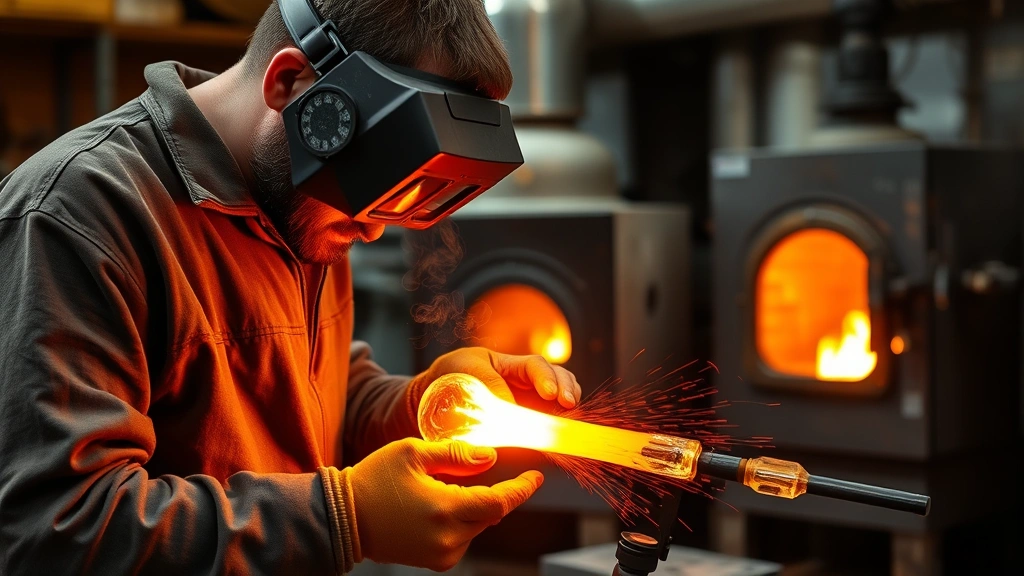
What distinguishes Blenko from countless other glass manufacturers is not merely its longevity, but its steadfast dedication to handcrafted production in an era dominated by mass manufacturing and automation. Every piece produced at Blenko involves skilled artisans who have spent years mastering their craft, working with molten glass at temperatures exceeding 2000 degrees Fahrenheit. This commitment to excellence has made Blenko Glass Company synonymous with premium quality, architectural glass solutions, and decorative pieces that grace homes, churches, and commercial spaces worldwide.
The Founding Legacy and William Blenko’s Vision
William Blenko arrived in America from Lenzig, Germany, bringing with him generations of glassmaking expertise and an entrepreneurial spirit that would shape the American glass industry. In 1893, he established his glass company with a singular mission: to produce superior quality glass products using traditional European methods while embracing the opportunities presented by American markets. This foundational philosophy continues to guide Blenko Glass Company operations today, demonstrating that strategic business partnerships and clear operational frameworks are essential for long-term success.
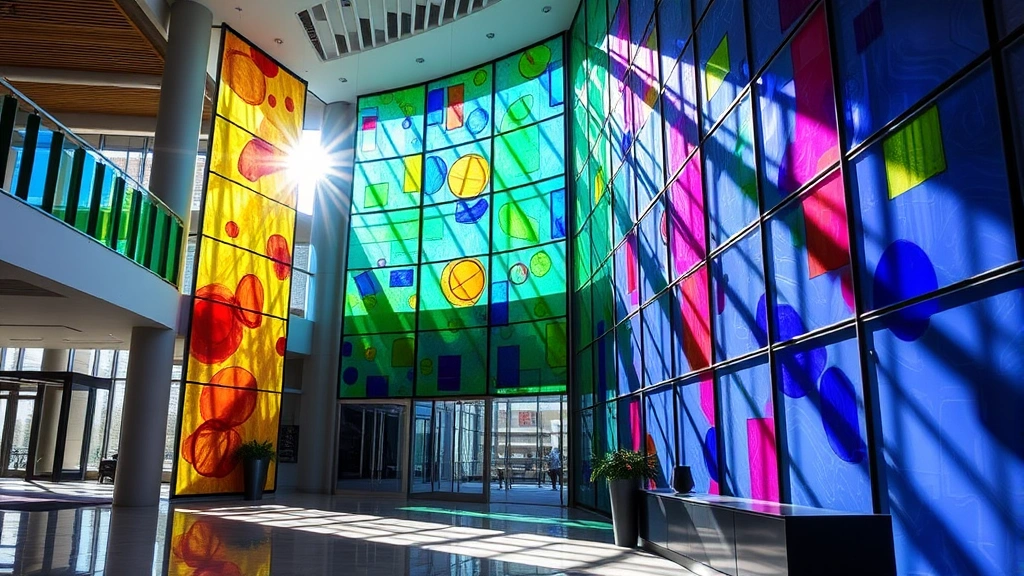
The early years of Blenko Glass Company were marked by relentless experimentation and refinement. William Blenko understood that American customers possessed different aesthetic preferences than their European counterparts, and he adapted his product lines accordingly while maintaining uncompromising quality standards. His commitment to innovation within tradition established a business model that would prove remarkably resilient through economic cycles, wars, and technological disruption. The company’s initial focus on architectural glass—windows, doors, and decorative panels for buildings—quickly established Blenko as a trusted supplier for discerning architects and builders.
Mastering Handcrafted Glassmaking Techniques
At the heart of Blenko Glass Company’s identity lies an unwavering commitment to handcrafted production methods that remain largely unchanged since the company’s founding. Each piece of Blenko glass is created by skilled artisans who employ techniques passed down through generations, combining precision with artistic interpretation. The glassmaking process at Blenko begins with carefully selected raw materials—silica sand, soda ash, limestone, and various colorants—which are melted in large furnaces that operate continuously.
The artisans who work at Blenko Glass Company undergo extensive training programs that typically span several years. These craftspeople develop an almost intuitive understanding of glass behavior, learning to judge temperature, viscosity, and timing with remarkable accuracy. The hand-blowing technique, the primary method employed by Blenko, involves gathering molten glass on the end of a blowpipe and then using breath, gravity, and specialized tools to shape it into the desired form. This process requires both physical strength and artistic sensitivity, making glassmaking at Blenko a true craft rather than mere manufacturing.
The color palette available to Blenko artisans encompasses hundreds of distinct hues, many of which are proprietary formulations developed over decades of experimentation. Achieving consistent color throughout a piece presents significant technical challenges, particularly when working with hand-blown glass where slight variations in temperature and timing can affect the final result. Understanding detailed production processes and mapping workflow efficiency has allowed Blenko to maintain quality consistency while respecting the inherent variations that make handcrafted glass valuable.
Quality control at Blenko Glass Company occurs at multiple stages throughout production. Master craftspeople inspect pieces for structural integrity, color accuracy, and aesthetic appeal. Items that fail to meet exacting standards are either re-worked by skilled artisans or returned to the furnace for recycling. This commitment to quality, though expensive and time-consuming, has become a cornerstone of Blenko’s brand identity and market positioning.
Architectural Glass and Commercial Applications
Blenko Glass Company has established itself as a premier provider of architectural glass solutions for both residential and commercial projects. The company’s architectural division produces custom glass elements including windows, doors, skylights, wall panels, and decorative installations that transform building interiors and exteriors. These architectural applications represent a significant portion of Blenko’s revenue and serve as a testament to the company’s ability to scale handcrafted production while maintaining artistic integrity.
Commercial architects and interior designers frequently specify Blenko glass for high-end projects where aesthetic distinction and material quality are paramount. Churches, government buildings, luxury hotels, and corporate headquarters have incorporated Blenko architectural glass, recognizing that these installations enhance property values and create memorable spatial experiences. The company’s ability to execute custom designs—from traditional patterns to contemporary artistic visions—demonstrates remarkable flexibility within a craft-based production model.
One of Blenko’s notable strengths lies in its capacity to produce architectural glass at scale without sacrificing the handcrafted quality that distinguishes the brand. This balancing act requires sophisticated workforce management and productivity optimization strategies that enable artisans to work efficiently without compromising artistic standards. The company has invested significantly in employee training and development programs that ensure consistent excellence across all production facilities.
Product Innovation and Design Evolution
Throughout its history, Blenko Glass Company has demonstrated a remarkable capacity for innovation while remaining true to its core identity as a handcrafted glass manufacturer. The company has successfully evolved its product portfolio to reflect changing architectural trends, consumer preferences, and technological possibilities. This balance between tradition and innovation has proven essential for maintaining market relevance across multiple generations.
In recent decades, Blenko has expanded beyond traditional architectural applications into decorative art glass, tableware, and sculptural installations. Contemporary designers have collaborated with Blenko artisans to create pieces that push the boundaries of what is possible within handcrafted glass production. These collaborations have introduced Blenko products to new markets and customer demographics, particularly younger consumers seeking authentic, artisanal goods in an increasingly mass-produced world.
The company’s design innovation process involves close collaboration between in-house designers, master craftspeople, and external creative partners. Prototyping new designs requires significant time and material investment, but this commitment to development has resulted in products that achieve both aesthetic distinction and functional excellence. Structured project management approaches help Blenko organize complex design and production initiatives while maintaining flexibility for artistic expression.
Building a Sustainable Business Model
Operating a handcrafted glass manufacturing business in the twenty-first century requires a business model that balances artistic integrity with financial sustainability. Blenko Glass Company has developed a diversified revenue approach that includes architectural contracts, decorative product sales, custom commissions, and educational programs. This diversification reduces dependence on any single market segment and provides stability during economic fluctuations.
Blenko’s pricing strategy reflects the true cost of handcrafted production, including extensive labor, material selection, and quality control. Rather than competing on price with mass manufacturers, Blenko positions itself in the premium market segment where customers value authenticity, quality, and artistic merit over cost minimization. This strategic positioning has proven remarkably effective, allowing the company to maintain healthy profit margins while investing in workforce development and facility improvements.
The company’s commitment to sustainability extends beyond business model considerations to encompass environmental responsibility. Blenko glass production generates significant waste heat, which is captured and recycled to improve energy efficiency. The company has implemented recycling programs for glass scraps and broken pieces, reducing waste while creating economic value from materials that might otherwise be discarded. These sustainability initiatives align with broader organizational values emphasizing responsible stewardship of resources and community contribution.
Workforce Development and Artisan Excellence
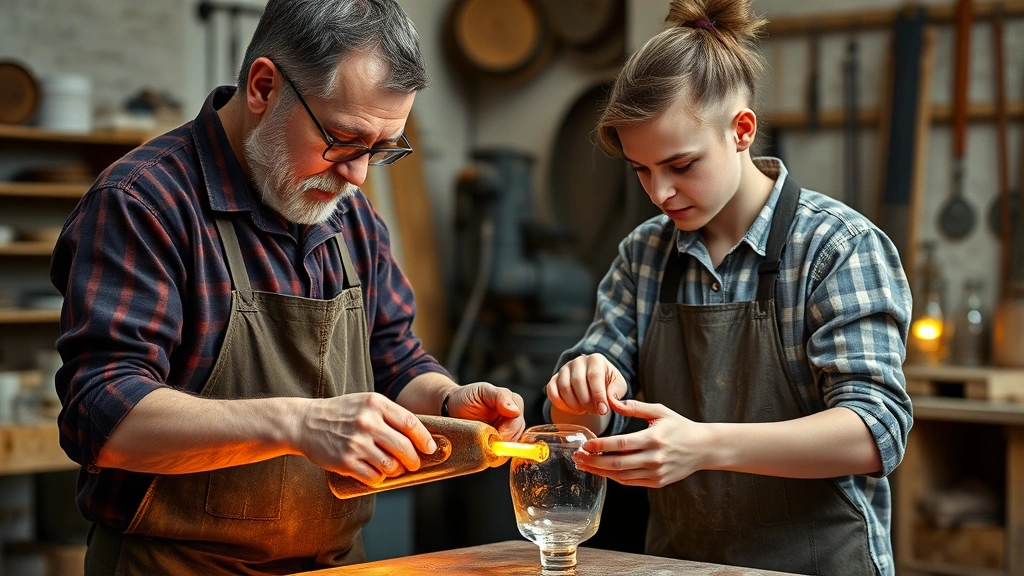
The success of Blenko Glass Company fundamentally depends on its ability to attract, train, and retain skilled artisans capable of executing complex glassmaking techniques with consistent excellence. The company operates comprehensive apprenticeship and training programs that develop the next generation of master craftspeople. These programs combine hands-on instruction with theoretical knowledge, ensuring that apprentices understand not only how to perform specific techniques but why those techniques produce superior results.
Working at Blenko represents a significant career opportunity for individuals passionate about craftsmanship and artistic expression. The company offers competitive compensation, benefits, and advancement opportunities for employees who demonstrate commitment to excellence. Many Blenko artisans have spent decades with the company, developing specialized expertise that makes them invaluable contributors to the organization’s success. This long-term employee retention creates organizational stability and enables knowledge transfer across generations of craftspeople.
Blenko’s approach to workforce development reflects understanding that structured development and mentorship frameworks are essential for cultivating exceptional talent. Senior craftspeople mentor junior artisans, sharing techniques, problem-solving approaches, and artistic perspectives developed through years of experience. This apprenticeship model, while time-intensive, ensures that Blenko’s glassmaking traditions remain vibrant and continuously evolving.
Challenges in Modern Manufacturing
Despite its remarkable success, Blenko Glass Company faces significant challenges in contemporary manufacturing environments. Automation and mass production techniques have become increasingly sophisticated, allowing competitors to produce glass products at costs far below Blenko’s handcrafted prices. Customers seeking cost-effective solutions often turn to industrial manufacturers, even when acknowledging the superior quality of handcrafted alternatives.
Labor availability and workforce development represent ongoing challenges. As traditional manufacturing employment has declined in America, fewer individuals pursue careers in glass manufacturing and related crafts. Attracting young people to apprenticeship programs requires demonstrating that craft-based careers offer meaningful work, financial security, and artistic fulfillment. Blenko has invested significantly in marketing its artisan careers and educational programs to address this challenge.
Energy costs constitute another substantial operational challenge. Glass manufacturing is energy-intensive, and fluctuating utility costs directly impact production expenses and profitability. Blenko continues to invest in energy-efficient technologies and sustainable practices that reduce operational costs while minimizing environmental impact. These investments require significant capital but prove essential for long-term competitiveness.
Market dynamics have shifted as consumer preferences have evolved. While demand for high-quality architectural glass remains strong, particularly in premium market segments, competition from international manufacturers has intensified. Blenko has responded by emphasizing its heritage, American manufacturing credentials, and artistic excellence—factors that resonate with environmentally conscious and design-aware consumers willing to pay premium prices for authentic, responsibly-produced goods.
FAQ
What makes Blenko Glass Company unique compared to other glass manufacturers?
Blenko Glass Company distinguishes itself through its unwavering commitment to handcrafted production using traditional techniques combined with innovative design. Every piece is created by skilled artisans rather than machines, resulting in products with distinctive character and superior quality. The company’s century-plus heritage and family ownership contribute to its unique market position.
Where is Blenko Glass Company located and when was it founded?
Blenko Glass Company was founded in 1893 by William Blenko and is located in Milton, West Virginia. The company has maintained operations in West Virginia throughout its history, making it an important part of the region’s industrial heritage and economy.
What types of products does Blenko Glass Company produce?
Blenko produces a diverse range of glass products including architectural glass (windows, doors, panels), decorative art glass, tableware, lighting fixtures, and custom sculptural installations. The company serves residential, commercial, and institutional markets with both standard and custom-designed products.
How long does it take to become a skilled artisan at Blenko Glass Company?
Becoming a master glassmaker at Blenko typically requires several years of intensive training and hands-on experience. The company operates comprehensive apprenticeship programs that combine formal instruction with mentorship from experienced craftspeople, gradually building the skills and artistic sensibility necessary for independent work.
Does Blenko Glass Company offer tours or educational programs?
Yes, Blenko Glass Company welcomes visitors and offers factory tours that provide insight into the glassmaking process. The company also operates educational programs and workshops for individuals interested in learning glassmaking techniques or appreciating the artistry involved in handcrafted glass production.
How does Blenko Glass Company maintain quality standards in handcrafted production?
Quality control at Blenko occurs throughout the production process, with master craftspeople inspecting pieces for structural integrity, color accuracy, and aesthetic appeal. Pieces failing to meet standards are either re-worked or recycled. This commitment to quality, though expensive, remains central to the company’s brand identity and market positioning.