Ghost Logo Design for Tech Companies: Expert Insights & Strategic Implications
The ghost logo has emerged as a distinctive visual identity choice for technology companies, representing innovation, transparency, and forward-thinking brand values. Unlike traditional corporate logos, ghost imagery conveys ethereal qualities—intangibility, speed, and invisible infrastructure—that resonate powerfully with software, cloud computing, and emerging tech sectors. This design approach has captured the imagination of startups and established tech firms alike, creating a memorable visual language that sets them apart in crowded digital marketplaces.
Understanding the strategic implications of ghost logo design requires examining both aesthetic principles and business psychology. A well-executed ghost logo communicates sophistication while maintaining approachability, a critical balance for technology companies seeking to build trust with diverse audiences. The minimalist nature of ghost imagery aligns with contemporary design trends, yet its conceptual depth provides layers of meaning that support brand storytelling and market positioning. This comprehensive guide explores expert perspectives on ghost logo design, implementation strategies, and the business considerations that drive these creative decisions.
Why Tech Companies Choose Ghost Logo Designs
Ghost logos represent a paradigm shift in how technology companies communicate their brand identity. The choice to adopt ghost imagery reflects deeper strategic considerations about market positioning, audience perception, and competitive differentiation. Technology companies operate in highly dynamic environments where brand perception directly impacts customer acquisition, investor confidence, and talent recruitment. A ghost logo signals several powerful messages simultaneously: innovation without pretension, accessibility masked by sophistication, and the invisible yet essential nature of technological infrastructure.
The psychological appeal of ghost logos lies in their ability to convey intangibility—a core characteristic of digital products and services. Unlike physical products that occupy tangible space, software solutions, cloud platforms, and digital services require visual representations that communicate their invisible nature. Ghost imagery accomplishes this through visual metaphor, creating an immediate cognitive connection between the logo and the product category. This alignment between visual identity and product essence strengthens brand recall and reinforces market positioning.
When developing your business plan for a tech startup, logo selection represents a critical branding decision that influences all downstream marketing efforts. A ghost logo communicates that your company understands contemporary design sensibilities and possesses the creative sophistication to stand apart from traditional corporate aesthetics. This perception advantage proves particularly valuable during early growth phases when establishing market credibility remains paramount.
Market research from Forbes indicates that companies with distinctive, memorable logos experience significantly higher brand recognition rates compared to generic alternatives. Ghost logos achieve distinctiveness through simplicity combined with conceptual depth—they’re easy to remember yet rich with meaning, creating optimal conditions for brand loyalty development.
Design Principles for Effective Ghost Logos
Creating an effective ghost logo requires balancing minimalist aesthetics with sufficient visual distinctiveness to ensure brand recognition. Expert designers emphasize several core principles that separate successful ghost logos from forgettable attempts. First, the ghost form must be immediately recognizable while maintaining clean lines and appropriate negative space. Overcomplicating ghost imagery defeats the purpose—the most effective ghost logos achieve recognition within milliseconds of viewing.
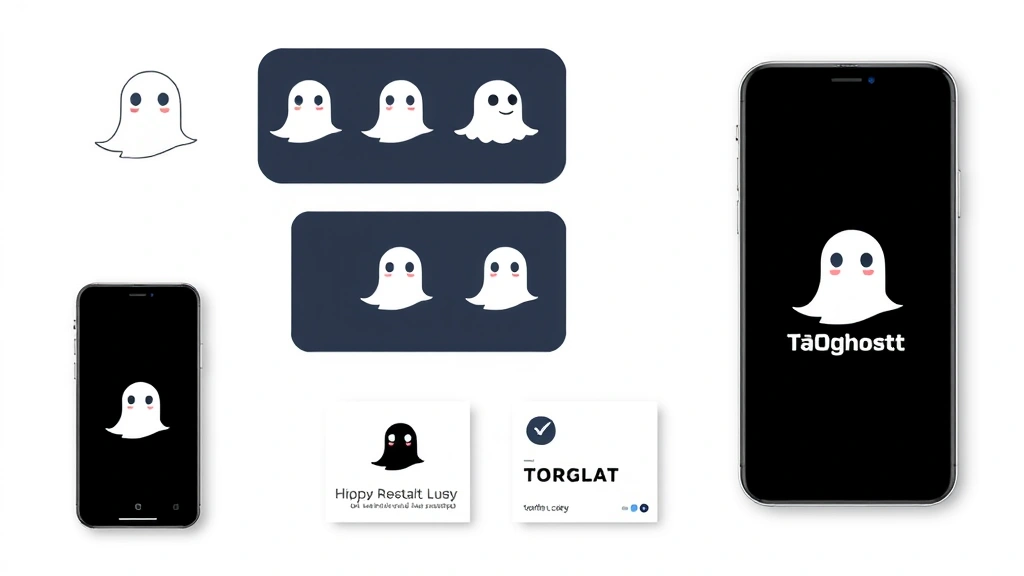
Scalability represents a critical technical consideration that many designers overlook. A ghost logo must maintain visual integrity across multiple applications: small favicon sizes, large billboard formats, social media profiles, and merchandise. The geometric simplicity of ghost forms lends itself naturally to scalable design, but thoughtful execution remains essential. Each element should serve a purpose; unnecessary details create legibility problems at smaller scales.
Color strategy significantly influences ghost logo perception. While many ghost logos employ monochromatic palettes—white ghosts on dark backgrounds or vice versa—innovative companies experiment with unexpected color combinations that surprise audiences while maintaining visual sophistication. Harvard Business Review research on brand perception demonstrates that distinctive color choices increase brand recall by up to 80% compared to conventional options. However, color selection must align with overall brand personality and target audience expectations.
Typography integration matters more than many designers realize. If your ghost logo incorporates text elements, the typography must complement rather than compete with the ghost imagery. Careful kerning, appropriate font weights, and thoughtful spacing between logo mark and text create cohesive visual identities that communicate professionalism and intentionality. The ghost mark should remain the dominant visual element, with supporting typography playing a secondary but essential role.
Contrast and visibility principles ensure your ghost logo performs effectively across diverse backgrounds. A pure white ghost on light backgrounds becomes invisible, while insufficient contrast with dark backgrounds impairs legibility. Sophisticated ghost logos incorporate subtle internal details or employ strategic outline techniques that maintain visibility regardless of application context. This technical sophistication separates professional logo designs from amateur efforts.
Symbolism and Brand Psychology Behind Ghost Imagery
Ghost symbolism carries rich psychological associations that tech companies leverage to communicate specific brand attributes. Ghosts traditionally represent transcendence, the immaterial, and presence without physical form—metaphors perfectly aligned with digital technology. When audiences encounter a ghost logo, their subconscious immediately processes associations with innovation, invisibility, speed, and ethereal qualities. This psychological priming influences subsequent brand interactions and shapes customer perception trajectories.
The concept of “presence without form” resonates deeply with cloud computing companies, software platforms, and digital service providers. Your customers interact with your products continuously, yet they never physically touch them. Ghost logos acknowledge this paradox through visual representation, creating intellectual alignment between brand identity and customer experience. This coherence strengthens brand authenticity and customer trust over time.
Beyond technological associations, ghost imagery carries cultural significance that varies across demographics and geographic markets. In Western contexts, ghosts often symbolize playfulness, mystery, and friendly innovation—qualities that appeal to younger demographics and creative professionals. Understanding these nuances becomes crucial when developing digital marketing strategies that resonate with target audiences. Cultural sensitivity in logo symbolism prevents unintended negative associations that could damage brand reputation.
The ephemeral nature of ghosts also communicates transience and transformation—powerful messages in rapidly evolving technology sectors. Companies that adopt ghost logos signal to stakeholders that they embrace change, adapt quickly to market conditions, and remain committed to continuous innovation. This perception advantage proves particularly valuable when recruiting top talent and attracting forward-thinking investors.
Implementation Across Digital and Physical Touchpoints
Successfully implementing a ghost logo requires strategic planning across diverse brand touchpoints. Digital implementation presents unique opportunities and challenges—ghost logos must function effectively on websites, mobile applications, social media platforms, and email communications. Each context demands specific considerations regarding size, color treatment, and surrounding space allocation. A ghost logo that works beautifully in your website header may require modification for Twitter profile pictures or mobile app icons.
When implementing ghost logos across business partnership and collaboration materials, consistency becomes paramount. Partners and stakeholders should encounter identical brand treatment across all communications, reinforcing brand recognition and professional credibility. This consistency requirement extends to vendor materials, presentation templates, and collaborative documentation where your brand identity appears.
Physical touchpoint implementation—business cards, packaging, merchandise, and office environments—requires careful consideration of printing limitations and material interactions. Ghost logos with subtle internal details may become illegible when printed on certain materials or reduced to small sizes. Working with experienced production partners ensures your ghost logo maintains visual integrity across all physical applications, from premium embossed business cards to large-format outdoor signage.
Animation and motion design present exciting opportunities for ghost logo implementation in digital contexts. Subtle animations—a gentle floating effect, slight transparency variations, or minimalist movement—can enhance engagement on video platforms and interactive websites. However, animation should serve purposeful functions rather than distract from core messaging. The most effective animated ghost logos remain recognizable even when paused at random moments.
Case Studies of Successful Ghost Logo Brands
Examining successful ghost logo implementations reveals patterns that distinguish effective brand identities from forgettable attempts. Leading technology companies have leveraged ghost imagery to create distinctive market positions and memorable brand experiences. Snapchat’s ghost logo represents perhaps the most recognizable ghost brand identity globally—the friendly, minimalist ghost conveys playfulness while maintaining sophisticated visual simplicity. This design choice perfectly aligned with the platform’s positioning as a youthful, innovative social communication tool.
The Snapchat case demonstrates critical lessons about ghost logo success. First, the ghost form must align authentically with brand personality and core product functionality. Snapchat’s emphasis on temporary, disappearing content created perfect thematic alignment with ghost imagery—messages vanish like ghosts, creating intuitive conceptual coherence. Second, distinctive execution within the ghost category matters enormously; countless companies have attempted ghost logos, yet Snapchat’s version achieved cultural dominance through superior design execution and strategic brand building.
Beyond social media, enterprise software companies have adopted ghost logos to communicate sophisticated, invisible infrastructure that powers complex operations. These implementations often employ more minimalist approaches than consumer-facing brands, reflecting professional aesthetics and serious business applications. The versatility of ghost imagery allows effective implementation across wildly different market segments and industry verticals.
Successful ghost logo brands typically invest heavily in comprehensive brand identity systems that extend far beyond logo design. This includes thoughtful color palettes, typography selections, imagery guidelines, and brand voice definitions that work synergistically with ghost logo imagery. When these elements align cohesively, they create powerful brand experiences that resonate with customers and stakeholders across all touchpoints.
Common Mistakes and Design Pitfalls to Avoid
Many companies pursuing ghost logo designs encounter preventable mistakes that undermine brand effectiveness and create implementation challenges. Overcomplication represents perhaps the most common error—designers add unnecessary details, gradient effects, or stylistic flourishes that compromise the ghost form’s clarity and scalability. The most effective ghost logos achieve recognition through geometric simplicity rather than ornamental complexity. Remember that your logo must function effectively at thumbnail sizes, favicon dimensions, and social media profile pictures; excessive detail becomes invisible at these scales.
Insufficient contrast between ghost form and background creates visibility problems that damage brand perception and accessibility. Logos that disappear against certain background colors frustrate users and undermine brand recognition. Professional ghost logo designs include multiple color variations—reverse versions for different backgrounds, monochromatic options for reproduction constraints, and sufficient contrast ratios that meet accessibility standards. Testing your ghost logo across diverse backgrounds and applications prevents visibility disasters before they impact brand perception.
Generic ghost imagery that fails to differentiate your brand from competitors represents another critical mistake. If your ghost logo could plausibly belong to five different companies, it hasn’t accomplished the primary function of visual identity—distinctive brand recognition. Successful ghost logos incorporate subtle distinctive elements—unique proportions, unexpected angles, or refined details—that create brand-specific recognition while maintaining the ghost category’s visual language.
Misalignment between ghost logo imagery and actual brand personality proves particularly damaging. If your ghost logo communicates playfulness and youthfulness while your company operates in serious enterprise software, the resulting cognitive dissonance damages credibility and confuses target audiences. Before committing to ghost logo design, ensure the symbolism aligns authentically with your business strategy, company culture, and target market expectations.
Technical implementation errors—improper file formats, missing color space information, or inadequate resolution—create problems that extend far beyond the logo itself. These errors compound across all brand touchpoints, resulting in inconsistent visual presentation that undermines professional credibility. Working with experienced brand strategists and designers prevents these technical oversights from damaging your brand identity infrastructure.
Creating Your Ghost Logo: A Strategic Roadmap
Developing an effective ghost logo requires systematic strategic planning that extends beyond aesthetic considerations. Begin by clarifying your brand positioning, target audience expectations, and competitive landscape analysis. Understanding how existing ghost logos function in your market segment informs your design direction and helps identify differentiation opportunities. This research phase might reveal that ghost logos dominate your industry category, suggesting that alternative approaches could provide competitive advantages.
When creating a business case for ghost logo design investment, quantify the strategic benefits and implementation costs comprehensively. Logo design represents a significant investment with long-term implications for brand perception and market positioning. Stakeholders deserve clear documentation of expected returns, competitive advantages, and implementation timelines. This business case becomes particularly important when securing board approval or investor support for rebranding initiatives.
Collaborating with experienced brand designers who understand technology industry dynamics ensures your ghost logo achieves professional execution and strategic alignment. Portfolio review reveals designers’ capabilities with minimalist design, geometric form development, and technical implementation. Request case studies demonstrating designers’ experience with logo scalability, color variation development, and comprehensive brand identity systems—not just logo creation alone.
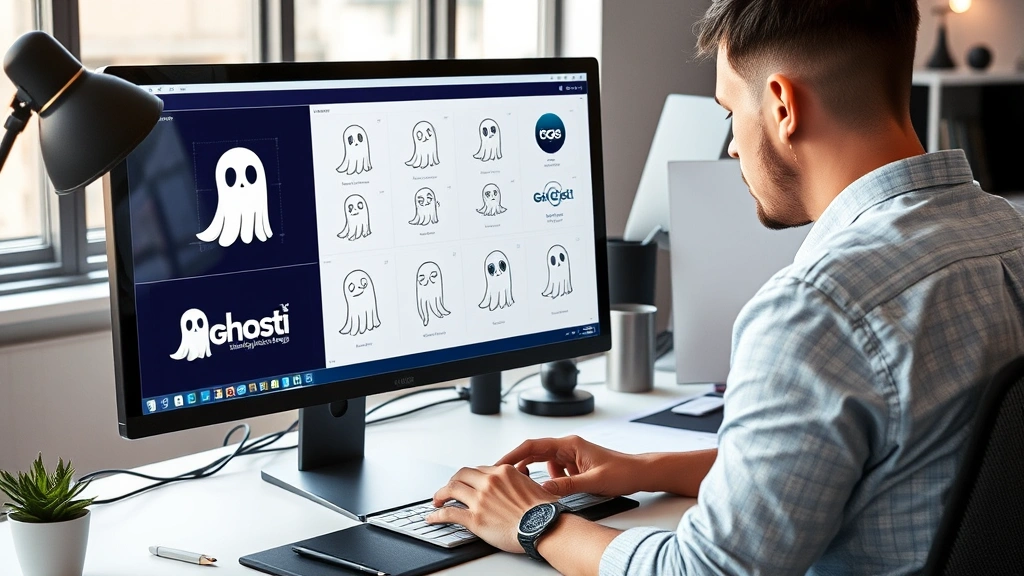
The design development process should include multiple exploration phases where designers present diverse ghost logo interpretations. This variety helps stakeholders understand design possibilities and refine preferences before committing to final execution. Constructive feedback focused on strategic alignment and brand fit—rather than personal aesthetic preferences—produces superior outcomes. Once you’ve selected a direction, the designer should develop comprehensive brand guidelines documenting logo usage rules, color specifications, clear space requirements, and acceptable modifications.
Testing your ghost logo with target audiences before full implementation prevents costly mistakes and ensures market relevance. Focus groups, user testing sessions, and stakeholder feedback reveal how audiences perceive your logo and whether it communicates intended brand attributes. This validation step proves particularly valuable for companies operating in competitive markets where brand perception directly impacts customer acquisition and market share growth.
Consider pricing strategy implications when implementing your new ghost logo. Premium pricing strategies benefit from sophisticated, distinctive brand identities that justify higher price points through perceived quality and innovation. Your ghost logo should support your overall business positioning and pricing architecture, reinforcing value propositions and target market expectations.
Post-launch, monitor how your ghost logo performs across diverse contexts and gather ongoing feedback from customers, partners, and internal stakeholders. Brand identity isn’t static—market conditions, audience preferences, and technological capabilities evolve continuously. Maintaining awareness of how your ghost logo resonates with stakeholders enables proactive refinements that keep your brand identity fresh and relevant without requiring complete rebranding.
Finally, ensure your ghost logo implementation supports broader sustainability practices and corporate responsibility objectives. This might include sustainable printing options for physical brand materials, digital-first approaches that minimize environmental impact, or inclusive design practices that ensure accessibility across diverse audiences. Modern consumers increasingly expect brands to align their identity systems with authentic corporate values.
FAQ
What industries benefit most from ghost logo designs?
Technology companies including software platforms, cloud computing providers, digital services, and innovative startups benefit most from ghost logos. However, creative agencies, entertainment companies, and forward-thinking organizations across diverse sectors have successfully implemented ghost imagery. The key is authentic alignment between ghost symbolism and actual brand personality.
How much should I budget for professional ghost logo design?
Professional logo design typically ranges from $500 to $5,000+ depending on designer experience, project complexity, and deliverable scope. Ghost logo design requires expertise in minimalist design principles, geometric form development, and technical implementation. Investing in experienced designers produces superior outcomes that support long-term brand success and market competitiveness.
Can I use ghost logo designs in regulated industries?
Yes, ghost logos can function effectively in regulated industries including financial services, healthcare, and enterprise software. However, regulatory requirements may mandate specific elements—security indicators, certification marks, or compliance language—that must integrate with ghost logo designs. Consult industry regulations and compliance experts during design development.
How do ghost logos perform on mobile devices and small screens?
Well-designed ghost logos maintain recognition at small scales including mobile app icons, favicons, and social media profile pictures. The geometric simplicity of effective ghost imagery supports scalability across diverse device sizes. However, this requires intentional design decisions and rigorous testing across actual mobile platforms and screen sizes.
Should my ghost logo incorporate text or remain mark-only?
Both approaches work effectively depending on your brand architecture and usage contexts. Mark-only ghost logos offer maximum flexibility and scalability, functioning across diverse applications without text integration challenges. Text-integrated logos work well for primary brand applications but require separate mark-only versions for restricted-space contexts like social media icons. Many successful brands maintain both versions.
How often should I update my ghost logo design?
Successful logo designs remain relevant for 10-20+ years when executed strategically and aligned with authentic brand values. Rather than complete redesigns, consider thoughtful refinements that maintain core recognition while updating visual treatment. Snapchat’s ghost logo has remained essentially consistent for over a decade, proving that well-executed designs transcend trend cycles.
What’s the relationship between ghost logo design and overall brand strategy?
Your ghost logo represents one critical element within comprehensive brand strategy encompassing positioning, messaging, visual identity, customer experience, and market differentiation. Logo design should follow rather than drive overall brand strategy. Effective logos support and reinforce strategic positioning rather than determining it independently.


