
Kenya Pipeline’s Role in Oil Distribution: Expert View
Kenya’s energy infrastructure has undergone significant transformation over the past decade, with the Kenya Pipeline Company (KPC) emerging as a critical player in the nation’s oil distribution network. As East Africa’s largest oil pipeline operator, KPC manages over 1,000 kilometers of pipeline infrastructure that connects refineries to distribution terminals across the country. This strategic positioning has made the company essential to Kenya’s economic stability and energy security, particularly as the nation grapples with increasing energy demands and the complexities of regional oil markets.
The Kenya Pipeline Company operates at the intersection of logistics, energy management, and national infrastructure development. With crude oil from regional sources flowing through its network, KPC serves as the backbone of Kenya’s downstream petroleum sector. Understanding the company’s operational framework, strategic challenges, and future prospects provides valuable insights into how African nations manage critical energy infrastructure in an increasingly competitive global market.

KPC’s Strategic Position in East Africa’s Energy Landscape
The Kenya Pipeline Company holds a monopolistic position in Kenya’s oil transportation sector, a distinction that carries both significant responsibility and considerable strategic leverage. Operating under regulatory oversight from the Energy and Petroleum Regulatory Authority (EPRA), KPC manages the critical interface between crude oil importation and domestic distribution. This positioning makes KPC essential to maintaining business continuity across Kenya’s energy sector.
As the sole operator of Kenya’s national pipeline network, KPC transports crude oil and petroleum products from the port of Mombasa inland to distribution terminals in Nairobi, Kisumu, and other strategic locations. The company’s infrastructure serves multiple stakeholders including international oil traders, local refineries, and downstream distributors. This multi-stakeholder environment requires sophisticated coordination and operational excellence to ensure consistent service delivery.
Regional dynamics further complicate KPC’s strategic position. The company operates within the broader East African context, where neighboring countries like Uganda and South Sudan represent both competitive threats and potential partnership opportunities. Uganda’s development of its own crude oil resources has created new dynamics in regional energy markets, while South Sudan’s oil-dependent economy creates demand for reliable pipeline infrastructure across borders.
Operational Infrastructure and Network Management
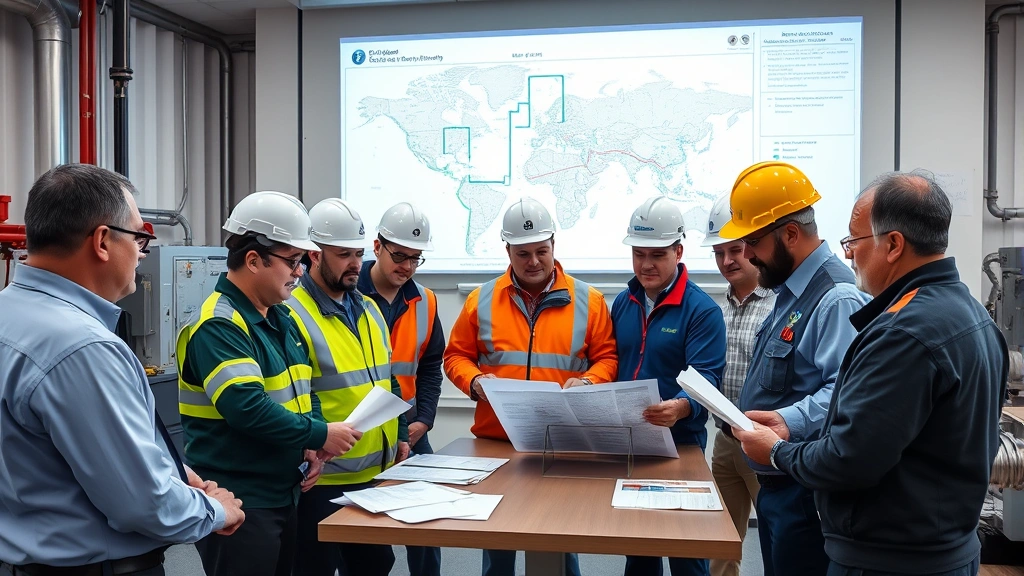
Kenya Pipeline Company operates an extensive network of pipelines spanning over 1,000 kilometers across the country. This infrastructure comprises several critical segments: the Mombasa-Nairobi trunk line, the Nairobi-Kisumu section, and various distribution branches serving regional terminals. The system utilizes both single-phase and multi-phase pipeline technology, enabling the transportation of different petroleum products simultaneously through dedicated sections.
The operational complexity of managing this network requires sophisticated monitoring systems, skilled personnel, and rigorous risk management protocols. KPC employs advanced SCADA (Supervisory Control and Data Acquisition) systems to monitor pipeline integrity, pressure levels, and flow rates in real-time. These technological investments represent significant capital expenditures but prove essential for preventing costly operational disruptions and safety incidents.
Maintenance operations constitute a major operational responsibility. The company must conduct regular inspections, cleaning operations, and maintenance procedures to preserve pipeline integrity. Aging infrastructure in certain sections requires periodic rehabilitation and replacement, activities that demand careful planning to minimize service disruptions while maintaining reliability for downstream stakeholders.
The network’s capacity utilization varies seasonally and cyclically based on crude oil import volumes, refinery throughput, and downstream demand patterns. During peak periods, the pipeline system operates near maximum capacity, while seasonal fluctuations create periods of underutilization. This variable demand pattern presents challenges for revenue forecasting and operational planning.
Challenges Facing Kenya Pipeline Company
KPC operates within a challenging environment characterized by multiple structural and operational obstacles. Security concerns represent perhaps the most significant threat to operations. Pipeline sabotage, theft of petroleum products, and illegal tapping operations cost the company millions annually while creating safety hazards and environmental risks. Communities along pipeline routes sometimes engage in illegal product extraction, driven by economic desperation and perceived inequitable benefit-sharing arrangements.
Infrastructure aging presents another critical challenge. Portions of KPC’s pipeline network date back several decades, requiring increasingly expensive maintenance and rehabilitation. Corrosion, material fatigue, and changing environmental conditions create safety risks and operational inefficiencies. The capital requirements for systematic infrastructure renewal compete with other investment priorities within the company’s budget constraints.
Market volatility in crude oil pricing and import volumes creates revenue unpredictability. When global oil prices decline, import volumes often decrease, reducing pipeline throughput and tariff revenues. This cyclicality makes financial planning challenging and complicates workforce management decisions. The company must maintain operational capacity sufficient for peak demand periods while managing costs during downturns.
Competition from alternative logistics solutions presents emerging challenges. Improved road transportation infrastructure and the development of petroleum product distribution networks via road tankers provide alternative supply routes that bypass the pipeline system. While pipelines remain more cost-effective for bulk transportation, competitive pressures limit KPC’s pricing flexibility.
Environmental and social responsibility concerns increasingly impact operations. Community relations issues, environmental protection requirements, and pressure to demonstrate benefits to local populations require sustained investment and management attention. The company must balance operational efficiency with legitimate community development expectations and environmental protection standards.
Revenue Models and Financial Performance
KPC generates revenue primarily through pipeline tariff charges assessed on petroleum products transported through its network. These tariffs are calculated based on volume transported and distance covered, with regulatory oversight ensuring rates remain reasonable while enabling cost recovery and reasonable returns on investment. The tariff structure reflects the company’s cost structure, including operational expenses, maintenance requirements, capital depreciation, and debt servicing obligations.
The company’s financial performance demonstrates the challenges of monopoly utility operation in a developing market context. While the guaranteed market for pipeline services provides revenue stability compared to competitive industries, regulatory constraints on tariff increases limit revenue growth. This tension between cost pressures and tariff constraints creates ongoing financial management challenges.
Capacity utilization directly impacts financial performance. Higher throughput volumes spread fixed operational costs across greater volumes, improving unit economics. Conversely, reduced import volumes during market downturns create significant financial pressure. The company’s ability to implement SWOT analysis frameworks helps identify strategic responses to these financial pressures.
Debt management constitutes a major financial consideration. KPC has financed infrastructure investments through both equity contributions and debt financing. Managing debt obligations while maintaining operational capacity requires careful financial planning. Interest rate fluctuations and foreign exchange exposure (given dollar-denominated debt obligations) create additional financial management complexities.
Dividend policy reflects the company’s positioning as a strategic national asset. Government ownership stakes influence dividend distribution decisions, with considerations extending beyond pure profit maximization to include strategic national energy objectives. This public interest dimension distinguishes KPC from purely commercial enterprises.
Future Growth Opportunities and Expansion Plans
Kenya’s energy sector faces mounting pressures from growing demand and the need for energy diversification. KPC stands positioned to benefit from several emerging opportunities. Planned expansion of petroleum product distribution networks into previously underserved regions could extend pipeline infrastructure and capture new market segments. Regional integration initiatives, including potential cross-border pipeline connections with Uganda and Ethiopia, present significant growth opportunities.
The company’s strategic importance to national energy security has prompted government consideration of infrastructure investment programs. Rehabilitation of aging infrastructure, expansion into new markets, and technological modernization represent priority areas. These investments could enhance operational efficiency, improve service reliability, and position KPC for sustainable long-term growth.
Diversification into related services presents another opportunity dimension. KPC could potentially expand into petroleum product storage operations, offering integrated logistics solutions to customers. Enhanced service offerings could generate additional revenue streams while deepening customer relationships and competitive moats.
Regional crude oil discoveries, particularly in Uganda and Kenya’s own offshore resources, could significantly increase pipeline throughput demand. As these resources move toward commercial production, KPC’s infrastructure becomes increasingly valuable. The company’s ability to position itself as the preferred transportation solution for regional crude oil development could drive substantial growth.
Technology modernization offers efficiency and revenue opportunities. Investment in pipeline integrity monitoring, leak detection systems, and automated operational controls could reduce losses, improve safety, and enhance customer service. These technological improvements would support employee productivity improvements and operational cost reductions.
Technology Integration and Digital Transformation
Modern pipeline operations increasingly depend on sophisticated technological systems. KPC’s investment in SCADA systems, GIS mapping technologies, and real-time monitoring capabilities represents essential infrastructure modernization. These systems enable predictive maintenance, rapid incident response, and optimization of operational parameters.
Digital transformation extends beyond operational systems to encompass customer interface modernization. Electronic billing systems, online customer portals, and automated compliance reporting enhance service quality and operational efficiency. These capabilities improve customer satisfaction metrics while reducing administrative costs.
Cybersecurity considerations gain prominence as operational systems become increasingly digitized. Protecting critical pipeline infrastructure from cyber threats requires substantial investment in security systems, personnel training, and incident response capabilities. The potential consequences of cyber attacks on petroleum infrastructure justify significant security expenditures.
Data analytics capabilities enable enhanced decision-making across operations. Analysis of historical flow patterns, maintenance data, and market trends supports optimization of operational parameters and strategic planning. Investment in data science capabilities positions KPC to leverage increasingly sophisticated analytical approaches.
Blockchain and distributed ledger technologies present potential applications in transparent transaction recording and supply chain verification. While still emerging in petroleum logistics, these technologies could eventually enhance transparency and efficiency in KPC’s customer interactions and regulatory reporting.
Regulatory Framework and Compliance
KPC operates within a regulatory framework established by the Energy and Petroleum Regulatory Authority, which oversees tariff setting, service standards, and operational compliance. This regulatory environment reflects Kenya’s commitment to ensuring reliable energy infrastructure while protecting consumer interests. Partnership agreements with government entities often incorporate regulatory compliance obligations.
Environmental regulations impose significant compliance requirements on pipeline operations. KPC must maintain environmental management systems, conduct environmental impact assessments for infrastructure projects, and implement pollution prevention measures. Non-compliance risks include regulatory sanctions and operational shutdowns.
Safety regulations govern pipeline design, operation, and maintenance. International standards, including API (American Petroleum Institute) specifications, establish baseline requirements. KPC’s safety management systems must demonstrate compliance with these standards while maintaining records documenting operational safety performance.
Security regulations address pipeline protection against sabotage and theft. KPC collaborates with government security agencies to maintain adequate protection of critical infrastructure. Security expenses represent substantial operational costs but prove essential for protecting national energy security.
Financial reporting and transparency requirements mandate regular disclosure of operational and financial performance metrics. These requirements support regulatory oversight while providing market participants with information necessary for informed decision-making.
FAQ
What is the Kenya Pipeline Company’s primary function?
KPC operates Kenya’s national crude oil and petroleum product pipeline network, transporting petroleum from the port of Mombasa to distribution terminals nationwide. The company serves as the critical infrastructure backbone connecting crude oil imports with domestic refineries and distribution networks, making it essential to Kenya’s energy security.
How does KPC generate revenue?
The company generates revenue through pipeline tariffs charged on petroleum products transported through its network. These tariffs, regulated by EPRA, are calculated based on volume and distance transported. Tariff revenues must cover operational expenses, maintenance costs, capital depreciation, and debt servicing while providing reasonable returns on invested capital.
What challenges does KPC face in its operations?
Major challenges include pipeline security threats (sabotage and product theft), aging infrastructure requiring expensive rehabilitation, market volatility affecting import volumes and revenue, competition from alternative transportation modes, and community relations issues. Environmental and safety compliance also demands substantial resources and attention.
What growth opportunities exist for KPC?
Opportunities include regional pipeline expansion connecting neighboring countries, infrastructure modernization improving efficiency, diversification into storage and integrated logistics services, and increased throughput from new crude oil discoveries in the region. Technology investments in monitoring and automation systems also present efficiency and revenue opportunities.
How does regulation affect KPC’s operations?
EPRA regulatory oversight governs tariff setting, service standards, and operational compliance. Environmental, safety, and security regulations impose substantial requirements on infrastructure design, operation, and maintenance. This regulatory framework ensures reliable service delivery while limiting KPC’s pricing flexibility and imposing compliance costs.
What role does technology play in KPC’s future?
Technology modernization supports operational efficiency through SCADA systems, real-time monitoring, and predictive maintenance. Digital transformation enhances customer interfaces and administrative efficiency. Cybersecurity investments protect critical infrastructure, while data analytics enable optimized operational decision-making and strategic planning for future growth initiatives.


