Top Land Clearing Companies: Expert Recommendations for Your Project
Selecting the right land clearing company is one of the most critical decisions you’ll make when preparing property for development, construction, or agricultural use. The land clearing industry encompasses a wide range of specialized services, from debris removal and vegetation management to site preparation and environmental compliance. With hundreds of companies operating across different regions, each with varying expertise and service levels, finding a trusted partner requires careful evaluation of credentials, experience, and project compatibility.
Land clearing represents a significant investment in your property’s future potential. Whether you’re a real estate developer, construction manager, or property owner, the quality of land clearing work directly impacts your project timeline, budget, and environmental compliance. This comprehensive guide examines the top-performing land clearing companies, evaluates selection criteria, and provides strategic recommendations to help you make an informed decision that aligns with your specific project requirements and business objectives.
What to Look for in Land Clearing Companies
When evaluating land clearing companies, several fundamental criteria should guide your selection process. First and foremost, verify that the company maintains proper licensing, insurance, and bonding requirements specific to your state or region. Licensed contractors demonstrate commitment to industry standards and regulatory compliance, protecting you from liability issues and ensuring work meets local codes.
Experience in your specific project type matters considerably. A company excelling at residential lot clearing may lack expertise in large-scale commercial site preparation or environmentally sensitive wetland clearing. Request detailed case studies and references from similar projects completed within the past three years. Ask prospective contractors about their equipment fleet, crew training certifications, and safety record. Companies maintaining OSHA certification, environmental stewardship credentials, and equipment operators with specialized training demonstrate professional commitment.
Reputation assessment should extend beyond online reviews. Contact the Better Business Bureau, check for unresolved complaints, and verify licensing status through your state’s contractor licensing board. Request at least three references and actually contact them. Ask specific questions about timeline adherence, budget management, site cleanup standards, and how the company handled unexpected challenges or changes. Strong performers exhibit transparency about potential complications and provide detailed written estimates breaking down labor, equipment, and disposal costs.
Financial stability indicates whether a company will remain operational throughout your project. A company facing bankruptcy mid-project creates significant complications. Review their business history, ask about their bonding capacity, and verify they maintain adequate liability insurance. Request to see proof of workers’ compensation coverage and general liability insurance naming you as an additional insured party.
Top-Rated Land Clearing Companies by Region
National Leaders
Cutting Edge Land Clearing operates across 12 states with specialized expertise in large-scale commercial development and residential subdivisions. Their fleet includes over 200 pieces of equipment and they maintain ISO 9001 certification for quality management. The company emphasizes environmental stewardship, employing certified arborists for selective clearing projects and maintaining reclamation expertise for post-clearing site restoration.
Land Pro Services, headquartered in the Southeast, has completed over 5,000 projects ranging from small residential lots to 500+ acre commercial developments. Their integrated approach combines clearing, grading, and site preparation services, reducing project complexity and timeline. They maintain strong relationships with environmental consultants, facilitating seamless compliance with wetland regulations and endangered species protections.
Horizon Environmental Solutions provides comprehensive land management across the Midwest and Great Plains, specializing in agricultural land preparation, forestry management, and industrial site clearing. Their expertise in handling contaminated soils and hazardous material removal positions them well for brownfield redevelopment projects. They’ve partnered with McKinsey’s infrastructure consulting team on large-scale municipal projects.
Regional Specialists
Each region has established leaders with deep local knowledge. In Florida and the Southeast, companies navigating wetland regulations, hurricane-resistant site preparation, and year-round weather challenges dominate the market. Western companies often specialize in wildfire mitigation, steep terrain clearing, and water conservation considerations. Northern operators understand frost-related complications and seasonal work windows.
Selecting a regional specialist offers advantages including knowledge of local permitting processes, established relationships with environmental agencies, and understanding of regional soil conditions and vegetation types. However, national companies often provide more standardized processes and larger equipment fleets, potentially completing projects faster.
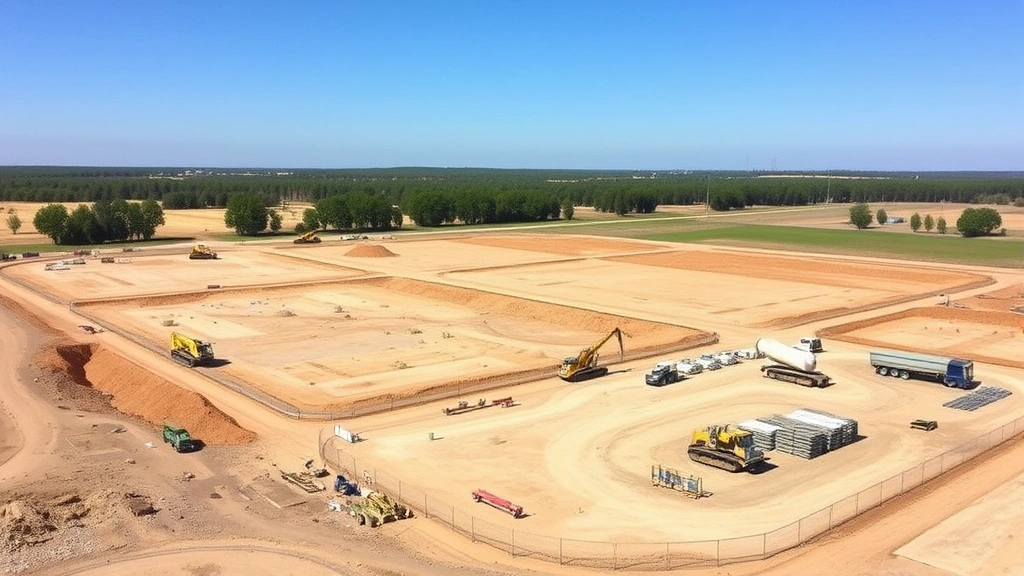
” alt=”Professional land clearing equipment including excavators and bulldozers operating on a large construction site with cleared terrain and debris piles”>
Specialized Services and Certifications
Modern land clearing extends far beyond simple tree removal and debris hauling. Leading companies offer integrated services addressing contemporary project demands. Environmental remediation services handle contaminated soils, petroleum product cleanup, and hazardous material removal, essential for industrial site redevelopment. Selective clearing preserves mature trees and native vegetation, increasingly important for residential developments emphasizing natural aesthetics and environmental responsibility.
Wetland mitigation services require specialized expertise and regulatory knowledge. Companies certified by the Environmental Protection Agency understand complex permitting requirements and restoration obligations. Erosion control and sediment management prevent environmental contamination during clearing operations, particularly important in areas near waterways or sensitive ecosystems.
Stump removal and grinding services deserve specific attention. Complete stump removal prevents future regrowth and allows full site utilization, while grinding creates mulch suitable for landscaping or erosion control. Some companies operate recycling facilities where cleared vegetation becomes mulch, compost, or biomass fuel, demonstrating commitment to sustainable practices aligned with Forbes’ sustainability initiatives.
Certifications indicating specialized competence include:
- ISA Certified Arborist credentials for companies handling selective tree removal and preservation
- Environmental consulting certifications for contamination assessment and remediation
- OSHA training certifications demonstrating safety commitment and crew competence
- Heavy equipment operator licenses verifying equipment handling expertise
- Erosion control specialist certifications ensuring proper sediment management
Ask prospective companies which certifications their key personnel maintain and request documentation. Certified professionals command higher wages but deliver superior results and reduced liability risk.
Cost Considerations and Budgeting
Land clearing costs vary dramatically based on property size, vegetation density, terrain difficulty, and regulatory requirements. Small residential lots might cost $1,500-$5,000, while large commercial projects frequently exceed $50,000. Accurate budgeting requires detailed site assessment before requesting formal estimates.
Professional land clearing companies provide written estimates itemizing specific costs: labor, equipment rental or operation, debris removal and disposal, site cleanup, and contingency allocations. Estimates lacking breakdown transparency should trigger caution. Request estimates from at least three qualified companies, but avoid selecting solely on lowest price. Significantly underpriced estimates often indicate inadequate insurance, inexperienced crews, or planned shortcuts compromising quality.
Disposal costs represent substantial budget components. Vegetation disposal options include chipping for mulch (lowest cost), hauling to landfills (moderate cost), or burning where legally permitted (variable cost). Hazardous material disposal costs multiply significantly. Requesting disposal cost transparency prevents post-project budget surprises.
Payment terms warrant negotiation. Reputable companies typically request deposits (25-50% of estimated cost) upon contract signing, with progress payments as work advances and final payment upon completion. Avoid companies demanding full payment upfront. Establishing effective business communication protocols for payment schedules and invoicing prevents misunderstandings.
Consider long-term value beyond initial clearing costs. Companies providing site preparation, grading, and restoration services reduce future contractor coordination. Integrated service providers often deliver better value despite higher initial quotes, as they eliminate contractor transition costs and maintain consistent quality standards throughout project phases.
Environmental Compliance and Sustainability
Regulatory compliance represents non-negotiable requirements for land clearing projects. Federal regulations protect wetlands, endangered species, and water quality. State regulations often exceed federal requirements. Local ordinances may restrict clearing seasons, require tree preservation plans, or mandate environmental assessments.
Leading land clearing companies employ environmental consultants ensuring regulatory compliance throughout projects. They understand Clean Water Act requirements for wetland protection, Endangered Species Act considerations, and state-specific environmental regulations. During initial project discussions, ask how the company approaches environmental compliance and whether they’ve encountered regulatory complications on similar projects.
Sustainable land clearing practices increasingly represent competitive differentiators. Companies recycling cleared vegetation, minimizing soil disturbance, and preserving wildlife habitat demonstrate environmental stewardship. These practices often align with client values and may satisfy sustainable development certifications like LEED or Living Building Challenge requirements.
Request environmental impact assessments before clearing begins. Professional assessments identify sensitive areas requiring special handling, estimate regulatory permit requirements, and quantify environmental costs. Companies resisting environmental assessment requests or dismissing environmental concerns signal inadequate expertise.
When evaluating company environmental responsibility, examine their approach to community engagement and stakeholder communication. Leading companies notify adjacent property owners about project timelines and potential disruptions, demonstrating respect for community relationships.
Project Management and Communication
Superior land clearing companies excel at project management and transparent communication. During initial consultations, evaluate their responsiveness, willingness to answer detailed questions, and ability to explain technical concepts clearly. Companies that rush through consultations or dismiss your questions often provide similarly inadequate project management.
Request detailed project timelines indicating work phases, expected completion dates, and contingency plans for weather delays or unforeseen complications. Written timelines create accountability and help you coordinate subsequent construction phases. Ask how the company manages timeline changes and communicates delays to clients.
Site supervision and quality assurance deserve emphasis. Who supervises daily operations? How frequently does management visit the site? How are quality standards maintained? Professional companies assign dedicated project managers overseeing work quality, equipment operation, and regulatory compliance. Regular site inspections catch problems early before they escalate into costly corrections.
Establish communication protocols before work begins. How will you receive project updates? Who contacts you regarding decisions or complications? What’s the response time for urgent questions? Clear communication frameworks prevent misunderstandings and maintain project momentum.
Request before-and-after documentation including site photographs, survey information, and final compliance certifications. Professional documentation provides valuable records for future property transactions, insurance claims, or regulatory audits. Companies maintaining detailed project documentation demonstrate commitment to professionalism and accountability.
Weather contingency planning separates experienced operators from inexperienced ones. Clearing operations pause during heavy rain in areas with erosion concerns. Winter weather complicates equipment operation. Ask how the company manages seasonal challenges and whether their timelines account for realistic weather delays. Companies guaranteeing unrealistic timelines regardless of weather conditions often sacrifice quality.
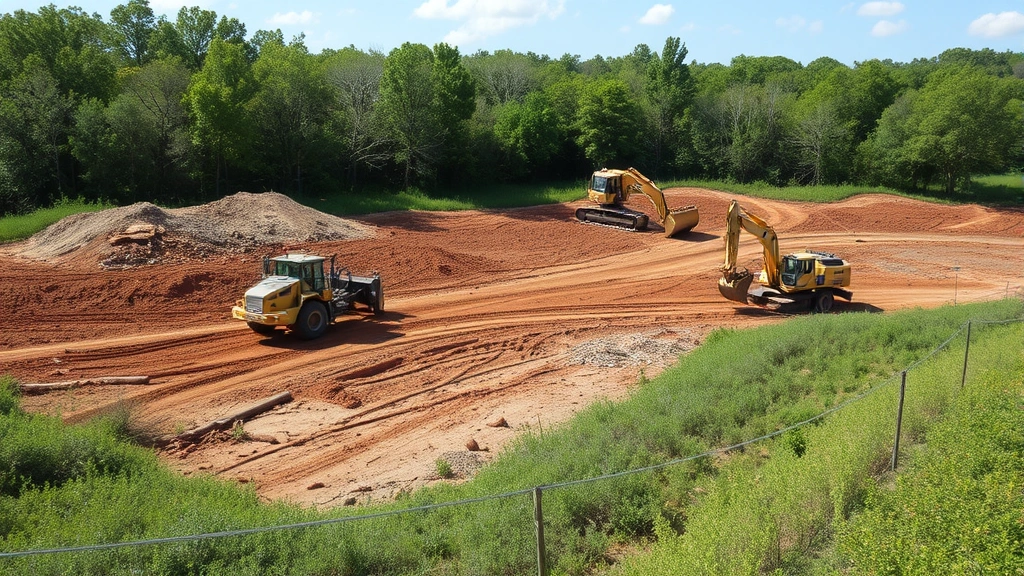
” alt=”Completed land clearing site showing cleared terrain ready for development with equipment staged nearby and organized debris staging areas”>
FAQ
How long does typical land clearing take?
Timeline depends on property size, vegetation density, and complexity. Small residential lots clear in 1-3 days. Larger commercial properties require weeks or months. Environmental assessments, permitting, and regulatory compliance can extend overall project duration significantly. Request realistic timelines from prospective contractors based on your specific property characteristics.
Do I need permits before clearing my land?
Permit requirements vary by location. Most jurisdictions require permits for tree removal, particularly for significant vegetation or protected species. Wetland areas almost always require federal permits. Contact your local planning department or hire environmental consultants to determine specific requirements. Reputable service providers with strong business practices navigate permitting requirements as standard procedure.
What happens to cleared debris?
Options include chipping for mulch, hauling to landfills, burning (where permitted), or selling to recycling facilities. Discuss disposal options and associated costs during the estimate phase. Sustainable companies prioritize recycling and mulch production over landfill disposal when feasible and cost-effective.
Can selective clearing preserve specific trees?
Yes, professional companies employ arborists specializing in selective clearing. They preserve desirable trees while removing unwanted vegetation. This approach costs more but maintains natural aesthetics and provides environmental benefits. Ensure prospective contractors have ISA Certified Arborist credentials before committing to selective clearing work.
How much does land clearing typically cost?
Costs range from $1,500-$5,000 for small residential lots to $50,000+ for large commercial properties. Factors affecting cost include property size, vegetation density, terrain difficulty, disposal method, and regulatory requirements. Request written estimates from multiple contractors for accurate budgeting.
What insurance should land clearing companies carry?
Minimum requirements include general liability insurance ($1-2 million coverage), workers’ compensation insurance, and equipment insurance. Request proof of coverage before work begins. Verify insurance remains active throughout the project duration. Companies unable or unwilling to provide insurance documentation represent unacceptable liability risks.
How do I verify contractor credentials and licensing?
Contact your state’s contractor licensing board to verify active licenses and check complaint histories. Request references and contact previous clients directly. Review Better Business Bureau ratings and complaint records. Ask for certifications and verify them with issuing organizations. Professional contractors welcome credential verification as it demonstrates their legitimacy.


