
Modern Fan Company: Design Trends & Innovations Shaping the Industry
The fan industry has undergone a remarkable transformation over the past decade, driven by technological advancement, environmental consciousness, and evolving consumer preferences. Modern fan companies are no longer simply manufacturing basic cooling devices—they’re engineering sophisticated climate control solutions that blend aesthetics, efficiency, and smart technology. From ceiling fans that complement contemporary interior design to commercial-grade systems that optimize energy consumption, today’s fan manufacturers are redefining what consumers expect from ventilation and air circulation products.
As businesses navigate an increasingly competitive marketplace, understanding the design trends and innovations that define modern fan companies becomes essential. Whether you’re an entrepreneur looking to launch an incubated company in the HVAC sector, a business owner seeking to implement effective pricing strategies for your products, or an investor evaluating opportunities in the climate control space, this comprehensive guide explores the innovations, market dynamics, and strategic considerations defining the modern fan company landscape.
Smart Technology Integration in Modern Fans
The convergence of Internet of Things (IoT) technology and fan manufacturing has revolutionized how consumers interact with climate control devices. Modern fan companies are embedding smart sensors, wireless connectivity, and artificial intelligence into their products, transforming traditional fans into connected home devices that learn user preferences and optimize performance automatically.
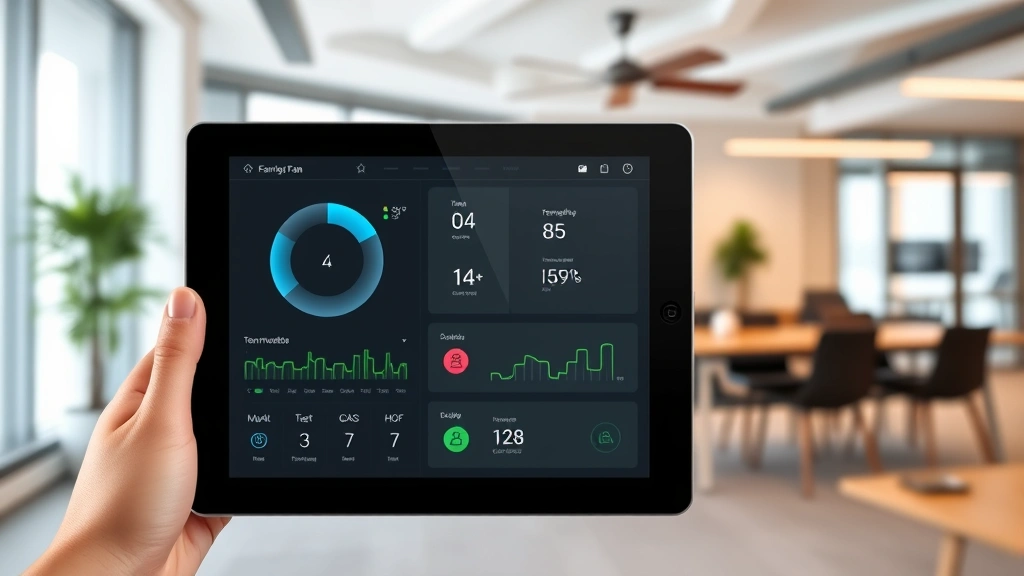
Leading manufacturers now offer fans with mobile app controls, voice-activated operation through Alexa and Google Assistant, and advanced scheduling features that adapt to occupancy patterns. These smart fans collect real-time data about room temperature, humidity, and air quality, enabling predictive adjustments that enhance comfort while reducing energy consumption. Some premium models feature machine learning algorithms that analyze usage patterns over weeks and months, automatically adjusting fan speed and direction to maintain optimal comfort with minimal energy expenditure.
The integration of smart technology also extends to remote monitoring capabilities, allowing homeowners and facility managers to control multiple fans across different rooms or buildings from a centralized dashboard. This functionality proves particularly valuable for commercial applications, where destination management companies and hospitality businesses can optimize climate control across numerous properties simultaneously, reducing operational costs while improving guest comfort.
Security and privacy considerations have become paramount as fan manufacturers develop connected devices. Leading companies implement end-to-end encryption, regular security updates, and transparent data policies to protect consumer information. This commitment to cybersecurity has become a competitive differentiator, with consumers increasingly valuing brands that prioritize data protection alongside functionality.
Sustainable Design and Energy Efficiency
Environmental consciousness has fundamentally reshaped modern fan company priorities. Today’s manufacturers recognize that energy efficiency represents both a moral imperative and a market opportunity, driving innovation in motor technology, blade design, and material selection. The most advanced fans consume 70-80% less energy than models from just fifteen years ago, while delivering superior air circulation and comfort.
Brushless DC (BLDC) motor technology has become the industry standard for high-efficiency fans. These motors eliminate carbon brushes that create friction and heat loss, enabling variable speed operation that automatically adjusts to meet current cooling demands. By operating at lower speeds during periods of light usage, BLDC motors dramatically reduce electricity consumption without sacrificing performance.
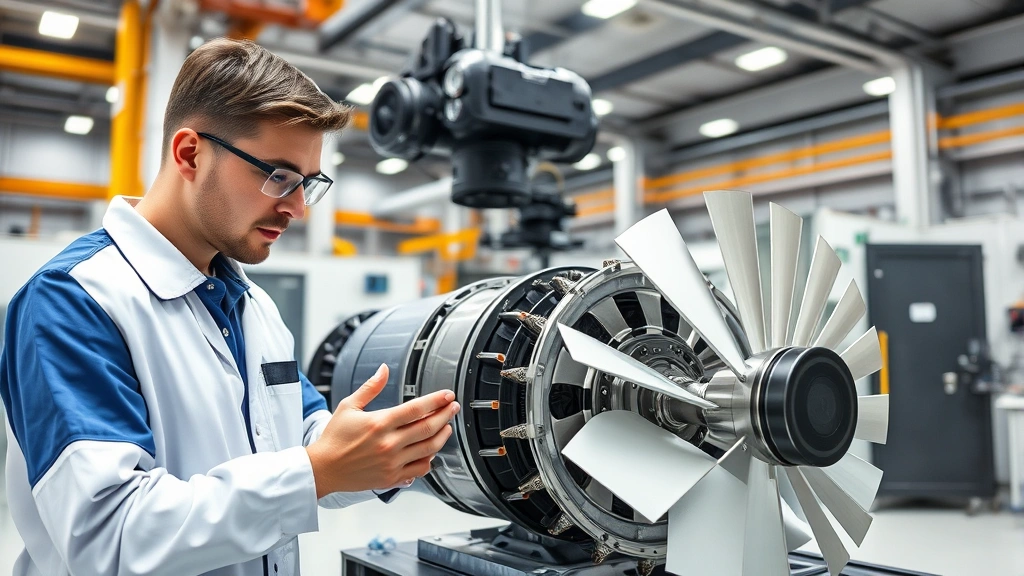
Aerodynamic blade design has evolved significantly, informed by computational fluid dynamics (CFD) simulations that optimize air movement patterns. Modern fan blades feature subtle curves, variable pitch angles, and specially engineered trailing edges that maximize airflow while minimizing turbulence and noise. Materials science innovations have introduced lightweight composites and sustainable materials, reducing fan weight while maintaining structural integrity and durability.
Many modern fan companies have embraced circular economy principles, designing products for longevity and repairability rather than planned obsolescence. Modular construction allows consumers to replace individual components—motor bearings, blade assemblies, or control systems—extending product lifespan and reducing electronic waste. This approach aligns with growing consumer preferences for sustainable consumption and has become particularly important for environmentally conscious demographics.
Energy Star certification has become a crucial marketing tool for modern fan manufacturers. Products bearing this certification demonstrate measurable efficiency improvements over baseline standards, providing consumers with reliable indicators of operational cost savings. Leading companies publicize the annual energy savings their fans deliver, translating technical specifications into tangible financial benefits that resonate with budget-conscious consumers.
Aesthetic Innovation and Interior Design Trends
Modern fan companies recognize that fans have transitioned from purely functional appliances to design elements that significantly influence interior aesthetics. Contemporary manufacturers collaborate with renowned industrial designers and interior architects to create fans that enhance rather than detract from carefully curated living spaces.
Minimalist design aesthetics dominate current trends, with fans featuring sleek profiles, hidden mounting hardware, and monochromatic color schemes that blend seamlessly into modern interiors. Flush-mount and low-profile designs eliminate the visual bulk of traditional ceiling fans, appealing to consumers with low ceilings or contemporary design preferences. Some manufacturers offer reversible blades with contrasting colors, allowing consumers to match fan appearance to seasonal décor or personal preferences.
Material innovation has expanded aesthetic possibilities significantly. Modern fans incorporate brushed aluminum, matte black finishes, walnut wood accents, and powder-coated steel in sophisticated color palettes ranging from warm metallics to jewel tones. Premium manufacturers offer customization options, allowing consumers to select blade materials, finish colors, and light fixture designs that complement specific interior design schemes.
The integration of lighting into fan designs has become increasingly sophisticated. LED lighting systems offer warm and cool color temperature options, dimmable intensity controls, and even color-changing capabilities in some premium models. These integrated lighting solutions eliminate the need for separate ceiling fixtures, streamlining installation and creating cohesive visual designs.
Vintage and retro-inspired designs have experienced a resurgence, with modern fan companies reinterpreting classic aesthetics using contemporary materials and technology. Steampunk-influenced designs, mid-century modern interpretations, and industrial-style fans appeal to consumers seeking character and personality in their home environments. These nostalgic designs often command premium pricing, reflecting consumer willingness to invest in fans that serve as decorative focal points.
Commercial Applications and Industrial Solutions
Beyond residential markets, modern fan companies have developed specialized solutions for commercial and industrial applications. These products address unique requirements including large-scale air circulation, extreme temperature environments, contamination control, and 24/7 operational demands.
Commercial ceiling fans for retail environments, offices, and hospitality venues feature enhanced durability, larger blade spans, and higher air movement ratings than residential counterparts. These industrial-grade fans can circulate air across expansive spaces, improving comfort for occupants while reducing HVAC system strain and associated energy costs. Many commercial models incorporate antimicrobial coatings and sealed bearing systems designed for low-maintenance operation in demanding environments.
Specialized industrial fans serve manufacturing facilities, data centers, agricultural operations, and other sectors with unique cooling requirements. Some manufacturers produce explosion-proof fans for hazardous environments, while others develop high-velocity options for warehouse ventilation or manufacturing process cooling. These applications often require custom engineering and detailed project proposals to ensure solutions meet specific operational parameters.
The commercial sector has driven demand for IoT-enabled monitoring systems that track fan performance, predict maintenance needs, and optimize energy consumption across facility networks. Building management systems now integrate fan controls with HVAC, lighting, and occupancy sensors, creating unified climate control strategies that respond dynamically to actual usage patterns rather than static schedules.
Outdoor commercial applications represent another growth area, with modern fan companies developing weather-resistant models for patios, pergolas, and exterior commercial spaces. These fans typically feature corrosion-resistant materials, sealed electrical components, and robust construction capable of withstanding temperature fluctuations and environmental exposure.
Market Dynamics and Consumer Preferences
The modern fan company market reflects complex dynamics shaped by technological advancement, economic factors, and evolving consumer expectations. Understanding these market forces proves essential for businesses developing effective pricing strategies and competitive positioning.
Consumer preferences have shifted dramatically toward premium products that combine functionality with aesthetic appeal. While budget-conscious consumers still seek economical options, increasingly affluent demographics invest in high-end fans that serve as design statements, offering smart features, superior craftsmanship, and exclusive designer collaborations. This market segmentation has created opportunities for manufacturers at multiple price points, from ultra-budget models to luxury offerings exceeding several thousand dollars.
Geographic considerations significantly influence fan demand and design preferences. Climate regions with hot summers drive ceiling fan adoption, while cooler climates prioritize ventilation and air circulation for comfort rather than cooling. Modern fan companies increasingly develop region-specific product lines, recognizing that consumer needs and aesthetic preferences vary considerably across different geographic markets.
The COVID-19 pandemic accelerated adoption of smart home technologies and remote controls, with consumers increasingly valuing touchless operation and integrated smart home ecosystems. This trend has persisted as consumers recognize convenience and hygiene benefits of voice-activated and app-controlled fans. Manufacturers have responded by prioritizing compatibility with popular smart home platforms and expanding voice assistant integration.
Demographic trends influence market dynamics significantly. Younger consumers tend to prioritize smart features and sustainability, while older demographics may value simplicity, reliability, and ease of use. Modern fan companies increasingly develop targeted marketing strategies addressing these demographic preferences, often creating distinct product lines optimized for different consumer segments.
Supply chain considerations have shaped modern fan company operations, with manufacturers increasingly sourcing components from diverse suppliers and investing in manufacturing flexibility. The global semiconductor shortage and component availability challenges have incentivized development of fans with simplified electronics or alternative control systems, ensuring continued production despite supply disruptions.
Strategic Business Considerations
For entrepreneurs and business leaders evaluating opportunities within the modern fan company sector, several strategic considerations merit careful analysis. Successfully competing in this dynamic market requires understanding industry trends, consumer expectations, and operational realities.
Product differentiation has become increasingly important as the fan market matures and competition intensifies. Companies that simply manufacture standard fans struggle to command premium pricing or build strong brand loyalty. Successful modern fan companies differentiate through design excellence, technological innovation, sustainability commitments, or exceptional customer service. Strategic focus on specific market segments—luxury residential, commercial, industrial, or niche applications—often proves more effective than attempting to serve all markets simultaneously.
Distribution channel selection significantly impacts business success. Direct-to-consumer models enable higher margins and direct customer relationships but require substantial marketing investment and logistics infrastructure. Retail partnerships provide access to established customer bases but involve margin compression and less control over brand presentation. Omnichannel strategies combining online sales, retail partnerships, and showroom experiences increasingly represent industry best practices, though they require sophisticated operational coordination.
For businesses looking to establish operations in specific regions, resources like California company lookup tools and similar state-specific resources help identify competitors, understand local market dynamics, and navigate regulatory requirements. Understanding regional market characteristics proves essential for developing effective go-to-market strategies.
Manufacturing decisions between in-house production, contract manufacturing, and hybrid models involve complex trade-offs between control, cost, and scalability. Modern fan companies increasingly leverage contract manufacturers for commodity components while maintaining in-house capabilities for proprietary technology, design, and quality control. This approach balances flexibility with competitive advantage protection.
Warranty and customer service capabilities have become competitive differentiators as consumers increasingly value responsive support and reliable product longevity. Modern fan companies invest in comprehensive warranty programs, responsive customer service infrastructure, and technical support resources. Some manufacturers offer extended warranties and maintenance plans, creating recurring revenue streams while building customer loyalty.
Intellectual property protection deserves careful attention, particularly for companies developing innovative motor designs, blade configurations, or smart control systems. Patent portfolios, design registrations, and trade secret protections help prevent competitive copying and create defensible competitive advantages.
Supply chain resilience has become increasingly important following global disruptions that exposed vulnerabilities in just-in-time manufacturing models. Modern fan companies are diversifying suppliers, building strategic inventory buffers, and developing alternative component sources to ensure continued operations during supply disruptions.
For businesses operating across multiple locations or considering expansion, understanding billing infrastructure and operational support services in target markets helps streamline expansion efforts and reduce administrative burden.
Sustainability commitments have evolved from marketing positioning to fundamental business strategy. Companies developing comprehensive sustainability programs—including energy-efficient products, sustainable sourcing, responsible manufacturing, and circular economy initiatives—increasingly attract environmentally conscious consumers and institutional buyers. These commitments also support employee recruitment and retention, as younger workers increasingly prioritize employer environmental responsibility.
FAQ
What innovations are defining modern fan companies in 2024?
Contemporary fan manufacturers are emphasizing smart technology integration, sustainable design, aesthetic innovation, and specialized commercial solutions. IoT connectivity, machine learning optimization, brushless DC motors, aerodynamic blade designs, and designer aesthetic collaborations represent current industry priorities. Companies are also developing industry-specific solutions for commercial, industrial, and specialized applications, moving beyond basic residential ceiling fans.
How much energy do modern fans save compared to older models?
Advanced modern fans typically consume 70-80% less electricity than fans manufactured fifteen years ago. Brushless DC motor technology, optimized blade aerodynamics, and variable speed operation enable these substantial efficiency improvements. The U.S. Environmental Protection Agency estimates that Energy Star certified fans can save consumers $15-20 annually in electricity costs compared to standard models, with savings varying based on usage patterns and local electricity rates.
What should I consider when choosing a modern fan company’s products?
Key considerations include energy efficiency ratings (Energy Star certification), smart home compatibility, design aesthetic alignment with your space, noise levels, warranty coverage, and customer service reputation. For commercial applications, evaluate durability specifications, maintenance requirements, and integration capabilities with building management systems. Reading independent reviews and comparing total cost of ownership (including installation, operation, and maintenance) rather than focusing solely on purchase price helps identify optimal value.
How are modern fan companies addressing sustainability?
Leading manufacturers are implementing multiple sustainability strategies: developing energy-efficient motor and blade designs, using sustainable and recycled materials, designing products for longevity and repairability, implementing circular economy principles, achieving Energy Star certification, and establishing comprehensive environmental responsibility programs. Some companies have committed to carbon-neutral operations and are actively reducing manufacturing waste and supply chain environmental impact.
What are the growth opportunities in the fan manufacturing industry?
Significant opportunities exist in smart home integration, commercial and industrial applications, specialized solutions for unique environments, sustainable product development, and geographic expansion into emerging markets. Companies differentiating through design, technology, or sustainability commitments command premium pricing and build stronger customer loyalty. Niche markets including outdoor commercial applications, healthcare facilities, and industrial ventilation solutions offer less saturated opportunities for specialized manufacturers.
How do modern fan companies balance cost and quality?
Successful manufacturers recognize that strategic pricing strategies require understanding customer value perception and willingness to pay for specific features. Rather than competing purely on price, modern companies develop distinct product tiers serving different customer segments. Premium lines emphasize design, smart features, and sustainability, while value-oriented products focus on reliability and essential functionality, allowing companies to serve diverse market segments while maintaining healthy margins.


