Behind Olentangy River Brewing Company: Owner’s Perspective on Building a Regional Craft Beer Empire
Olentangy River Brewing Company has become a cornerstone of Columbus, Ohio’s vibrant craft beer scene, establishing itself as more than just a brewery—it’s a community gathering place with a compelling origin story. The journey from concept to thriving operation reveals critical insights into entrepreneurship, market positioning, and the craft beverage industry’s evolution. Understanding the owner’s perspective provides valuable lessons for aspiring business leaders navigating competitive markets.
The craft beer industry has experienced explosive growth over the past two decades, with the Brewers Association reporting over 11,000 breweries operating in the United States. Within this landscape, regional breweries like Olentangy River have carved out significant market share through authentic branding, quality products, and strategic community engagement. The owner’s strategic decisions illuminate how local businesses can thrive amid national consolidation and changing consumer preferences.
The Founding Vision and Market Entry Strategy
The establishment of Olentangy River Brewing Company emerged from a clear recognition of Columbus’s untapped craft beer potential. The owner identified a strategic opportunity: the city lacked a destination brewery that combined quality craft beer production with an authentic taproom experience. This market gap analysis proved crucial to the venture’s success, contrasting sharply with saturated coastal markets.
The initial business plan templates developed for Olentangy River emphasized differentiation through local sourcing, community involvement, and experiential marketing. Rather than competing solely on product quality—a crowded arena—the owner positioned the brewery as a cultural institution. This strategic positioning required understanding the target demographic: educated millennials and Gen X consumers seeking authentic, locally-rooted brands with transparent production practices.
Market research revealed that Columbus residents demonstrated strong preference for locally-owned establishments, particularly in the food and beverage sector. The owner leveraged this insight by emphasizing Ohio heritage, local ingredient partnerships, and community-centric values. This approach aligned with broader consumer trends documented by Harvard Business Review, which shows consumers increasingly prioritize brand authenticity and local economic impact over price alone.
Securing initial capital presented significant hurdles. The owner pursued a combination of personal investment, small business loans, and strategic partnerships. Understanding small business insurance requirements early proved essential, as brewery operations involve substantial liability exposure. This proactive approach to risk management distinguished the venture from competitors who underestimated regulatory and insurance complexities.
Operational Challenges in Craft Brewing
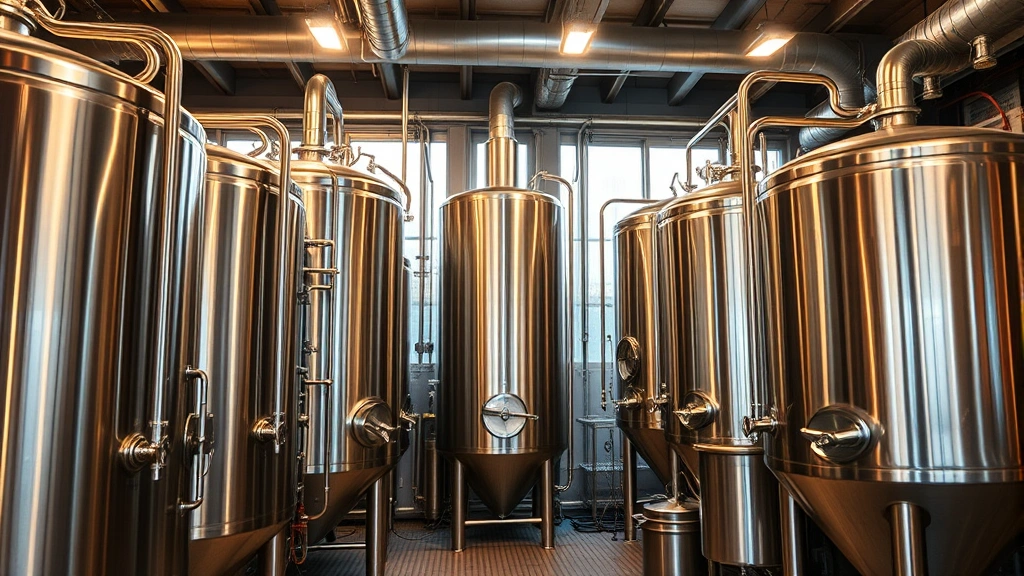
Operating a craft brewery demands mastery across multiple domains: fermentation science, supply chain management, regulatory compliance, and hospitality operations. The owner’s perspective reveals that initial underestimation of operational complexity is common among brewery entrepreneurs. Quality control requires consistent monitoring of temperature, pH levels, and ingredient specifications—variables that directly impact product consistency and consumer satisfaction.
The brewing process itself involves substantial capital investment in equipment, facilities, and inventory management. Equipment failures can devastate production schedules and customer relationships. The owner invested heavily in redundant systems and preventive maintenance protocols, recognizing that downtime directly translates to lost revenue and damaged reputation. This operational philosophy mirrors recommendations from McKinsey & Company, which emphasizes operational resilience in manufacturing and production industries.
Supply chain volatility emerged as an unexpected challenge. Craft breweries depend on consistent access to specialty hops, grains, and other ingredients that face price fluctuations and availability constraints. The owner developed long-term relationships with multiple suppliers, negotiated volume contracts, and implemented inventory management systems to mitigate disruption risks. These decisions required detailed business budgeting software to forecast cash flow impacts of ingredient cost volatility.
Regulatory compliance presents another substantial operational burden. Breweries operate under federal, state, and local regulations governing production, labeling, distribution, and taxation. The owner prioritized hiring experienced regulatory consultants and maintaining meticulous documentation. This investment in compliance infrastructure prevented costly violations and maintained operational licenses—critical assets for any beverage production business.
Staffing represents perhaps the most human operational challenge. Brewery operations require skilled brewmasters, quality assurance technicians, and hospitality professionals. The owner emphasized competitive compensation, ongoing training, and workplace culture as critical retention factors. High employee turnover in the hospitality industry made this strategic focus essential for maintaining product quality and customer experience consistency.
Building Brand Identity and Customer Loyalty
Olentangy River Brewing’s brand identity transcends product characteristics; it encompasses community values, local heritage, and customer experience. The owner recognized early that craft beer consumers make purchasing decisions based on brand narrative and emotional connection, not merely taste preferences. This insight drove comprehensive brand development strategies encompassing visual identity, messaging, and experiential marketing.
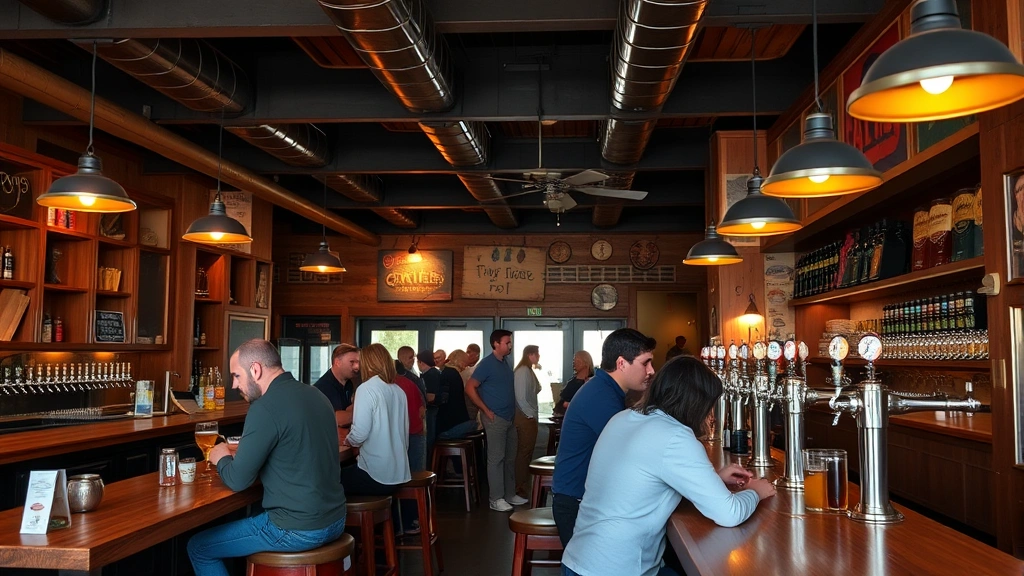
The taproom experience became central to brand differentiation. Rather than viewing the taproom as a distribution channel, the owner designed it as a destination venue—a space where customers could engage directly with the brewery, meet the brewing team, and participate in the brand community. This approach generated valuable word-of-mouth marketing and customer loyalty that traditional advertising couldn’t replicate.
Social media and digital marketing strategies amplified the brand narrative. The owner leveraged platforms like Instagram and Facebook to share brewing processes, ingredient sourcing stories, and community engagement activities. This transparency built trust and positioned Olentangy River as an authentic, customer-centric organization. User-generated content from customers sharing taproom experiences created organic marketing momentum.
Event marketing proved particularly effective. Seasonal releases, collaboration beers with local artists, and community sponsorships generated excitement and press coverage. The owner understood that in competitive markets, experiential marketing creates memorable touchpoints that deepen customer relationships beyond transactional interactions. These events also provided valuable customer data for refining product development and marketing strategies.
The owner’s perspective emphasizes that brand loyalty develops through consistent delivery of promised experiences. Every customer interaction—from first visit to ongoing engagement—must reinforce brand values. This consistency requires organizational alignment from production teams ensuring quality products to customer-facing staff delivering exceptional service.
Financial Management and Growth Planning
Financial discipline emerged as perhaps the most critical factor in Olentangy River Brewing’s sustainable growth. The owner implemented rigorous financial management practices from inception, tracking metrics including cost of goods sold, operating expenses, inventory turnover, and customer acquisition costs. This analytical approach enabled data-driven decision-making about production capacity, pricing strategies, and expansion timing.
Pricing strategy required balancing profitability with market positioning. The owner recognized that craft beer consumers accept premium pricing relative to mass-produced alternatives, provided quality justifies the premium. Detailed cost analysis informed pricing decisions that maintained healthy margins while remaining competitive within the craft beer segment. This pricing discipline prevented the margin erosion that undermines many growing businesses.
Cash flow management proved critical during growth phases. Expansion requires significant upfront investment in equipment, facilities, and working capital—investments that precede revenue generation. The owner maintained conservative cash reserves and secured credit facilities to bridge timing gaps between expenses and revenue collection. This financial prudence prevented the cash flow crises that bankrupt many otherwise successful businesses.
Growth capital decisions required careful evaluation of debt versus equity financing options. The owner balanced maintaining ownership control with accessing capital necessary for facility expansion and market development. Understanding company structure and financing options proved essential for optimizing the capital structure. External investors brought not only capital but also strategic expertise and market connections.
Financial metrics guided strategic decisions about product portfolio expansion, new market entry, and facility investments. The owner continuously evaluated return on investment for various initiatives, reallocating resources toward highest-performing products and markets. This portfolio management approach prevented the dilution of focus that undermines organizational effectiveness.
Sustainability and Community Integration
The owner’s perspective increasingly emphasizes sustainability practices as both ethical imperative and business advantage. Craft breweries generate substantial waste streams—spent grains, wastewater, and packaging materials—requiring responsible management. Olentangy River implemented comprehensive sustainability initiatives including grain donation to local farmers, water conservation systems, and recyclable packaging options.
These sustainability efforts resonated with target customers increasingly concerned about environmental impact. The owner discovered that transparent communication about sustainability practices strengthened brand loyalty among environmentally-conscious consumers. Investment in sustainable operations became a competitive advantage rather than mere cost center.
Community integration extended beyond marketing to genuine stakeholder partnerships. The owner prioritized local hiring, supplier relationships, and charitable contributions. These commitments created positive community sentiment that translated to customer loyalty and favorable regulatory treatment. The brewery became recognized as a responsible corporate citizen, not merely a profit-seeking business.
The owner’s perspective on community integration reflects broader business trends documented by Forbes research showing that businesses with strong community ties demonstrate superior long-term financial performance and employee retention. This alignment of community benefit with business success creates sustainable competitive advantages.

Future Expansion and Market Positioning
Strategic expansion decisions required careful analysis of market opportunities and organizational capacity. The owner evaluated expansion options including production capacity increases, geographic market expansion, and product line diversification. Each option presented distinct risks and capital requirements demanding rigorous evaluation.
Production capacity expansion required substantial capital investment in brewing equipment and facility expansion. The owner balanced growth ambitions with operational realities, implementing capacity increases aligned with demonstrated demand rather than speculative projections. This disciplined approach prevented overcapitalization and maintained production efficiency.
Geographic expansion presented opportunities to reach new markets while risking brand dilution if growth outpaced operational capability. The owner prioritized establishing strong distribution in regional markets before pursuing national expansion. This methodical approach built distribution infrastructure and brand recognition necessary for sustainable geographic growth.
Product innovation remained central to competitive positioning. The owner balanced core product consistency—essential for brand recognition—with limited edition and seasonal offerings that sustained customer interest and press coverage. This portfolio strategy maximized revenue while maintaining the brand identity that drove customer loyalty.
The owner’s perspective on future positioning emphasizes that sustainable success requires continuous adaptation to evolving consumer preferences while maintaining core brand values. Market leadership demands balancing stability with innovation, local focus with growth ambitions, and financial discipline with strategic investment.
FAQ
What were the primary challenges in starting Olentangy River Brewing Company?
Initial capital acquisition, regulatory compliance navigation, and market differentiation in an increasingly competitive craft beer segment presented significant challenges. The owner emphasized that underestimating operational complexity and supply chain requirements proved common mistakes among brewery entrepreneurs.
How does Olentangy River Brewing differentiate itself from competitors?
The brewery emphasizes local sourcing, community integration, authentic brand narrative, and exceptional taproom experience. Rather than competing solely on product quality, the owner positioned the brewery as a cultural institution reflecting Columbus values and heritage.
What financial metrics guide strategic decisions at Olentangy River Brewing?
The owner tracks cost of goods sold, operating expenses, inventory turnover, customer acquisition costs, and return on investment for various initiatives. These metrics inform decisions about capacity expansion, product development, and market entry.
How does sustainability factor into business strategy?
Sustainability initiatives including waste reduction, water conservation, and recyclable packaging align with customer values and generate competitive advantages. The owner views sustainability as integral to brand identity and long-term business resilience.
What role does community engagement play in business success?
Community integration through local hiring, supplier partnerships, and charitable contributions builds customer loyalty and positive stakeholder relationships. The owner recognizes that genuine community commitment creates sustainable competitive advantages beyond marketing value.


