Fire Safety in Windowless Rooms: Expert Tips for Comprehensive Protection
Windowless rooms present unique fire safety challenges that demand specialized attention and strategic planning. Whether you operate data centers, server rooms, underground parking facilities, or secure storage areas, the absence of natural exits and ventilation creates elevated risk profiles that standard fire safety protocols may not adequately address. Organizations managing these spaces must implement comprehensive fire suppression systems, proper detection mechanisms, and emergency response procedures tailored to their specific environments.
The complexity of protecting windowless rooms extends beyond installing basic fire extinguishers or sprinkler systems. Modern facilities require integrated solutions that combine advanced detection technology, rapid suppression capabilities, and compliance with evolving building codes. A proactive approach to workplace safety demonstrates organizational responsibility and protects both personnel and critical assets.
Understanding Windowless Room Fire Risks
Windowless rooms create distinctive hazard profiles that differ significantly from standard commercial spaces. The absence of windows eliminates natural light for emergency navigation, prevents occupants from assessing external conditions, and removes potential emergency exit routes. These limitations compound the danger when fires develop, as smoke accumulation occurs more rapidly in sealed environments, reducing visibility and increasing oxygen depletion rates.
Fire behavior in windowless spaces follows predictable patterns that inform suppression strategy development. Heat accumulation accelerates in enclosed areas, potentially triggering backdraft conditions where explosive fire expansion occurs when new oxygen sources become available. The confined atmosphere also means smoke damage extends throughout the entire space, affecting equipment and materials beyond the immediate fire zone. Organizations must understand these dynamics to select appropriate response systems that protect operations.
Data centers and server rooms represent particularly critical windowless environments where fire suppression decisions directly impact business continuity. These facilities house equipment valued at millions of dollars and support essential organizational functions. A single fire event can result in catastrophic data loss, extended downtime, and severe financial consequences. The stakes demand investment in premium fire suppression solutions specifically engineered for technology-intensive spaces.
Underground facilities, including basements, vaults, and parking structures, present compounded challenges because emergency responders face navigation difficulties and limited access routes. Occupants in these spaces cannot rely on natural egress paths and depend entirely on engineered safety systems. The psychological stress of confined-space emergencies increases panic risk, making clear communication and practiced evacuation procedures essential components of comprehensive safety programs.
Fire Detection Systems for Enclosed Spaces
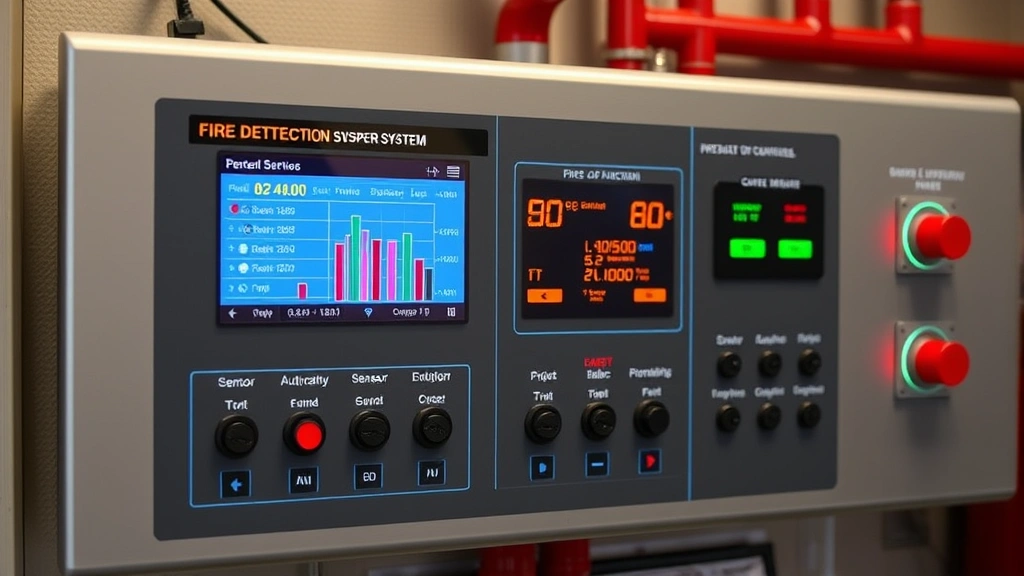
Advanced detection technology forms the foundation of effective windowless room fire protection because early warning dramatically improves response effectiveness. Multi-sensor detection systems combine ionization, photoelectric, and heat-detection capabilities to identify fires across diverse fuel sources and combustion stages. These integrated sensors communicate with centralized monitoring systems that trigger automated responses before fires reach critical development stages.
Smoke detection in windowless rooms requires careful sensor placement because air circulation patterns differ from open spaces. Smoke stratification—where hot smoke rises and cools, then descends—creates detection blind spots if sensors are positioned incorrectly. Professional fire safety engineers analyze room geometry, HVAC systems, and occupancy patterns to optimize detector placement for maximum coverage and minimum false-alarm rates.
Heat detection provides crucial supplementary protection in environments where smoke detection alone may prove insufficient. Aspirating smoke detection systems offer particular advantages in windowless data centers because they sample air continuously from throughout the space using networked piping, identifying fires before visible smoke develops. These systems trigger alerts that provide critical early-warning time for equipment shutdown and evacuation initiation.
Integration with building management systems enables automated responses that begin immediately upon fire detection. Automated shutdown of HVAC systems prevents smoke distribution, activated emergency lighting guides occupants toward exits, and door-sealing mechanisms contain fire spread. These coordinated responses reduce response time from minutes to seconds, substantially improving safety outcomes.
According to NFPA standards, detection system redundancy is critical in life-safety applications. Dual-detector requirements ensure that single-point failures do not compromise protection. Battery backup systems maintain functionality during power disruptions, while regular testing protocols verify system integrity. Organizations should establish quarterly inspection schedules and document all testing results for compliance verification.
Advanced Suppression Technologies
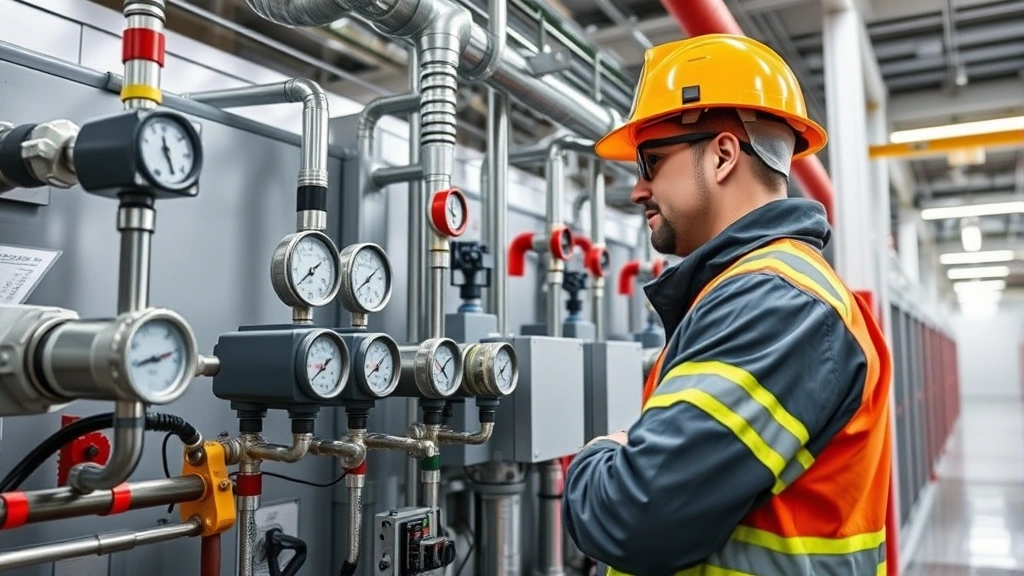
Selecting appropriate fire suppression systems requires understanding the specific hazards present in windowless environments. Water-based sprinkler systems work effectively for conventional combustibles but can damage sensitive equipment in data centers and server rooms. Gaseous suppression agents—including CO2, inert gases, and halocarbon compounds—suppress fires without leaving residue, protecting valuable electronics while achieving rapid flame extinguishment.
Clean agent suppression systems have become industry standard for protecting mission-critical facilities because they extinguish fires through heat absorption and oxygen displacement without damaging equipment or leaving corrosive deposits. These systems discharge within seconds of fire detection, providing protection that manual intervention cannot achieve. The rapid response prevents smoke damage accumulation and minimizes equipment exposure to heat stress.
Foam suppression systems excel in facilities storing flammable liquids or managing chemical hazards. Aqueous film-forming foam (AFFF) creates barriers that prevent fuel vapors from reaching ignition sources while cooling burning materials. These systems combine water efficiency with superior suppression performance, requiring minimal water discharge compared to conventional sprinkler systems. However, environmental concerns regarding PFOA compounds in traditional AFFF formulations have prompted transition toward fluorine-free alternatives.
Hybrid suppression approaches combine multiple technologies to address diverse hazard profiles. A facility might implement gaseous suppression for primary IT equipment areas while maintaining water sprinklers in mechanical spaces and foam systems for fuel storage zones. This layered approach ensures optimal protection across varying risk levels without over-protecting lower-risk areas.
A comprehensive analysis from McKinsey & Company demonstrates that strategic fire suppression investments reduce total cost of ownership through prevented losses and reduced insurance premiums. Organizations implementing premium suppression systems typically recover their investment within five years through insurance savings alone, before accounting for prevented equipment losses and operational continuity benefits.
Emergency Evacuation Planning
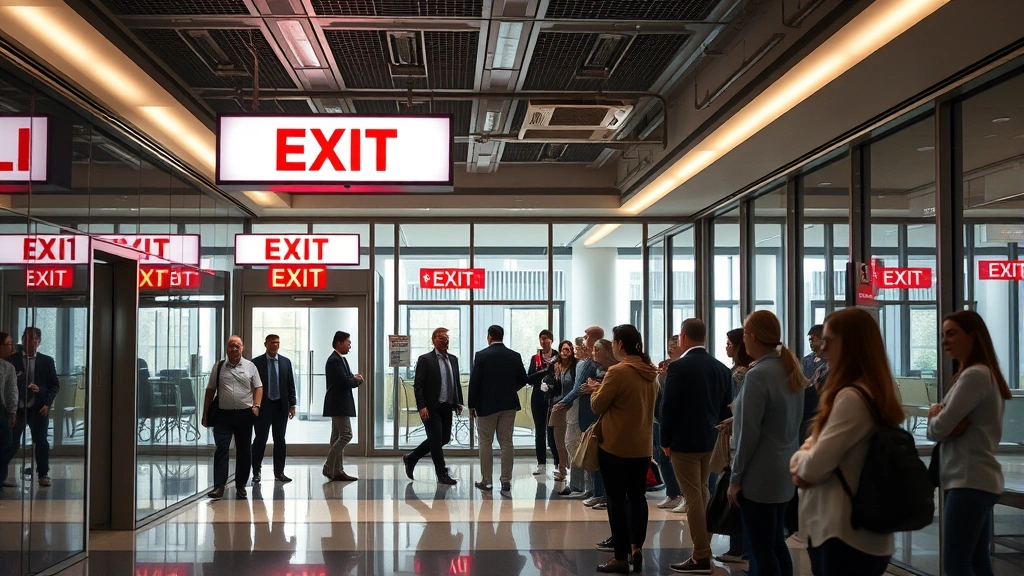
Windowless rooms demand specialized evacuation procedures because occupants cannot identify exits visually or assess external conditions. Comprehensive evacuation plans must account for total darkness scenarios where electrical failures disable emergency lighting systems. Organizations should implement illuminated exit signage powered by independent battery systems, tactile guidance systems, and clearly marked assembly points accessible without external navigation.
Staff training represents the most critical evacuation planning component because panic response in enclosed emergencies can overwhelm untrained occupants. Regular evacuation drills—conducted at least annually with unannounced elements—build muscle memory that enables rapid response during actual emergencies. Drills should simulate realistic complications including communication failures, blocked primary exits, and equipment failures to test adaptive response capabilities.
Designated assembly points must be located outside the facility at distances sufficient to avoid secondary hazards from smoke and heat dispersion. Assembly point leadership ensures headcount verification and prevents re-entry attempts that endanger personnel. Communication protocols must account for mobile phone system failures and establish radio-based backup communication networks.
Special considerations apply to facilities housing individuals with mobility limitations or sensory impairments. Buddy systems, evacuation chairs, and assistive communication devices must be maintained in readily accessible locations with staff trained in their proper deployment. Accessibility compliance requires that emergency egress routes accommodate individuals using mobility aids without requiring assistance beyond reasonable accommodation limits.
Integrating business continuity planning with evacuation procedures ensures that critical operations resume efficiently post-incident. Documentation of essential equipment locations, shutdown procedures, and recovery sequences enables rapid resumption of operations once facilities are declared safe.
Regulatory Compliance Requirements
Fire safety regulations for windowless rooms vary by jurisdiction but share common foundational principles. The International Building Code (IBC) establishes minimum requirements for fire-resistance ratings, detection system specifications, and suppression system performance standards. State and local amendments frequently impose stricter requirements reflecting regional hazard profiles and occupancy types.
NFPA 101 Life Safety Code provides comprehensive guidance addressing occupancy-specific requirements for windowless spaces. These standards specify minimum egress width, illumination intensity, and detection system response times. Compliance verification requires third-party inspections by certified fire protection engineers who document system installations and test results.
Organizations operating in regulated industries face additional requirements beyond basic fire codes. Healthcare facilities must comply with CMS fire safety standards; financial institutions must meet banking authority requirements; and data centers must satisfy industry-specific standards including ANSI/TIA-942 certification requirements. OSHA regulations establish workplace safety requirements that intersect with fire protection compliance.
Insurance carriers frequently impose requirements exceeding minimum code compliance as conditions of coverage. Property insurers require documented maintenance records, regular testing results, and professional inspection certifications. Organizations should consult with insurance providers during system design phases to ensure selected solutions meet coverage requirements and qualify for premium discounts.
Documentation requirements demand meticulous record-keeping of all system installations, modifications, testing, and maintenance activities. These records demonstrate compliance during inspections and provide evidence of good-faith safety commitment if incidents occur. Digital management systems enable efficient tracking and automated renewal reminders for required certifications and inspections.
Maintenance and Testing Protocols
Fire suppression system reliability depends on rigorous maintenance schedules that identify and correct deficiencies before they compromise protection. Monthly visual inspections verify that system components remain accessible and free from obstruction. Quarterly pressure checks confirm that suppression agents remain at specified concentrations; temperature fluctuations and minor leakage can reduce agent quantities below effective levels.
Annual professional inspections by certified technicians provide comprehensive system evaluation including component functionality testing, discharge simulation verification, and documentation review. These inspections identify corrosion, component degradation, and design deficiencies that visual inspection cannot detect. Documentation of inspection findings creates compliance records and establishes maintenance history that supports insurance coverage.
Detection system testing must verify that all sensors respond appropriately to simulated fire conditions. Smoke chamber testing confirms photoelectric and ionization detector sensitivity; heat detector testing uses controlled temperature exposure to verify response thresholds. Integration testing ensures that detector signals properly trigger suppression system discharge and alarm notification systems.
Five-year system recertification requires complete discharge testing in non-operational environments to verify that suppression agents achieve specified concentration levels throughout protected spaces. These expensive but essential tests confirm that system design calculations remain valid and that no component degradation has occurred. Results document system performance capability and support renewal of system certifications.
Staff training on system operation, maintenance procedures, and emergency response protocols must occur during initial system installation and annually thereafter. Personnel should understand manual activation procedures, emergency shutdown sequences, and post-discharge safety requirements. Documentation of training completion supports compliance verification and demonstrates organizational commitment to safety excellence.
Establishing automated maintenance scheduling systems ensures that required inspections occur consistently and documentation remains organized. Digital alerts notify responsible personnel when testing deadlines approach, preventing accidental lapse of required certifications.
Engaging a professional fire protection engineering firm provides access to expertise that exceeds in-house capabilities for most organizations. These specialists remain current on evolving regulations, emerging technologies, and best practices across diverse facility types. Their independent assessments provide credibility during insurance negotiations and regulatory inspections.
FAQ
What fire suppression system works best for windowless data centers?
Clean agent gaseous suppression systems represent optimal solutions for data centers because they suppress fires without water damage, corrosion, or equipment disruption. These systems discharge within seconds of detection, preventing smoke accumulation and heat damage. Specific agent selection depends on equipment types, room dimensions, and occupancy patterns, requiring professional engineering analysis for optimal design.
How often should windowless room fire systems be tested?
Monthly visual inspections, quarterly pressure checks, and annual professional inspections represent minimum maintenance requirements. Five-year full-discharge testing verifies system performance capability. More frequent testing may be required based on insurance requirements or regulatory mandates specific to your jurisdiction and occupancy type.
Are sprinkler systems appropriate for windowless server rooms?
Traditional water sprinklers can damage sensitive electronics and create secondary hazards through electrical shock and corrosion. Gaseous suppression agents provide superior protection for technology-intensive spaces. Specialized dry-pipe or pre-action sprinkler systems may be appropriate in hybrid designs where both conventional areas and equipment zones require protection.
What evacuation procedures should windowless rooms require?
Comprehensive procedures must include illuminated egress marking powered by independent battery systems, clearly marked assembly points, staff training with annual evacuation drills, and communication protocols that function during electrical failures. Procedures must account for individuals with mobility limitations and sensory impairments through accessible design and buddy-system assignments.
Can windowless rooms meet fire code requirements legally?
Yes, when engineered with appropriate detection systems, suppression technology, and evacuation procedures. Building codes permit windowless occupancies when fire-resistance ratings, automatic suppression systems, and emergency egress provisions meet or exceed code minimums. Professional engineering design and third-party inspection certification verify compliance.
How does professional consultation with fire safety experts improve protection strategies?
Fire protection engineers analyze facility-specific hazards, evaluate equipment types, and design integrated solutions that balance protection effectiveness with operational requirements. Their expertise identifies compliance gaps, optimizes system designs for your environment, and ensures that selected solutions meet insurance and regulatory requirements while minimizing false-alarm rates.
What costs should organizations budget for windowless room fire protection?
Initial system installation typically ranges from $15,000 to $100,000+ depending on room size, hazard complexity, and suppression agent selection. Annual maintenance costs average 5-10% of initial investment. While significant, these investments typically return value through insurance premium reductions and prevented equipment losses, with payback periods of 3-5 years for premium facilities.


