Indiana Water Rates 2023: American Water Company Consumer Report
Water utility costs represent a significant household expense for Indiana residents, with rates continuing to climb across the state. American Water Company, the largest publicly traded water and wastewater utility in the United States, serves hundreds of thousands of customers throughout Indiana. Understanding the 2023 rate structure, recent increases, and what drives these costs is essential for homeowners, businesses, and property managers managing operational budgets.
The 2023 water rate landscape in Indiana reflects broader national trends in utility pricing, infrastructure investment demands, and regulatory approval processes. This comprehensive consumer report examines American Water Company’s rate structure, recent rate increases, factors influencing pricing decisions, and strategies for managing water costs effectively in your home or business.
American Water Company in Indiana: Overview and Service Territory
American Water Company operates extensive water and wastewater systems throughout Indiana, serving multiple regions including central Indiana communities and surrounding areas. As a subsidiary of American Water Works Company, Inc., the organization maintains infrastructure serving millions of customers across 14 states. Indiana represents a significant market for the company, with operations focused on delivering reliable water service while managing aging infrastructure and compliance requirements.
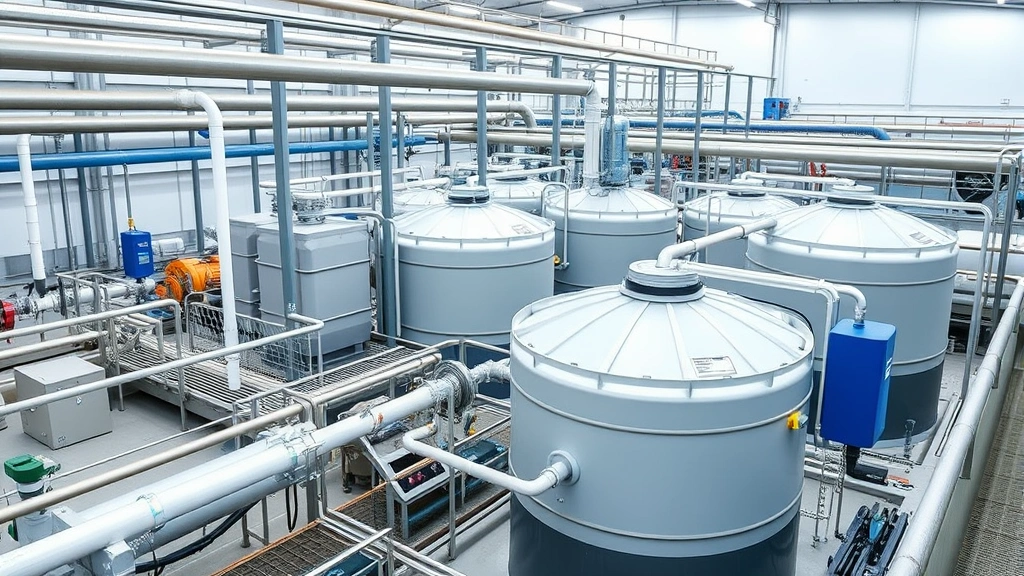
The company’s Indiana operations encompass water treatment facilities, distribution networks, wastewater collection systems, and recycled water infrastructure. Understanding the company’s operational structure is crucial for consumers seeking to navigate billing inquiries, service requests, and rate discussions. When evaluating your water bill, recognizing that American Water Company must balance customer affordability with necessary infrastructure investments helps contextualize rate increases.
For those managing property operations, understanding how utility costs factor into operational budgets is critical. If you’re considering starting a property management company or expanding existing operations, water utility costs represent a key variable in financial projections and tenant billing structures.
2023 Water Rate Structure and Pricing
Indiana American Water’s 2023 rate structure comprises several components that collectively determine your monthly water bill. The typical billing structure includes:
- Base Service Charge: A fixed monthly fee covering customer service, meter reading, and system maintenance regardless of water consumption
- Volumetric Charges: Usage-based rates charged per thousand gallons consumed, often tiered to encourage conservation
- Wastewater Treatment: Separate charges for treatment and disposal of wastewater, typically calculated as a percentage of water usage
- Stormwater Fees: In some service areas, fees supporting stormwater management and infrastructure
- Taxes and Surcharges: Various regulatory and infrastructure improvement fees
The 2023 rates in Indiana averaged between $35-$50 monthly for typical residential customers using 5,000-6,000 gallons. However, rates vary significantly by service area, with some communities experiencing higher charges due to local infrastructure conditions and regulatory requirements. Commercial customers face substantially higher rates based on consumption volumes and wastewater treatment complexity.
Recent Rate Increases and Timeline
American Water Company filed multiple rate increase requests with Indiana’s Public Utility Regulatory Commission (IURC) leading into 2023. The most significant increases occurred between 2021-2023, with some service areas experiencing cumulative increases of 15-25% over the two-year period. Individual rate cases typically request increases ranging from 8-12% annually.
These increases were driven by specific operational needs outlined in rate case filings, including:
- Infrastructure replacement and modernization projects
- Treatment plant upgrades to meet water quality standards
- System reliability and emergency response improvements
- Regulatory compliance costs
- Operational expense increases
Residential customers filing rate case comments often expressed concerns about affordability impacts. The IURC’s approval process typically involves public hearings where customers can voice concerns, and the commission evaluates whether proposed increases align with public interest standards and cost-of-service principles.
Understanding utility pricing dynamics helps when developing business pricing strategies for service-based enterprises or property management ventures that incorporate utility costs into customer charges.
Factors Driving Water Rate Increases
Multiple interconnected factors explain why water rates continue increasing across Indiana and nationally. Understanding these drivers provides context for rate decisions and helps customers appreciate infrastructure investment necessity:
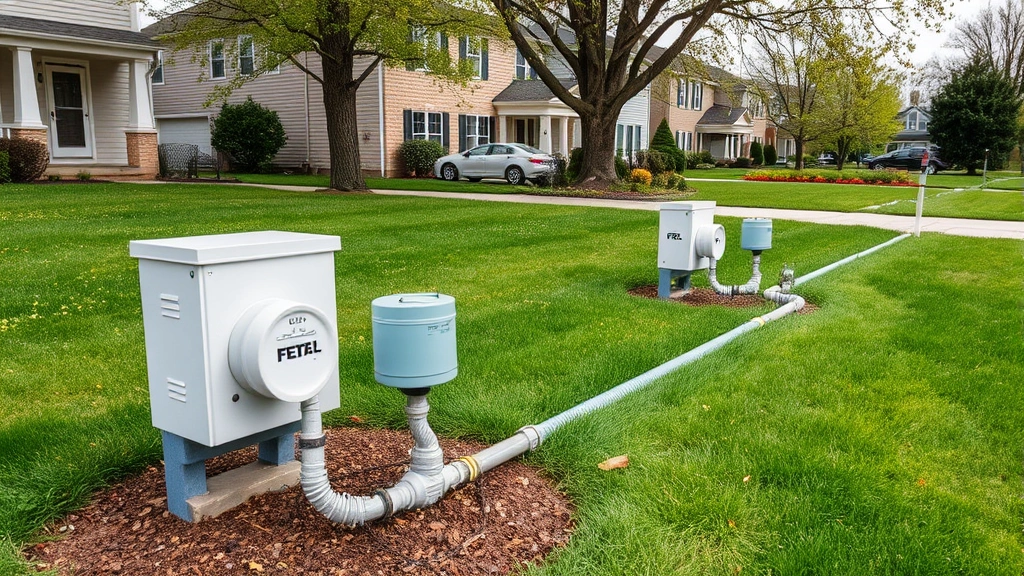
Infrastructure Age and Replacement Needs: Much of Indiana’s water infrastructure dates from the mid-20th century. Pipes, treatment plants, and distribution systems require replacement, with costs escalating annually. American Water Company must invest billions in system upgrades to maintain service reliability and water quality standards.
Water Quality Compliance: Federal and state regulations require increasingly stringent water quality testing and treatment. Compliance with Safe Drinking Water Act requirements, emerging contaminant detection, and treatment technology upgrades substantially increase operational costs.
Energy Costs: Pumping, treating, and heating water consumes significant energy. Rising electricity and fuel costs directly impact operational expenses, which utilities pass to customers through rate increases.
Labor and Materials Inflation: Construction materials, specialized equipment, and skilled labor for water system maintenance have experienced significant cost increases. These inflation pressures affect capital projects and ongoing maintenance budgets.
Population Density Changes: Indiana communities experiencing growth require system expansions, while declining areas must maintain infrastructure serving fewer customers, increasing per-capita costs.
Climate and Weather Impacts: Drought conditions, flooding, and extreme weather events damage infrastructure and increase treatment requirements. Climate variability adds unpredictability to operational costs.
These factors operate beyond any individual utility’s control, reflecting broader economic and environmental trends. Harvard Business Review’s pricing analysis demonstrates how infrastructure-dependent utilities face unique cost pressures distinct from typical service businesses.
Comparison with National and Regional Averages
Indiana water rates remain relatively moderate compared to national averages, though regional variation exists. According to industry data, typical American household water bills average $70-$100 monthly nationally, while Indiana averages range between $40-$65 depending on service area and consumption.
Regional comparisons show:
- Great Lakes Region Average: $55-$75 monthly (Indiana slightly below average)
- Midwest Regional Average: $50-$70 monthly (Indiana competitive)
- National High-Cost Areas: $100-$150+ monthly (California, New York, New England)
- National Low-Cost Areas: $30-$45 monthly (Southern rural areas, regions with abundant water)
Indiana’s moderate rates reflect several advantages: abundant water resources from Lake Michigan and groundwater supplies, established infrastructure in many communities, and regulatory frameworks that balance affordability with investment needs. However, rates continue trending upward as utilities address deferred maintenance and modernization demands.
Understanding comparative pricing helps businesses evaluating relocation decisions or expansion strategies. When implementing business partnership agreements involving facility operations, utility cost assumptions significantly impact financial projections.
Regulatory Framework and Rate Approval Process
Indiana’s water utility rate regulation occurs through the Public Utility Regulatory Commission (IURC), an independent agency overseeing rate increases and service standards. The regulatory framework establishes how American Water Company and other utilities propose, justify, and implement rate changes.
Rate Case Filing Process: When American Water Company seeks a rate increase, it files a formal application with the IURC containing detailed financial data, capital investment plans, operational cost justifications, and revenue requirements. The filing must demonstrate that proposed rates are just and reasonable under Indiana law.
Public Comment Period: The IURC provides opportunity for customer comments, advocacy group participation, and public hearings. Customers can submit written comments or testify at hearings regarding rate increase impacts and concerns.
IURC Staff Review: The commission’s technical staff analyzes the utility’s filing, conducting independent cost audits, evaluating investment necessity, and developing recommendations regarding reasonable rate increases.
Hearing Process: Contested cases proceed to formal administrative hearings where the utility, commission staff, and intervenors present evidence. A hearing officer develops a recommended order that the full IURC commission reviews.
Commission Decision: The IURC issues a final order approving, partially approving, or denying the rate increase request. Decisions include detailed explanations of approved rates and conditions.
This regulatory structure protects consumers by requiring utilities to justify rate increases through transparent processes while ensuring utilities earn adequate returns to maintain infrastructure and service quality. The framework reflects McKinsey’s analysis of utility regulation balancing stakeholder interests.
Conservation Programs and Cost Reduction Strategies
American Water Company offers conservation programs and initiatives helping customers reduce water consumption and lower bills. Participating in these programs represents the most direct method of managing water costs:
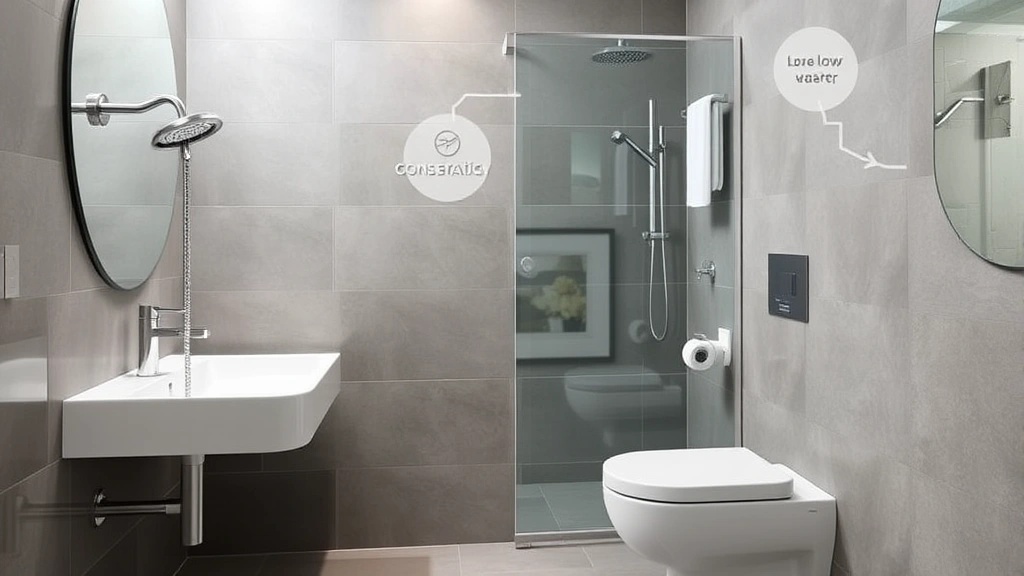
Residential Conservation Tips: The company provides guidance on reducing household water use through fixture upgrades, leak detection, and behavioral changes. Simple measures like fixing leaks, installing low-flow fixtures, and adjusting irrigation schedules can reduce consumption 10-20%.
Water Audit Programs: Some service areas offer water audits identifying consumption patterns and efficiency opportunities. Professional audits reveal hidden leaks and usage inefficiencies.
Rebate Programs: American Water Company occasionally offers rebates for high-efficiency fixture installations, including toilets, showerheads, and irrigation controllers. These programs offset upgrade costs while reducing consumption.
Commercial Conservation: Large users can access specialized conservation consulting, equipment assessments, and efficiency improvement programs designed for industrial and commercial applications.
Leak Detection Services: The company provides leak detection support helping customers identify and repair underground leaks that waste water and inflate bills.
Smart Meter Technology: Advanced metering infrastructure provides real-time consumption data, enabling customers to identify usage patterns and anomalies more quickly.
For property managers and business operators, conservation strategies directly impact operational costs and environmental compliance. Understanding how to improve operational efficiency extends beyond employee performance to encompass resource management and utility optimization.
Impact on Residential and Commercial Customers
Water rate increases affect residential and commercial customers differently, with varying financial implications and response strategies:
Residential Impact: For typical Indiana households, 2023 rate increases translated to $5-$15 monthly bill increases. While individual impacts seem modest, cumulative increases over multiple years strain household budgets, particularly for fixed-income families. Low-income households spend disproportionately higher percentages of income on water services, making affordability concerns particularly acute.
Commercial and Industrial Impact: Large water users experience substantially larger absolute cost increases. A food processing facility, manufacturing plant, or large hotel using millions of gallons monthly might face increases of $500-$2,000+ monthly. These costs directly impact operational margins and pricing decisions.
Multi-Family Properties: Apartment complexes and condominium buildings face dual challenges: managing master meter costs and allocating expenses among residents. Property managers must balance cost recovery with tenant affordability, often implementing conservation measures and utility billing systems to manage impacts.
Agricultural Users: Irrigation-dependent farms represent significant water consumers. Rate increases directly impact crop production costs and farm profitability, particularly in drought years when consumption peaks.
Understanding these varied impacts helps stakeholders appreciate why water rate regulation balances utility investment needs with affordability concerns. When managing retail or commercial operations, water utility costs merit careful budget analysis and efficiency planning.
Future Rate Projections and Planning
Water rate increases will likely continue in coming years based on several structural factors unlikely to reverse:
Continued Infrastructure Investment: The American Water Association estimates utilities must invest $2 trillion nationally over the next 25 years to modernize aging systems. Indiana utilities face similar pressures, ensuring rate increases continue.
Climate Change Adaptation: Changing precipitation patterns, drought risks, and flood events will require system resilience investments. These adaptation costs will manifest in rate increases.
Technology Integration: Smart water systems, advanced treatment technologies, and digital infrastructure require substantial capital investments that utilities recover through rates.
Regulatory Tightening: Emerging contaminant regulations and water quality standards will likely become more stringent, increasing treatment costs.
Energy Transition: While renewable energy adoption may eventually reduce costs, transition periods involve significant infrastructure investment.
Customers and businesses should anticipate water rates increasing 3-5% annually, with occasional larger increases during significant rate cases. Long-term planning should incorporate these anticipated increases, and conservation investments should be evaluated based on payback periods accounting for rising rates.
For organizations developing product roadmaps or service delivery plans that incorporate facility operations, water cost assumptions should be conservative, accounting for likely rate increases.
FAQ
What is the average water bill in Indiana for 2023?
The average monthly water bill for Indiana residents ranges from $40-$65, depending on consumption and service area. This typically covers 5,000-6,000 gallons of water for a household of four, including base charges, volumetric charges, and wastewater treatment fees.
How much did American Water Company rates increase in 2023?
Rate increases varied by service area, with most regions experiencing increases between 8-12%. Some specific service territories received larger or smaller adjustments based on infrastructure needs and regulatory determinations.
Can I dispute a water rate increase?
Yes, customers can file comments with the Indiana Public Utility Regulatory Commission during rate case proceedings. Public hearings provide opportunities to voice concerns, and the IURC considers customer input when evaluating rate increase requests.
What programs help reduce water bills in Indiana?
American Water Company offers conservation programs, leak detection services, rebate programs for efficient fixtures, water audits, and smart meter technology. These initiatives help customers reduce consumption and lower bills.
Are Indiana water rates expected to continue increasing?
Yes, water rates will likely increase 3-5% annually as utilities invest in infrastructure modernization, comply with water quality regulations, and address aging system components. Long-term planning should anticipate these increases.
How does Indiana compare to other states for water rates?
Indiana’s water rates are moderate compared to national averages. While below high-cost regions like California and the Northeast, Indiana rates have been increasing steadily to address infrastructure needs.
What factors drive water rate increases?
Primary factors include aging infrastructure replacement, water quality compliance, energy costs, labor and materials inflation, population changes, and climate impacts. These factors operate across all utilities, making rate increases a national trend.
How can businesses reduce water costs?
Commercial customers can implement conservation measures, conduct efficiency audits, install water-saving equipment, fix leaks promptly, and adjust operational practices to reduce consumption. Large users may access specialized conservation consulting programs.


