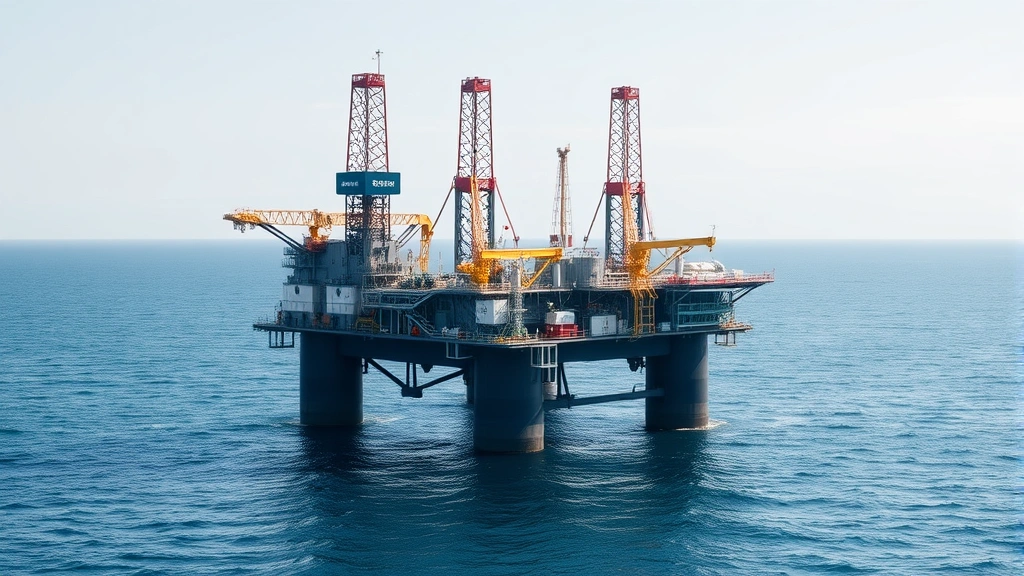
Top Oil & Gas Companies: Market Leader Insights
The global oil and gas industry remains one of the most influential sectors in the world economy, shaping energy markets, geopolitical relationships, and investment portfolios. Understanding the landscape of the largest oil and gas companies provides critical insights into market dynamics, competitive strategies, and future energy trends. These industry titans command vast resources, employ hundreds of thousands of workers, and operate across multiple continents, making them essential players in global commerce and energy security.
The competitive hierarchy among major oil and gas companies continues to shift based on production capacity, reserve holdings, market capitalization, and strategic positioning in the energy transition. Whether you’re an investor, industry professional, or business strategist, recognizing the strengths and weaknesses of market leaders through conducting a SWOT analysis helps contextualize their market dominance. This comprehensive guide examines the world’s largest oil and gas companies, their operational footprints, financial performance, and strategic imperatives shaping the future of energy.

The Global Oil and Gas Market Landscape
The oil and gas industry operates within a complex framework of geopolitical factors, technological innovation, regulatory compliance, and market volatility. The largest companies in this sector are classified as “supermajors” or “national oil companies,” each wielding significant influence over global energy supply and pricing mechanisms. These organizations control approximately 40-50% of global oil production and manage reserves worth trillions of dollars.
The competitive landscape has undergone substantial transformation over the past two decades. Consolidation through mergers and acquisitions has reduced the number of independent majors while strengthening the position of national oil companies backed by sovereign wealth and state resources. Understanding how these companies manage employee productivity and operational excellence across multiple jurisdictions reveals critical success factors in this capital-intensive industry.
Market leadership in oil and gas depends on several interconnected variables: proven reserves, production capacity, refining and distribution networks, technological capabilities, financial strength, and strategic positioning in renewable energy. The companies analyzed in this guide represent the apex of industry performance, though their dominance faces unprecedented challenges from energy transition pressures and climate considerations.
Saudi Aramco: The Middle Eastern Powerhouse
Saudi Arabian Oil Company (Saudi Aramco) stands as the world’s largest oil producer by volume and among the most valuable companies globally by market capitalization. With headquarters in Riyadh, Saudi Aramco commands approximately 13-14% of global crude oil production and maintains the world’s second-largest proven oil reserves at over 260 billion barrels.
Saudi Aramco’s dominance stems from several strategic advantages: abundant domestic reserves, relatively low extraction costs, vertical integration spanning exploration through retail distribution, and state backing providing financial stability and long-term investment capacity. The company’s 2019 initial public offering (IPO) marked a watershed moment for the Saudi economy and energy markets, raising approximately $24 billion and demonstrating investor confidence in the company’s operational and financial fundamentals.
The company operates sophisticated refining and petrochemical facilities, shipping fleets, and downstream retail networks. Saudi Aramco’s strategic vision emphasizes maximizing shareholder value while maintaining production capacity as a stabilizing force in global energy markets. The organization employs approximately 76,000 people directly and supports hundreds of thousands of indirect jobs throughout the Saudi economy.
Recent strategic initiatives include expansion into renewable energy, development of carbon capture and storage technologies, and downstream diversification. These moves reflect recognition that long-term value creation requires adaptation to evolving energy landscapes while maintaining core hydrocarbon operations that generate exceptional returns.
ExxonMobil: American Energy Dominance
Exxon Mobil Corporation represents the largest publicly traded oil and gas company by market capitalization and a dominant force in American energy policy. Formed through the 1999 merger of Exxon and Mobil, this Houston-based corporation operates integrated operations spanning exploration, production, refining, chemicals, and retail distribution across more than 50 countries.
ExxonMobil’s competitive positioning relies on technological leadership, operational efficiency, and financial discipline. The company invests heavily in advanced extraction technologies, including deepwater drilling, enhanced oil recovery, and unconventional resources development. With approximately 70,000 employees worldwide and a commitment to capital discipline, ExxonMobil generates substantial free cash flow supporting dividends and shareholder returns.
The company’s reserve base exceeds 16 billion barrels of oil equivalent, providing decades of production capacity. Strategic projects include the Guyana offshore development, which represents one of the most significant recent discoveries, and liquefied natural gas (LNG) operations providing exposure to growing global demand for cleaner-burning fuels.
ExxonMobil’s approach to the energy transition balances continued hydrocarbon optimization with selective investments in low-carbon technologies. The company’s strategy emphasizes that global energy demand will require diverse sources for decades, positioning traditional energy companies as essential participants in the transition rather than obstacles to overcome.
Shell: European Integration and Strategy
Royal Dutch Shell plc operates as one of Europe’s largest energy companies, with headquarters in The Hague, Netherlands, and significant operational presence throughout Europe, Africa, Asia, and the Americas. Shell’s integrated portfolio spans upstream exploration and production, downstream refining and marketing, and substantial liquefied natural gas operations.
Shell’s strategic positioning emphasizes energy security, operational excellence, and transition to lower-carbon business models. The company operates approximately 14,000 retail service stations globally, providing direct consumer engagement and brand recognition. Shell’s LNG business represents a significant competitive advantage, with operations and investments spanning Australia, Indonesia, Malaysia, and multiple other regions.
The Dutch energy giant employs approximately 82,000 people and maintains a strong commitment to research and development, investing in hydrogen production, renewable electricity, and biofuels. Shell’s strategy reflects European regulatory pressures and stakeholder expectations regarding climate performance, positioning the company as a leader in corporate sustainability integration.
Recent organizational restructuring has strengthened Shell’s renewable energy division and accelerated transition initiatives. The company’s long-term vision emphasizes becoming a net-zero energy business by 2050, requiring substantial portfolio transformation and capital reallocation toward lower-carbon opportunities.
BP and Chevron: Competing Majors
BP (British Petroleum) and Chevron Corporation represent the next tier of supermajors, each commanding significant global operations and strategic importance. BP, headquartered in London, operates across 70 countries with approximately 64,000 employees and a diversified portfolio including upstream production, downstream refining, and renewable energy investments.
BP’s strategy emphasizes accelerated energy transition, with explicit commitment to achieve net-zero emissions by 2050. The company has invested substantially in renewable electricity, biofuels, and hydrogen, positioning itself as an energy company rather than purely an oil company. Recent acquisitions and partnerships in renewable energy and electric vehicle charging infrastructure reflect this strategic repositioning.
Chevron, based in San Ramon, California, operates as the second-largest American oil and gas company with approximately 43,000 employees. Chevron’s portfolio includes significant deepwater Gulf of Mexico production, Permian Basin operations, and international assets across Africa, Asia, and Latin America. The company maintains a disciplined capital allocation framework emphasizing high-return projects and shareholder distributions.
Both companies face similar pressures regarding energy transition, regulatory compliance, and stakeholder expectations. Their responses—ranging from aggressive renewable investments to continued focus on hydrocarbon optimization—reflect different strategic philosophies about the future energy landscape and corporate positioning within it.
Chinese National Oil Companies
China’s state-controlled oil and gas sector comprises three primary national champions: China National Petroleum Corporation (CNPC), China National Offshore Oil Corporation (CNOOC), and China Petroleum & Chemical Corporation (Sinopec). These organizations operate among the world’s largest by production volume and revenue, though market capitalization and financial transparency differ from Western counterparts.
CNPC operates approximately 1.5 million barrels per day of crude oil production and maintains extensive international operations spanning Central Asia, Russia, Middle East, and Africa. The company’s strategic focus emphasizes energy security for China’s growing economy and international expansion of Chinese energy influence.
CNOOC specializes in offshore exploration and production, with significant operations in the South China Sea and expanding international presence. Sinopec combines upstream production with substantial downstream refining, chemicals, and retail operations, making it one of the world’s largest integrated energy companies by revenue.
These national oil companies operate within different governance frameworks than Western majors, receiving state support and direction aligned with Chinese energy security and geopolitical objectives. Their expansion into Africa, Central Asia, and the Middle East reflects Beijing’s strategy to secure energy supplies and expand Chinese economic influence through energy infrastructure investment.
Strategic Challenges and Market Dynamics
The world’s largest oil and gas companies face interconnected strategic challenges that require sophisticated management and organizational adaptation. Handling stakeholder concerns effectively—whether from investors, regulators, or environmental advocates—demands transparent communication and demonstrated commitment to sustainable practices.
Price volatility represents a perpetual challenge for energy companies, affecting project economics, capital allocation decisions, and financial performance. The dramatic oil price collapse in 2020 and subsequent volatility demonstrated how external shocks can rapidly reshape industry economics and strategic priorities. Companies with diversified portfolios, strong balance sheets, and disciplined capital allocation weathered these disruptions more successfully.
Geopolitical risks continue shaping the operating environment for international oil and gas companies. Sanctions regimes, political instability, and resource nationalism create uncertainty for long-term project development and investment returns. Companies operating in contested regions or with exposure to sanctioned entities face regulatory compliance burdens and reputational risks.
Technological disruption from renewable energy, electric vehicles, and energy efficiency improvements threatens long-term demand for traditional hydrocarbon products. Leading companies recognize that business-as-usual strategies risk obsolescence, necessitating fundamental portfolio transformation and capability development in emerging energy technologies.
Talent acquisition and retention present significant challenges as younger professionals increasingly prefer careers with companies demonstrating strong environmental and social commitments. Industry leaders must enhance team building and organizational culture to attract top talent in competitive labor markets.
The Energy Transition Imperative
The energy transition from fossil fuels to renewable and low-carbon sources represents the defining strategic challenge and opportunity for oil and gas majors. Unlike previous industry disruptions, this transition involves fundamental questions about the long-term relevance of hydrocarbon-based business models and corporate identity.
Leading companies have adopted different strategic approaches reflecting their unique positions, stakeholder expectations, and market opportunities. Some emphasize continuing hydrocarbon production while investing selectively in low-carbon opportunities. Others pursue aggressive renewable energy expansion, positioning themselves as broad-based energy companies rather than oil companies specifically.
Natural gas occupies a critical position in energy transition narratives, offering lower carbon emissions than coal while serving as bridge fuel during the transition to renewable-dominated systems. LNG expansion by major oil and gas companies reflects recognition that natural gas demand will remain substantial for decades, providing continued revenue streams and investment returns.
Investment in hydrogen production, particularly from renewable electricity (green hydrogen), represents a strategic frontier for energy majors. Companies developing hydrogen expertise and production capacity position themselves to participate in emerging hydrogen economy opportunities across industrial, transportation, and power generation applications.
Carbon capture, utilization, and storage (CCUS) technologies offer pathways for continued hydrocarbon production with reduced carbon intensity. Major companies investing in CCUS development and deployment signal commitment to addressing climate concerns while maintaining core business operations. Government policy support through carbon pricing and investment incentives enhances CCUS project economics.
According to McKinsey & Company’s energy analysis, successful energy transition positioning requires companies to balance short-term cash generation with long-term strategic transformation. Companies maintaining financial discipline while investing in future capabilities outperform those pursuing either extreme—purely defending legacy businesses or abandoning profitable hydrocarbon operations prematurely.
Research from Harvard Business Review on energy strategy emphasizes that competitive advantage increasingly derives from managing paradoxes: generating returns from existing assets while building new businesses, maintaining investor confidence while transforming business models, and operating profitably in declining markets while pioneering emerging opportunities.
Organizational Excellence and Competitive Advantage
Beyond reserve bases and production capacity, the largest oil and gas companies differentiate themselves through operational excellence, technological innovation, and organizational capability. Companies implementing sophisticated market analysis and competitive intelligence (analogous to how leading firms leverage external expertise) maintain strategic awareness enabling rapid adaptation to market changes.
Safety performance, regulatory compliance, and environmental stewardship represent table-stakes requirements increasingly affecting company valuation and access to capital. Leading companies embed safety culture throughout organizations, investing in training, technology, and systems ensuring protection of workers and communities. Environmental performance, including emissions management and ecosystem protection, directly influences license to operate and stakeholder relationships.
Research and development investments distinguish industry leaders. Companies pioneering advanced drilling technologies, reservoir characterization, production optimization, and emissions reduction maintain competitive advantages enabling superior project returns and operational efficiency. Sustained R&D commitment signals confidence in long-term business viability.
Strategic partnerships and alliances enable companies to access capabilities, capital, and market opportunities beyond internal resources. Joint ventures, technology partnerships, and collaborative research programs accelerate capability development and reduce individual company risk exposure on transformative initiatives.
Community Engagement and Corporate Responsibility
The largest oil and gas companies increasingly recognize that sustainable success requires positive relationships with host communities and stakeholder engagement throughout operational footprints. Companies demonstrating community engagement excellence build social license to operate and reduce project delays from community opposition.
Leading companies invest in local economic development, education, healthcare, and infrastructure in communities where they operate. These investments generate goodwill, demonstrate commitment to long-term community prosperity, and create employment and business opportunities for local populations. Transparent reporting on community impacts and grievance mechanisms build trust and demonstrate accountability.
Workforce development programs preparing local populations for employment opportunities in energy companies enhance community benefits and reduce reliance on imported labor. Training programs, education partnerships, and career pathways enable community members to participate directly in value creation and economic advancement.
According to Forbes energy coverage, companies excelling at stakeholder engagement and community relations experience fewer operational disruptions, faster project approvals, and enhanced brand reputation supporting business development efforts.
Financial Performance and Investment Considerations
The financial performance of major oil and gas companies directly reflects commodity prices, production volumes, operational efficiency, and capital allocation discipline. During periods of high oil prices, even operationally challenged companies generate substantial cash flows. During price downturns, financial discipline and operational excellence separate leaders from laggards.
Dividend sustainability represents a critical metric for investors evaluating oil and gas company investments. Leading companies maintain dividend payments throughout commodity price cycles, reflecting confidence in underlying cash generation and commitment to shareholder returns. Companies unable to sustain dividends during price downturns face investor flight and capital access challenges.
Capital discipline—the practice of carefully evaluating project returns and declining opportunities failing to meet financial thresholds—distinguishes well-managed companies. Those pursuing every opportunity regardless of returns waste shareholder capital and distract management from highest-value initiatives.
Debt management and balance sheet strength enable companies to weather commodity price volatility and fund strategic investments. Companies maintaining investment-grade credit ratings access capital markets at reasonable costs, enabling continued investment and shareholder distributions even during challenging periods.
Return on invested capital (ROIC) metrics reveal how effectively companies deploy shareholder capital. Leading companies consistently generate ROIC exceeding cost of capital, creating shareholder value. Those generating inadequate returns face pressure from activist investors and declining valuations.
Future Outlook and Strategic Imperatives
The outlook for oil and gas companies depends on energy demand evolution, energy transition pace, policy support for low-carbon technologies, and company-specific strategic execution. Most credible analyses project continued demand for oil and gas for decades, though growth rates may slow significantly compared to historical trends.
Natural gas demand growth appears most resilient, supported by power generation needs, industrial applications, and transportation fuel potential. Companies with strong LNG positions and natural gas production capabilities appear better positioned than pure oil-focused operations.
Strategic diversification into renewable energy, hydrogen, and other low-carbon businesses increasingly characterizes leading company strategies. The magnitude and pace of portfolio transformation varies, reflecting different views about energy futures and corporate identity evolution.
Policy uncertainty regarding carbon pricing, renewable energy subsidies, and fossil fuel restrictions creates planning challenges for energy companies. Those maintaining political relationships and policy engagement capabilities better navigate regulatory evolution and identify business opportunities within changing policy frameworks.
According to Financial Times energy analysis, companies successfully navigating energy transition will combine three capabilities: optimizing traditional hydrocarbon businesses for maximum cash generation and returns, building new low-carbon energy businesses achieving scale and profitability, and developing organizational cultures enabling innovation and adaptation across diverse business models.
FAQ
Which company is the world’s largest oil and gas producer?
Saudi Aramco operates as the world’s largest crude oil producer by volume, generating approximately 13-14% of global crude oil production. However, market capitalization and company size metrics vary depending on measurement criteria, with ExxonMobil, Shell, and other majors competing for top positions across different metrics.
How do national oil companies differ from private oil majors?
National oil companies operate under state ownership and direction, receiving government backing and pursuing energy security objectives alongside profit maximization. Private majors operate under shareholder governance with primary focus on financial returns. National oil companies often benefit from lower cost of capital and political support but face different governance and transparency standards.
What is the impact of energy transition on oil and gas companies?
Energy transition toward renewable and low-carbon sources threatens long-term demand for traditional hydrocarbon products. Leading companies are diversifying portfolios, investing in low-carbon technologies, and repositioning as broad energy companies. The transition creates both risks (stranded assets, declining demand) and opportunities (new energy business development, technological leadership).
How important is natural gas for the future of oil and gas companies?
Natural gas represents a critical strategic focus for energy majors, offering lower carbon emissions than coal while serving as bridge fuel during energy transition. Liquefied natural gas (LNG) operations provide significant revenue streams and growth opportunities. Natural gas demand appears more resilient than oil demand in transition scenarios.
What factors determine competitive success for oil and gas companies?
Key success factors include reserve quality and quantity, production capacity, operational efficiency, technological innovation, financial discipline, strategic positioning in low-carbon opportunities, regulatory and political relationships, and organizational capability. Companies excelling across multiple dimensions achieve superior financial performance and strategic resilience.


