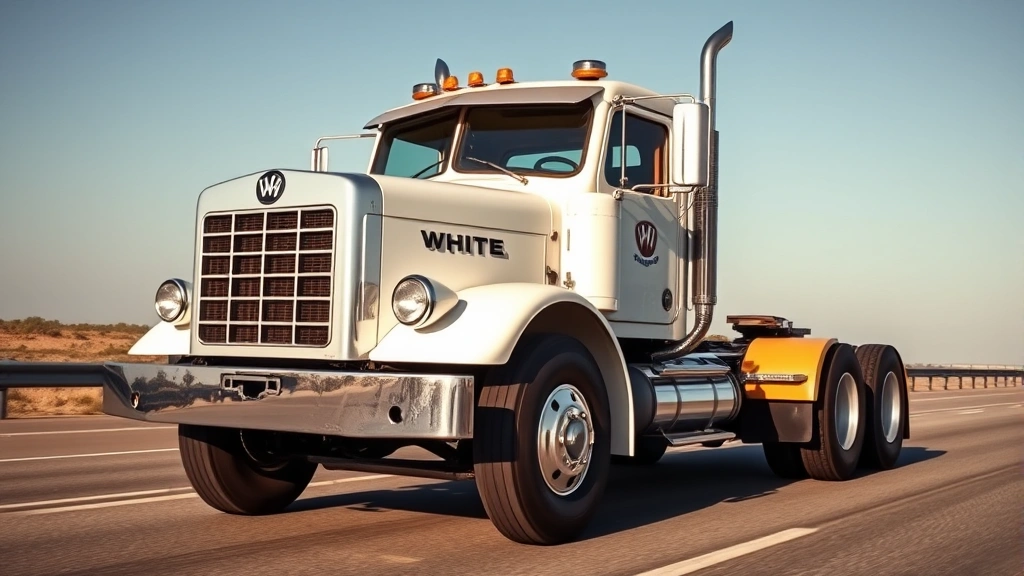
White Motor Company stands as one of the most significant names in heavy-duty trucking history, representing decades of innovation, engineering excellence, and industrial leadership. From its founding in the early 20th century through its evolution into modern commercial transportation, White Motor trucks became synonymous with reliability and performance in the trucking industry. The company’s impact on logistics, construction, and long-haul transportation cannot be overstated, as their vehicles powered American commerce for generations.
The legacy of White Motor Company trucks extends far beyond simple vehicle manufacturing. These machines represented technological advancement, operational efficiency, and the backbone of supply chain management across North America. Understanding the history and significance of White Motor Company provides valuable insights into industrial business development, market positioning, and how companies can establish lasting brand recognition in competitive sectors. This exploration reveals lessons applicable to modern business strategy and corporate longevity.
The Founding and Early Years of White Motor Company
White Motor Company was established in 1900 in Cleveland, Ohio, initially as a manufacturer of steam-powered vehicles. The company was founded by Thomas H. White, an entrepreneur with a vision for mechanized transportation. During its early years, White Motor Company focused on producing vehicles that could handle demanding industrial applications, particularly in logging, construction, and freight transportation. The company’s commitment to quality manufacturing and durable design quickly earned it a reputation as a reliable producer of commercial vehicles.
The transition from steam power to gasoline engines during the 1910s and 1920s marked a crucial evolution for White Motor Company. The company invested heavily in research and development to ensure their trucks remained competitive as the automotive industry rapidly transformed. This dedication to innovation became a defining characteristic of the brand. By establishing strong business partnership agreements with distributors and dealers across the country, White Motor Company expanded its market reach significantly during this foundational period.
The company’s early success was built on understanding customer needs in the transportation sector. White Motor recognized that commercial truck operators required vehicles that could withstand harsh conditions, deliver consistent performance, and minimize downtime. This customer-centric approach to product development became a competitive advantage that distinguished White Motor from other manufacturers entering the commercial vehicle market.
Engineering Innovation and Technological Advancement
White Motor Company became renowned for its engineering prowess and commitment to technological innovation. The company established advanced research facilities and employed talented engineers who constantly pushed the boundaries of truck design and performance. Throughout the mid-20th century, White Motor introduced numerous innovations that improved fuel efficiency, engine reliability, and overall vehicle capability. These advancements were not merely incremental; they represented fundamental shifts in how heavy-duty trucks could be engineered and operated.
One of White Motor’s significant contributions to the industry was the development of more powerful diesel engines specifically designed for long-haul applications. The company recognized that diesel engines offered superior fuel economy and longevity compared to gasoline alternatives, making them ideal for commercial operations. By investing in diesel engine development and refinement, White Motor positioned itself at the forefront of engine technology for heavy trucks. This technical expertise became a core competitive advantage in the marketplace.
The company also pioneered improvements in transmission systems, brake technology, and chassis design. White Motor trucks featured advanced hydraulic systems, improved cooling capabilities, and ergonomic cab designs that prioritized driver comfort and safety. These innovations weren’t simply about performance metrics; they directly impacted operational costs for trucking companies, making White Motor vehicles attractive investments for fleet operators. Understanding the importance of business pricing strategies helped White Motor command premium prices for vehicles featuring superior technology and proven reliability.
Market Dominance and Industry Leadership
During the post-World War II era, White Motor Company achieved significant market dominance in the heavy-duty truck segment. The company benefited from increased demand for commercial transportation as American industries expanded and the interstate highway system developed. White Motor’s reputation for reliability and performance made their trucks the preferred choice for major trucking companies, construction firms, and logistics operations nationwide.
The company’s market leadership was reinforced through strategic investments in manufacturing capacity and distribution networks. White Motor operated multiple manufacturing facilities across the United States, enabling the company to meet growing demand while maintaining quality standards. The company’s ability to scale production while preserving engineering excellence demonstrated sophisticated operational management. This balanced approach to growth established White Motor as an industry benchmark for manufacturing excellence.
White Motor also invested in customer support infrastructure, recognizing that truck owners and operators required reliable service and parts availability. The company developed an extensive dealer network and parts distribution system that ensured customers could access maintenance and repair services conveniently. This commitment to after-sale service strengthened customer loyalty and reinforced White Motor’s market position. The company’s approach to customer relationships paralleled modern principles of digital marketing for small businesses, though adapted for B2B industrial markets where relationships and reputation drove purchasing decisions.
Notable White Motor Truck Models
White Motor Company produced numerous iconic truck models that became legendary in the transportation industry. The White 3000, introduced in the 1950s, represented a significant advancement in long-haul trucking capability. This model featured improved aerodynamics, enhanced engine performance, and driver-focused design innovations. The 3000 series became synonymous with reliable, efficient long-distance hauling and was widely adopted by major trucking companies across North America.
The White Road Boss series, launched in the 1960s, brought additional refinements to heavy-duty trucking. These vehicles featured more powerful engines, improved fuel efficiency, and enhanced comfort features for drivers who spent extended periods on the road. The Road Boss series demonstrated White Motor’s understanding that driver comfort directly influenced operational efficiency and safety. By prioritizing driver experience, White Motor created vehicles that operators genuinely preferred, strengthening brand loyalty.
The White Freightliner line represented another significant achievement in the company’s product portfolio. Through strategic partnerships and acquisitions, White Motor expanded its offerings to serve diverse market segments. The Freightliner brand, eventually acquired by White Motor, became one of the most recognized names in heavy-duty trucking. This expansion allowed White Motor to serve customers with varying operational requirements and budget considerations.
The Western Star brand, another acquisition that became part of White Motor’s portfolio, offered premium heavy-duty trucks designed for the most demanding applications. Western Star vehicles appealed to operators requiring maximum durability and performance for specialized hauling tasks. By maintaining multiple brands with distinct market positioning, White Motor demonstrated sophisticated understanding of market segmentation and brand strategy.
Business Operations and Manufacturing Excellence
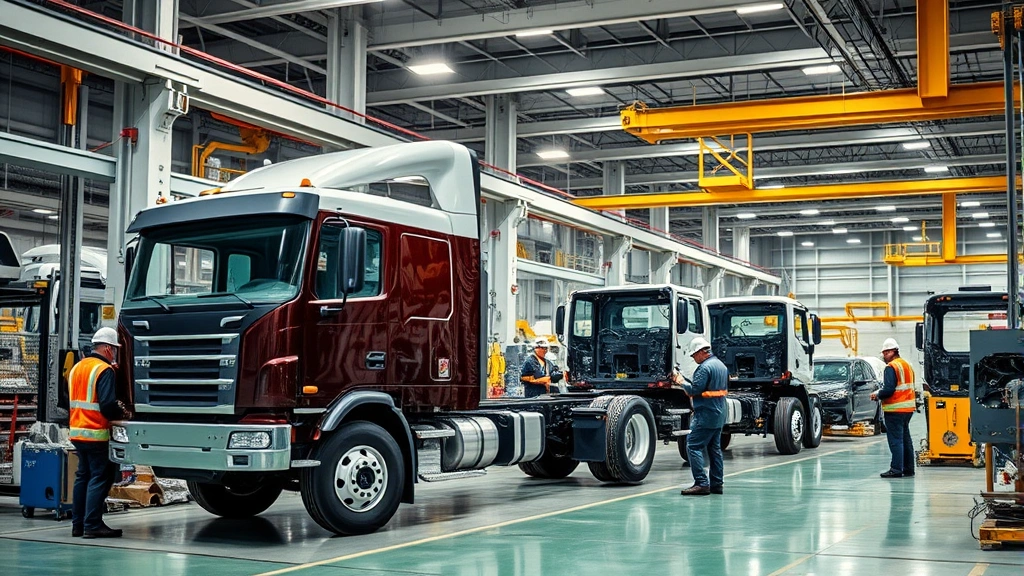
White Motor Company’s success stemmed largely from its commitment to manufacturing excellence and operational efficiency. The company implemented advanced manufacturing processes that balanced productivity with quality control. White Motor facilities utilized modern assembly techniques, rigorous testing protocols, and continuous improvement methodologies that ensured every vehicle met exacting standards before leaving the factory.
The company’s supply chain management and procurement strategies were highly sophisticated for their era. White Motor worked closely with component suppliers to ensure consistent quality and reliable delivery of parts and materials. This collaborative approach to supply chain management reduced production disruptions and enabled the company to maintain delivery schedules that customers depended upon. The principles underlying White Motor’s supply chain management remain relevant to contemporary business operations.
White Motor also invested significantly in workforce development and employee training. The company recognized that manufacturing excellence required skilled workers with deep technical knowledge and commitment to quality. White Motor offered competitive compensation, training programs, and career development opportunities that attracted talented individuals to the organization. This investment in human capital became a competitive advantage that translated directly into superior product quality and innovation.
The company’s approach to research and development demonstrated forward-thinking business strategy. White Motor allocated substantial resources to engineering departments tasked with developing next-generation vehicles and improving existing designs. This commitment to continuous innovation ensured that White Motor remained at the technological forefront of the heavy-duty truck industry. Like modern companies seeking business mentors to guide strategic decisions, White Motor’s leadership sought industry expertise and collaborated with research institutions to maintain competitive advantages.
Challenges and Market Evolution
Despite its storied history and strong market position, White Motor Company faced significant challenges during the late 20th century. Increased competition from other heavy-duty truck manufacturers, changing regulatory requirements, and economic fluctuations created pressures that tested the company’s resilience. The oil crises of the 1970s particularly impacted the trucking industry, as fuel costs became a critical concern for operators evaluating vehicle purchases.
Environmental regulations became increasingly stringent, requiring manufacturers to develop engines and systems that reduced emissions and improved fuel efficiency. While White Motor had the engineering capability to meet these challenges, the associated development costs and manufacturing adjustments strained financial resources. The company had to balance significant capital investments in environmental compliance with maintaining profitability in a competitive market.
The trucking industry itself underwent substantial consolidation during the 1980s and 1990s, with large fleet operators gaining increasing market power. This consolidation shifted negotiating dynamics, as major customers could demand volume discounts and favorable terms from manufacturers. White Motor, like other truck producers, had to adapt to these changing market conditions while maintaining operational profitability.
Financial pressures eventually led to significant corporate restructuring. White Motor Company underwent multiple ownership changes and reorganizations as the company navigated competitive challenges and market evolution. These transitions, while sometimes disruptive, represented the company’s efforts to maintain viability in a dramatically changing industry landscape. The experience of White Motor provides instructive lessons about how established companies must adapt to survive market disruptions.

Legacy and Modern Impact
The legacy of White Motor Company extends far beyond its operational history. The company’s influence on heavy-duty truck design, manufacturing practices, and industry standards remains evident in contemporary commercial vehicles. Many engineering principles and design philosophies pioneered by White Motor continue to inform modern truck development. The company’s commitment to reliability, durability, and performance established benchmarks that the industry still references today.
White Motor’s impact on the trucking industry includes contributions to safety innovations, efficiency improvements, and operational practices that became industry standard. The company’s research into aerodynamics, engine efficiency, and brake systems advanced the entire industry’s capabilities. Competitors learned from White Motor’s innovations and incorporated similar technologies into their own vehicles, ultimately benefiting the broader transportation sector.
The various brands that White Motor owned or operated—including Freightliner and Western Star—continue to operate and produce heavy-duty trucks under different corporate ownership. These brands carry forward the engineering heritage and quality standards that White Motor established during its years of operation. Contemporary truck operators still appreciate the durability and reliability characteristics that White Motor pioneered decades ago.
For business strategists and corporate leaders, White Motor Company’s history offers valuable lessons about brand building, technological innovation, market positioning, and organizational adaptation. The company demonstrated how strong engineering capabilities, customer focus, and operational excellence could create lasting competitive advantages. However, White Motor’s eventual challenges also illustrate how even well-established companies must continuously innovate and adapt to survive market disruptions. The company’s experience remains relevant to modern leaders navigating rapid technological change and competitive pressures in their respective industries.
White Motor Company’s story also demonstrates the importance of understanding industry dynamics and customer needs. The company succeeded because it recognized what truck operators required—reliable, efficient vehicles that minimized operational costs and downtime. By consistently delivering on these requirements and continuously improving their products, White Motor earned customer loyalty that sustained the company through much of its operational history.
FAQ
When was White Motor Company founded?
White Motor Company was established in 1900 in Cleveland, Ohio, by Thomas H. White. The company initially focused on steam-powered vehicles before transitioning to gasoline and diesel engines as automotive technology evolved.
What made White Motor trucks distinctive in the industry?
White Motor trucks were renowned for engineering excellence, reliability, and innovation in heavy-duty vehicle design. The company invested heavily in research and development, producing vehicles with advanced engines, improved fuel efficiency, and driver-focused features that set industry standards.
Which were the most popular White Motor truck models?
Notable White Motor models included the White 3000, Road Boss series, and Freightliner line. Each model represented technological advancements and addressed specific market segments within the heavy-duty trucking industry. Western Star trucks also became recognized as premium heavy-duty vehicles.
How did White Motor Company respond to environmental regulations?
White Motor invested in developing engines and systems that met increasingly stringent environmental standards. The company worked to reduce emissions and improve fuel efficiency while maintaining the performance characteristics that customers expected from White Motor vehicles.
What happened to White Motor Company?
White Motor Company experienced significant challenges during the late 20th century due to increased competition, regulatory changes, and industry consolidation. The company underwent multiple restructurings and ownership changes as it adapted to evolving market conditions. Various brands that White Motor owned or operated, including Freightliner and Western Star, continue to produce heavy-duty trucks under different ownership.
How does White Motor Company’s legacy influence modern trucking?
White Motor’s engineering innovations, manufacturing practices, and design philosophies continue to influence contemporary truck development. The company’s commitment to reliability and efficiency established industry standards that remain relevant today. Modern truck manufacturers still build upon foundational technologies and principles that White Motor pioneered.
What business lessons can modern leaders learn from White Motor Company?
White Motor’s success demonstrates the value of customer focus, continuous innovation, manufacturing excellence, and strategic market positioning. The company’s challenges illustrate the importance of organizational adaptation and the risks of failing to respond effectively to market disruptions. Modern business leaders can apply these lessons to navigate competitive pressures and technological change in their respective industries.
External Resources:


